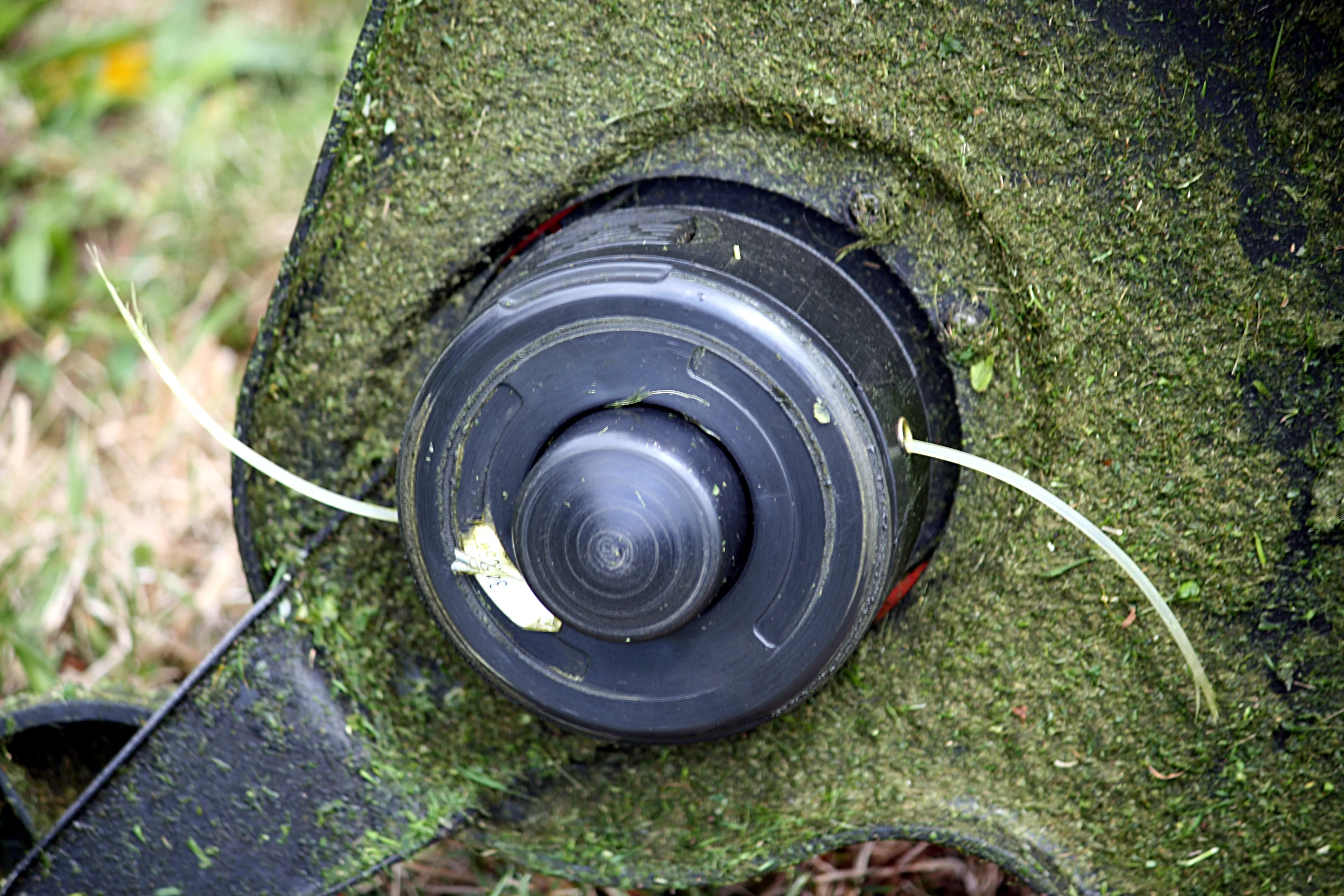
My old friend Jeff was always vocally upset that he didn’t come up with the idea of a string trimmer, commonly known as a Weed Eater or Weed Whacker. On the one hand, the idea is totally simple: spin some nylon line and cut grass and other relatively soft things. But, it turns out, that making the device actually usable requires a little bit of mechanical engineering.
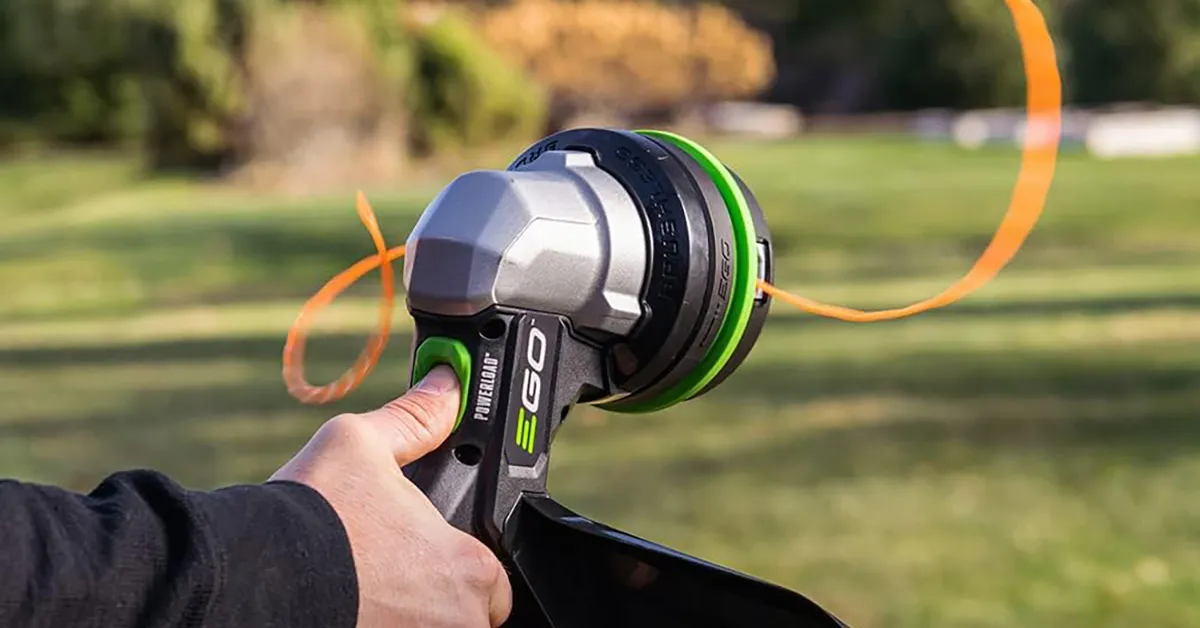
Of course, the noisy part is a motor. The motor — driven by an engine, a battery, or a power cord — spins a flexible nylon line fast enough that the line becomes rigid from centrifugal force. That’s not the important part.
The humble spool at the bottom of the trimmer is where decades of mechanical engineering, questionable patents, consumer frustration, and genuine cleverness all meet. The earliest string trimmers were primitive. [George Ballas], who patented the Weed Eater in the early 1970s, reportedly got the idea from the rotating brushes in a car wash. Attach flexible cords to a spinning head, and they become cutting tools. In fact, the prototype used a tin can for the head. Elegant. But once the line wears down — which it does constantly — you need a way to expose fresh line. That turns out to be harder than it sounds.