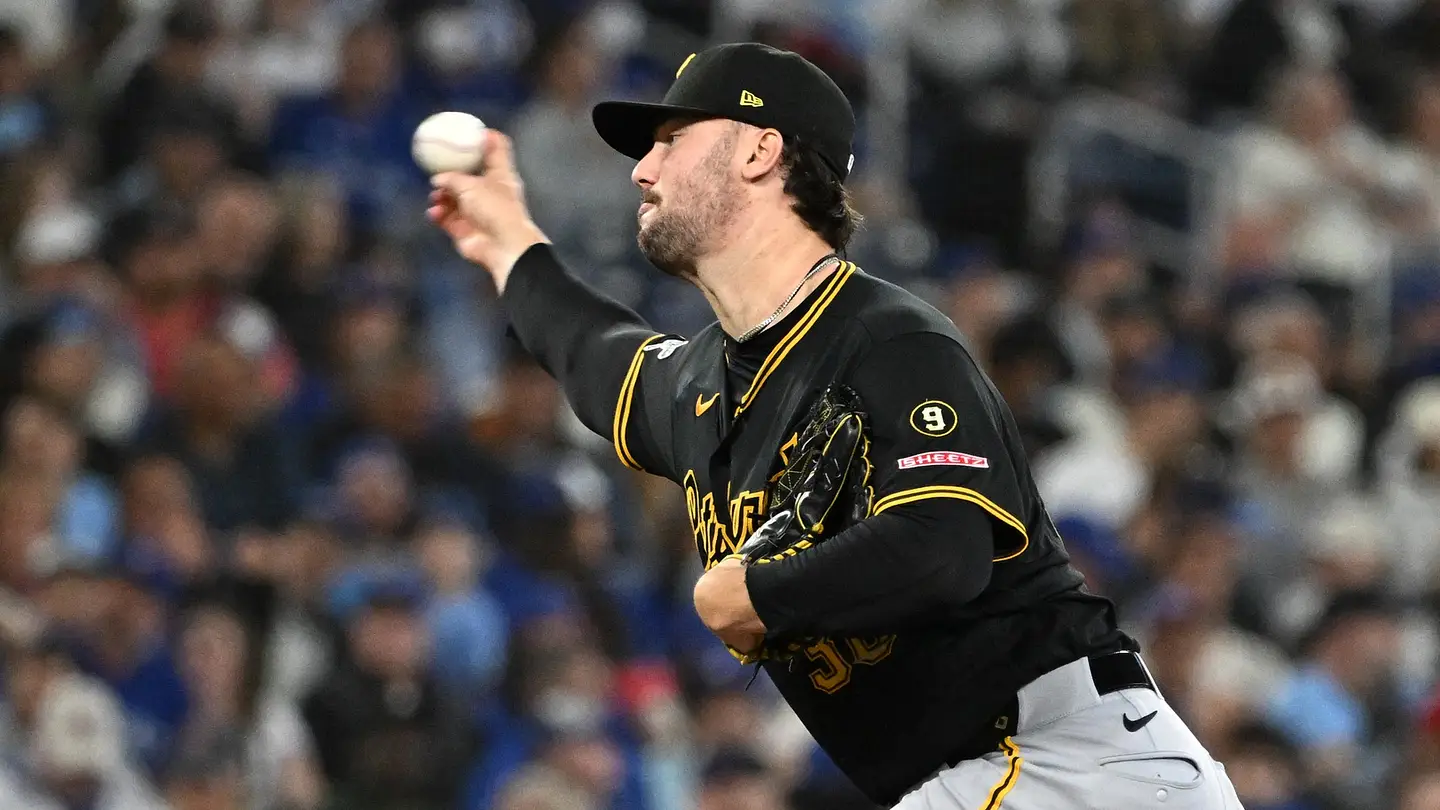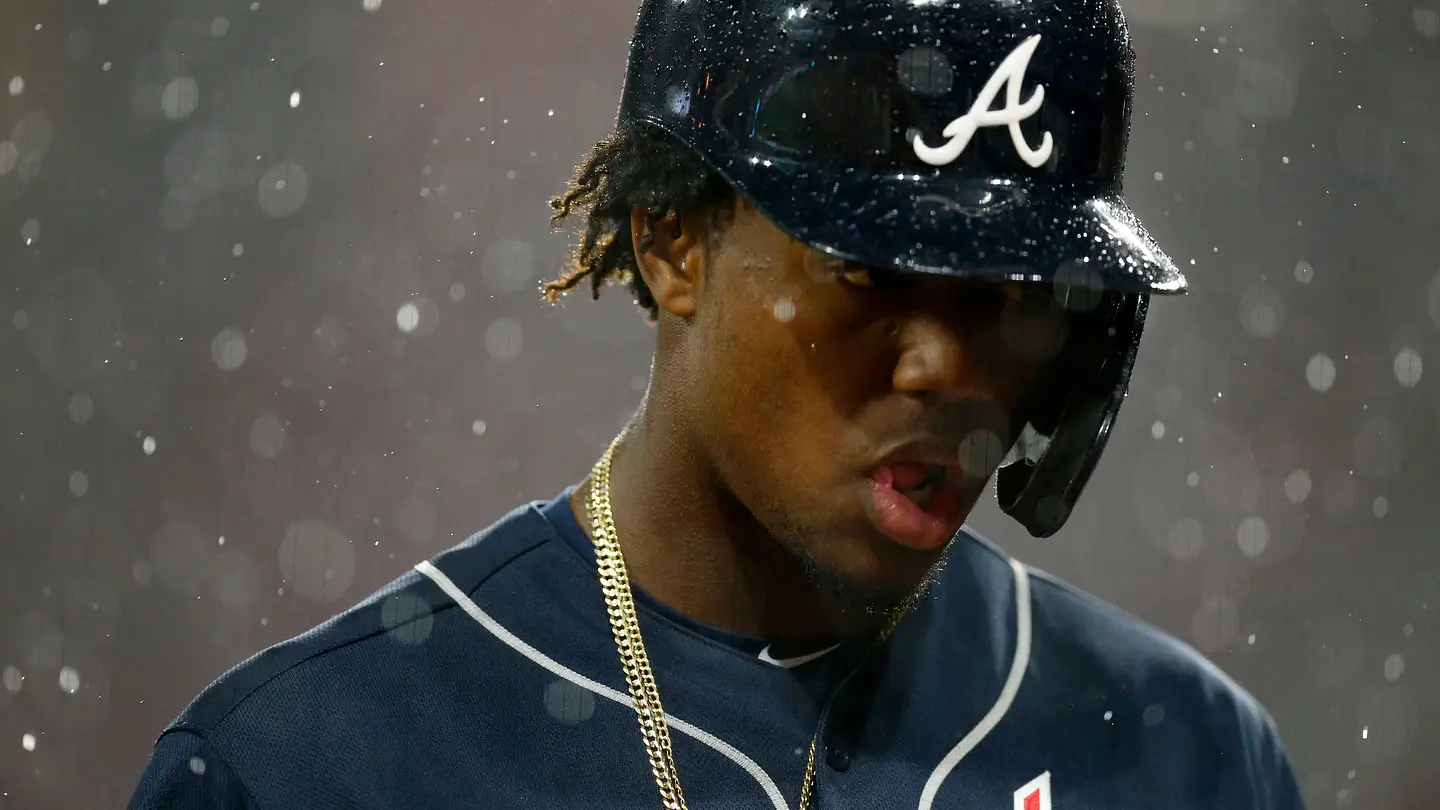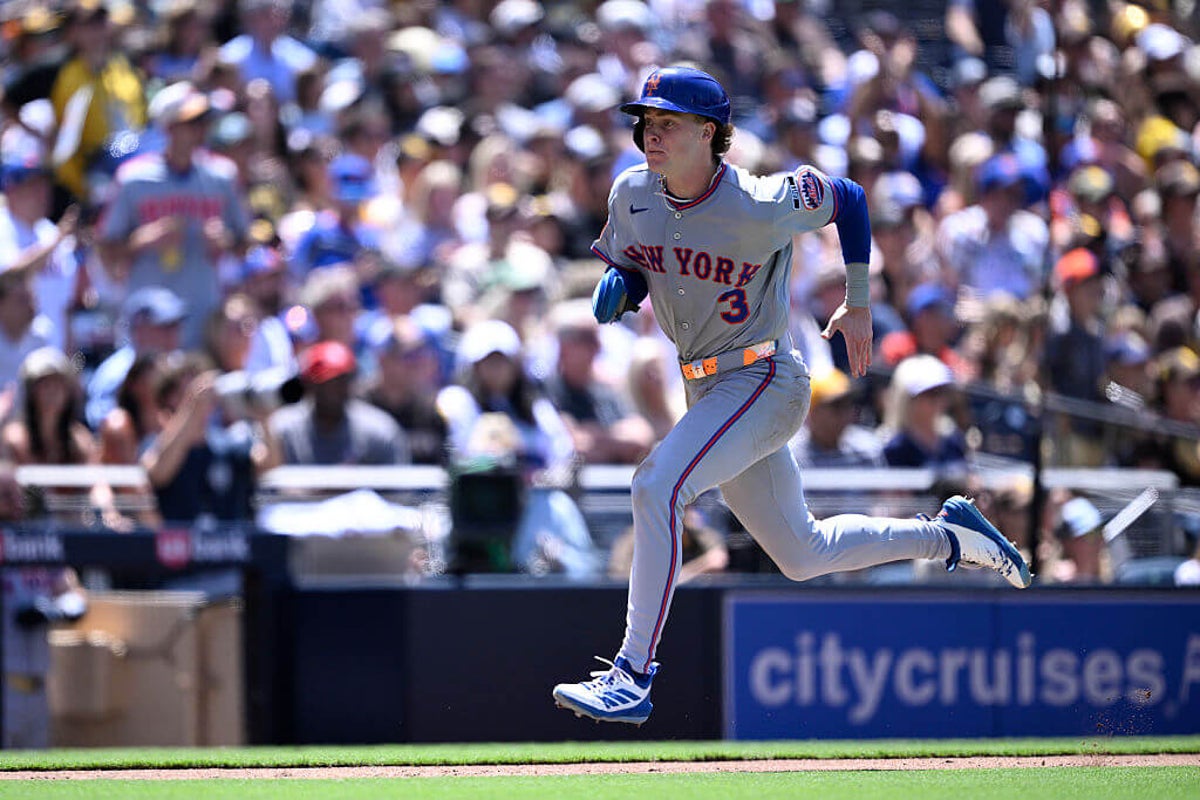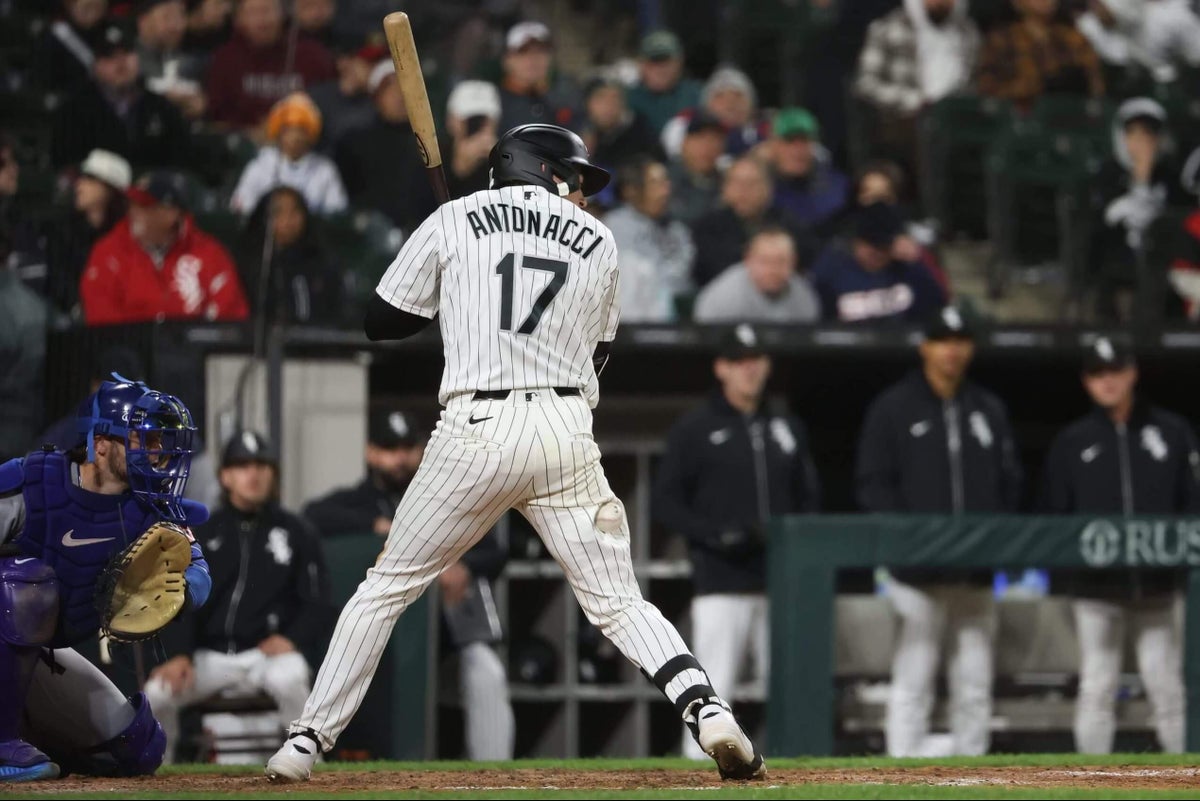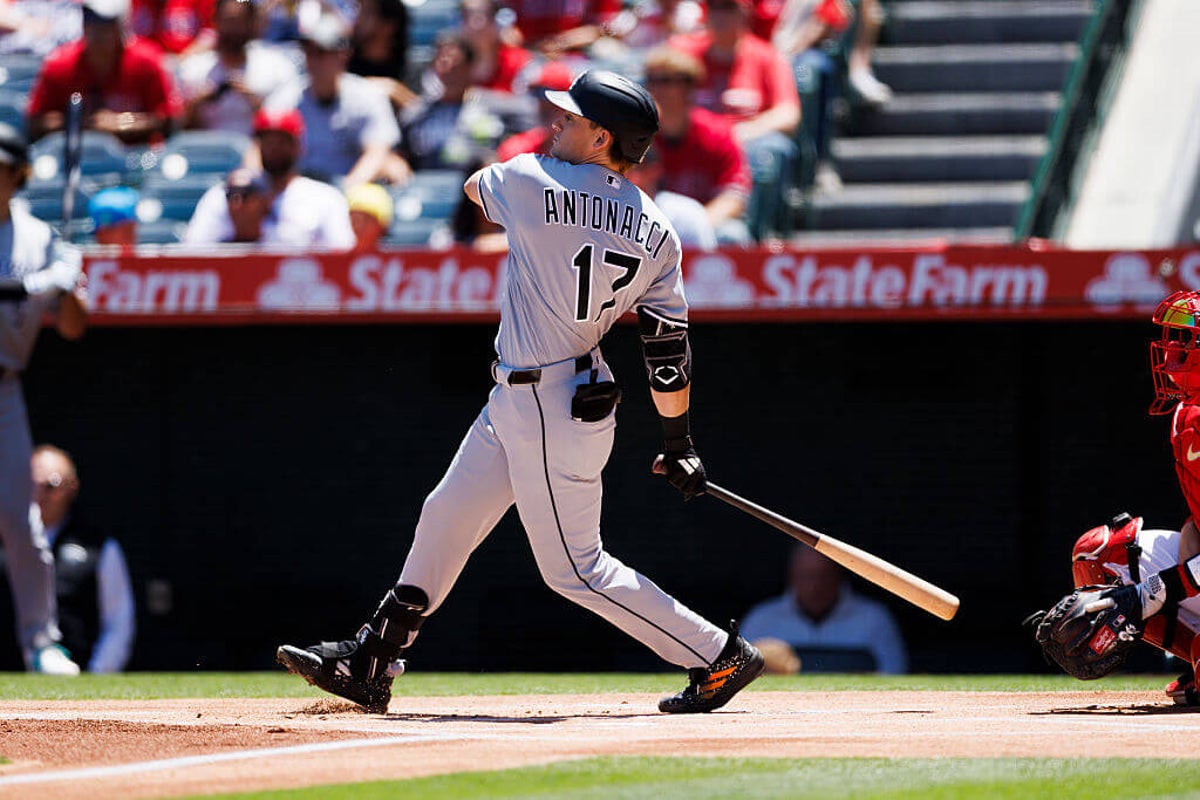
What I wrote last week should inform each of these columns, whether pitching or hitting (the focus is hitting this week).One big difference is that hitters control about two-thirds of hitter-versus-pitcher outcomes and, generally, this goes for offense versus defense in all sports. It’s a universal law. Now, of course, elite pitchers beat the base rate and control outcomes to a much higher degree — that’s why they’re great. The same goes for the handful of great defenses in, say, football. Oddsmakers know this and weigh offensive stats more heavily. And that two-thirds rule in defense/pitching was confirmed by Wharton’s Cade Massey when we worked together on Massey-Peabody NFL power rankings.The offenses that faced the 1985 Bears did not control two-thirds of outcomes based on how well they executed. Batters did not control two-thirds of outcomes against Sandy Koufax. I’m just speaking about averages, not exceptions. As it relates to hitting and this column, hitter stats are more bettable and less random than pitcher stats because — again, on average — the hitters are mostly in charge of how the pitcher performs. (This is why we pay more for hitting in fantasy, whether drafting or auctioning.)For our purpose, we get weaker outliers in each direction (actual vs. expected performance) than we do in pitching. Hitting stats are always more stable, so luck plays less of a factor in them (though luck is still a factor).The caveats I outlined last week for pitchers still apply: Expected stats are not predictions any more than or less than the actual stats would be. They speak to an alternate universe where we base our future expectations on past performance that has been earned rather than actualized. And to be honest, I think these expected radar-based stats via Statcast/Baseball Savant are better — meaning more predictive — than actual stats.Statcast statistics in this article are as of Wednesday, May 20.Unlucky hittersSam Antonacci (CWS, OF): He may also qualify at 2B in your league. He’s been solid, but he should be great, given his profile. His expected batting average of .338 is the best in baseball. In shallow formats, you need him to steal bases more aggressively with his 77th-percentile sprint speed. Think of Antonacci as a faster Luis Arráez — an elite batting-average play.
Sam Antonacci, Otto Lopez and more fantasy baseball hitters riding good (and bad) luck
Michael Salfino looks at some of the hitters who have been most impacted by luck — be it good or bad — this season.
1,007 words~5 min read