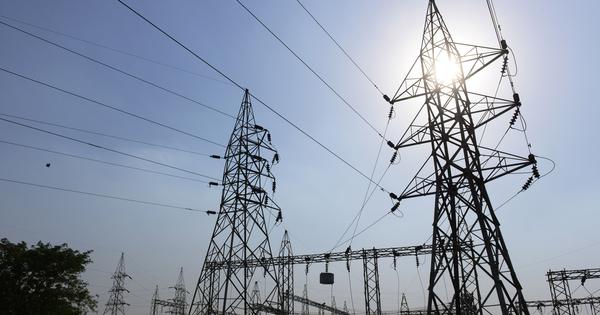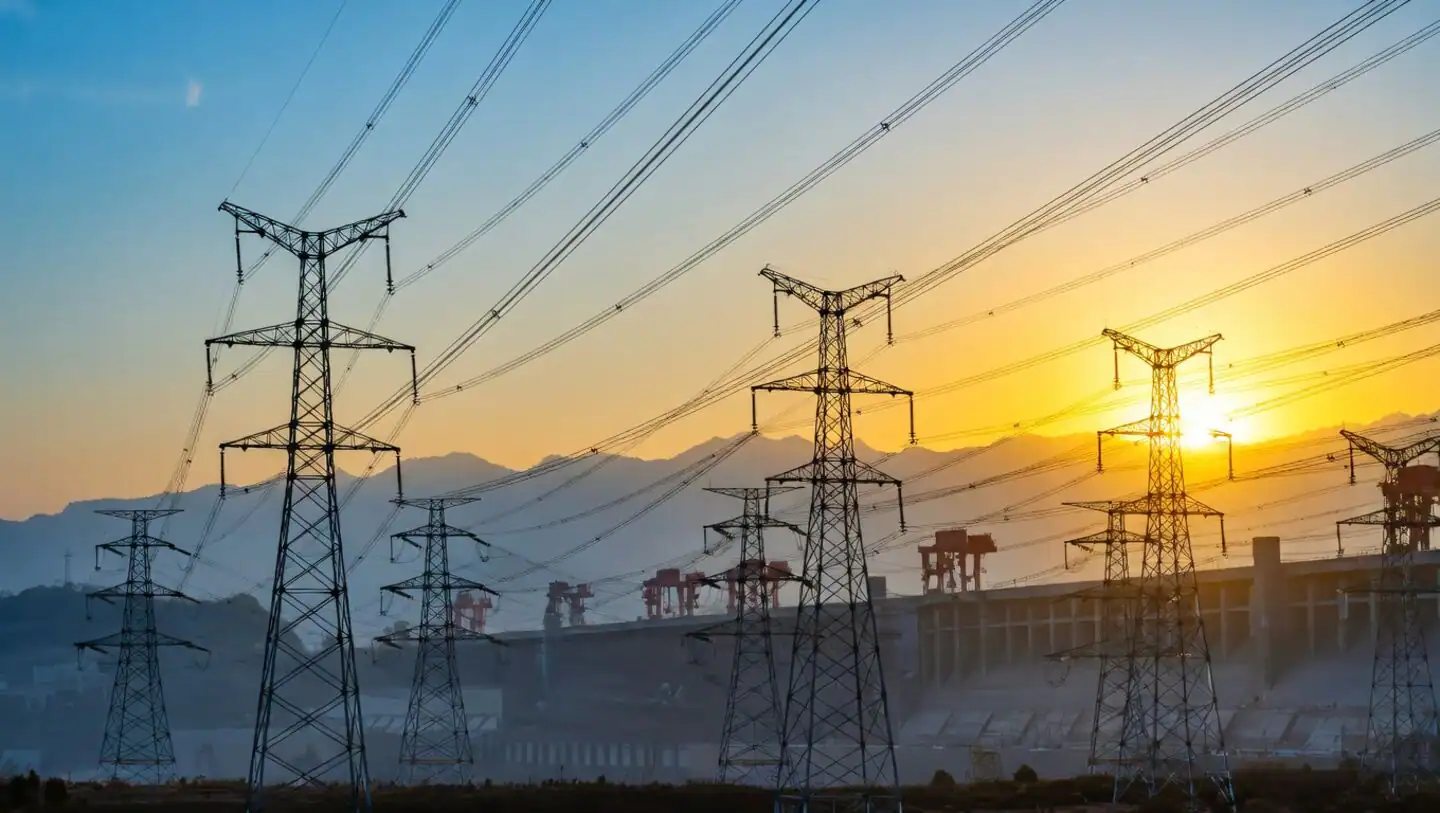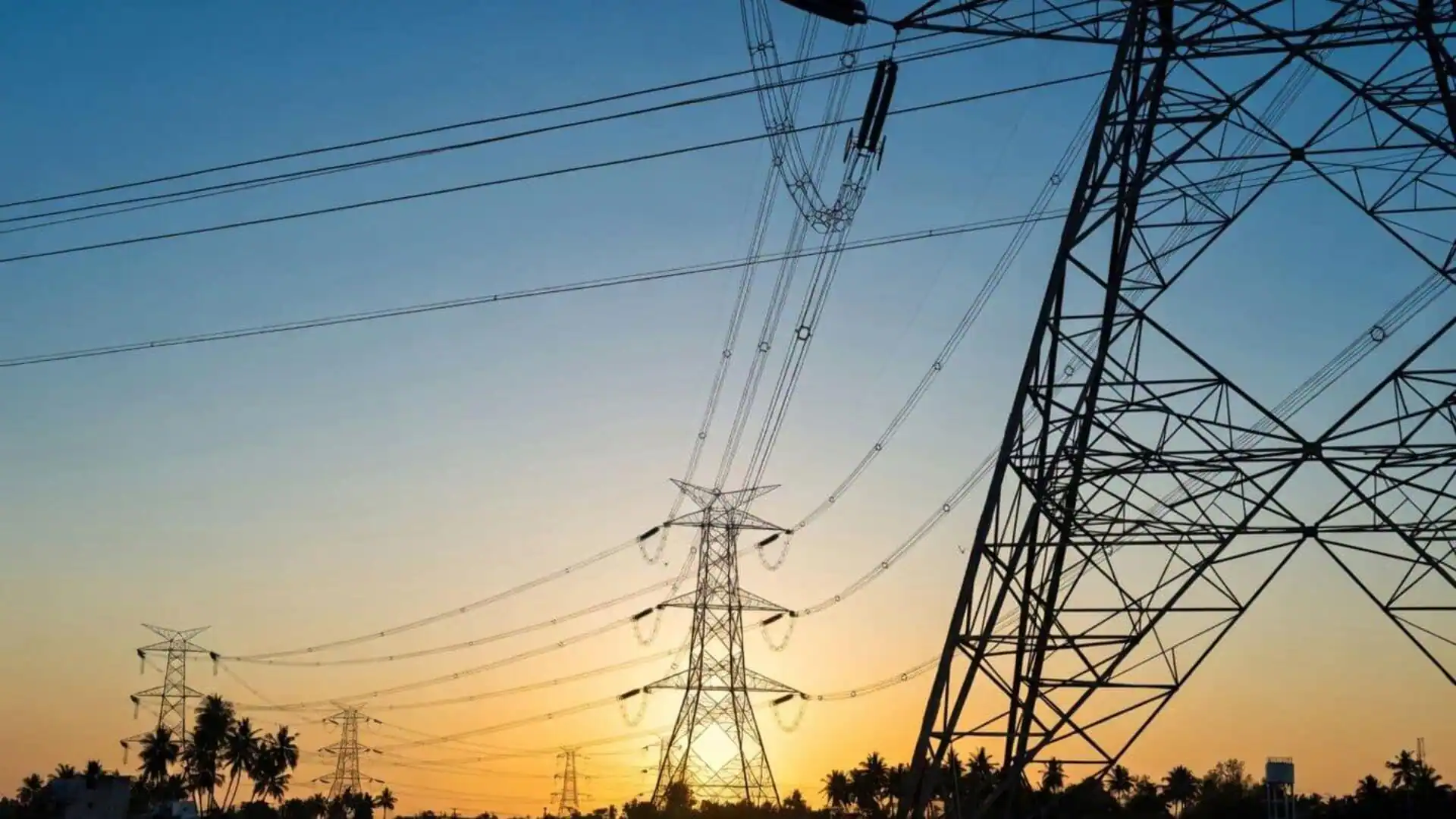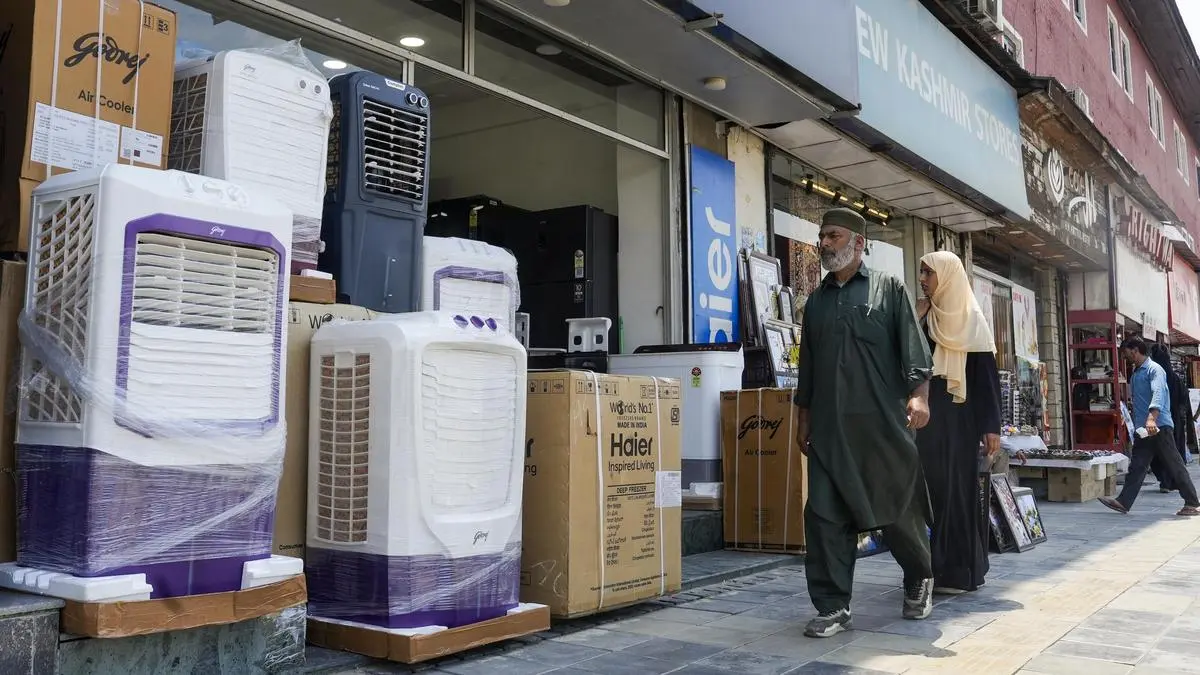
An unrelenting severe heatwave that has gripped large swathes of India has pushed the country’s electricity grid to a new milestone, shattering power demand records for the fourth consecutive day.Student seen covering head and face with cloth to protect from heat wave on a hot summer day at Sector-11 in Gurugram (HT PHOTO/Parveen Kumar)India crossed 270 giga watt (GW) of peak demand on Thursday, up from Wednesday’s peak power demand of 265.44 GW, the power ministry said as the India Meteorological Department (IMD) warned that the extreme daytime temperatures will persist through the week.The IMD has forecast that the severe heat wave conditions will continue over the plains of northwest and central India and adjoining eastern India.In a post on X, the ministry of power said the peak power demand had reached a new all-time high and that it was successfully met. “Today was the 4th consecutive day when the peak power demand (solar hours) reached a new all-time high. At 1545 hours (21.5.2026), the peak power demand (solar hours) of 270.82 GW was successfully met,” the ministry of power said.Solar energy provided 32% of India’s total power generation at noon on Thursday. On Wednesday also, it had provided nearly 30% of total power generation in afternoon hours before tapering off in the evening.“This summer has been testing India’s power generation system and grid resilience, with electricity demand repeatedly breaking records. Around midday, solar alone was contributing nearly 80 GW of power, roughly one-third of India’s total generation at that hour. While thermal power remains the balancing backbone of the system, solar, along with other renewables, is doing significant heavy lifting during daytime hours,” said Trishant Dev, deputy programme manager, Climate Change and Green Economy, Centre for Science and Environment.“India crossed 270 GW of peak demand at 15:47 hrs today. Record heat and surging electricity demand continue to test the power system. A 256 GW peak demand in the week of 20 April already highlighted how thin the margins are becoming: surplus solar during the day, nearly 190 GW of installed coal capacity running at full capacity during nights,” said Disha Aggarwal, senior programme lead, Council on Energy, Environment and Water (CEEW).“With projections pointing to 270 GW peak in the coming weeks, and hotter nights becoming the norm, India must urgently act on four fronts. First, fast-track the commissioning of 9.7 GW of battery and pumped hydro storage, planned for FY27, to utilise cheaper and surplus solar power during nights. Second, ensure adequate coal stocks are maintained, especially at plants distant from mines. Third, expand the application of time-of-day tariffs so that smart-metered consumers can optimise evening consumption. Fourth, equip discoms with AI-driven, weather-linked tools to anticipate demand hotspots to prevent transformer failures,” she added.
Severe heatwave pushes India’s power grid to a historic 270GW milestone
India crossed 270 giga watt (GW) of peak demand on Thursday, up from Wednesday’s peak power demand of 265.44 GW, the power ministry said | India News
455 words~2 min read