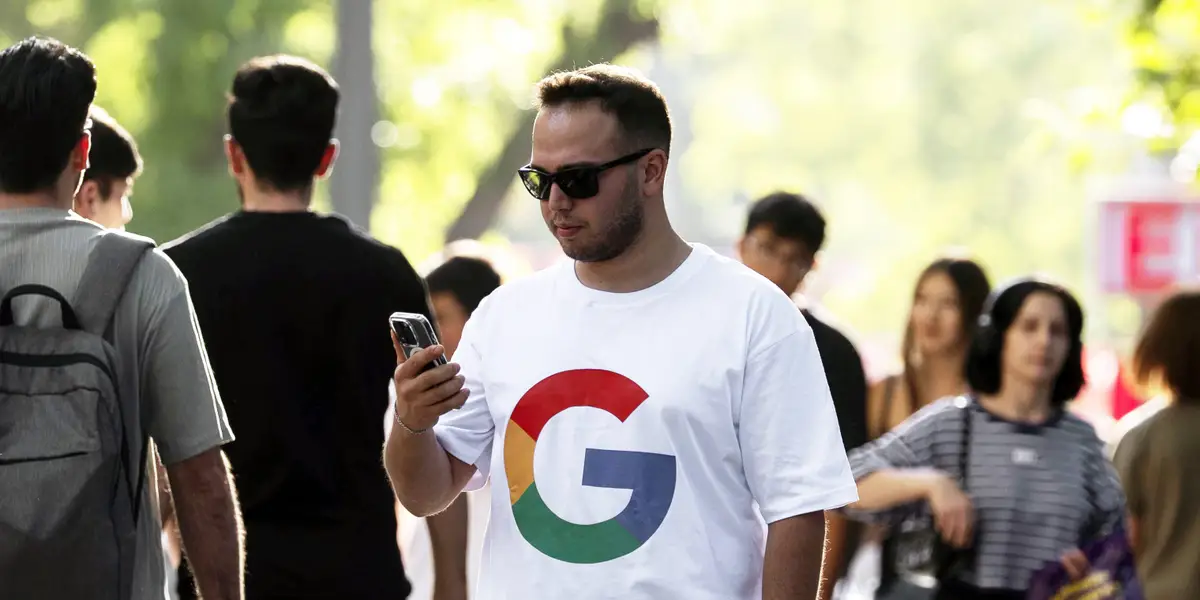
We all know how to Google something. That's all about to change.
Dilara Irem Sancar/Anadolu via Getty Images
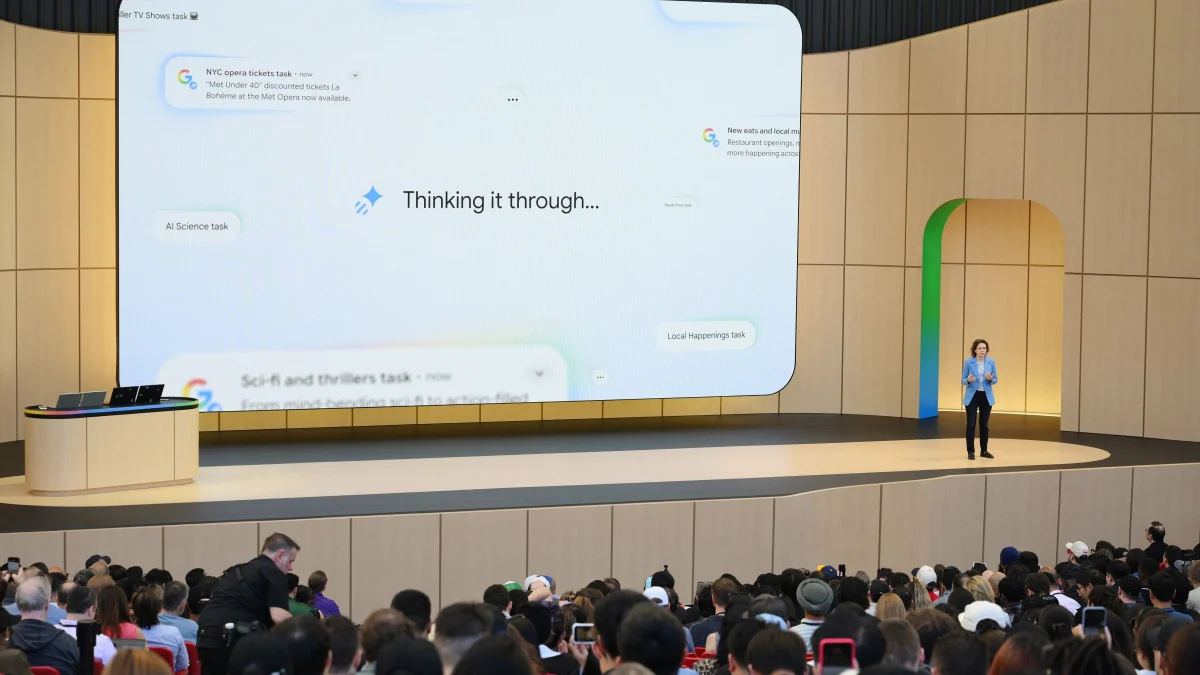
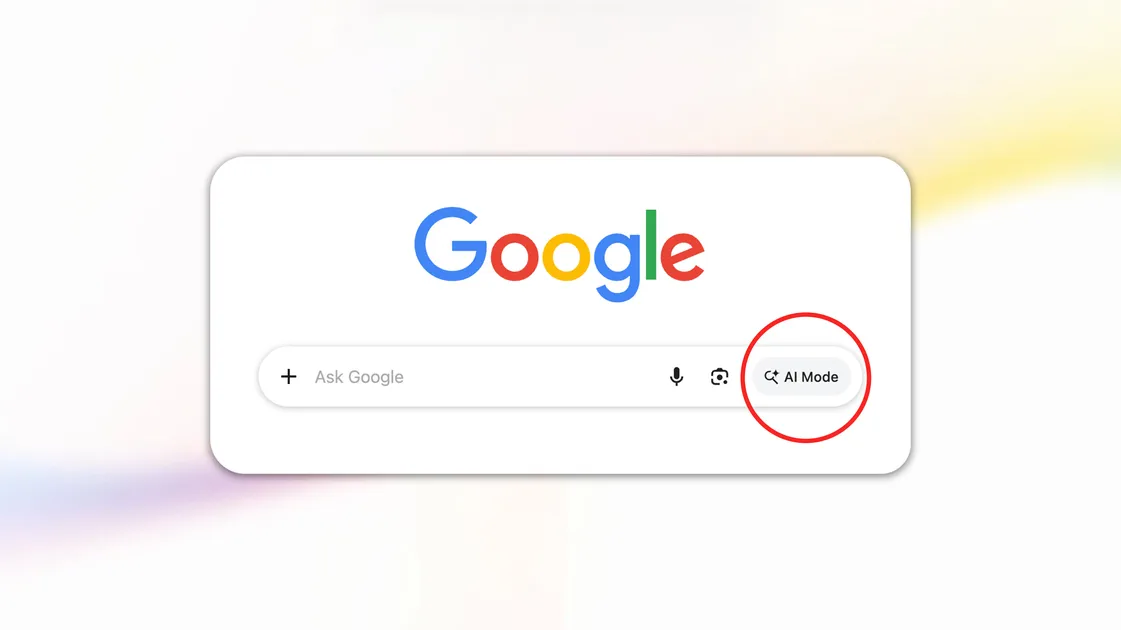
Google is about to ruin the internet.And I love the internet. I love websites. I love sending links to my friends. I spend nearly my entire workday looking at various Chrome tabs. I enjoy looking at websites I've never looked at before.All of that is going to change with Google's new search updates, which lean into AI-generated answers. Its plans gave me an awful sinking feeling.The big change will be to integrate AI even more into search — instead of typing in a few keywords and getting a list of links, Google will spit out more AI-powered answers to questions and personalized requests (I'll explain more in a bit.)When a Big Tech company gives a demonstration of a new product, you've always got to look at it with some skepticism, so let's take this with at least a grain of salt: But Google, this week, said its new features would let an AI agent send you updates whenever your favorite athletes launch a new sneaker, for instance. (I am not sure how it knows your favorite athletes, but, at the same time, of course, Google knows that about you.)A personalized internet isn't the internetI really struggled to get into the mindset of someone who wants this. I'm not a sports fan or a sneakerhead, so new athlete-endorsed shoes don't thrill me, but I do enjoy shopping, so I can see the appeal of buying cool new sneakers. Do I want an alert when an athlete or brand announces this? Do I expect this to be something I wouldn't see in a TV ad, read in a style magazine, or see on the athlete's Instagram? Like, I guess I can see some convenience here, but there's already a robust ecosystem of ways to get this information that I find generally pleasurable to engage with.Another example: Someone asking Google for advice on where to go for a hike with restaurants and parking nearby. That's a nice, wholesome project for a demonstration, but I can't imagine using Google in this way. I use Google in that time-honored way we've all been taught: typo-laden, two-word utterances — not elegantly worded requests.