When you're reaching out to powerful, busy people, getting the responses you need can be hard. Executives, senior leaders, and mentors you admire receive hundreds of emails a day. If yours doesn't immediately catch their attention, it'll be left for later, ultimately forgotten, or deleted entirely. As the author of "Managing Up: How to Get What You Need From the People in Charge" and an executive coach to top performers at organizations like Microsoft, Apple and NATO, I've spent nearly 15 years helping driven professionals influence the people above them. Even the most articulate professionals overlook one very important aspect of writing emails: the closing call to action. Most people sign off with phrases like:"Let me know your thoughts.""I look forward to your response.""Feel free to reach out anytime."These phrases feel polite, but they're vague. They put the work back on an already busy leader to figure out what you want, when you need it, and why it matters. When you say "let me know your thoughts," for example, are you asking for approval, specific feedback, or a meeting? The more a powerful person has to work to interpret your request, the more likely it is you'll receive no response at all. Instead, try these email closers that get powerful people to act:1. Ask a binary questionBinary questions are effective because they take the universe of possible responses and narrow it down to a simple choice. "Does Tuesday or Wednesday work better for you?""Do you prefer option A or option B?""Would you like me to keep going or hold off for now?"2. Add a deadlineThis transforms an open-ended request into a task with a timeline, making it far less likely your email gets perpetually pushed."Can you give me an answer by Thursday so I can move forward?""If you're able to respond by the 15th, that would help me hit our quota.""I'm hoping to make a decision by tomorrow. Would you be able to weigh in before then?"3. Trigger a one-word replyLeaders are scanning emails between meetings. This approach allows them to shoot off a response in seconds. "Reply yes and I'll handle the rest." "Just reply with your preferred date and I'll send a calendar invite.""If you're on board, even a thumbs up is fine."Strong communication, even over email, conveys confidence, drives the conversation forward, and ensures you can spend less of your time and energy waiting for responses you need, and more of it being productive, delivering value and getting noticed for all the right reasons. Melody Wilding, LMSW is an executive coach, human behavior professor, and author of "Managing Up: How to Get What You Need from the People in Charge." Get her free training, 5 Steps to Speak Like a Senior Leader, here. Want to get ahead at work? Then you need to learn how to make effective small talk. In CNBC's new online course, How To Talk To People At Work, expert instructors share practical strategies to help you use everyday conversations to gain visibility, build meaningful relationships and accelerate your career growth. Sign up today!
Stop saying ‘let me know your thoughts’—the most successful people use these phrases in their emails
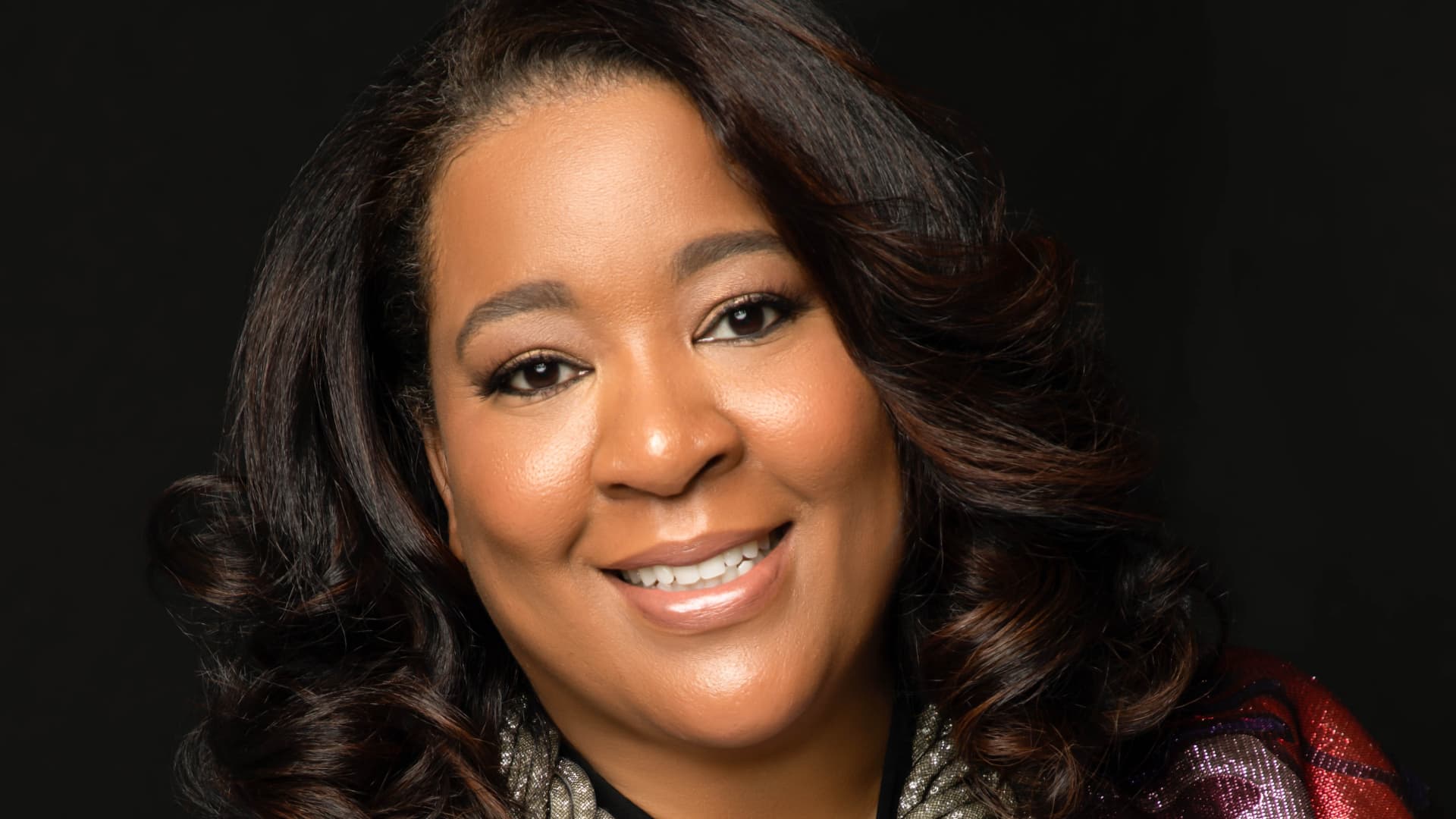
"The more a powerful person has to work to interpret your request, the more likely it is you'll receive no response at all," says executive coach Melody Wilding, author of "Managing Up."
510 words~2 min read