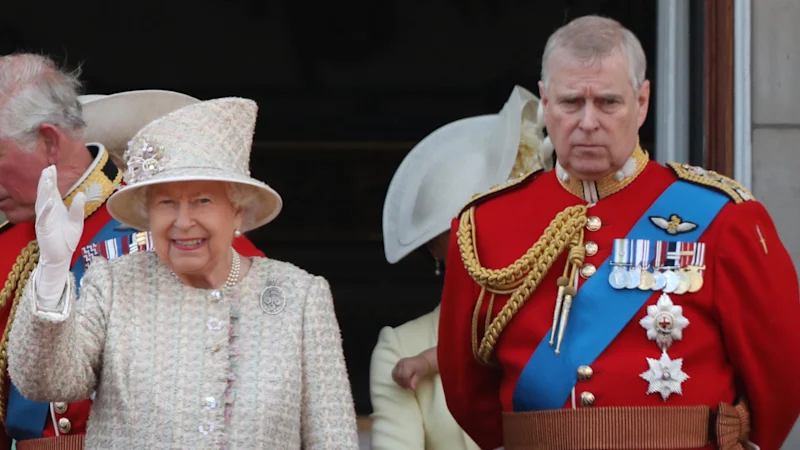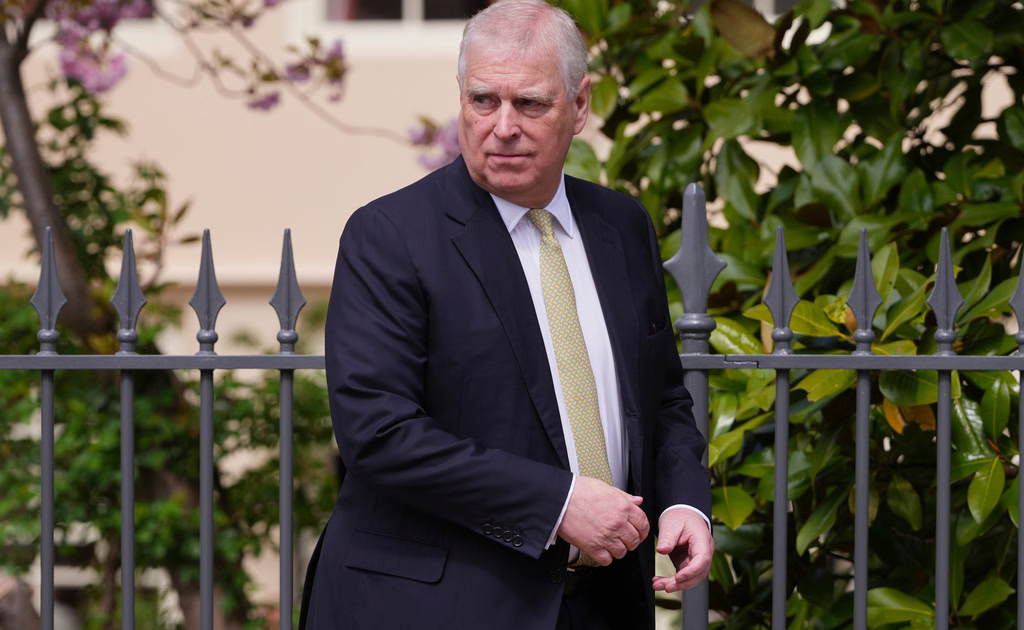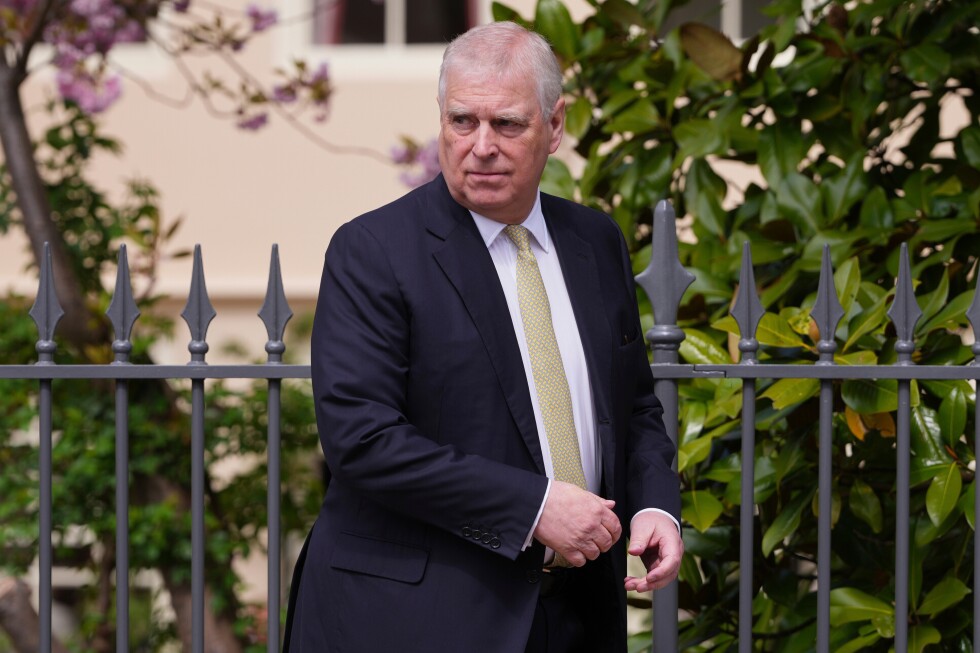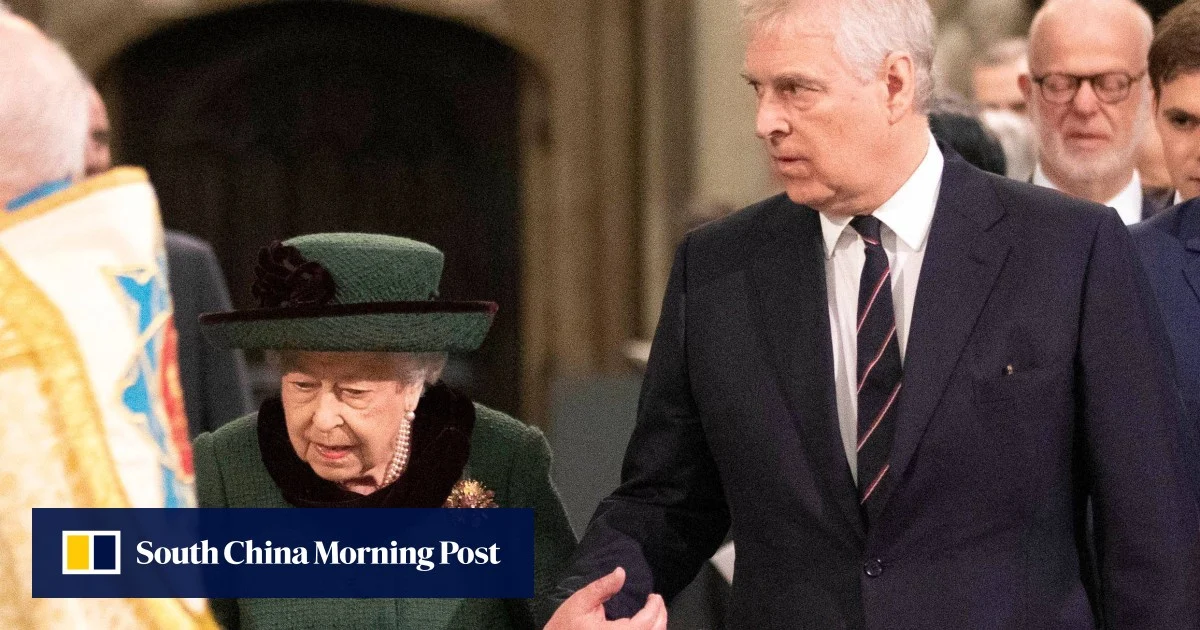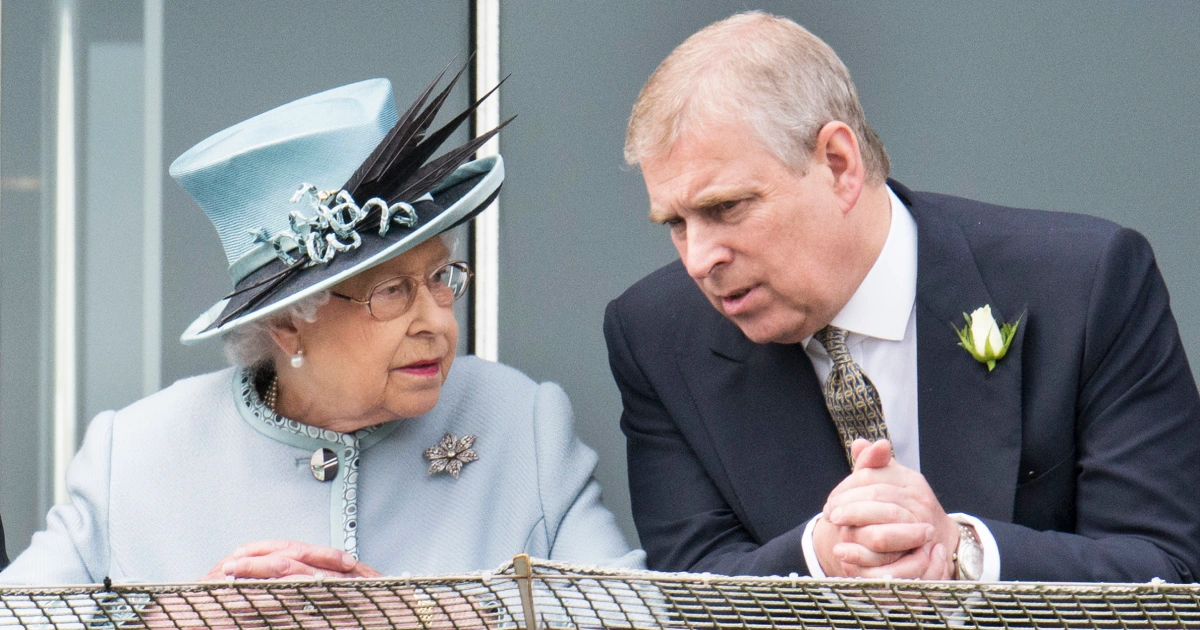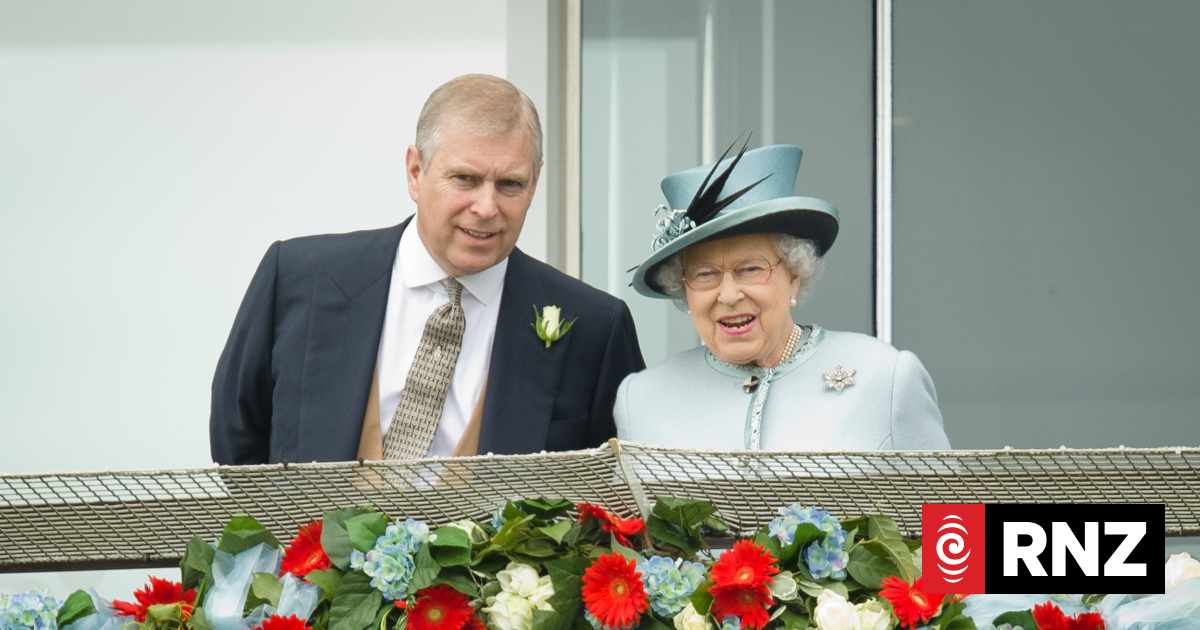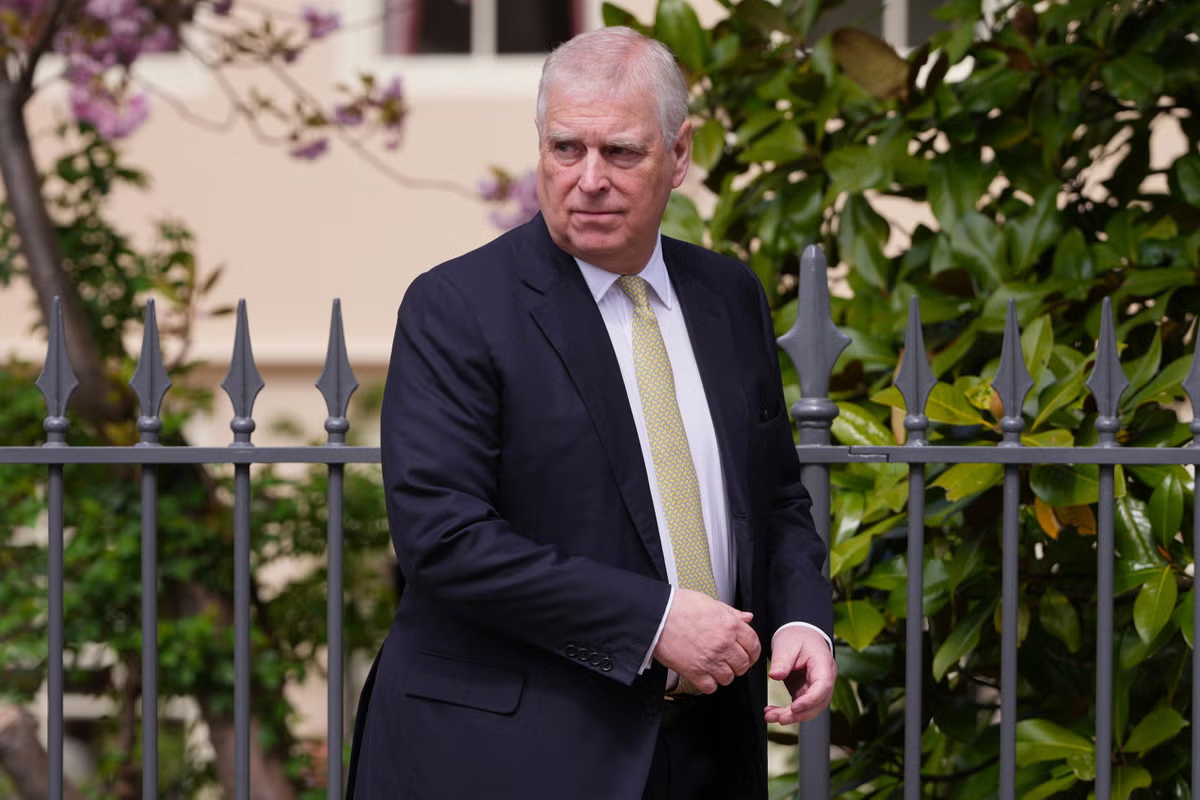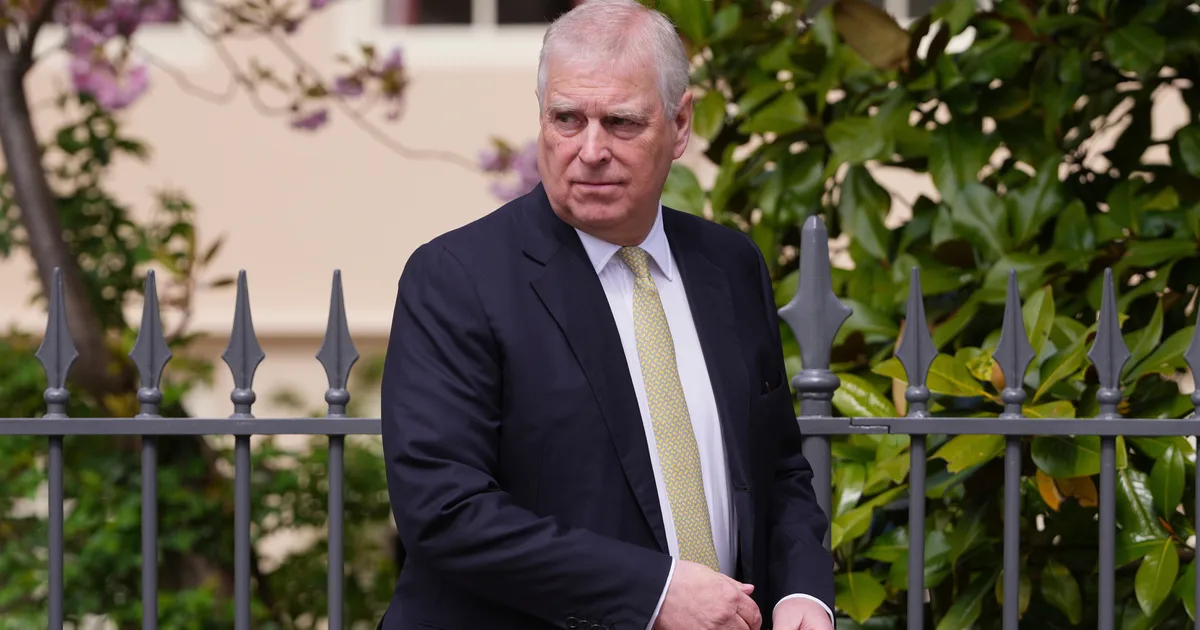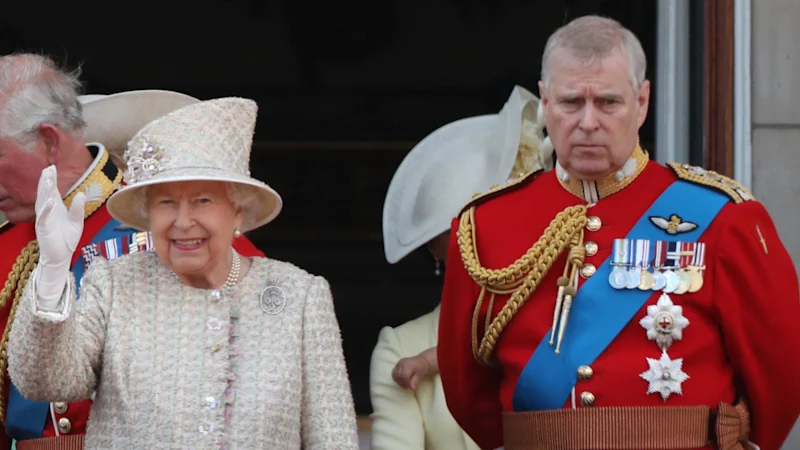
Andrew MacAskill and Muvija MUpdated May 22, 2026 — 3:37pm,first published May 22, 2026 — 12:01amLondon: Britain’s late Queen Elizabeth II pressed almost three decades ago for her son Andrew Mountbatten-Windsor to be made a government trade envoy, and there is no evidence of due diligence or security vetting before his appointment, documents show.The confidential documents released by the British government on Thursday (London time) relate to the appointment of Mountbatten-Windsor, formerly known as Prince Andrew, to his role as special representative for trade and investment between 2001 and 2011.Former Prince Andrew in military uniform with his mother, Queen Elizabeth II, at the Trooping the Colour in 2019, before being stripped of his titles.AlamyThe opposition Liberal Democrats had requested the publication of files relating to the appointment three months ago, after the US Justice Department released emails that suggested Mountbatten-Windsor shared sensitive information with the late sex offender Jeffrey Epstein while in the role.The documents released on Thursday included a memo dated February 2000 in which David Wright, who was chief executive of British Trade International – a now defunct government organisation set up to promote trade – said Elizabeth had been “very keen” for Mountbatten-Windsor to be given the job.“The Queen’s wish is that the Duke of Kent should be succeeded in this role [as trade envoy] by the Duke of York,” Wright said in the memo to former foreign secretary Robin Cook, referring to Mountbatten-Windsor’s previous title.The Queen died in 2022. Her involvement will confirm previously held beliefs that she held a soft spot for her son – an empathy that might have influenced her lack of decisiveness in dealing with allegations of Andrew’s connection to Epstein.The UK government released 31 pages of documents after the Liberal Democrats used a rare parliamentary device to request the publication of files relating to how Mountbatten-Windsor was given the role, including on any vetting.Chris Bryant, a junior trade minister, said in a written statement to parliament on Thursday that there was no evidence that formal due diligence or security vetting was carried out before Andrew was appointed to the role.“There is also no evidence that this was considered. This is understandable since this new appointment was a continuation of the royal family’s involvement in trade and investment promotion work following the Duke of Kent’s decision to relinquish his duties as vice-chairman of the Overseas Trade Board,” he said.Mountbatten-Windsor was this year arrested on charges related to allegations that he shared government reports with Epstein while he was trade envoy. He was the first member of the British royal family to be arrested in more than three centuries.Andrew Mountbatten-Windsor, pictured here at Windsor Castle last year.APHe has always denied any wrongdoing in relation to Epstein and said he regrets their friendship.Bryant said the government was co-operating with Thames Valley Police in their investigation into Mountbatten-Windsor and possible misconduct in public office.Another document released on Thursday showed that Mountbatten-Windsor’s private secretary at the time told the head of protocol at the Foreign Office that Mountbatten-Windsor preferred to visit “more sophisticated countries, particularly those in the lead on technology”.The memo also said he preferred to see ballet rather than theatre on overseas visits.Mountbatten-Windsor received no salary for the role, which allowed him to travel the world meeting senior business and government figures, but criticisms were made at the time about the size of his travel expenses.He quit the role in 2011, the same year he was pictured with his arm around Virginia Giuffre, who later accused him of sexually abusing her when she was a teenager.Mountbatten-Windsor was stripped of his royal title last year as King Charles III tried to insulate the monarchy from the growing fallout from the Epstein scandal.The move followed the US Justice Department’s release of millions of pages of documents related to Epstein. Those files showed how the wealthy financier used an international web of rich, powerful friends to gain influence and sexually exploit young women and girls.Nowhere has the fallout from the document release been felt more strongly than in the UK, where the scandal has raised questions about the way power is wielded by the aristocracy, senior politicians and influential business owners, known collectively as “the Establishment”.Mountbatten-Windsor has vehemently denied any wrongdoing.Reuters, APGet a note directly from our foreign correspondents on what’s making headlines around the world. Sign up for our weekly What in the World newsletter.More:Epstein falloutAndrew Mountbatten-WindsorRoyal familyUKJeffrey EpsteinQueen ElizabethFrom our partners
Queen Elizabeth pushed for Andrew to be appointed UK trade envoy, documents reveal
Queen Elizabeth II wanted her son to take on a “prominent role in the promotion of national interests”, according to the papers released on Thursday.
736 words~3 min read