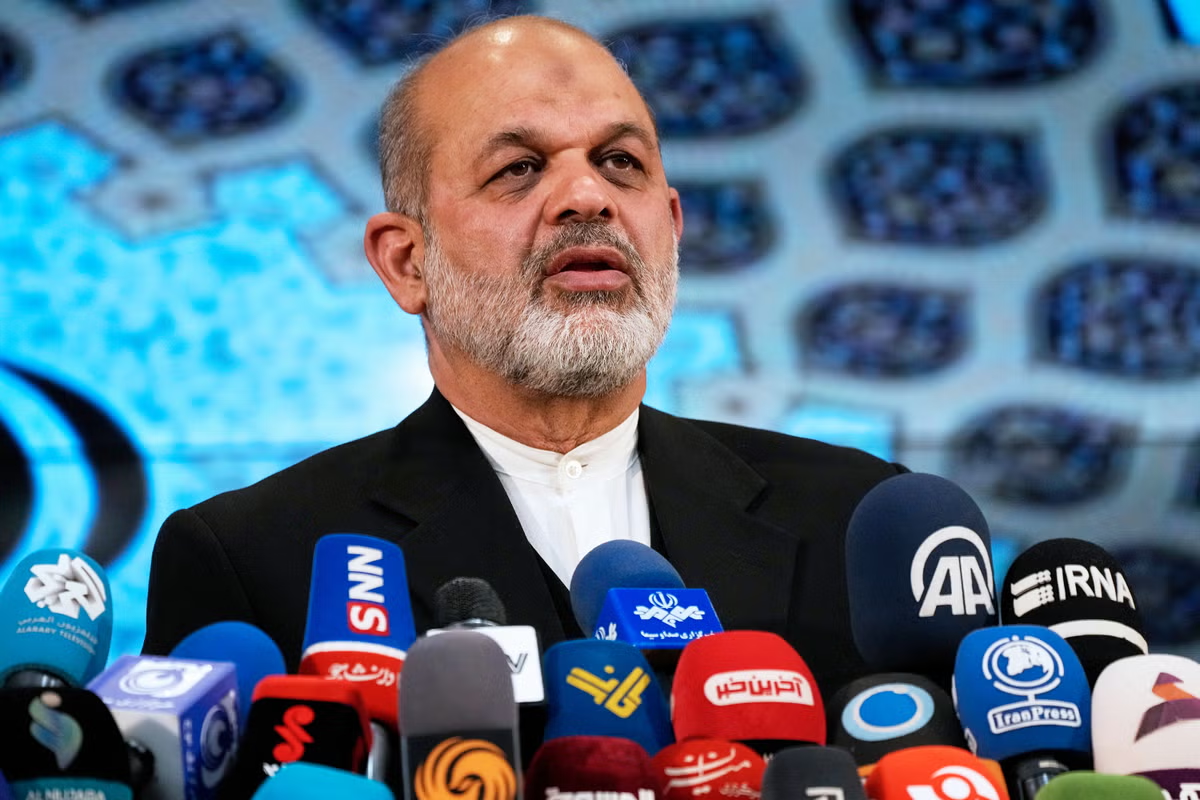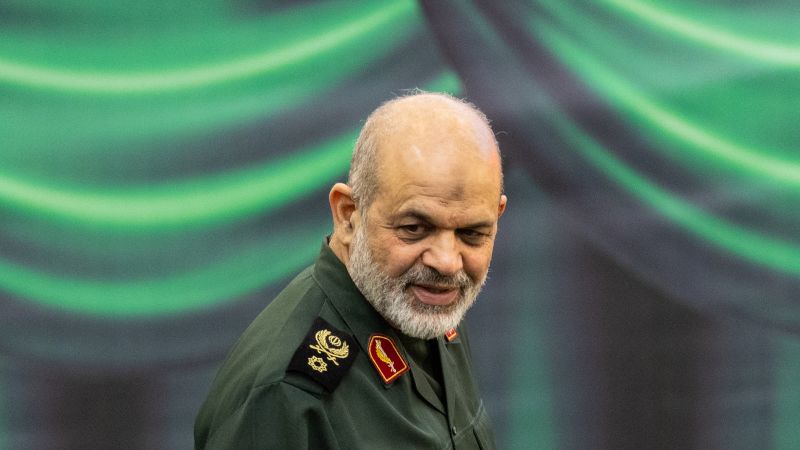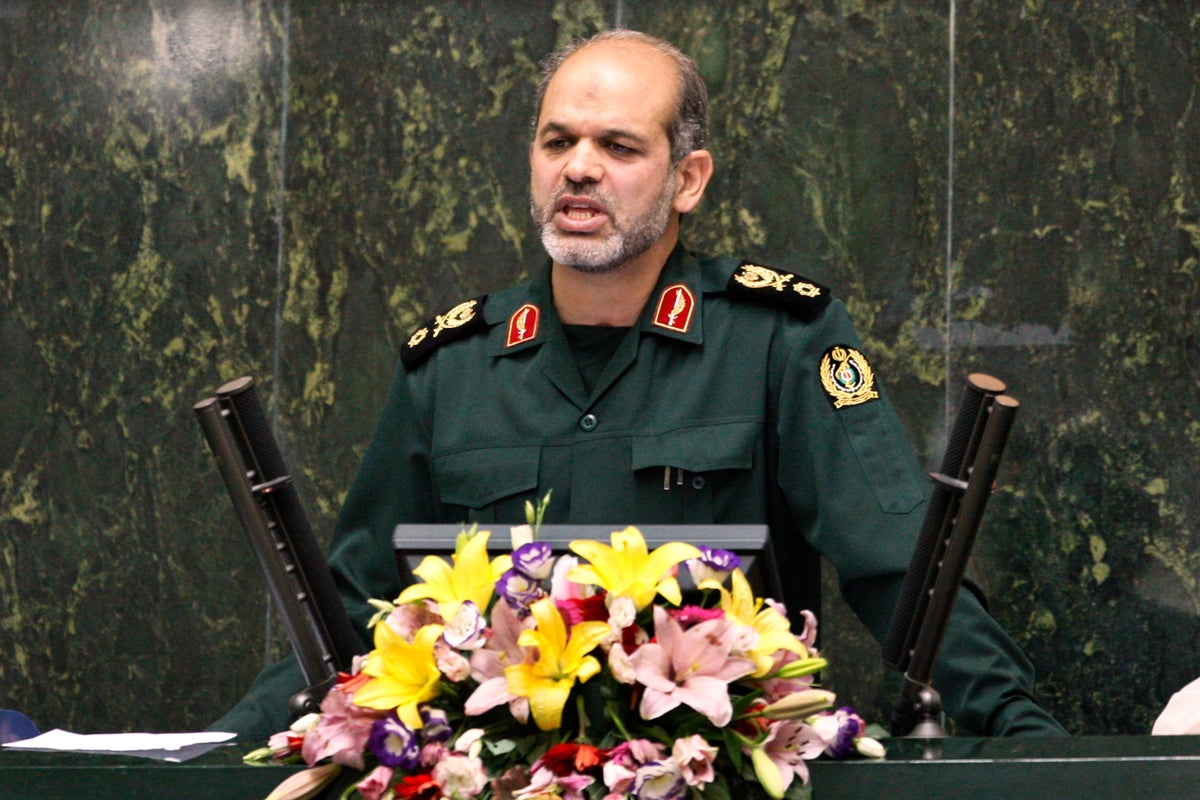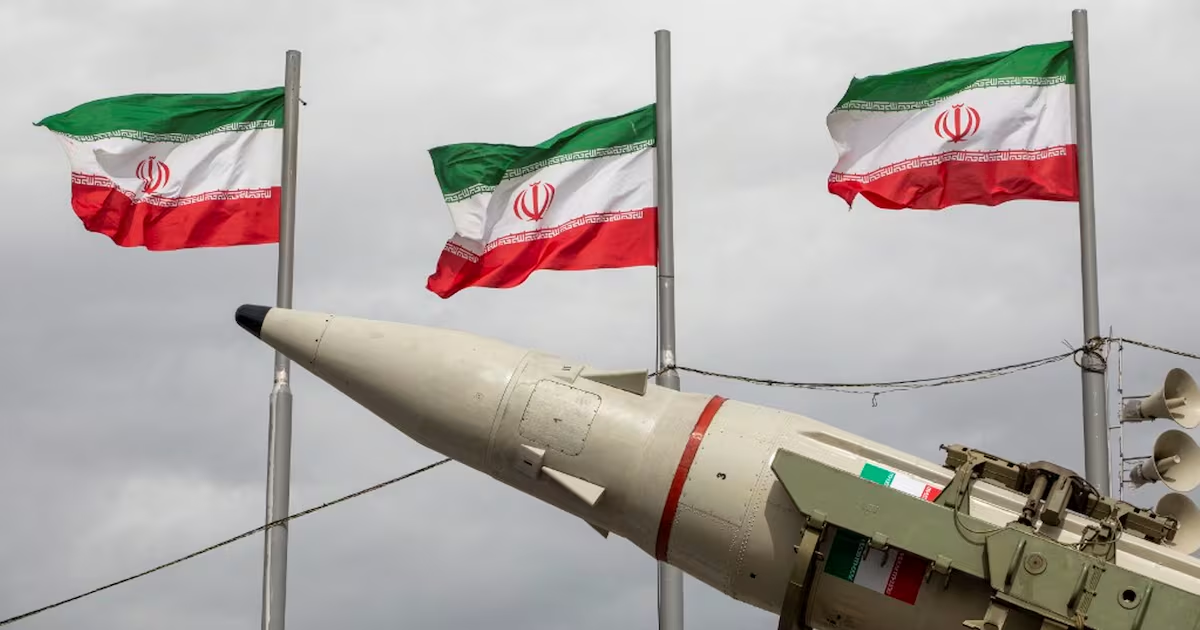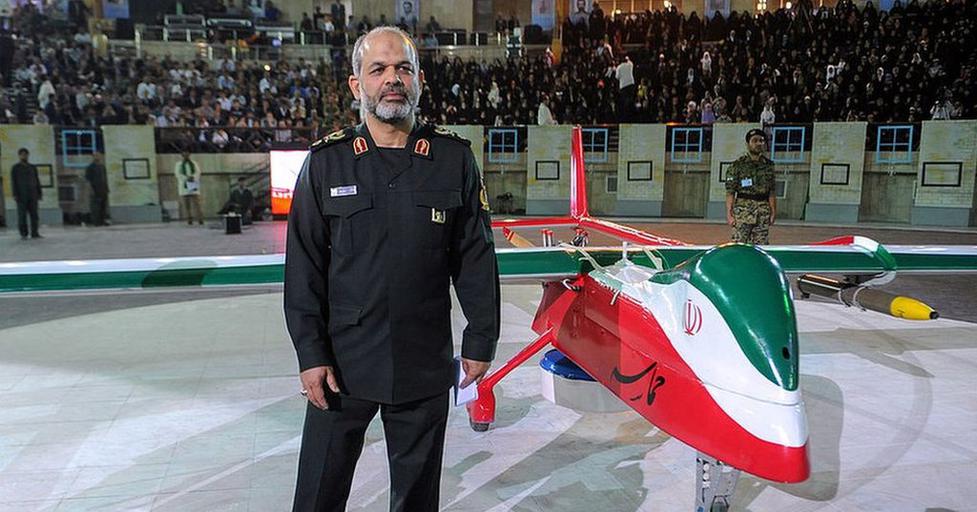
The U.S.-based think tank, the Institute for the Study of War (ISW), has said in a report that Brigadier General Ahmad Vahidi, a senior commander of the Islamic Revolutionary Guard Corps (IRGC), has emerged as one of the main figures shaping Iran’s hardline stance in negotiations over a possible end to the war with the United States and Israel.
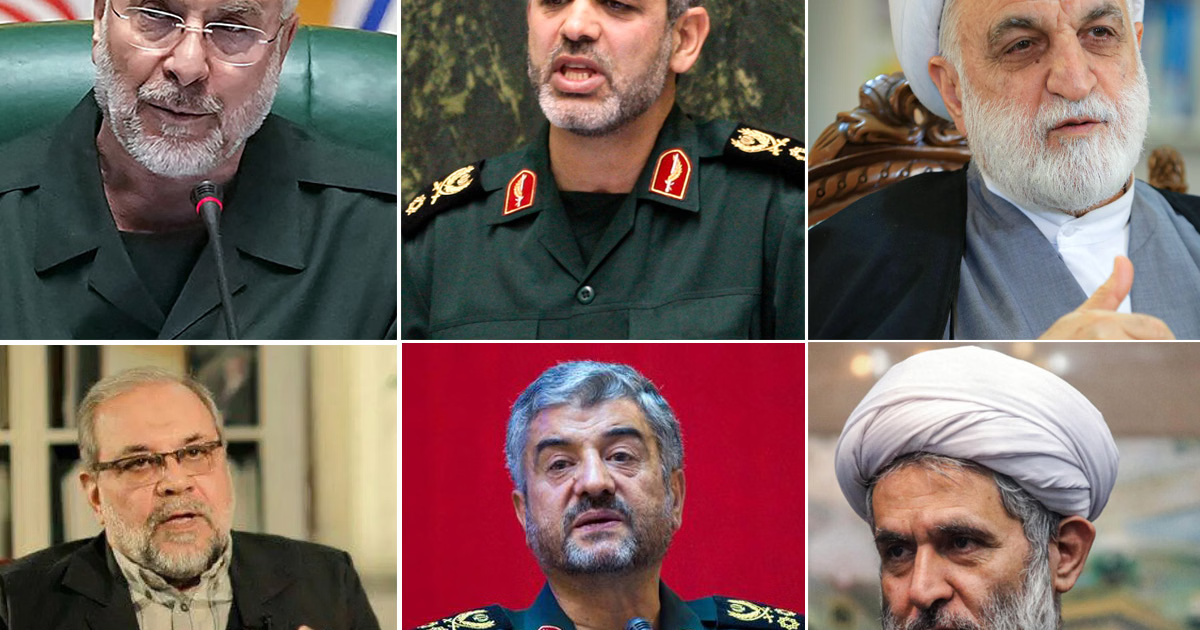
According to expert assessments, Vahidi and members of his inner circle have likely taken control of not only Iran’s military response in the conflict, but also Tehran’s negotiating policies.
The Institute for the Study of War (ISW) is a Washington-based security think tank that specializes in analyzing military conflicts and strategic developments in the Middle East.
According to the report, which is part of the institute’s “Iran Update” analytical series, Vahidi, as a key IRGC figure, plays a central role in steering the decision-making process related to nuclear negotiations and Iranian foreign policy. His approach, marked by a refusal to grant major concessions to the United States, has increasingly aligned with the official position of the Islamic Republic.
In its analysis, the institute says Iran’s decision-making apparatus has come more than ever under the influence of military commanders, particularly the IRGC. Figures such as Vahidi have managed to directly influence the course of negotiations and Tehran’s red lines, a development that, according to the think tank, has narrowed the room for an agreement.