Show Caption
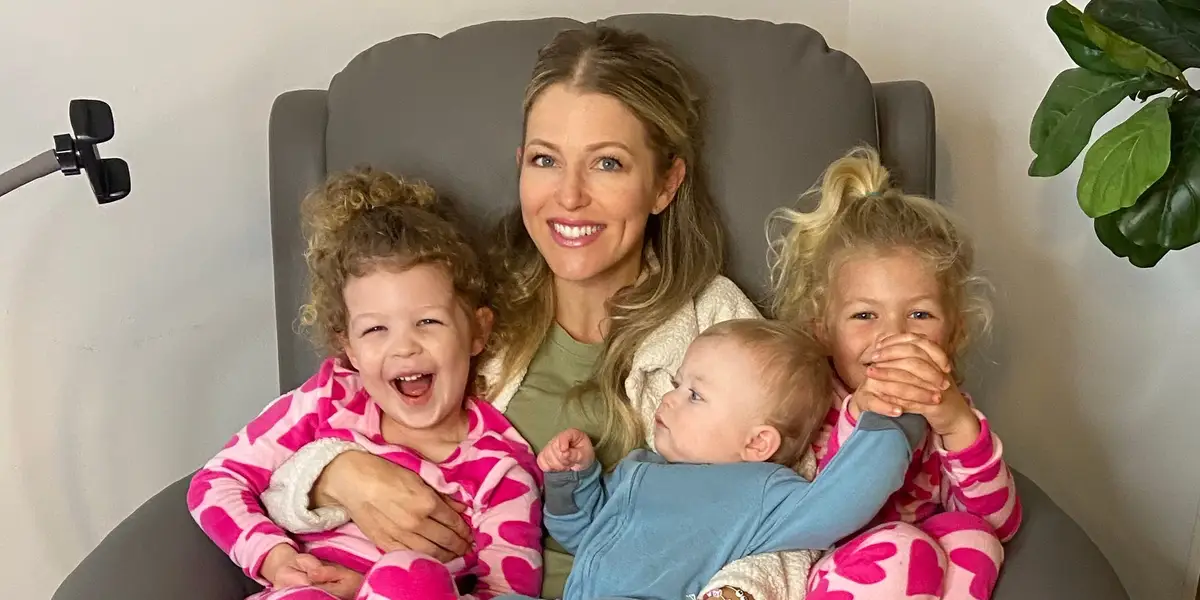
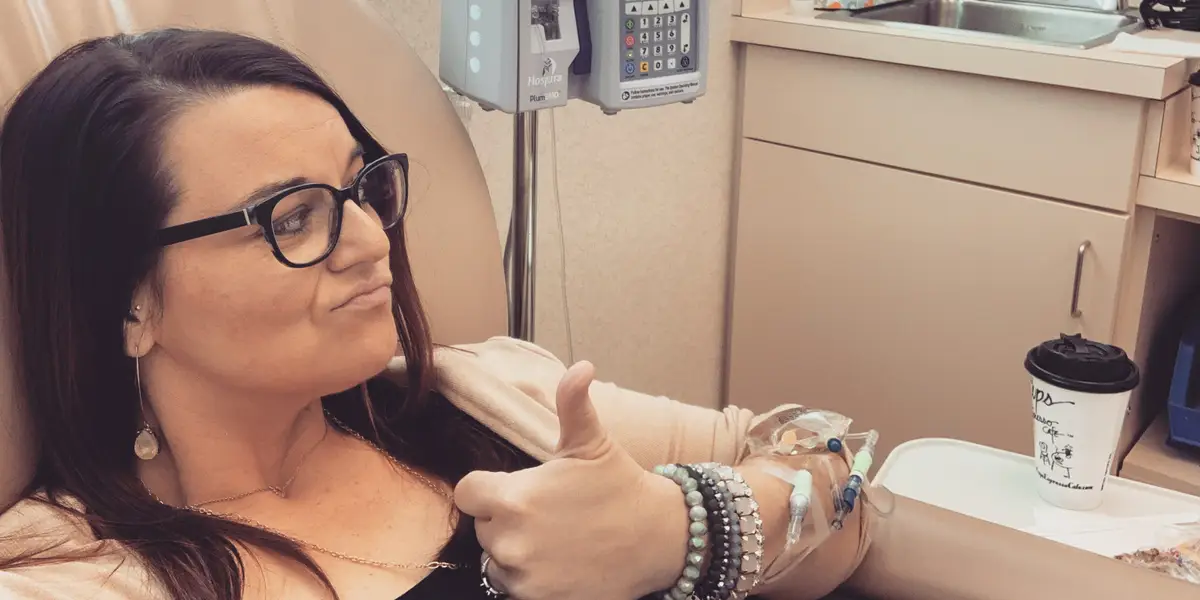
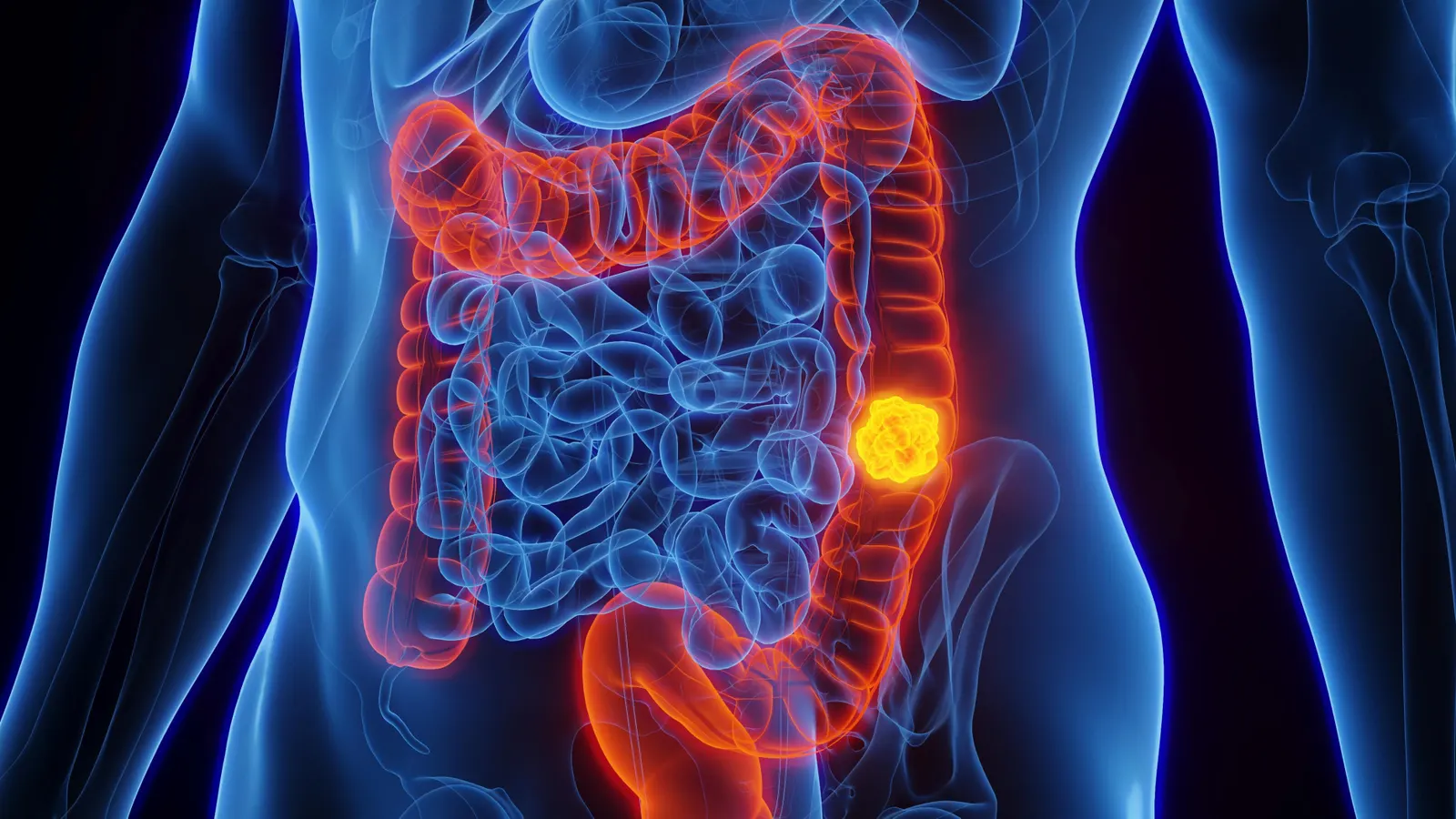
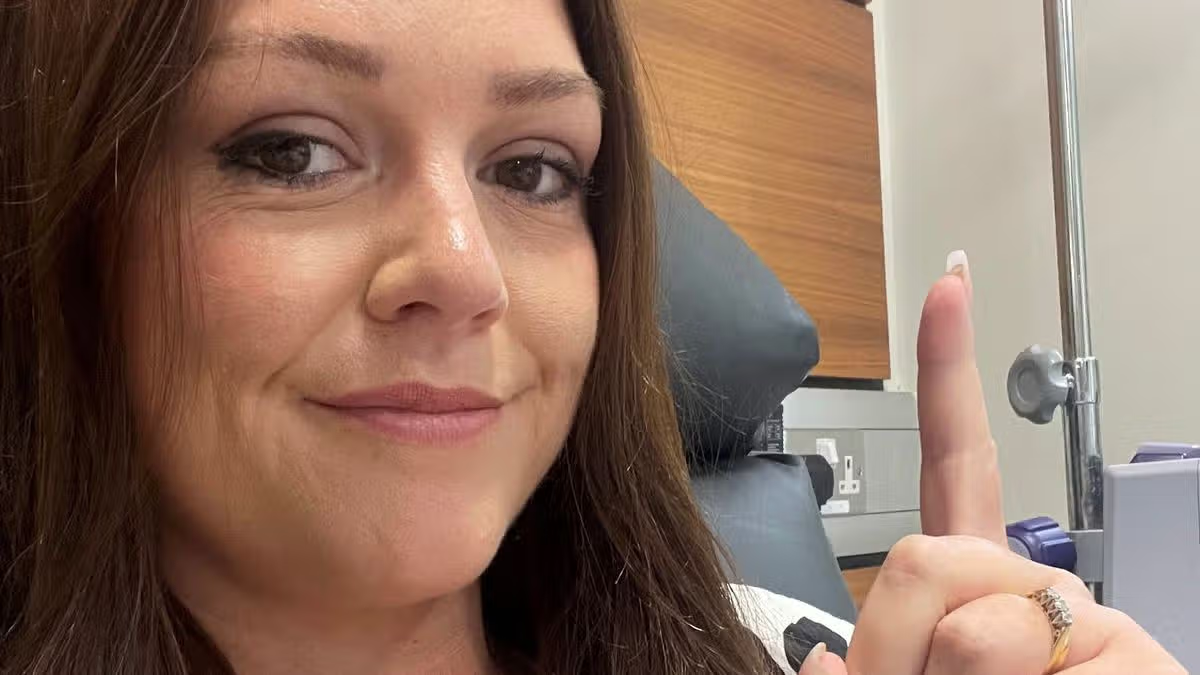
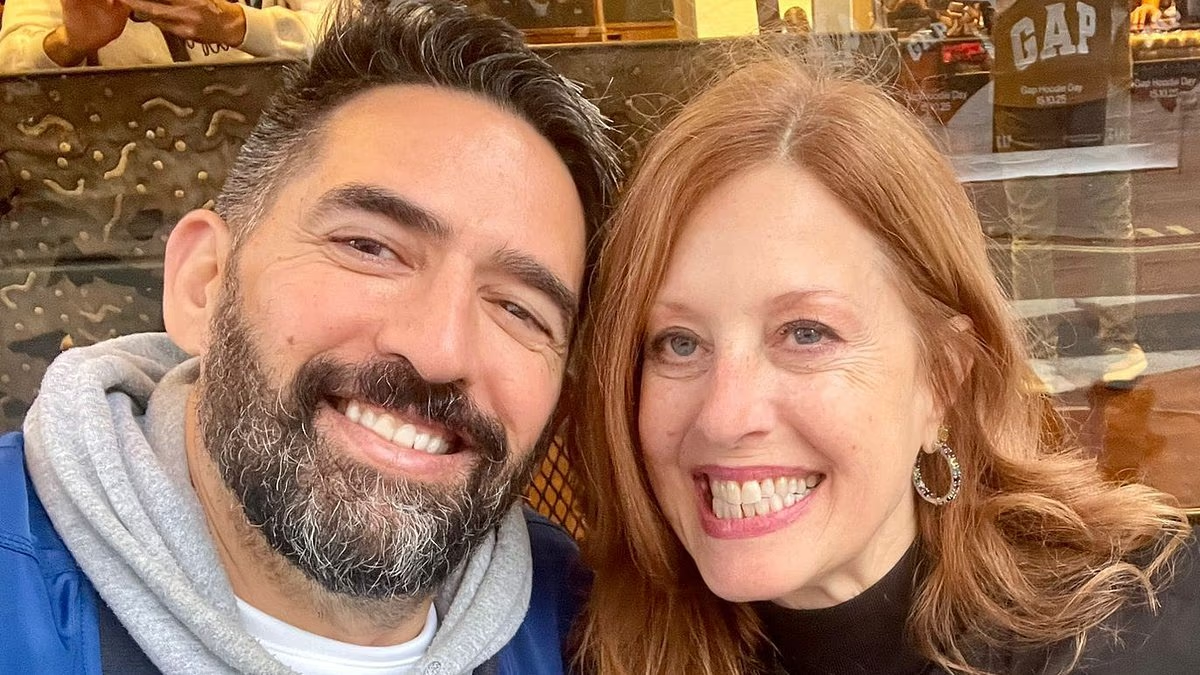
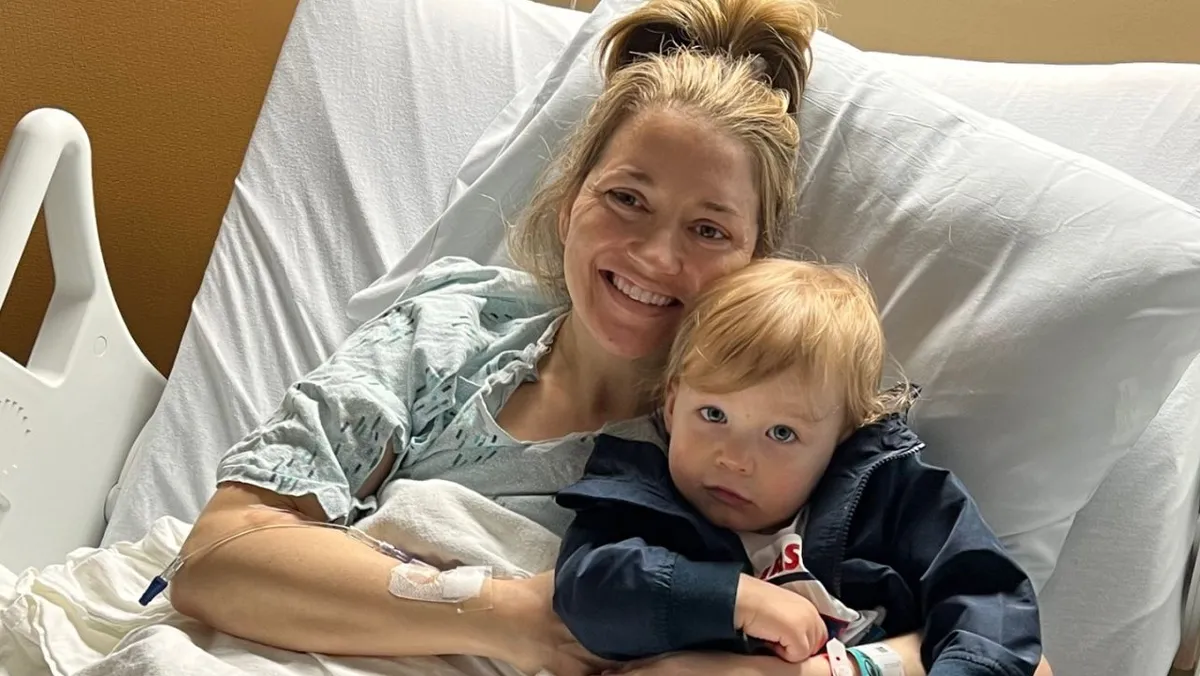
When Kate Cross first noticed blood in her stool, she was pregnant, 31, exhausted constantly and iron-deficient, setting up transfusions to support her prenatal care. She voiced these concerns to her obstetrician, but at every visit, she was told the same thing: 'This is just what pregnancy feels like.'She thought, "Wow, pregnancy sucks," but continued to trust her doctor's judgment.When Jenna Scott was approaching her due date, she experienced severe abdominal cramping, rectal bleeding, nausea and vomiting. Doctors said her symptoms were due to pregnancy hemorrhoids and that the baby was “just pressing on her organs."But within a year of giving birth, both women were diagnosed with colon cancer.Scott and Cross say they never felt fully heard or taken seriously by the medical system during or after their pregnancies – an experience not uncommon among women navigating reproductive health care."Looking back, 100% they did not take me seriously," Scott says. "It wouldn't have hurt to just tell me that I should talk to someone else and get a second opinion. (The obstetrician) just automatically tied it to pregnancy, and that was it."Doctors say it’s common for symptoms of pregnancy and colon cancer to overlap, and that’s exactly why some diagnoses get missed. Dr. Cedrek McFadden, medical advisor to the Colorectal Cancer Alliance, says distinguishing between the two comes down to active listening and being willing to reassess symptoms, especially as they progress, rather than “anchoring too early on one explanation.”With the rise of cancer in young people, McFadden says doctors across every specialty have to readjust their diagnostic protocols. According to the National Cancer Institute, colon and rectal cancers make up about 7.6% of all new cancer cases, and the American Cancer Society estimates there will be 108,860 new cases of colon cancer in 2026. The death rate from colorectal cancer has been dropping by about 1.5% per year in older adults throughout the past decade. However, among people under 55, death rates have been increasing about 1% per year since the mid-2000s.“Younger onset colorectal cancer is no longer rare enough to ignore in the differential diagnosis,” McFadden says. “We need to stop using age alone as reassurance when symptoms keep showing up.”Doctors told her 'it’s probably hormonal'After giving birth to her son, Cross noticed that the symptoms were not going away. For months, she struggled to use the bathroom and continued to notice blood in her stool. Likewise, Scott’s symptoms persisted for months, even resulting in "18 days straight" of heavy vaginal and rectal bleeding, but she says her obstetrician continued to dismiss them. “I didn’t know what was going on,” she says. “I had had a C-section, so (the doctors) are still saying, ‘Oh, you’re still healing. We’ll change your birth control, because it’s probably hormonal.’ They were giving me all these things, except what I needed.” She found a primary care physician, who she says finally listened and took her seriously. He referred her to a gastroenterologist, who tried to treat her for irritable bowel syndrome (IBS), to no avail. She then saw a specialist, who − despite saying she was "way too young" to be in his office − ordered a colonoscopy to “rule out anything serious.”Two weeks after her son’s first birthday, she awoke from the colonoscopy surrounded by four nurses, her husband and a doctor.“(The doctor) said he didn’t need to send my samples off to pathology because he knew, in fact, that I had cancer,” she recalls.When she met with her oncologist to review the results, she was diagnosed with stage four metastatic colon cancer, which has since spread to her liver, lungs, and the lymph nodes around her lungs.After a colonoscopy, Cross was also diagnosed with colon cancer, stage three. She was 32 and her son was only six months old.Rectal bleeding can be a crucial symptomPregnancy and the postpartum period can cause constipation, hemorrhoids, fatigue, abdominal discomfort, iron deficiency, bloating and even changes in bowel movements − symptoms also apparent with colorectal cancer.Rectal bleeding during pregnancy is often caused by hemorrhoids, but McFadden says it shouldn't "automatically be dismissed just because someone is pregnant.""Persistent bleeding deserves attention, especially if something about the story feels off," he says.Crucial concerns include when the bleeding is persistent or worsens, or comes with other changes like anemia (iron-deficiency), abdominal pain, major fatigue or bowel changes that are new for the patient."One thing younger patients say over and over after diagnosis is that they knew something was not right long before anyone connected the dots," McFadden says. "That is something the medical community has to hear more clearly."'You know your body better than anyone'For Cross, being a new mom while navigating treatment came with its own set of fears. She felt like it wasn't fair to her son − she was tired, sick and couldn't move or pick him up after treatments."I felt like I was being a bad mom," she says. "Realistically, I know that was not the case... but you can't help that."Cross is now three years cancer free − after radiation, nine rounds of chemotherapy and multiple surgeries. Still, some days are difficult due to lasting side effects.Throughout her experience, she shied away from talking about it much. She says she was embarrassed even to tell her husband about her symptoms at first, but wants other women who may find themselves in her shoes to "break that stigma" of talking about bowel movements and colorectal cancer.For pregnant women experiencing symptoms that feel unusual, Scott says that "you know your body better than anyone," and to "always get a second opinion."Getting screened early is the best way to promote better health outcomes."It's important because nine years later, I'm still in treatment," she says. Her cancer has come back three times and spread further, getting more aggressive each time. She feels like if she had caught it even a year sooner − had someone taken her seriously from the start − she may have had a better chance at remission."This is now indefinite," she says. "It's a life adjustment."