See more Daily Mail on Google - save us as a Preferred SourceBy JAMES TAPSFIELD, UK POLITICAL EDITOR Published: 10:00 BST, 21 May 2026 | Updated: 10:12 BST, 21 May 2026
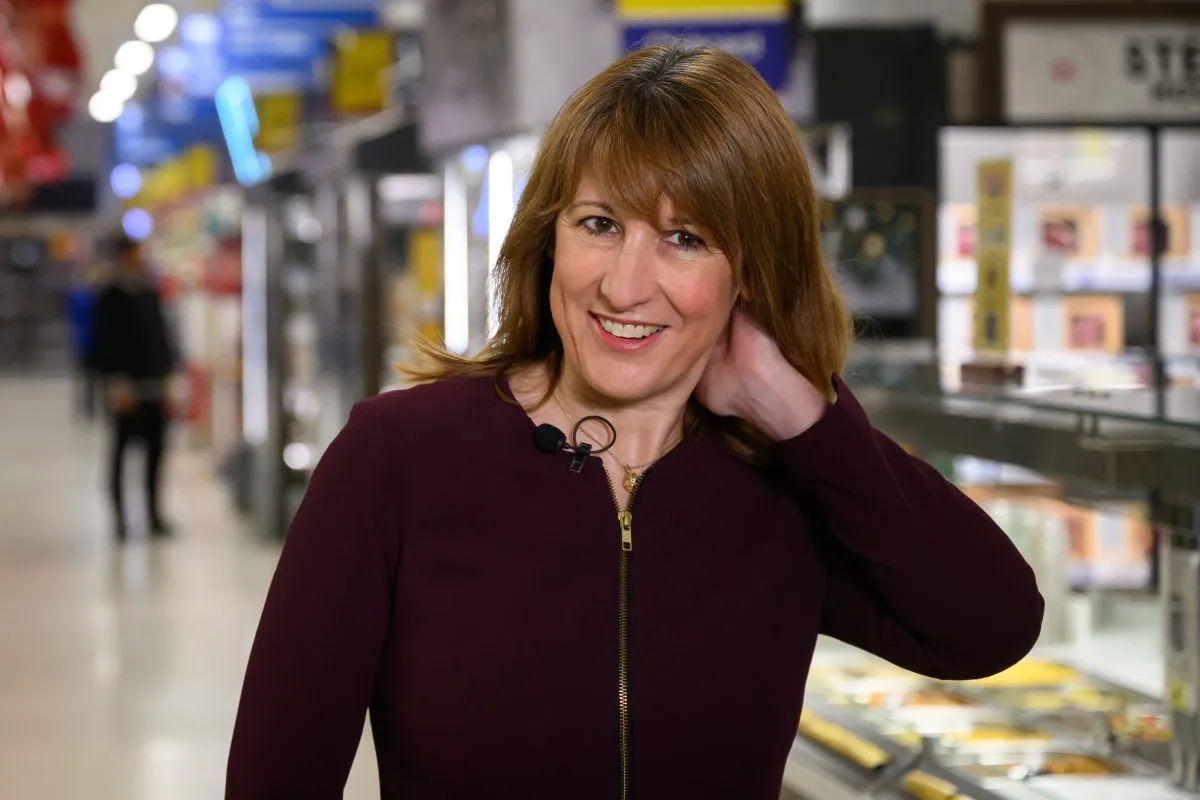
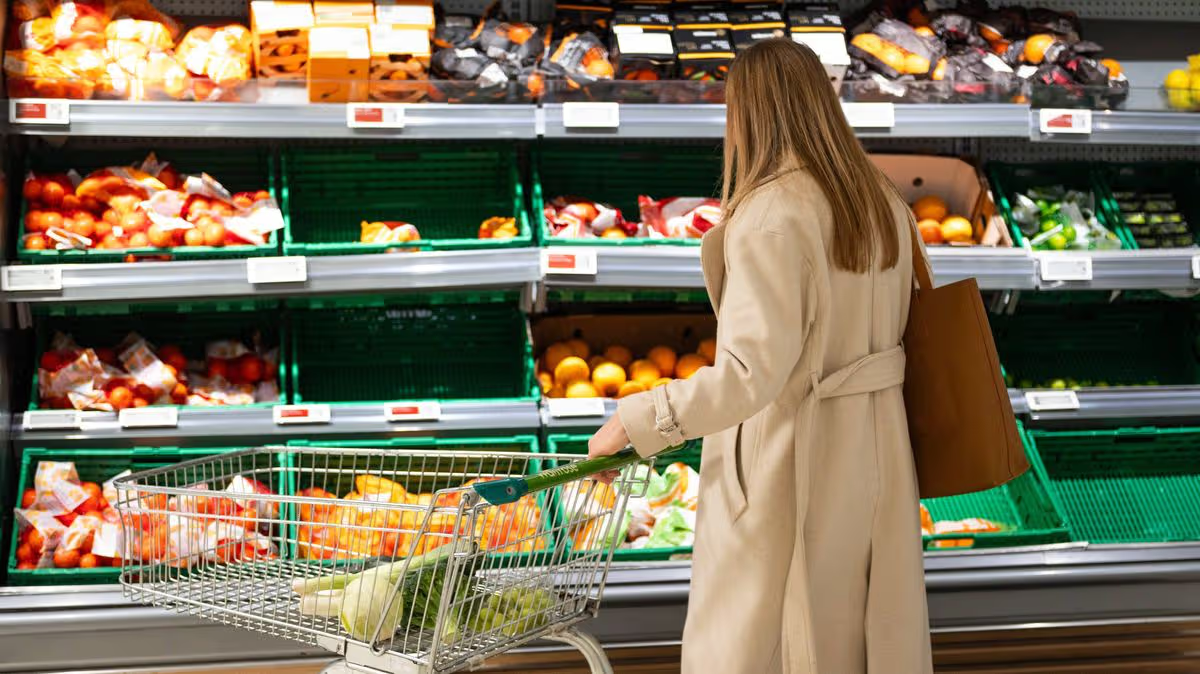
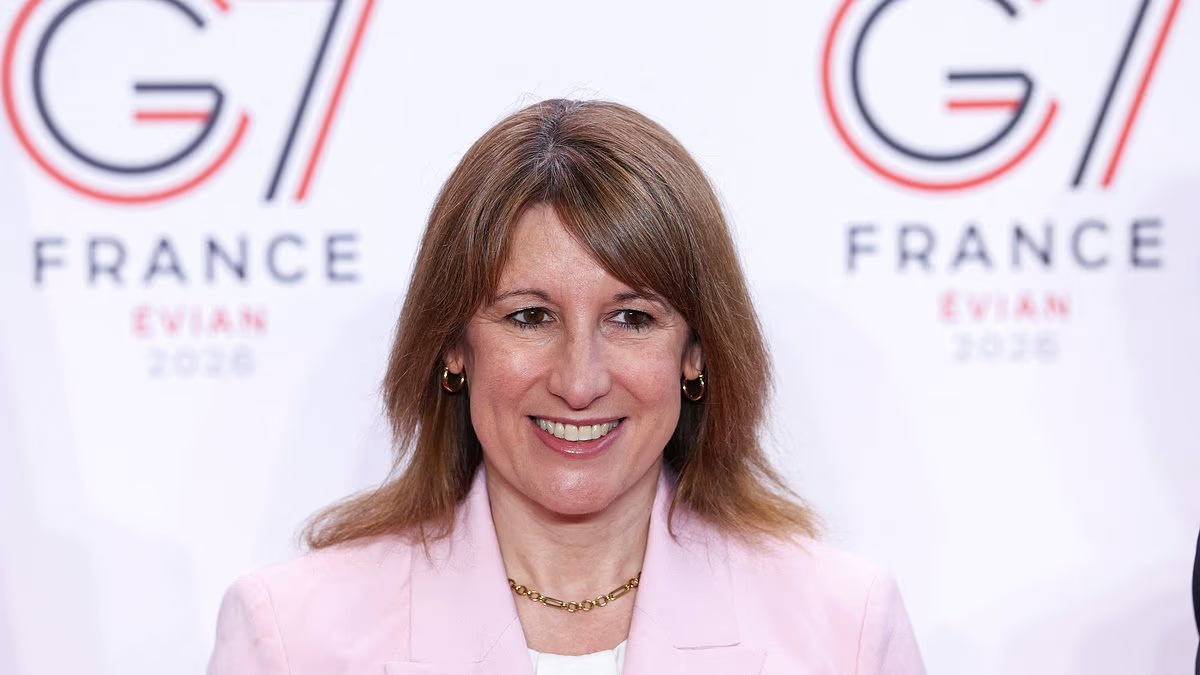
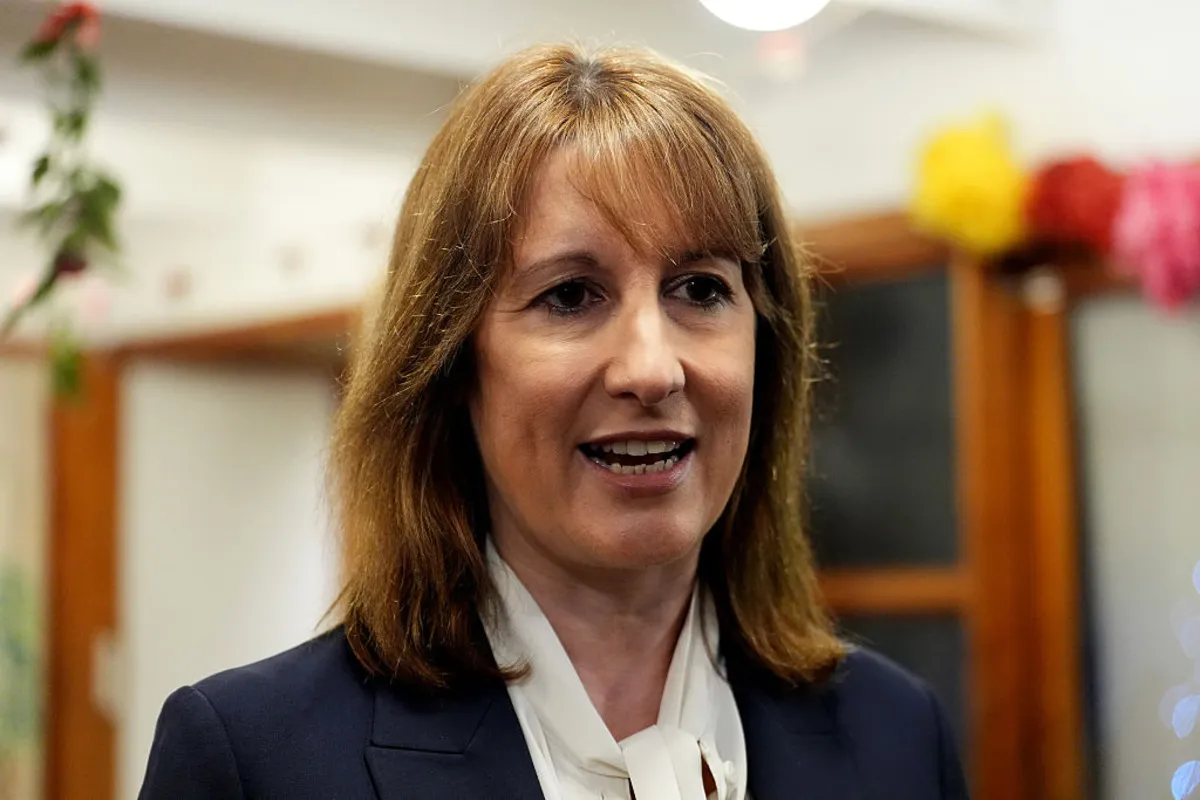
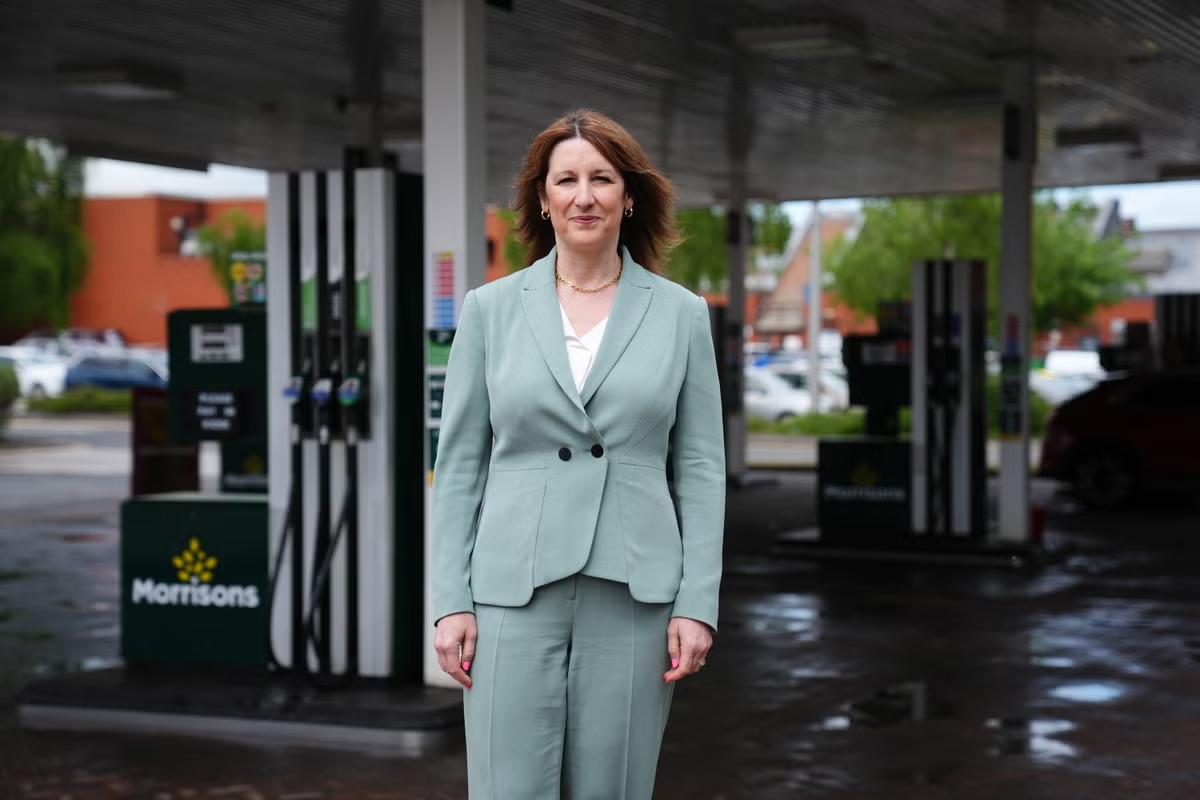
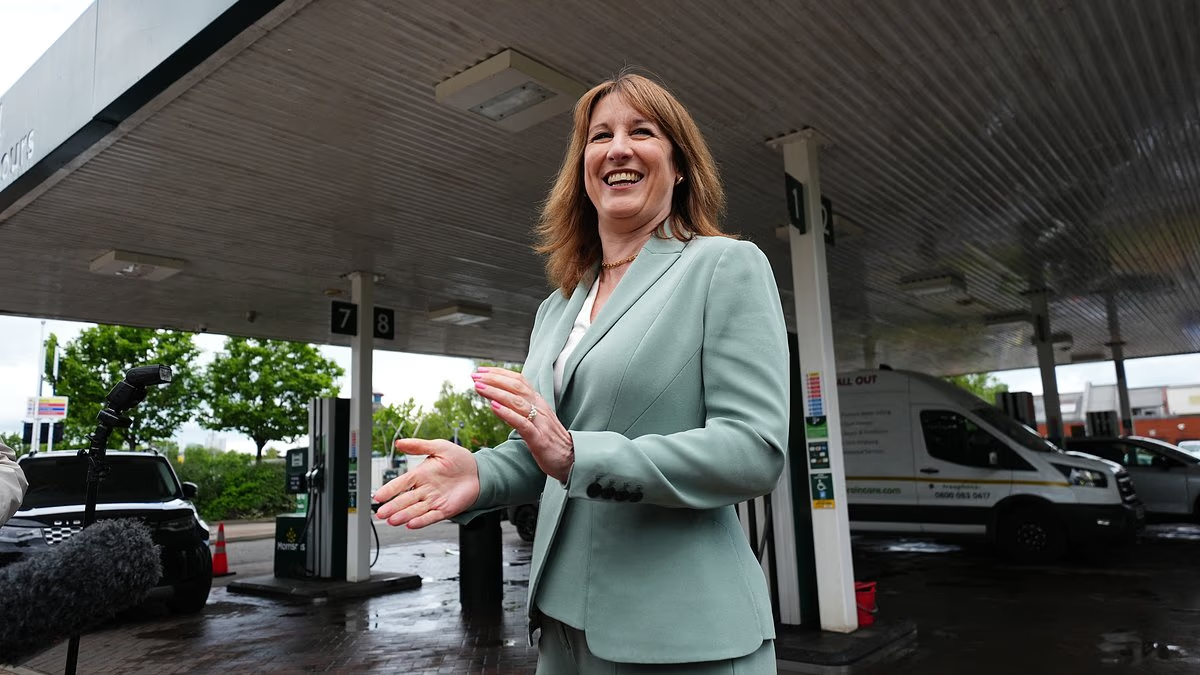
Rachel Reeves has backed off plans for price caps on shopping essentials after a furious backlash.The Chancellor is expected to avoid mentioning the idea in a big speech later on how she will respond to the looming 'Trumpflation' hit.The shift came after supermarkets and even the Bank of England lined up against the 'completely preposterous' concept, while Kemi Badenoch branded it 'Soviet'.It had emerged the Treasury was pushing supermarkets to cap the cost of essentials such as eggs, bread and milk. That was despite ministers branding an SNP price-fixing scheme in Scotland 'bananas'. The proposal was described as 'mad' by one City analyst, while Bank of England governor Andrew Bailey told MPs price caps were 'not sustainable' in the long run. Chancellor Rachel Reeves is expected to avoid mentioning the idea in a big speech later on how she will respond to the looming 'Trumpflation' hitTreasury Chief Secretary Lucy Rigby said in a round of interviews this morning: 'I'm happy to be able to tell you we're not introducing mandatory price caps.'What there have been are discussions between the Chancellor and the supermarkets, as indeed there've been discussions with other industries too, about how we try and put some downward pressure on prices so that we can be helping people with the cost of living.'Ms Reeves will use a Commons statement to trumpet import tariffs cuts on more than 100 types of product, saying it will save consumers more than £150 million a year.The Chancellor also set out a 'Great British Summer Savings' scheme, including free bus travel for children in England during the school holidays in August.She will give details of policies to tackle the cost-of-living squeeze triggered by Donald Trump's war in the Middle East.However, Ms Reeves is not expected to announce any immediate help with rising energy bills.The household energy price cap is predicted to rise by £209 a year from July after the closure of the Strait of Hormuz pushed up global oil and gas prices.The Government has made clear it will wait until September before finalising any package of targeted support for households over the winter months, when more energy is used.The plan to suspend tariffs on some food imports is part of the Government's wider effort to combat rising prices.The full list of products will be published next week but is expected to include biscuits, chocolate, dried fruit and nuts.Mr Bailey told the Treasury Select Committee: 'If you start doing it as a matter of course then effectively you're artificially moving prices relative to costs and that's not a sustainable thing.' M&S chief executive Stuart Machin said ministers should instead consider reversing the tax and red tape burdens they are piling on to firms which are driving up costs.'It's completely preposterous,' he added. 'I don't think the Government should be trying to run business. I think they should be trying to probably understand business better.' Bank of England governor Andrew Bailey told MPs price caps were 'not sustainable' in the long runHe said retailers were already working to keep prices down at a time when businesses are facing a 'triple whammy' of higher costs from tax, red tape imposed by the Government, and disruption caused by the Iran war.Justin King, ex–boss of Sainsbury's, told Sky News: 'Competition is what keeps prices honest and this is a very competitive market.'Louise Hellem, chief economist of the CBI, Britain's biggest business group, said: 'Retailers are already competing fiercely to keep prices low for customers.'The row overshadowed better than expected figures showing inflation fell from 3.3 per cent in March to 2.8 per cent in April.The figures, which showed food inflation is falling, revealed retailers were 'taking a big responsibility to try and minimise passing through prices' to customers, Mr Machin said.