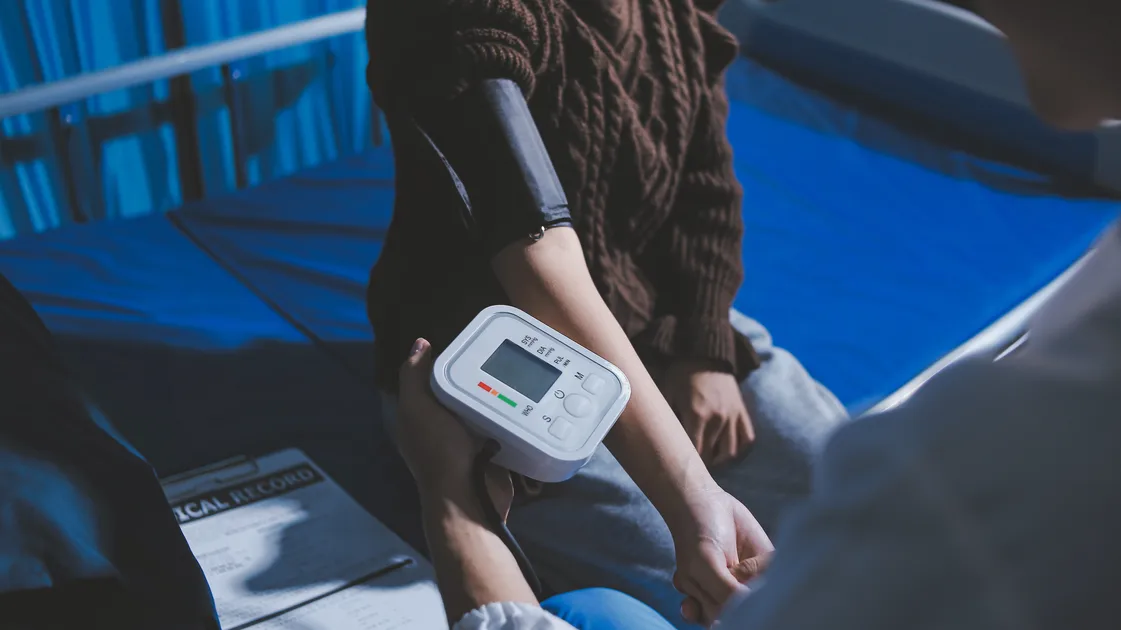
Going to the doctor when you’re not sick, just to make sure your body is functioning as it should be, is top-notch, award-worthy adulting behavior. If you’re scheduling your yearly physical and going without whining or resisting, we applaud you.Some of us, however, are more “every couple of years” types of people who fear the needle stick and uncomfortable conversations — but still know how important it is to take a good, hard look at yourself every once in a while. Everyone has a different level of anxiety around going to the doctor, and that’s totally understandable.Regardless of when you get around to that wellness check, there are a few insider tips for making it as fruitful as possible and we — Raj Punjabi-Johnson and Noah Michelson, co-hosts of HuffPost’s “Am I Doing It Wrong?” podcast — really want to share via our guest expert, Dr. Milna Rufin, an internist at NYU Langone Hospital and the clinic site director of their residency program.On this week’s episode, we learned how to get the very most out of a doctor’s visit — particularly your yearly wellness visit. It can be a nerve-wracking experience to hold up a mirror to yourself while an almost-stranger examines you and analyzes what you could be doing better.Click here to listen to the full episode.But the reality is that it’s an opportunity to figure out how you could be living your best, healthiest life. And some of that anxiety can be tempered if you find a physician you actually like and then foster a relationship of trust with them.At that point, it might feel easier and more natural to participate in your yearly physical — especially in one particular way. Rufin tells us there’s crucial pre-appointment prep that could make all the difference in that 30-minute appointment: brushing up on your family medical history.“There’s a little bit of homework that really helps to do in the weeks before going to your doctor for your annual wellness check. Talk to your family members,” Rufin told us, speaking specifically about parents, siblings (even if they’re half-siblings), your parents’ siblings and your grandparents. “Get updates on what their medical issues are or were.”Rufin says that even if your grandparents are no longer living, it can be very helpful to know which ailments or conditions they began experiencing in their 30s and 40s. “If you have the opportunity to ask your parents, if you have a relationship with them where you can ask things like that, it’d be super helpful to have the family medical history,” she said.“[Genetic indicators] are super important and I am looking at that heavily and I often want to know what ages that people had these things,” Rufin added. “The buckets I really think about are cancer: history of cancer, how old they were when they were diagnosed. So if someone had prostate cancer when he was 70, I’m probably not as worried as if you say that your dad had cancer when he was 35. My spidey sense will elevate because of that.”Another example Rufin gave is cardiac disease; she always wants to know if anyone in your family has had a heart attack, stroke, or any heart problems. She also suggests telling your doctor about any family members’ diabetes or cholesterol issues.All of this information can shape the kind of care or precautions you might need to take earlier in your life. “That’s the homework I love when patients have, beforehand,” Rufin said.During this episode, we also discuss which labs you might want to request, which of your vices you should be brutally honest about, and whether you should ever opt for one of those shiny, new full-body scans being touted on TikTok, so click above to hear the full episode or listen wherever you get your podcasts.Have a question or need some help with something you’ve been doing wrong? Email us at AmIDoingItWrong@HuffPost.com, and we might investigate the topic in an upcoming episode.
The Crucial Piece Of Homework You Shouldn't Forget To Do Before Your Yearly Physical
This pre-appointment prep could make all the difference.
660 words~3 min read