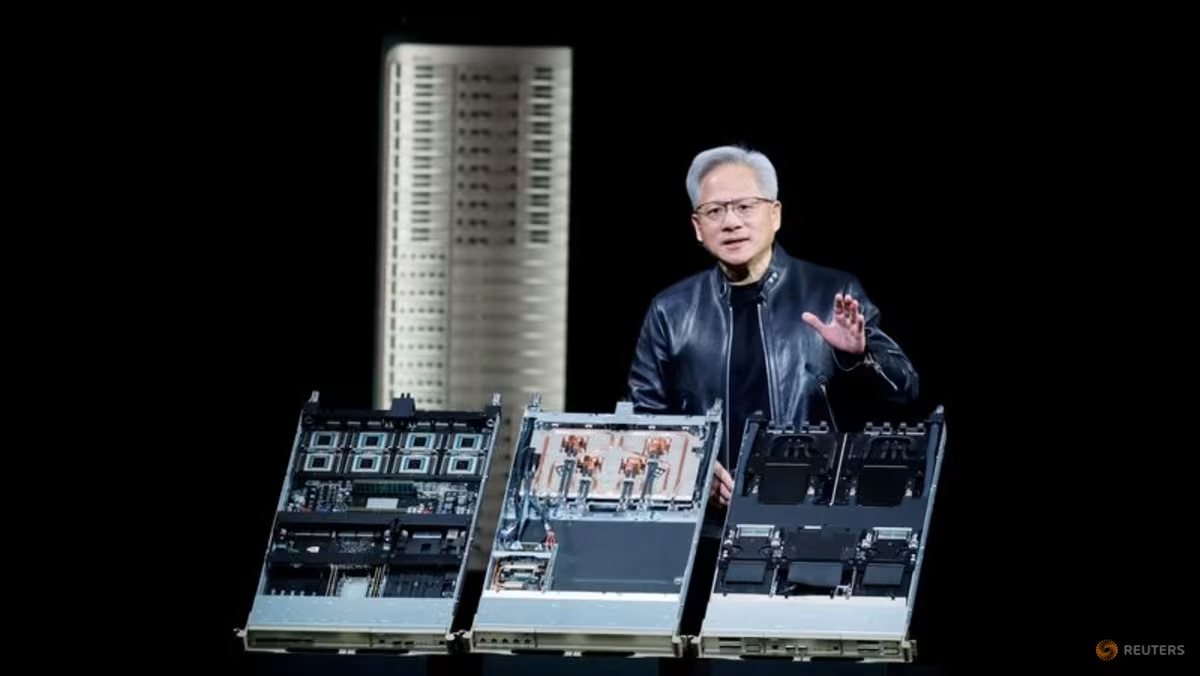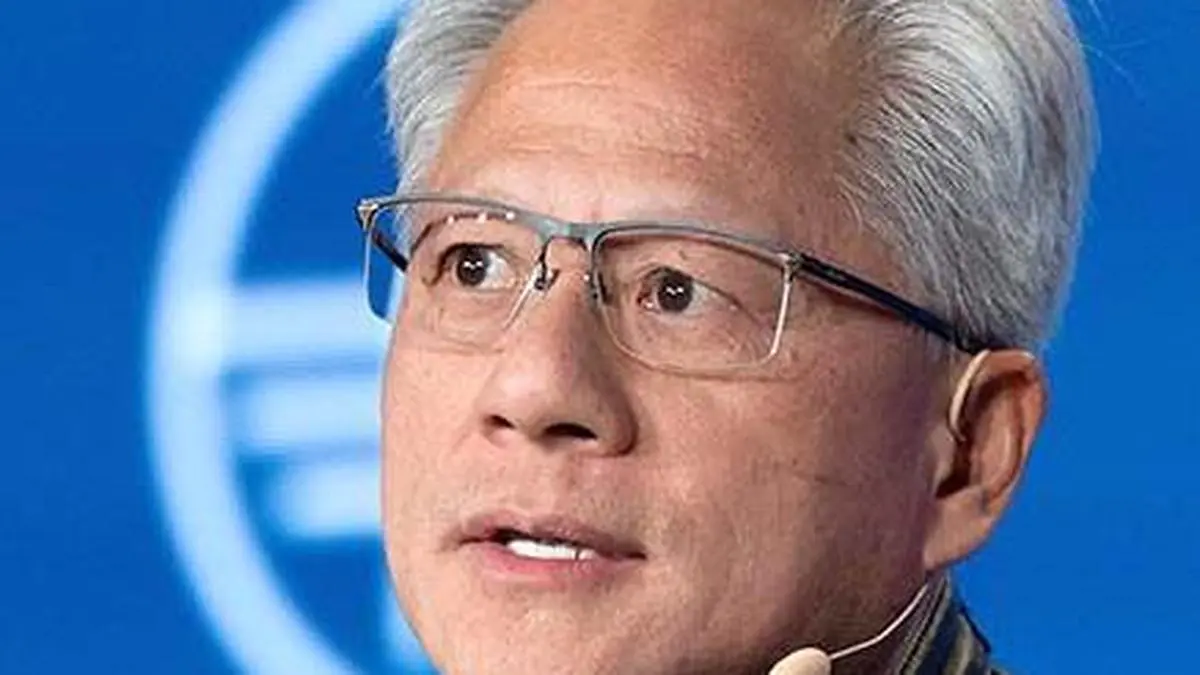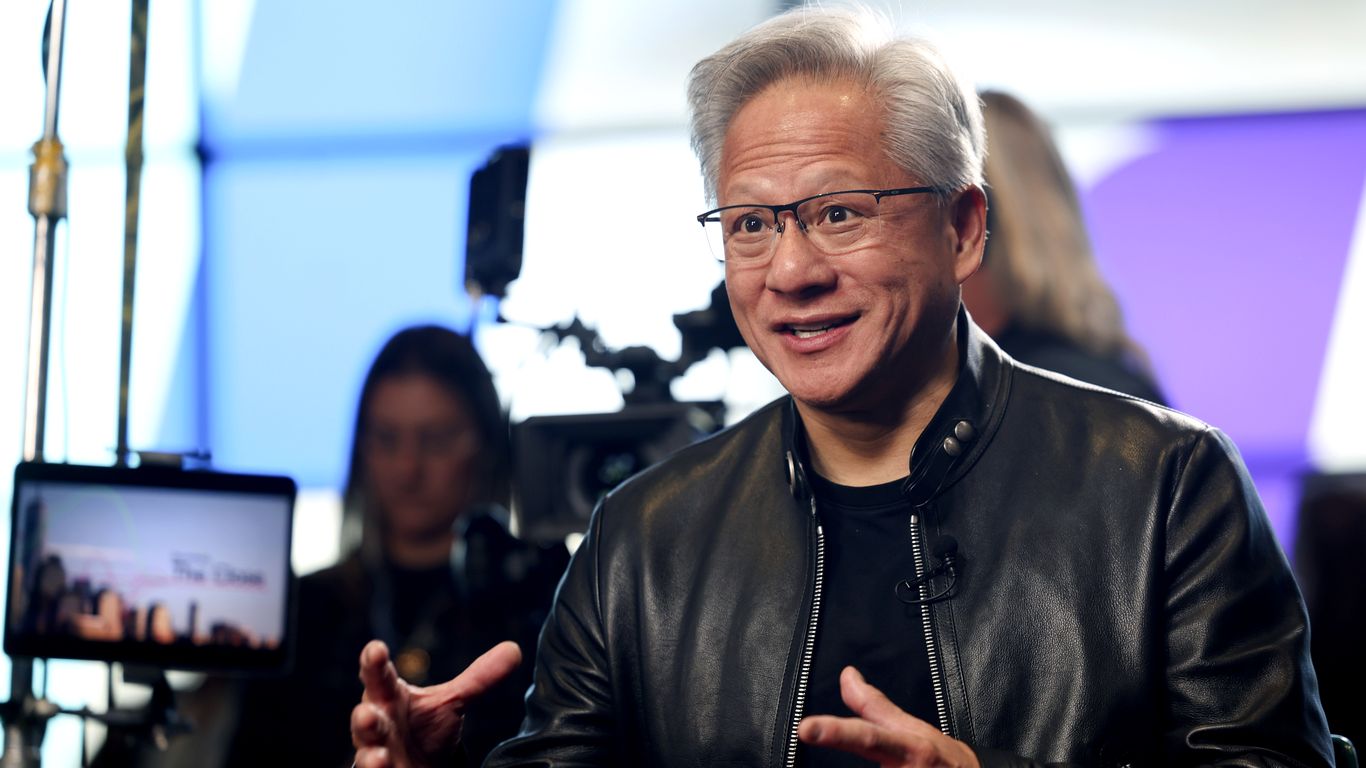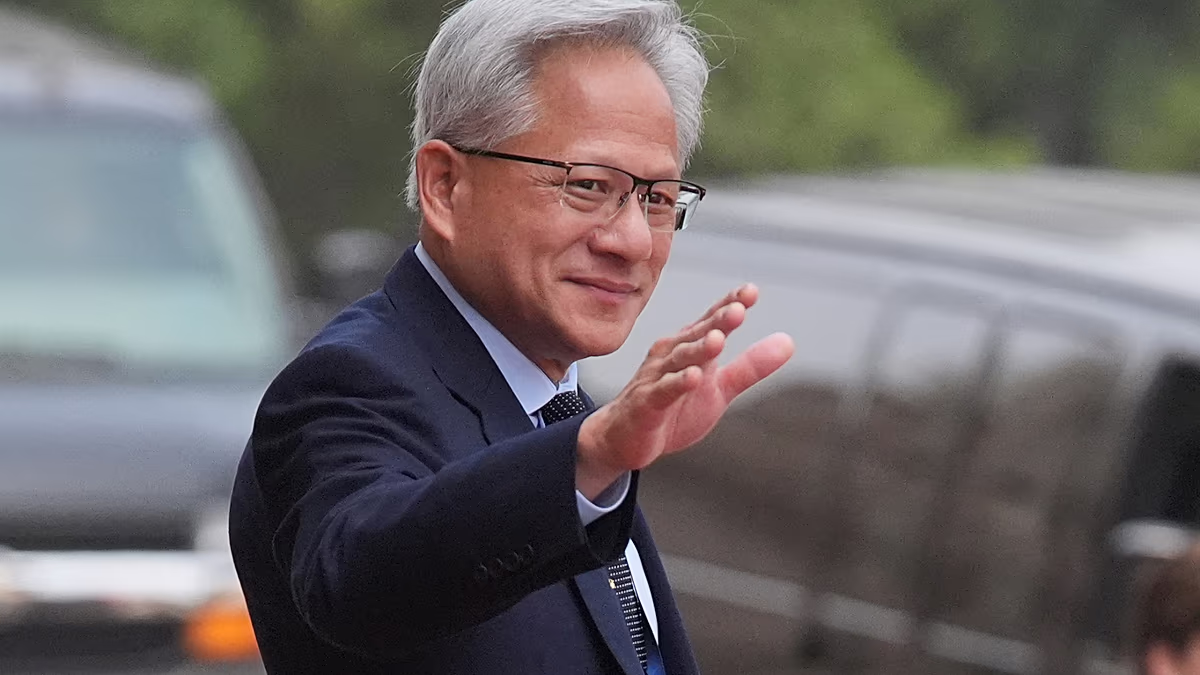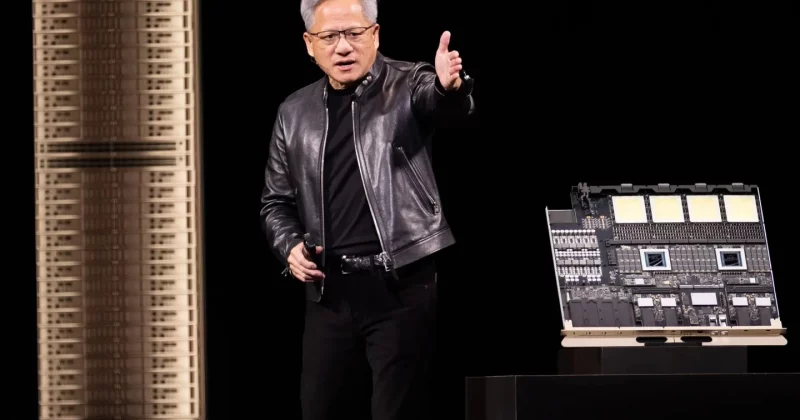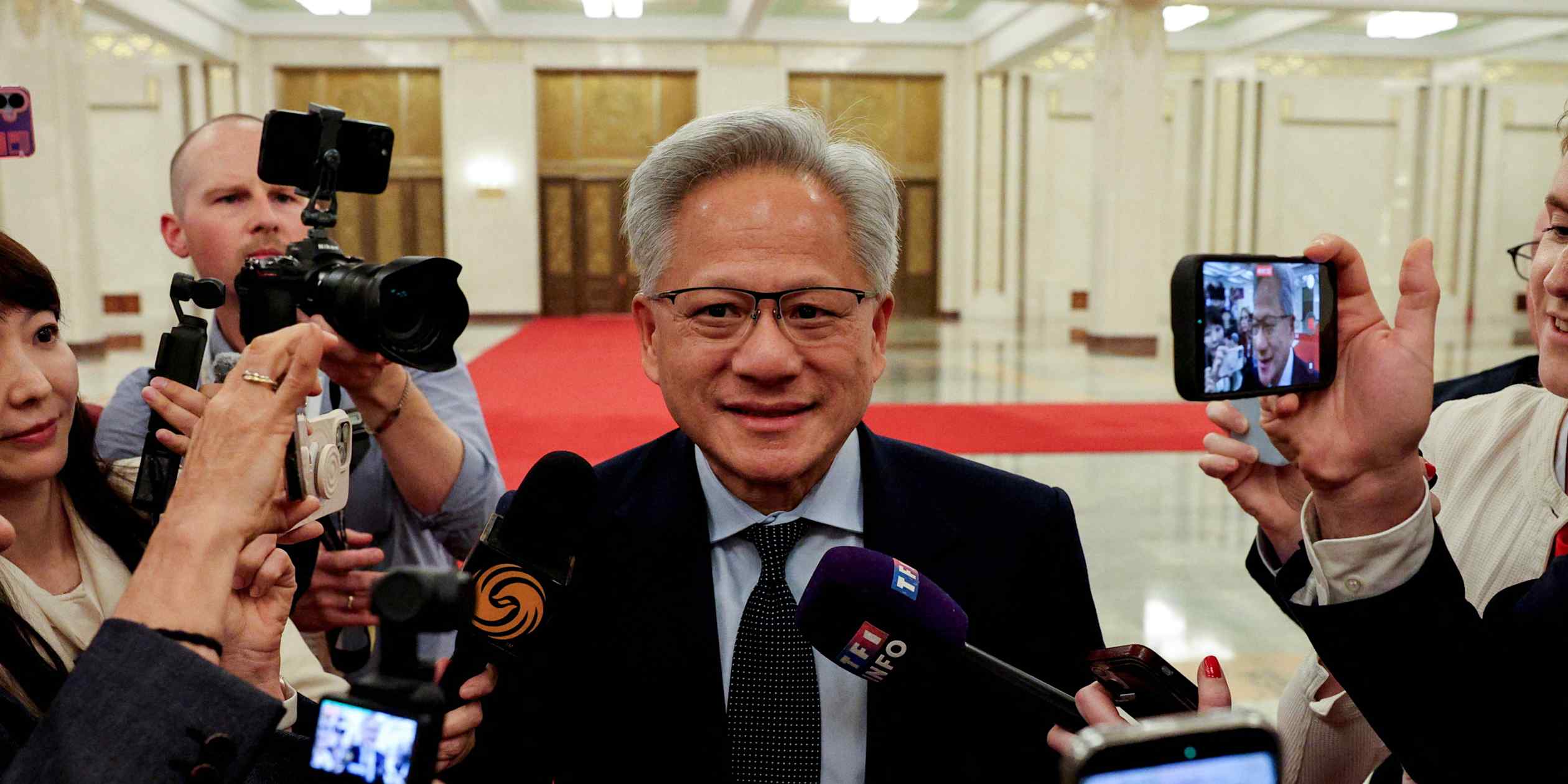
By Stephen Nellis, Max A Cherney and Zaheer KachwalaBengaluru — Nvidia CEO Jensen Huang on Wednesday aimed to assure investors that the world’s most valuable company can keep up its blockbuster growth with the help of a broad base of customers and that new products will help it beat the $1-trillion in sales it has forecast for its flagship AI chips.Shares fell 1.6% in extended trading, however, a sign that investors believe Nvidia will face tougher competition even though it forecast second-quarter revenue above Wall Street estimates and announced an $80bn share repurchase programme.Nvidia expects revenue of $91bn, plus or minus 2%, compared with estimates of $86.84bn, according to data compiled by LSEG.The company’s results are largely considered a barometer for the AI market’s health, as its chips are used in virtually every major data centre in the world, powering the largest and most advanced AI models.“Nvidia delivered another beat, but at this point that’s essentially priced in as it keeps beating quarter after quarter,” said eMarketer analyst Jacob Bourne. “The lingering question is whether it can convince investors the AI buildout has durability into 2027 and 2028, especially as the narrative shifts toward inference workloads and competing silicon from Google, Amazon, AMD, and Intel.”The company also said it would increase its quarterly cash dividend to 25c per share from 1c. Spending on AI infrastructure continues to grow rapidly, with US tech giants, including Alphabet, Amazon and Microsoft, expected to spend more than $700bn on AI this year, a sharp jump from about $400bn in 2025.’Hyperscale” customers’Huang told analysts on a conference call that he believes Nvidia will grow faster than those “hyperscale” customers, pointing to a new sub-segment of customers in its data centre business that includes AI-specific cloud firms. Sales to those customers were roughly equal to the large cloud players, but grew faster quarter on quarter.“We should be growing faster than hyperscale capex,” Huang said.While heavily relying on Nvidia’s expensive processors, many of Nvidia’s biggest customers are also pouring funds into developing their own custom chips to run models, posing a risk to Nvidia’s long-held dominance over the chip industry. Nvidia is facing competition not only from big tech but also from other chip rivals, including Intel and Advanced Micro Devices, which have touted a large revenue opportunity from selling CPUs to serve the inference market. Nvidia has made moves to defend its position. It unveiled a new central processor and AI system built on technology from Groq ― a chip start-up specialising in inference ― in March.Vera central processorsDuring the conference call, Huang said Nvidia’s new “Vera” central processors give it access to a new $200bn market. Nvidia expects $20bn in revenue from Vera chip sales by the end of this financial year, which Huang confirmed was not included in the company’s earlier $1-trillion estimate of Blackwell and Rubin AI chips in 2025-27.“I expect (Vera) to be the second largest sales contributor beyond the $1-trillion in Blackwell and Rubin chips, Huang said during the call. “All of our customers are quite excited about Vera.”But Huang also conceded that “my sense is that we’ll be supply-constrained through the entire life of Vera Rubin,” referring to a technology platform that combines both chips and will launch later this year.Nvidia is spending heavily to ensure it does not hit supply-chain snags during a global memory chip crunch. Nvidia said on Wednesday that its supply rose to $119bn in the financial first quarter, up from $95.2bn the previous quarter.Nvidia reported first-quarter revenue of $81.62bn, beating analysts’ average estimate of $78.86bn, according to data compiled by LSEG.Data centre revenue in the quarter came in at $75.2bn, compared with the average analyst estimate of $72.8bn.On an adjusted basis, the firm earned $1.87 per share, compared with market estimates of $1.76.Nvidia also disclosed $30bn worth of cloud computing agreements, up sequentially from $27bn, which it said were to help its research and development efforts. Seaport analyst Jay Goldberg said in a research note last year that such commitment likely represents “backstops” in which Nvidia agrees to pay cloud computing companies that buy its hardware for excess capacity from those companies running Nvidia systems.
Nvidia’s upbeat outlook lifts after first-quarter revenue beats forecasts
CEO Jensen Huang says new products will help beat the $1-trillion in sales estimates
690 words~3 min read