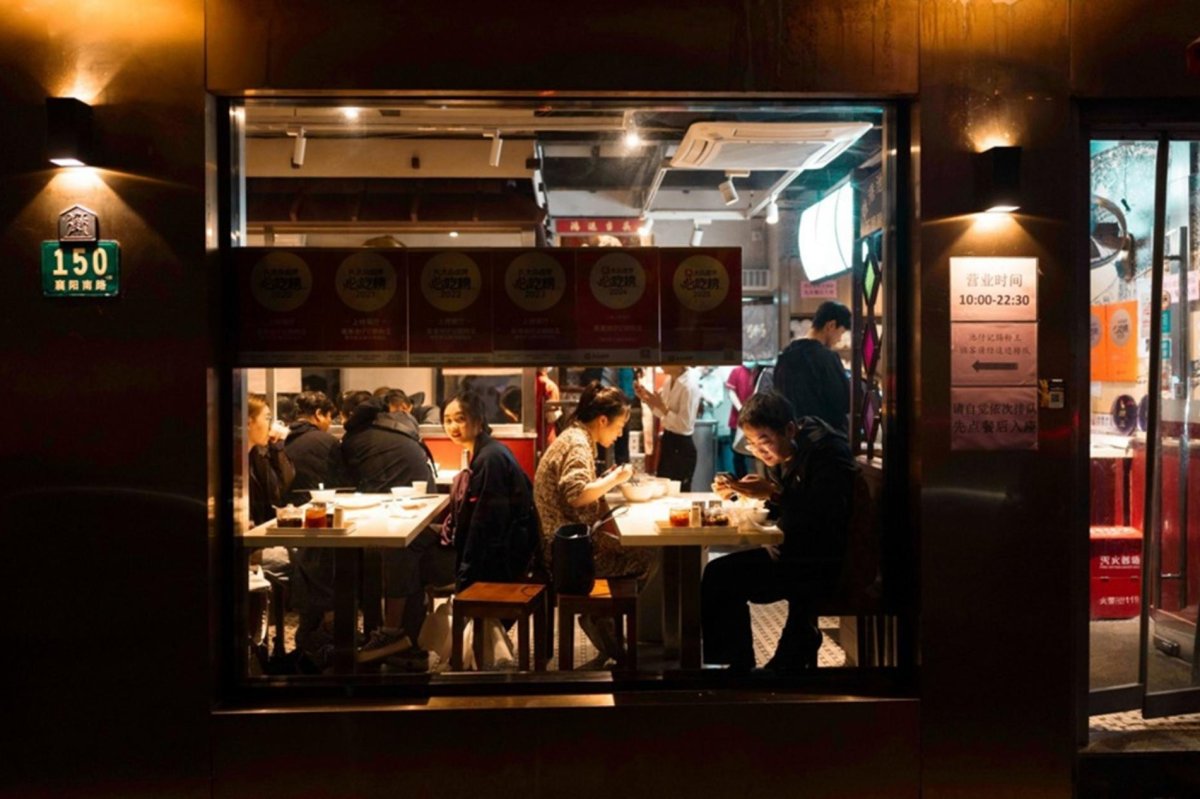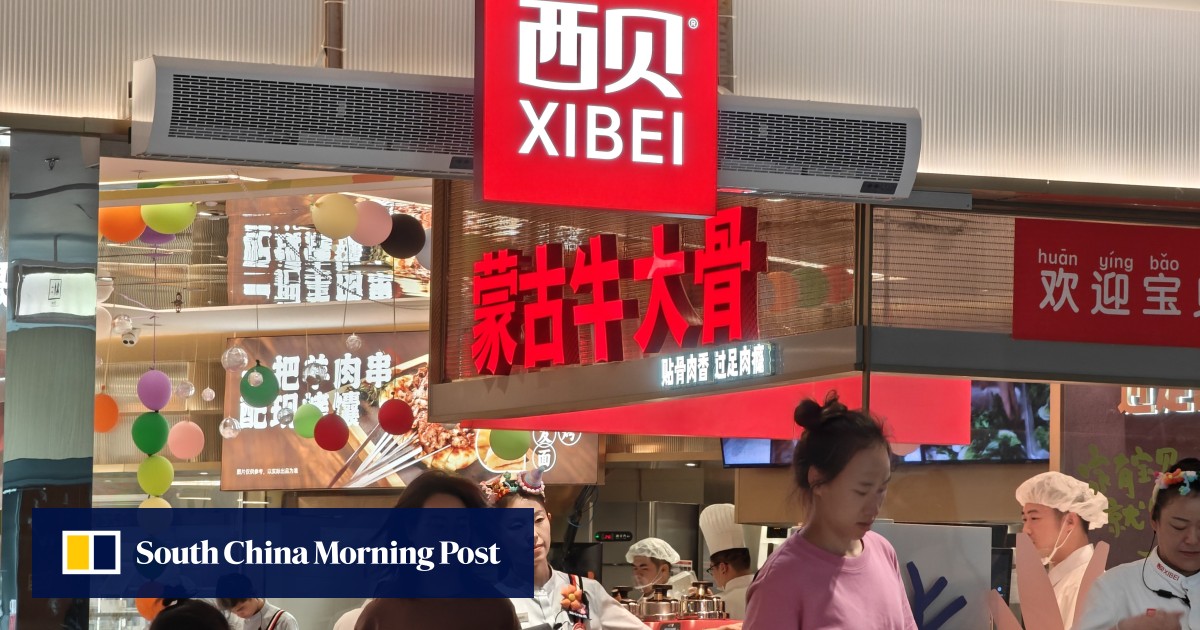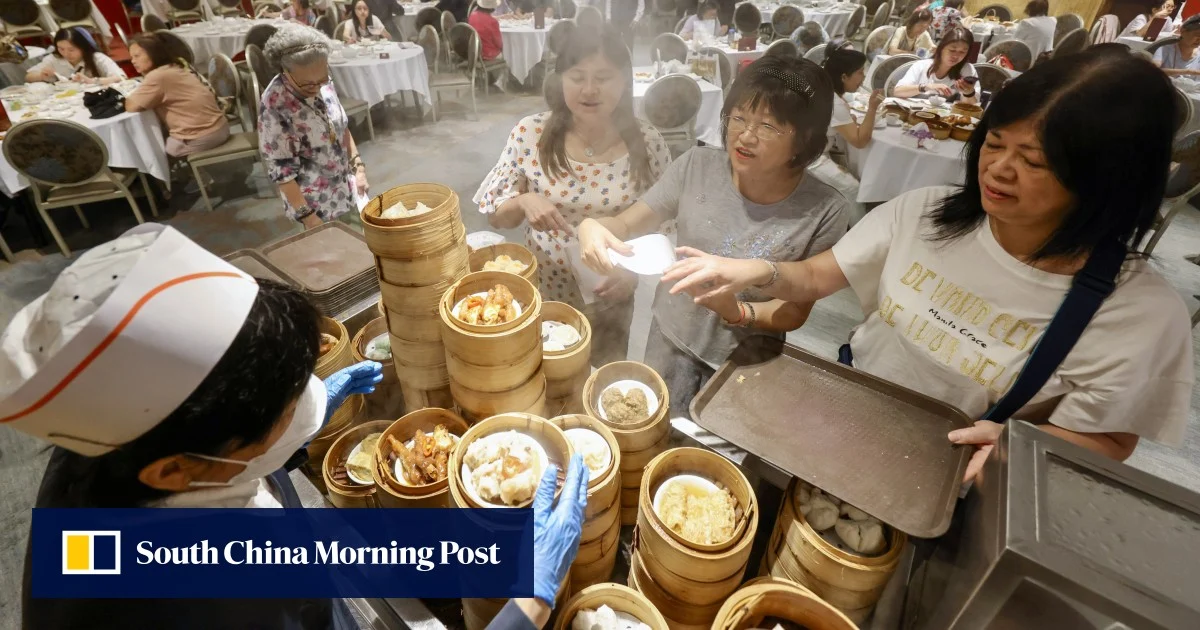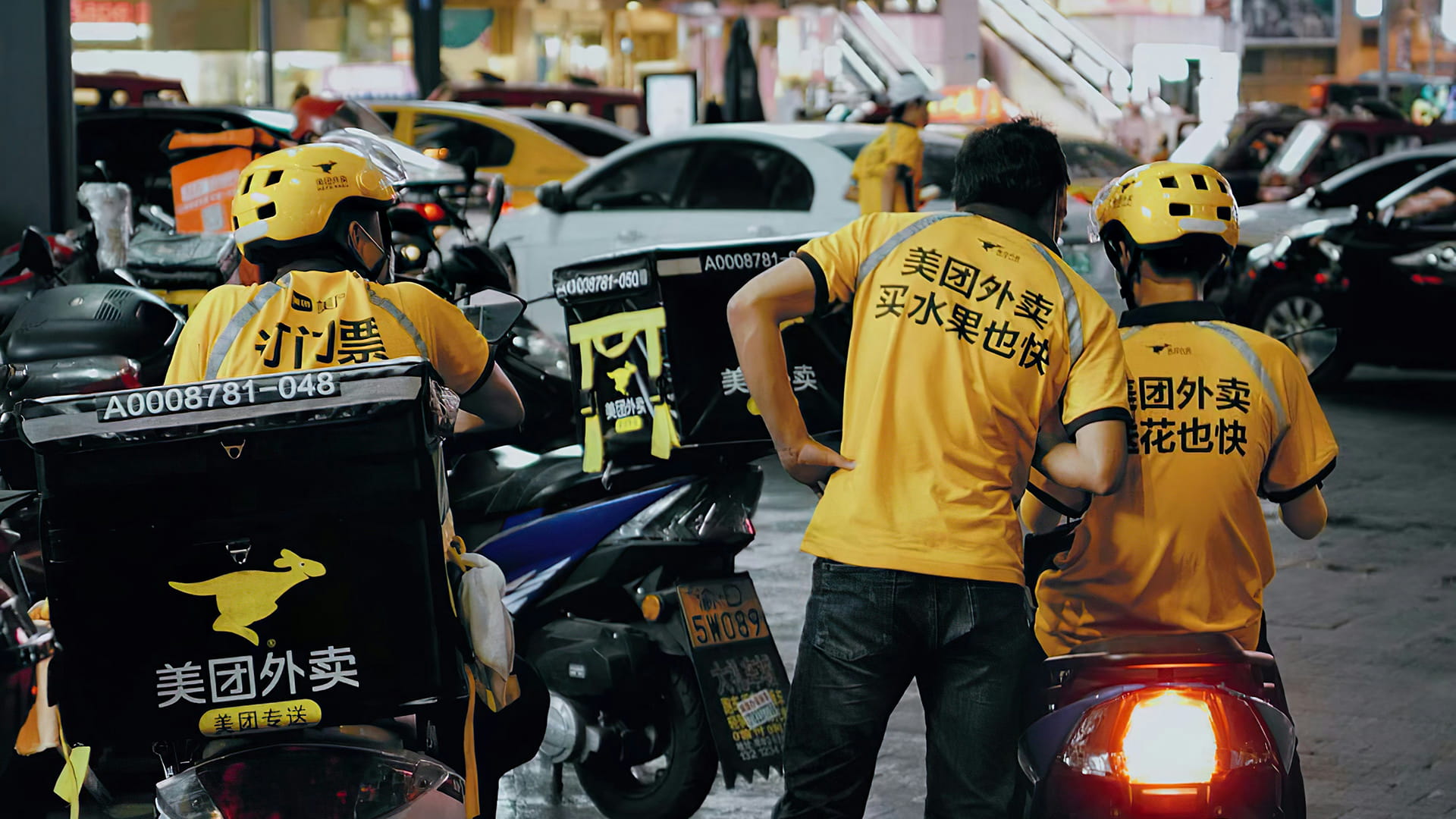
Restaurants in China are struggling to make money on dine-in meals as customers choose cheaper delivery options, adding to the pressure of a government ban on expensive official dinner parties.
The industry is undergoing a “deep correction” and faces “multifaceted challenges,” the operator of a well-known Peking duck restaurant chain warned in its latest earnings report.
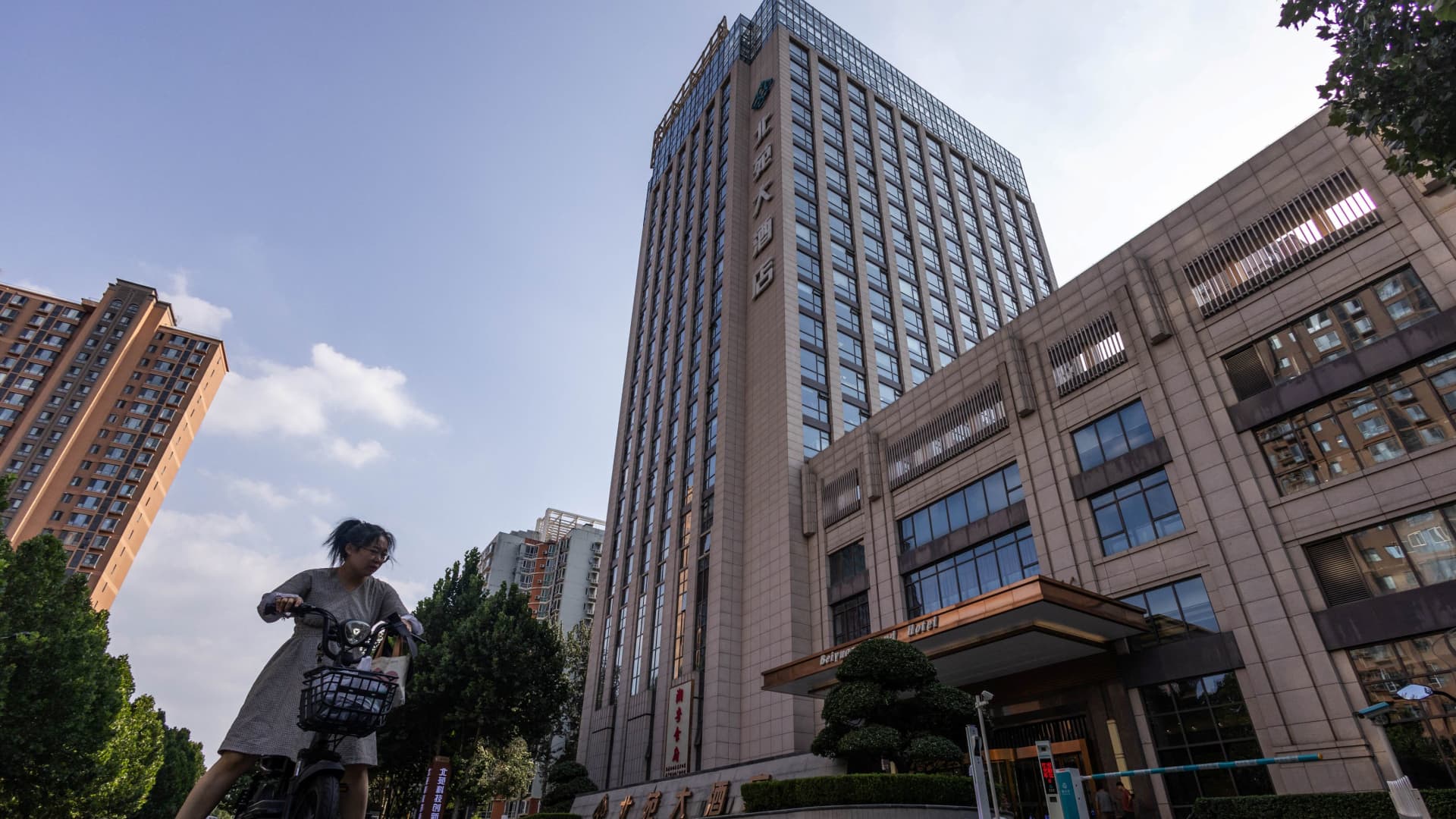
Dating back to 1864, Quanjude Group has 89 locations in China. It has seen better days. Sales dropped 11% to RMB 1.25 billion (USD 183.6 million) for the fiscal year ended December 2025 while net profit plunged 77%. Both figures fell for the second year in a row.
Tang Palace Holdings, which runs high-end restaurants in Shanghai and other major cities, is suffering, too. Its 2025 sales fell 12% to RMB 894.58 million (USD 131.4 million), and it suffered a net loss for the second year running. Business dinners are decreasing, Tang Palace’s earnings report noted.
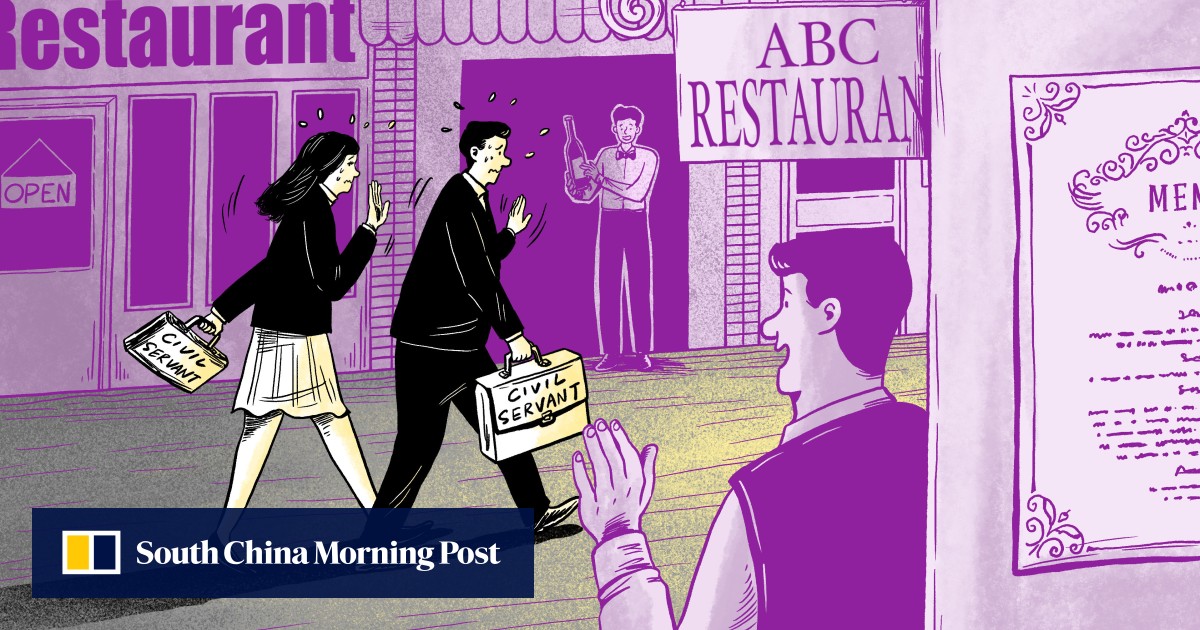
In May last year, Chinese authorities toughened rules meant to encourage frugality and reduce waste. Civil servants were banned from entertaining with expensive food and alcohol. But ordinary citizens began cutting back as well. Under austerity, a high-end brand image hurts rather than helps chains like Quanjude and Tang Palace.