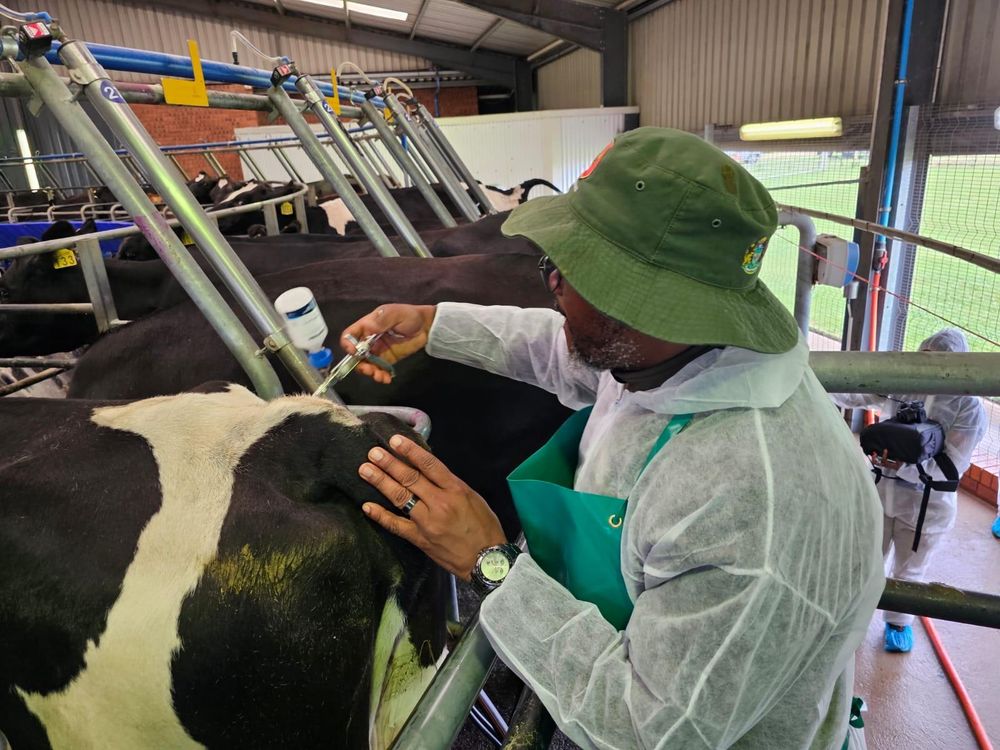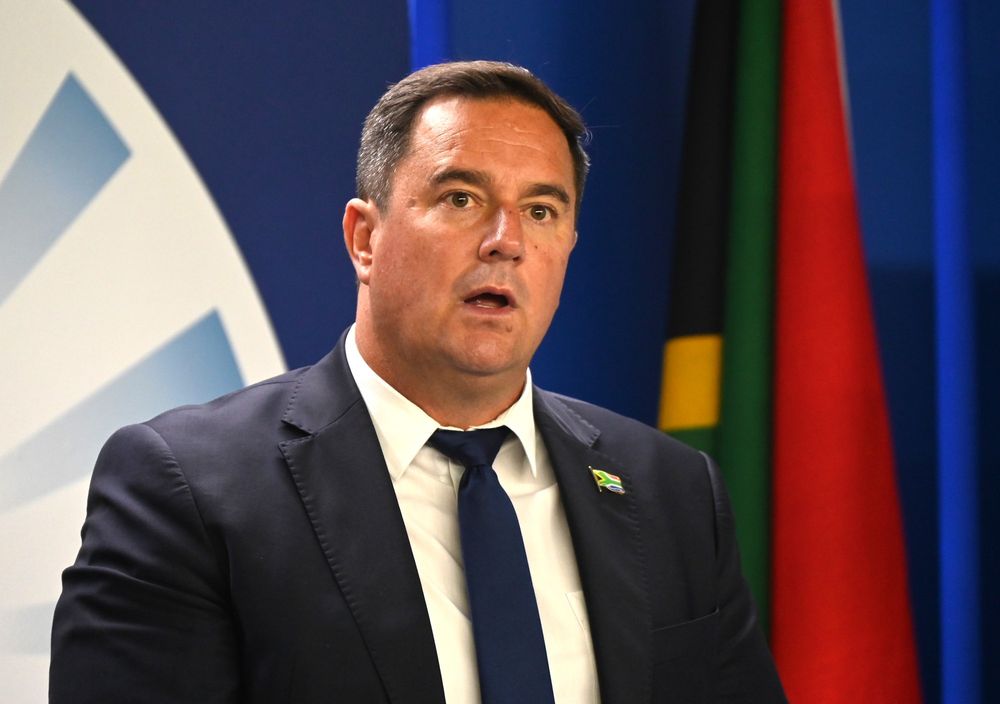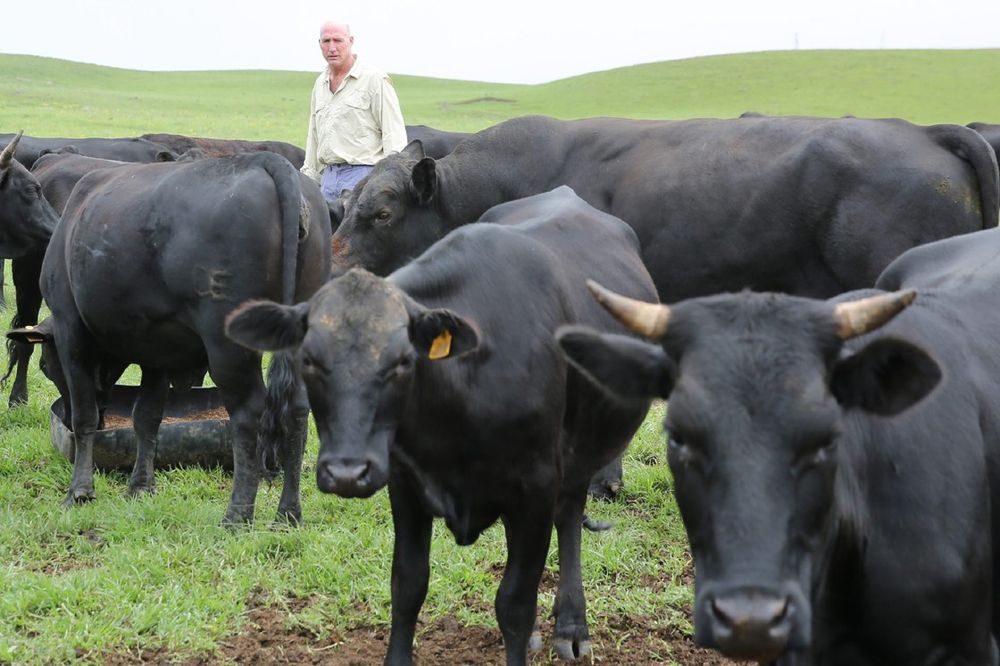
Isuzu Motors South Africa has launched a farmer relief campaign at Nampo Harvest Day as pressure grows on the government to clarify how it intends to meet its foot-and-mouth disease (FMD) vaccination targets.The company said its Farmer Solidarity Campaign will run until May 30 and centre on the Farmer Stories Fund, a relief initiative that will provide R250,000 in practical support packages to selected farmers affected by the outbreak.Farmers have been invited to submit personal stories detailing how the outbreak has affected their livelihoods, businesses and daily farm operations and how practical support could assist them. Entries can be submitted through a dedicated WhatsApp line or through QR codes available on the campaign platform.The campaign comes as the livestock sector continues to grapple with one of the country’s most widespread FMD outbreaks in years. The agriculture department has said the government is aiming to vaccinate 80% of the national herd by December, with the state covering the cost of vaccines administered as part of the national response. “For many farmers, this outbreak is not only an agricultural issue. It is a daily operational and emotional challenge that affects families, businesses and rural communities,” said Mpho Nkhumeleni, department executive at Isuzu Motors South Africa.“The Farmer Solidarity Campaign places farmers and their experiences at the centre of the conversation. As a brand with deep roots in the agricultural sector, we believe it is important to show support in a way that is practical, respectful and meaningful.”The company said the campaign includes three R50,000 relief awards.FMD Response SA, a group of more than 250 farmers and industry experts, has called for urgent clarity on the government’s vaccination targets, warning the current rollout approach will fail to stop the disease unless it is aligned with what the group described as the biological realities of FMD.The group said agriculture minister John Steenhuisen’s statements during Friday’s agriculture budget vote raised practical questions about how the government intends to achieve effective herd immunity in the required timeframe.In his speech, Steenhuisen indicated the government aims to reach an 80% vaccination mark by year’s end, and boosters will be required six months after the first round of vaccination.“If the goal is to vaccinate the country’s cattle once and then offer a booster after six months, the first vaccination round cannot run until December,” said Andrew Morphew, spokesperson for FMD Response SA.“The first animals were vaccinated in February, meaning the first round would need to be completed by August, otherwise the animals vaccinated at the start of the process will require boosters before many other animals have received their first dose.”Morphew said the central concern is not the quality of the vaccines but the speed, scale and synchronisation of the rollout. He said a vaccine that provides immunity for six months does not give the government six months to vaccinate cattle if the aim is to stop transmission.“We need a wall of vaccine to stop the virus spreading,” said Morphew. “The best way to control FMD is to ensure cattle have simultaneous immunity. This can only be achieved through vaccination at speed and scale. Waiting until December to vaccinate the country’s cattle will not achieve that objective.”FMD Response SA said vaccination has to be administered rapidly enough to create simultaneous immunity across the herd. Without tightly managed vaccination windows of six to eight weeks, the group warned, the virus is likely to persist in the environment and continue spreading between vaccinated and unvaccinated herds.The agriculture department has previously said vaccines had been distributed to all provinces and the national vaccination programme was under way, with hundreds of thousands of animals vaccinated weekly. The government has also said it has received vaccine consignments from Argentina and Türkiye to sustain the campaign. Reuters reported in February that South Africa had launched its first domestically produced FMD vaccine in two decades as part of efforts to reduce reliance on imported vaccines, though the country still needed to import most of its vaccines from countries including Argentina, Türkiye and Botswana due to limited domestic production capacity. FMD Response SA said recent cases in KwaZulu-Natal, where dairy cattle from at least two farms vaccinated in March later contracted the virus, show the danger of isolated vaccination without broader herd immunity.“These cases should not be interpreted as vaccine failure,” said Morphew. “They show the risk of rollout failure. Vaccinated animals remain vulnerable when they are surrounded by unvaccinated herds and when immunity is not achieved across an area at the same time.”The group said countries such as Brazil and Argentina controlled FMD through tight cyclical vaccination windows of six to eight weeks, supported by private sector participation in vaccine distribution and rapid administration.South Africa, it said, should urgently adopt a similarly disciplined approach and should stop measuring progress only by the number of doses ordered, imported or held in storage.“Doses in fridges do not stop FMD,” Morphew said. “Doses in cattle, administered fast enough to create synchronised immunity, do.“The minister’s speech confirms the need for greater clarity,” he said. “Doses imported are not herd immunity. Doses administered slowly over a year are not herd immunity. South Africa needs a structured vaccination campaign with strict start dates and end dates designed around the biology of FMD, not around administrative milestones.”Nkhumeleni said farmers remain central to the functioning of rural economies and food supply chains.“Farmers play a critical role in keeping South Africa moving, often under extremely challenging conditions,” he said. “Through this campaign, we want to encourage South Africans to listen to these stories, stand with farming communities and recognise the resilience that exists within the sector.”FMD Response SA said it remains ready to work with the government, veterinarians, farmers, industry bodies and private sector distributors to support a vaccination campaign that could halt transmission and protect the livestock sector.Selected farmer stories will be shared across Isuzu’s digital platforms and agricultural media partnerships until the campaign closes on May 30. Farmers have been encouraged to submit their entries before the closing date.
Isuzu launches R250,000 relief campaign for FMD-hit farmers
Farmer Solidarity Campaign will provide funds in support packages to selected farmers
995 words~5 min read