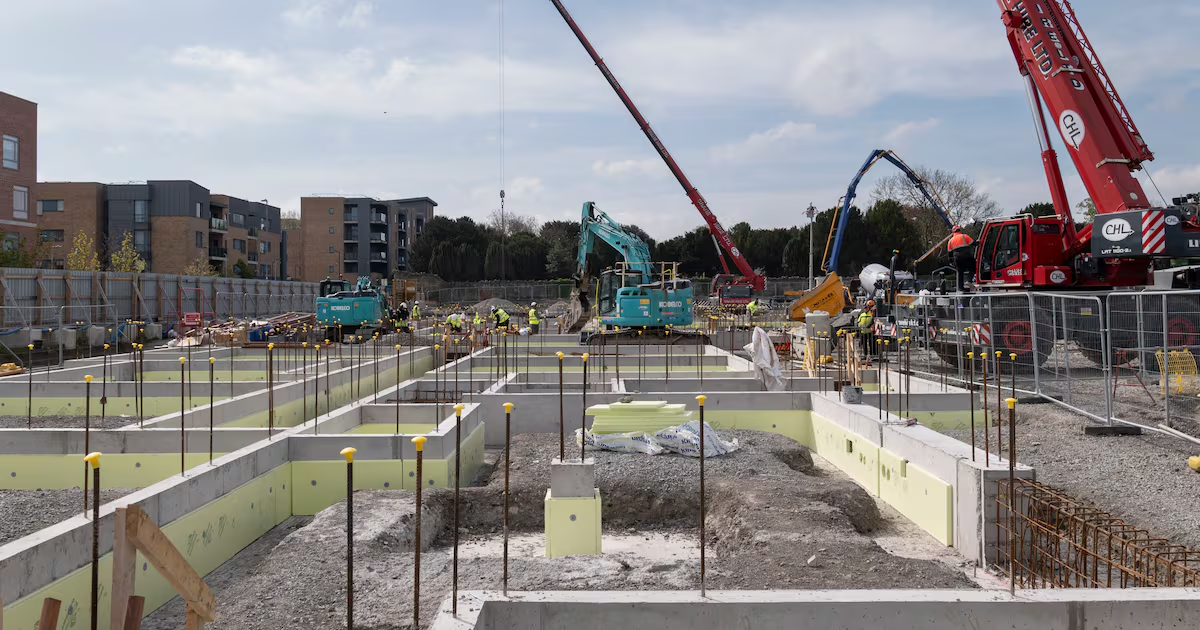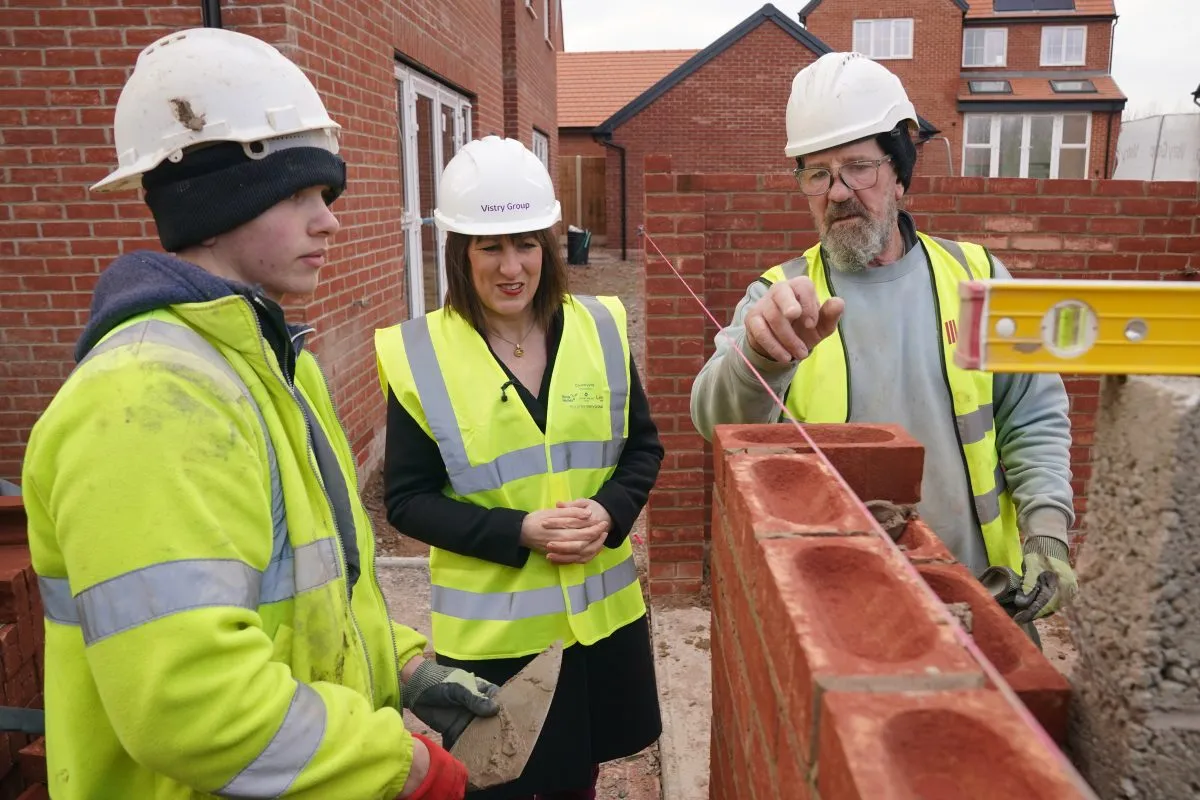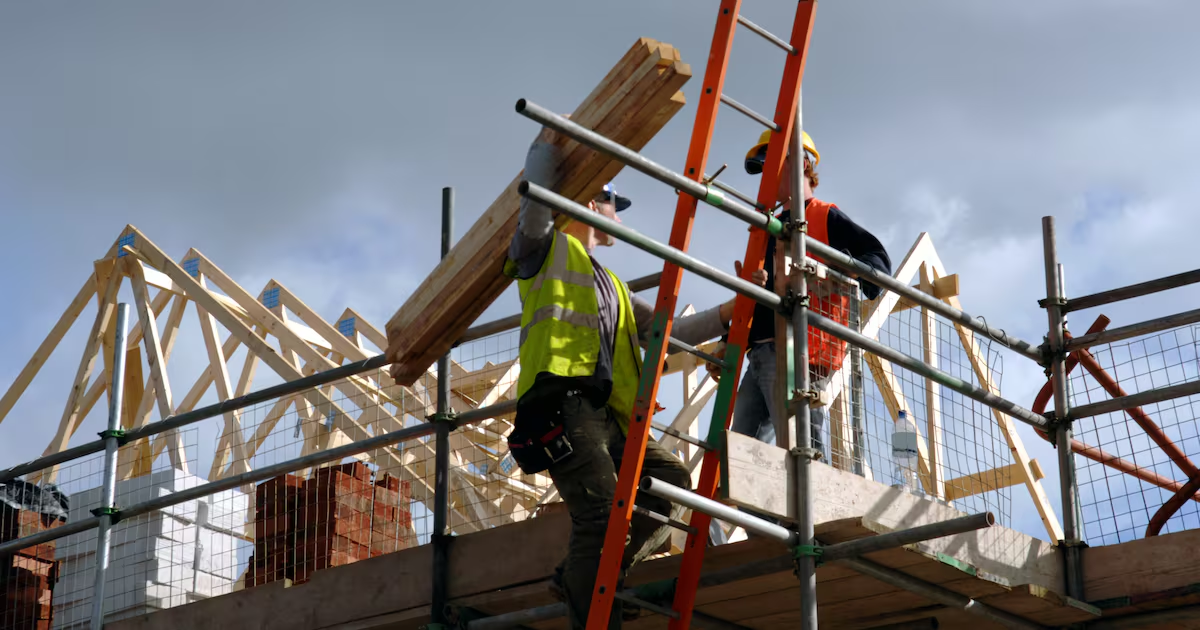
The number of people working in the construction sector surged 11.7 per cent in the first quarter of this year compared with 12 months earlier, new data from the Central Statistics (CSO) shows.A shortage of workers in the sector has long been touted as a big factor in the slow rate of increase in homebuilding but the CSO’s latest labour force survey, published on Thursday, shows the sector enjoyed the largest increase in employment over the past year, with 20,500 more people working in the area. However, the numbers also show an 11 per cent slide in the numbers employed in the technology sector, which translates into 20,000 fewer jobs over the same time last year.“While there has been focus on the role of AI in the jobs market (Meta’s recent announcement for instance), this weakness could also reflect a reversal of the boom in hiring during the Covid period in particular,” said Goodbody chief economist Dermot O’Leary. “Employment in information, communication, and technology in Ireland is still up by a third relative to its pre-Covid level.”Overall, the number of people in employment rose by just 400 over the year to 2,794,500. The employment rate was down to 73.3 per cent of the labour force from 74.7 per cent.The picture was worse when adjusted for seasonal factors and compared with the previous quarter, with the number of people in employment falling by 15,700, or 0.6 per cent.That compares with was a quarter-on-quarter rise of 8,600, or 0.3 per cent, in the previous quarter.There were 141,800 unemployed people in the first three months of the year, putting the unemployment rate at 4.9 per cent, up from 4.3 per cent. The labour market participation rate was 65 per cent, down from 65.8 per cent.Bank of Ireland chief economist Conall Mac Coille said the headline data was “very concerning” at face value, but said it may be attributable to statistical volatility rather than the start of a long-term trend.“Volatility looks to be at play,” he said. “The figures suggest full-time employment has increased by 1.5 per cent over the past year to 2.23 million, but part-time work has declined sharply, by 5 per cent, to 561,500.”Goodbody’s O’Leary noted that an unusually large fall in part-time employment of women – which was down 6 per cent year on year – explained some of the weakness.He said there were some positive aspects to the figures that reflect structural shifts in the economy. “The biggest contribution to growth was in transportation and storage – up 18 per cent year on year – reflecting the ongoing move to online retail activity,” he said.The data shows there were 41,300 people unemployed for 12 months or longer, 15,500 more than a year earlier. The rate of long-term unemployment was 1.4 per cent, up from 0.9 per cent a year earlier.Kate English, chief economist at Deloitte Ireland, said the absence of any growth in employment numbers was “noteworthy”. “Excluding the quarters of Covid-19 volatility, the Irish employment numbers have grown consistently since early 2012,” she said. “While a slowdown in employment is expected this year, a return of zero growth is noteworthy.”Thomas Pugh, chief economist at audit, tax and consulting firm, RSM Ireland, said sharp drops in employment growth tend to be reversed the following quarter, unless there’s a large shock like in 2008.“However, there are good reasons to think that employment growth will remain weak this year as the conflict in Iran has pushed up uncertainty and input prices, when some firms are already adjusting to big increases in costs,” he said. “This will prompt some firms to hold off on hiring plans as margins are squeezed. On balance, we think employment growth will ease to around 1.5 per cent for 2026, below the 2023-2025 average of 2.8 per cent.”The data shows the number of people in the labour force – a figure that includes both people who have a job and those unemployed but actively seeking work – increased by 18,000 or 0.6 per cent to 2,936,300 people, the lowest annual increase in five years.The number of people outside the labour force was 1,579,100, which represented an increase of 62,700, or 4.1 per cent, from a year earlier.An estimated 561,500 – or 20.1 per cent – of those in employment worked part-time. Of those, 133,700, or 23.8 per cent, were classified as underemployed in that they would like to work more hours for more pay.The number of people who work from home fell by 44,800, or 4.3 per cent to 990,100. At the same time, those who never work from home rose by 46,600, or 2.7 per cent to 1,796,200 exceeding the pre-pandemic level for the first time.
Numbers working in construction jump 11.7% amid generally weak CSO jobs data
Concern as the number of people in employment falls by 15,700, or 0.6%, from the previous quarter on a seasonally adjusted basis
780 words~4 min read