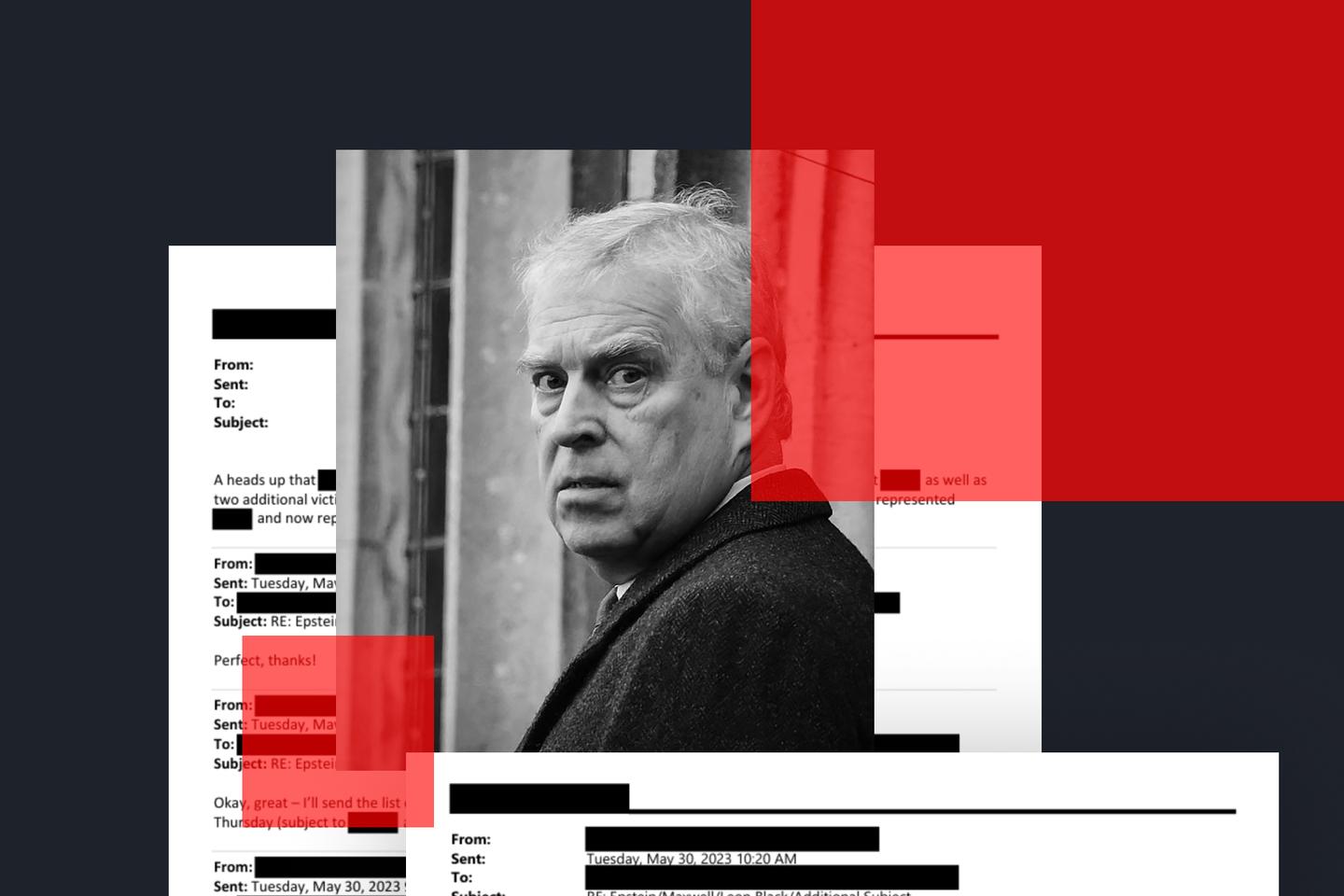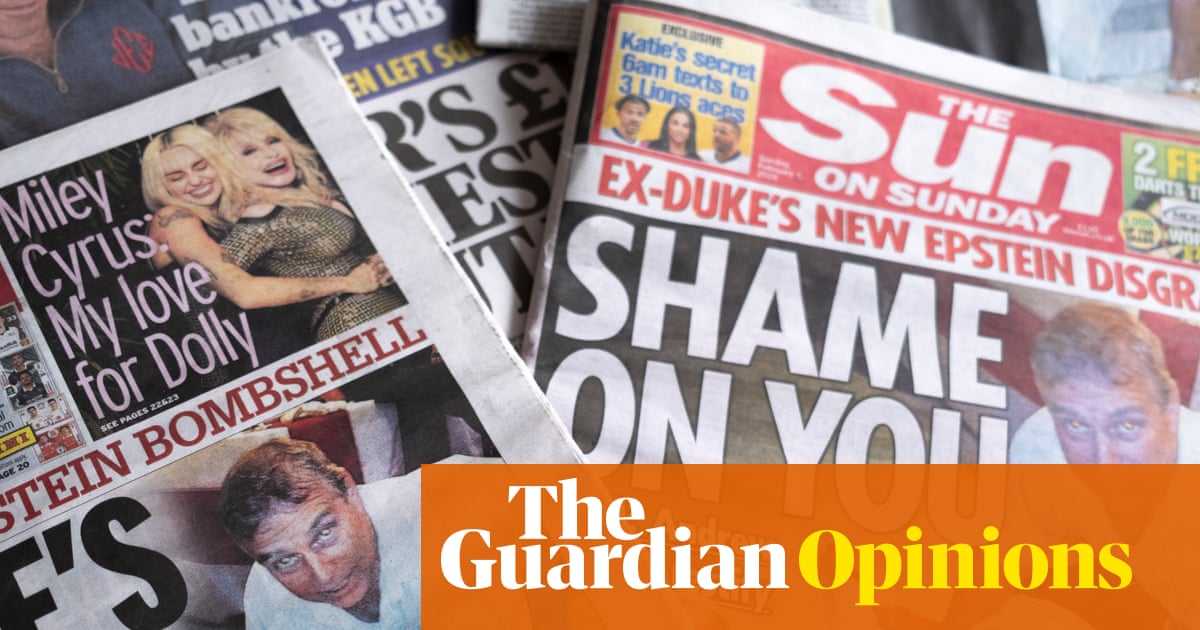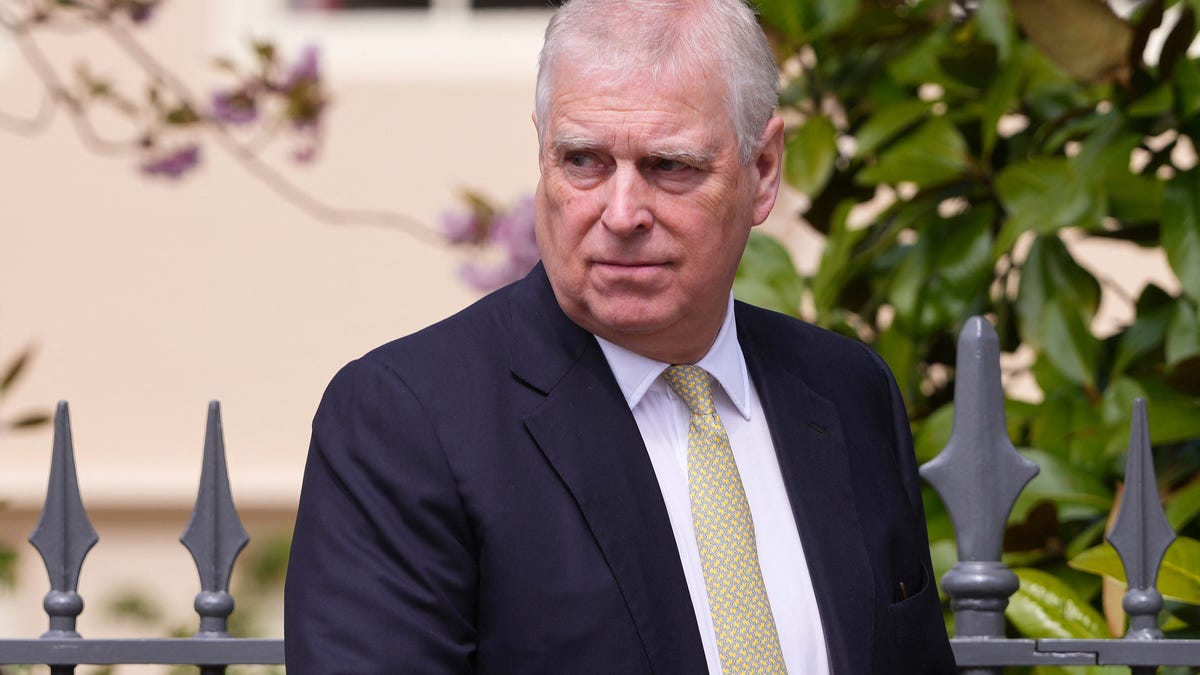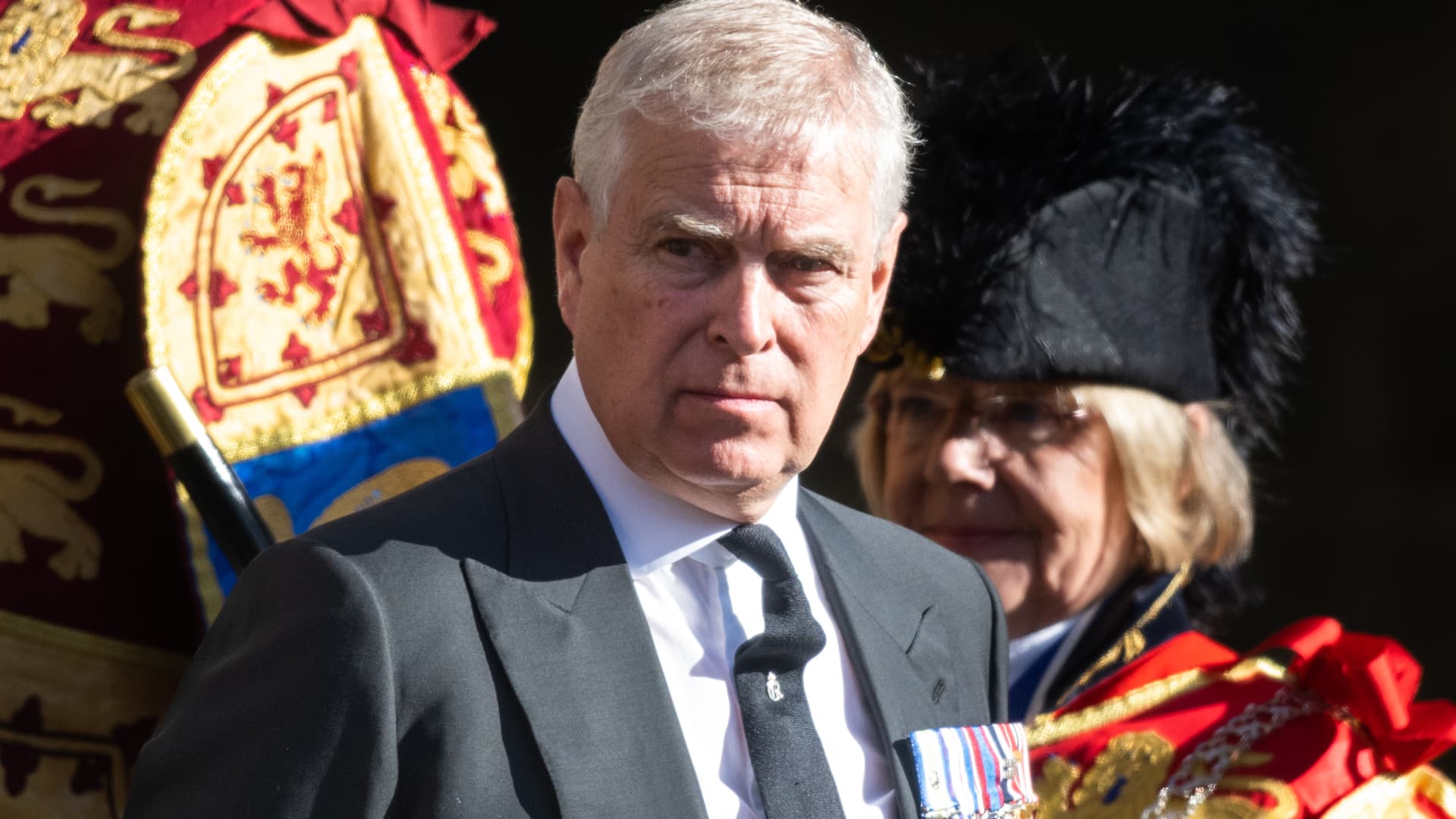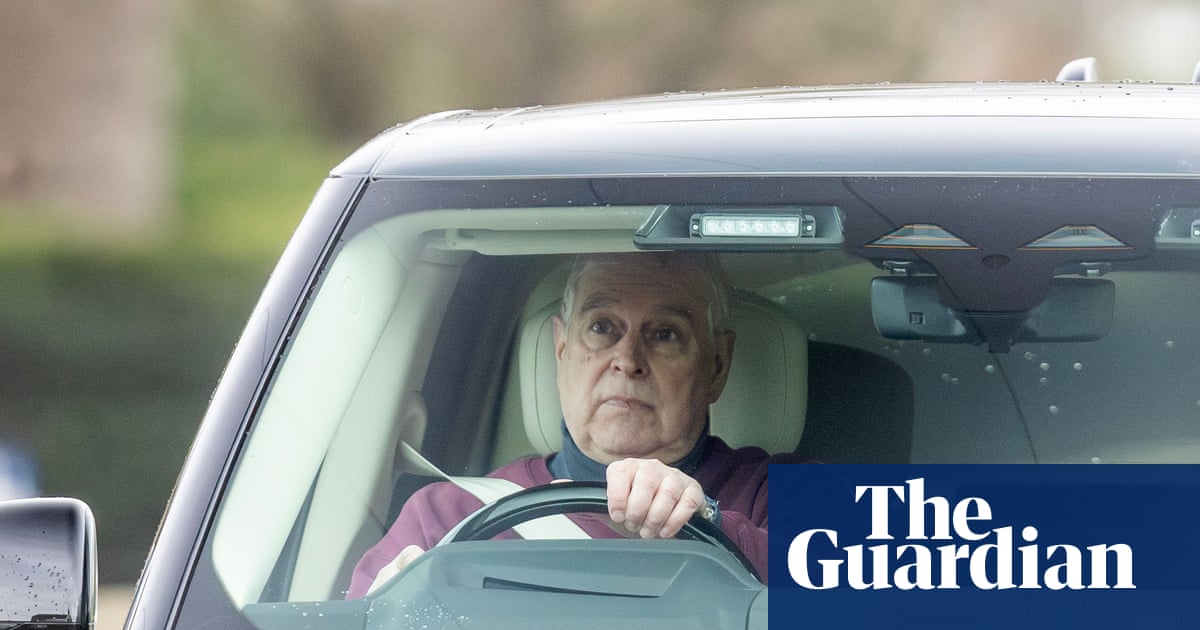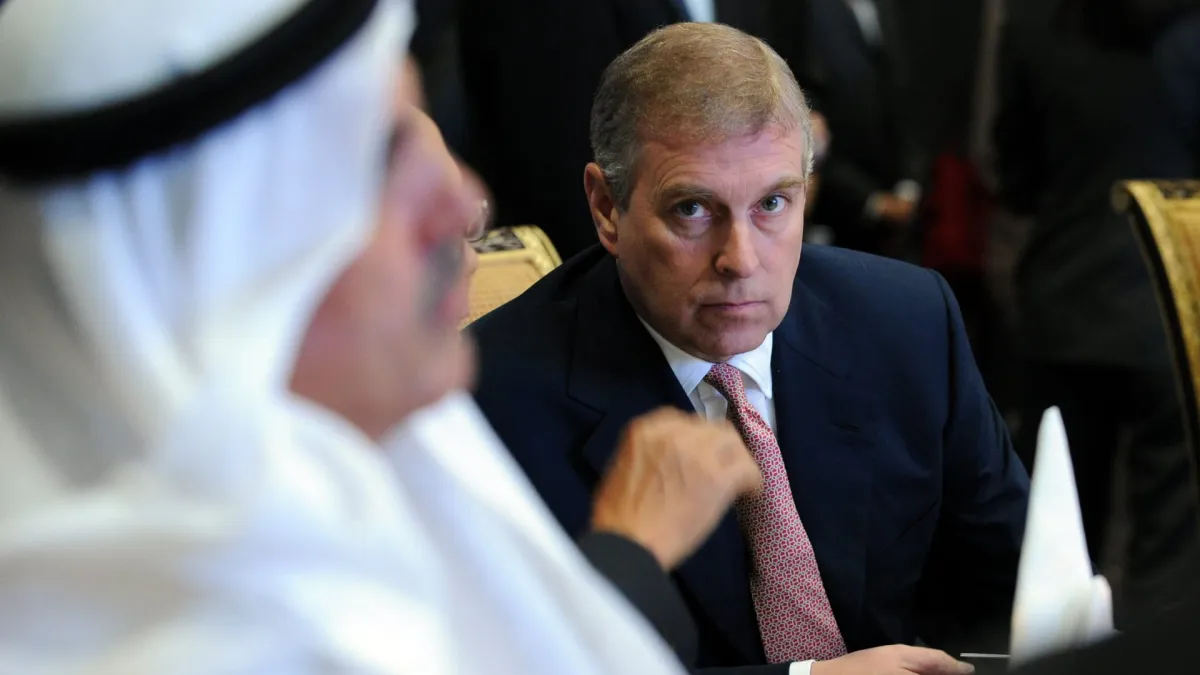
In just the same way that phone hacking was, for as long as it was possible to do so, blamed on “one rogue reporter”, it feels as if the walls have closed off Andrew Mountbatten-Windsor, leaving him on the outside as “one rogue Royal”.
Mountbatten-Windsor, the brother of the King, continues to deny any wrongdoing in relation to his longstanding friendship with Jeffrey Epstein and accusations of abuse by Epstein’s victims. But despite that, Mountbatten-Windsor has been stripped of his royal titles and forced out of his grace-and-favour home in Windsor Royal Park. He now lives in “exile” in a cottage in Norfolk.
These actions by the monarchy serve an implicit narrative: whatever Mountbatten-Windsor has done to bring himself into disrepute is on his own head. When Buckingham Palace learned of the various scandals, it took action. The problem isn’t with the system, but with Mountbatten-Windsor as an individual.
The disclosure by the Government of papers relating to Mountbatten-Windsor’s time as trade envoy for Britain – forced by a humble address to Parliament by the Liberal Democrats – shows up the many holes in this narrative for all of us to see.
The former Queen herself intervened directly to secure the role for Mountbatten-Windsor, long said to be her favourite child, and his royal office set out the terms upon which he would be willing to carry out his royal trade duties. “He tended to prefer the more sophisticated countries,” the head of the protocol division noted in one startling observation and preferred “ballet rather than theatre”.