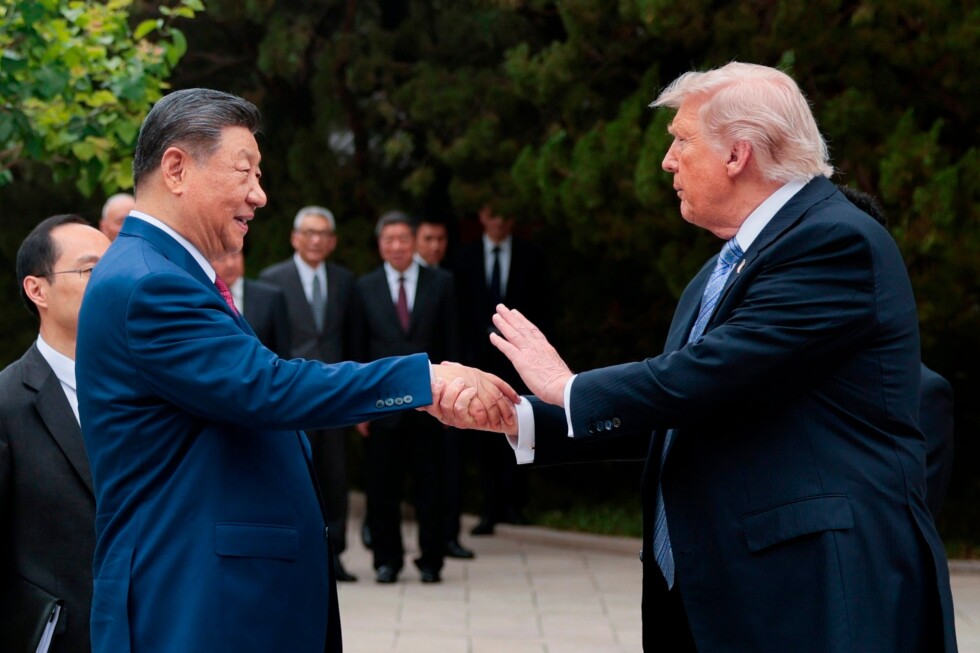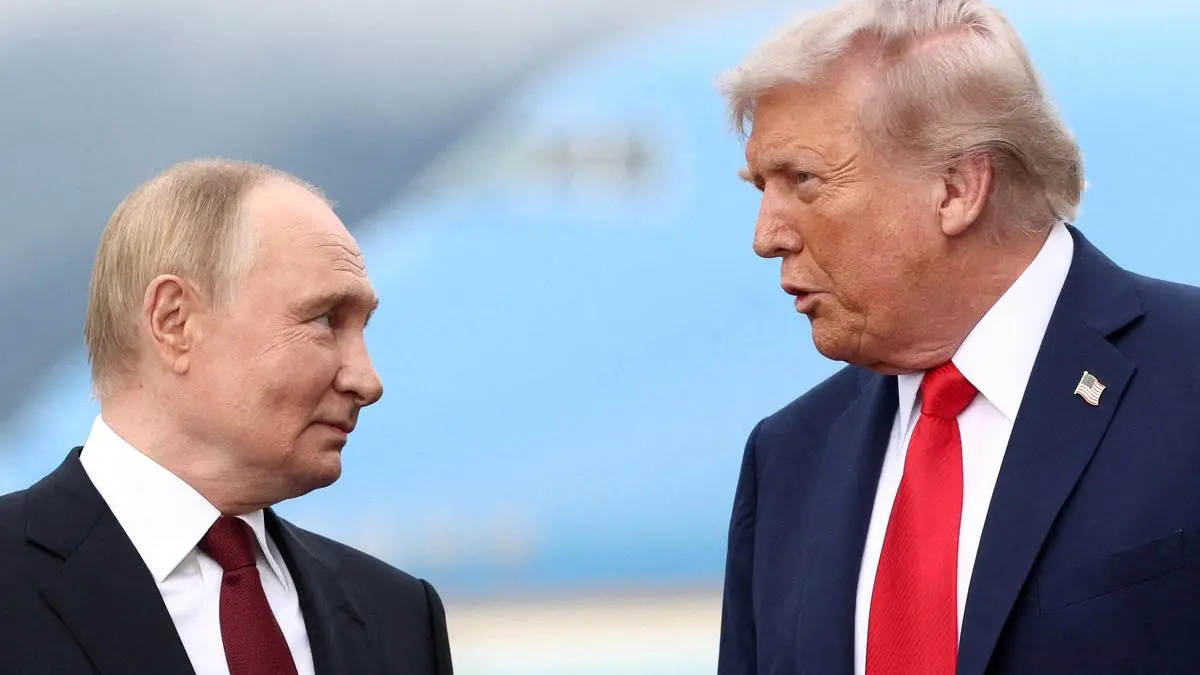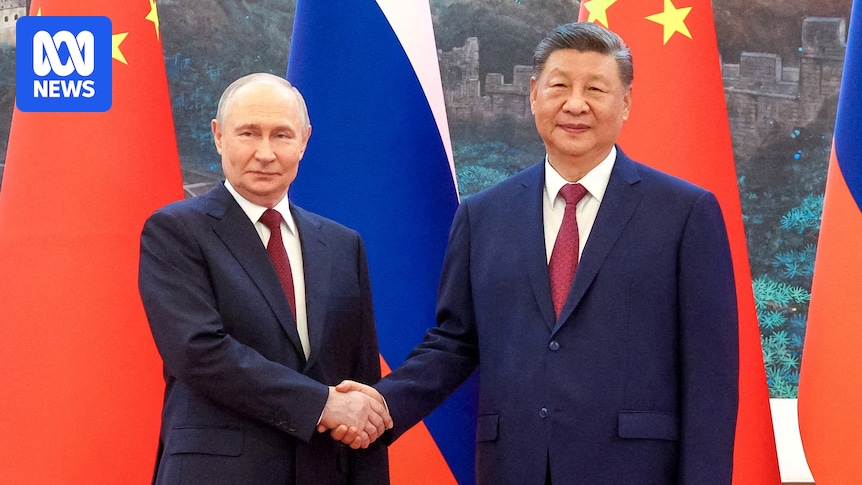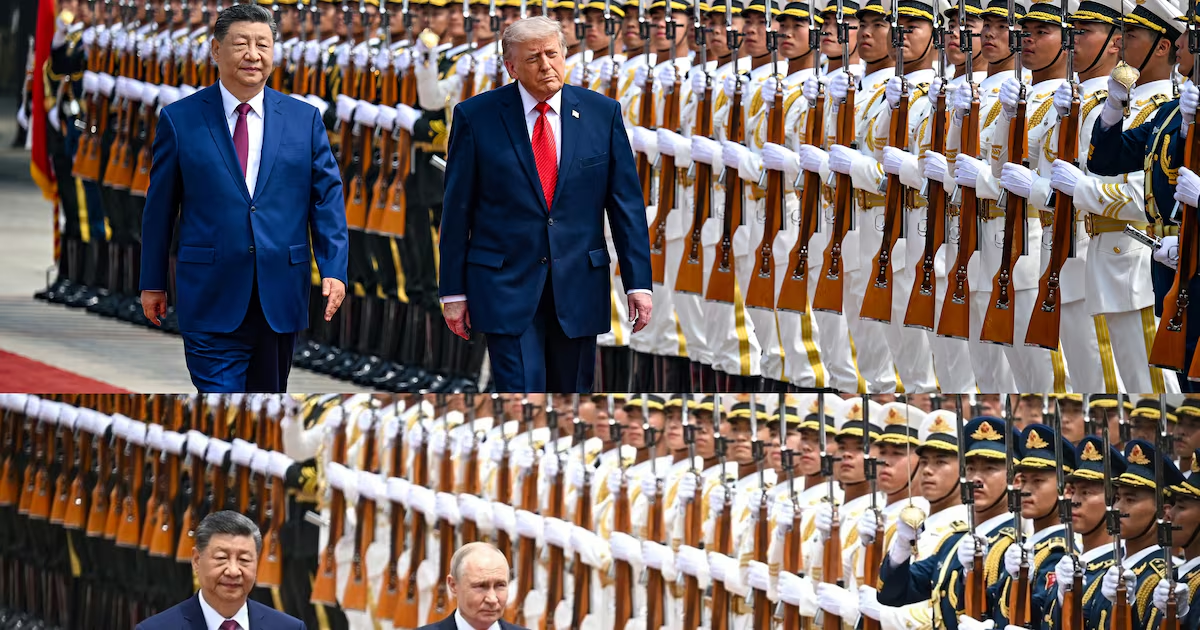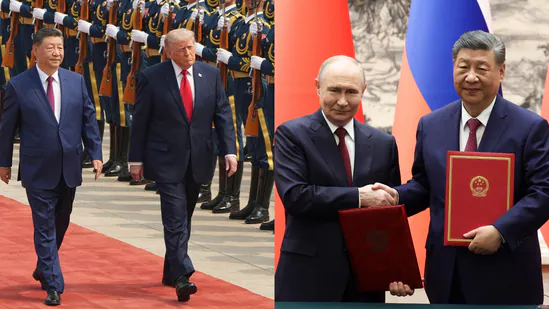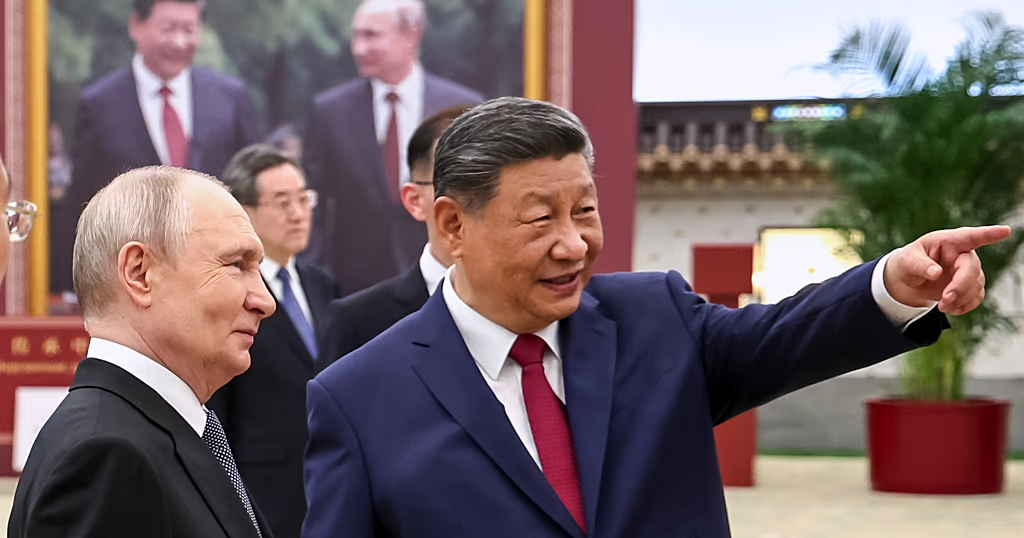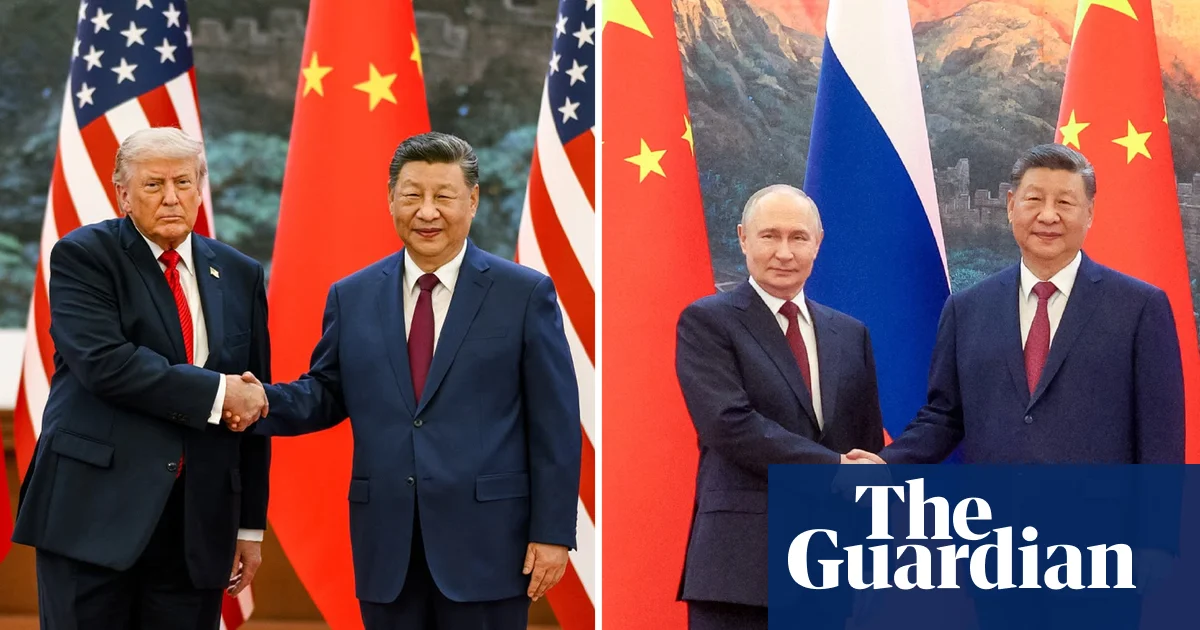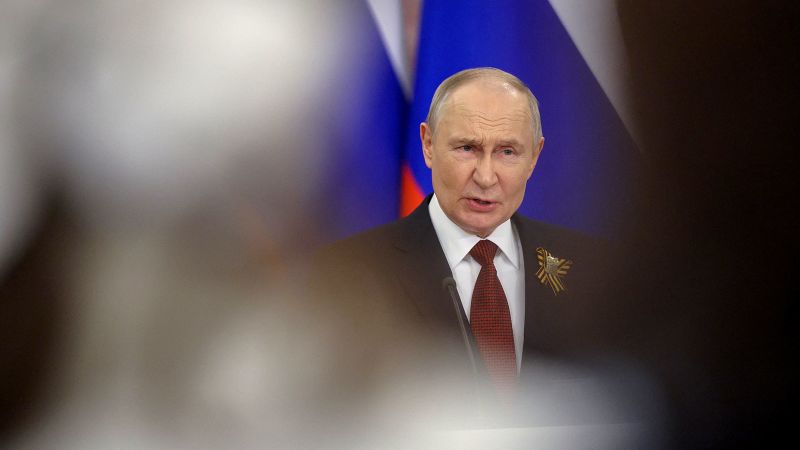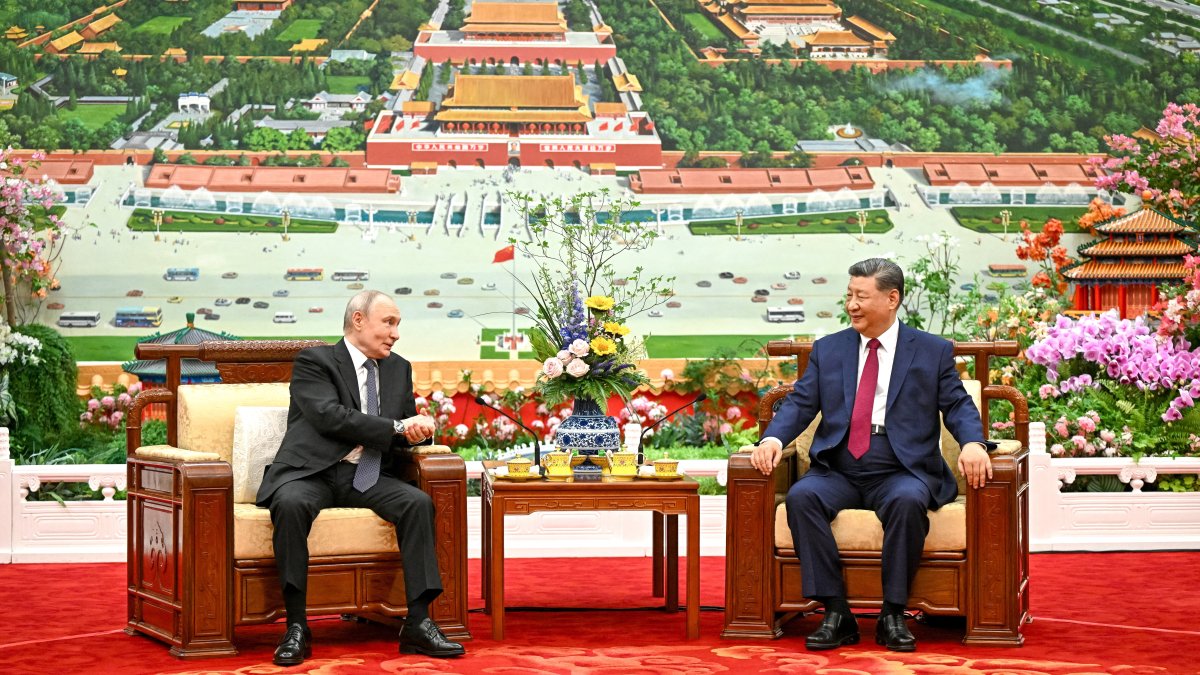
Everything may have looked similar on the surface. U.S. President Donald Trump and Russian President Vladimir Putin, only days apart, walked across the same ceremonial carpets in Beijing, greeted by the same smiling children and surrounded by nearly identical state protocol. Naturally, this invites comparisons, yet the symbolism behind the two visits could not have been more different.
A situational G2
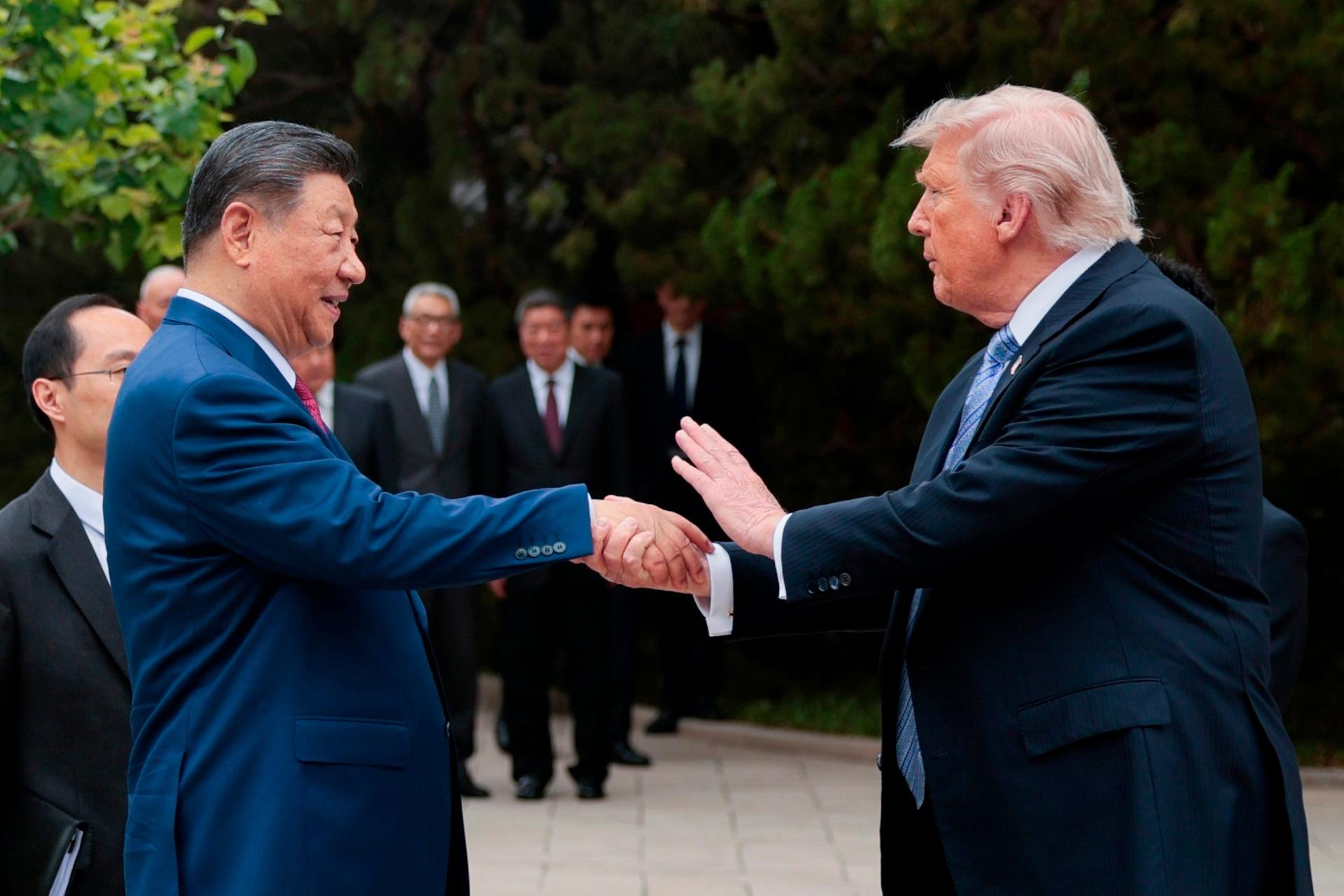
During Trump’s summit with Chinese President Xi Jinping, the American delegation appeared impressed by the discipline and confidence of Chinese diplomacy. Both sides reaffirmed their commitment to continued economic interdependence and emphasized the importance of maintaining a constructive strategic relationship. Trump also highlighted commercial gains, including the sale of Boeing aircraft and agricultural exports, despite continuing disagreements over several geopolitical crises, particularly the future of the war involving Iran.
Despite everything, many observers concluded that Trump’s visit produced little tangible progress in U.S.-China relations. Washington and Beijing still lacked a shared vision of international order, and their positions on regional conflicts, such as the Iran war, remained deeply divided. Yet this interpretation overlooks a more significant development: Both powers increasingly recognize that coexistence is more profitable than other options.