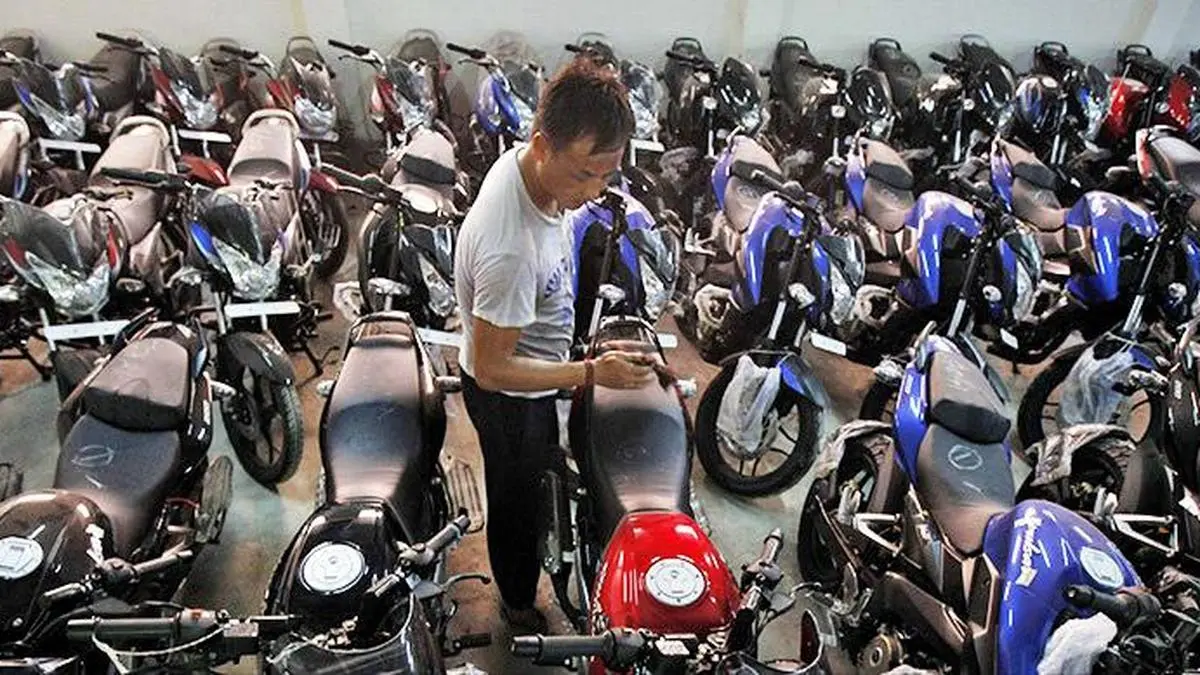
India's automobile sector is heading into FY27 with strong momentum, but an expert is warning that the road ahead has some sharp bends that investors and consumers need to navigate carefully.Deep Shah, Equity Research Analyst and Automobile Sector Lead at Yes Securities, shared a detailed outlook on the auto industry with ET Now, covering everything from two-wheelers and passenger vehicles to commercial vehicles and tractors.A strong start, but headwinds are buildingShah describes FY26 as a tale of two halves, with GST cuts triggering a sharp surge in retail sales across segments in the second half. That momentum is carrying into the first quarter of FY27, where he expects double-digit growth to continue.However, the picture becomes more cautious as the year progresses. The base effect from last year's strong performance will begin to bite, and new macro headwinds have emerged. Geopolitical tensions and raw material inflation are expected to push up vehicle costs, which could dampen retail sentiment across segments in the quarters ahead.Segment-by-segment outlookFor two-wheelers and passenger vehicles, Shah expects a steady 5 to 6 percent industry-level growth through FY27 - solid, if unspectacular. Discounting, he notes, remains elevated across these categories and is unlikely to change materially going forward.Commercial vehicles are forecast to grow at 6 to 8 percent in FY27, supported partly by a low base from the first half of last year. Inventory levels in this segment are currently running below normal at just 10 to 15 days, reflecting genuine demand rather than channel stuffing.Tractors are the one segment where Shah strikes a cautious tone. FY26 was a record year for domestic tractor sales and production, and he expects volumes to be broadly flat in FY27. How the monsoon plays out under El Niño conditions will be a key variable to watch.Dealer inventories are not yet alarmingThere has been concern in the market about rising dealer inventories despite softer retail demand. Shah pushes back on the more bearish interpretations of this data. For two-wheelers and passenger vehicles, inventory levels are running at 20 to 25 days, which he considers a normalised and manageable range. OEMs are actively balancing production toward models with stronger demand, and some supply disruptions have also naturally kept inventory from building excessively.The biggest story: The BS7 pre-buy cycleShah's most forward-looking insight concerns the upcoming transition to BS7 emission norms, expected around 2028, which are likely to push commercial vehicle prices up by 8 to 12 percent.Historically, steep price increases of this magnitude trigger a significant pre-buying cycle, where fleet operators rush to purchase vehicles before the price hike takes effect. Shah expects this pattern to repeat. Pre-buying activity is likely to begin building toward the end of FY27 and accelerate fully through FY28. Combined with already strong replacement demand, FY28 could surprise on the upside, with commercial vehicle industry growth potentially reaching higher single digits.The bottom line for investorsThe auto sector remains a credible growth story for FY27, but stock selection will matter more than broad sector bets. Commercial vehicles heading into the BS7 cycle and two-wheeler players with strong model pipelines offer the clearest near-term opportunities, while tractor stocks may need to wait for monsoon clarity before sentiment improves.
Auto sector still growing but these are the risks every investor must watch in FY27: Deep Shah
India's automobile sector is poised for strong growth in FY27. However, experts advise caution due to rising costs and macro headwinds. A significant pre-buy cycle for commercial vehicles is anticipated around 2028 due to new emission norms. Investors should focus on specific segments like commercial vehicles and two-wheelers for opportunities.
527 words~2 min read