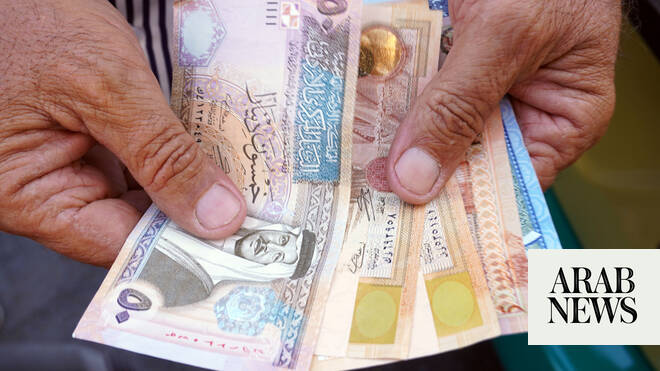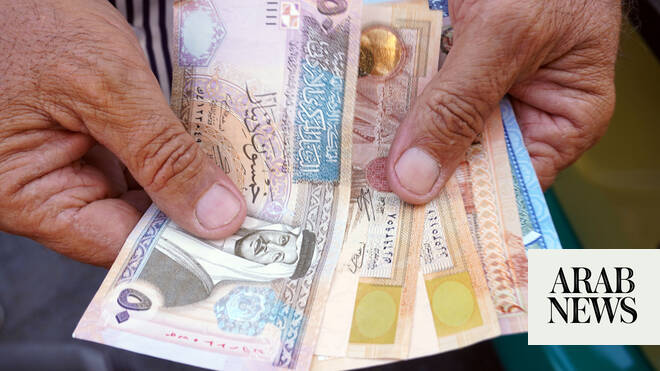
RIYADH: Jordan’s local revenues increased 1.6 percent year on year to 2.19 billion Jordanian dinars ($3.08 billion) in the three months to the end of March, mainly driven by higher non-tax revenues, despite regional challenges.
According to the country’s Ministry of Finance, non-tax revenues increased by 53.5 million dinars annually in the first quarter of 2026 to 631.8 million dinars, state news agency Petra reported.
Jordan’s fiscal performance mirrors broader trends across the Middle East and North Africa, where growth is expected to moderate to 3.5 percent in 2025 and 3.8 percent in 2026, according to the World Bank, amid a gradual recovery in oil production and steady non-oil sector growth.
The International Monetary Fund also expects Gulf Cooperation Council economies to remain relatively resilient despite heightened uncertainty, with regional growth forecasts revised lower in 2026 but still positive, reflecting continued support from fiscal buffers and diversified non-oil activity.
The newly released statement said: “Government spending totaled 2.93 billion dinars by the end of March 2026, including 2.72 billion dinars in current expenditures and 215.2 million dinars in capital expenditures.”