PABPC4 genetic variants found to be associated with mitochondrial dysfunction driving emphysema in COPD.
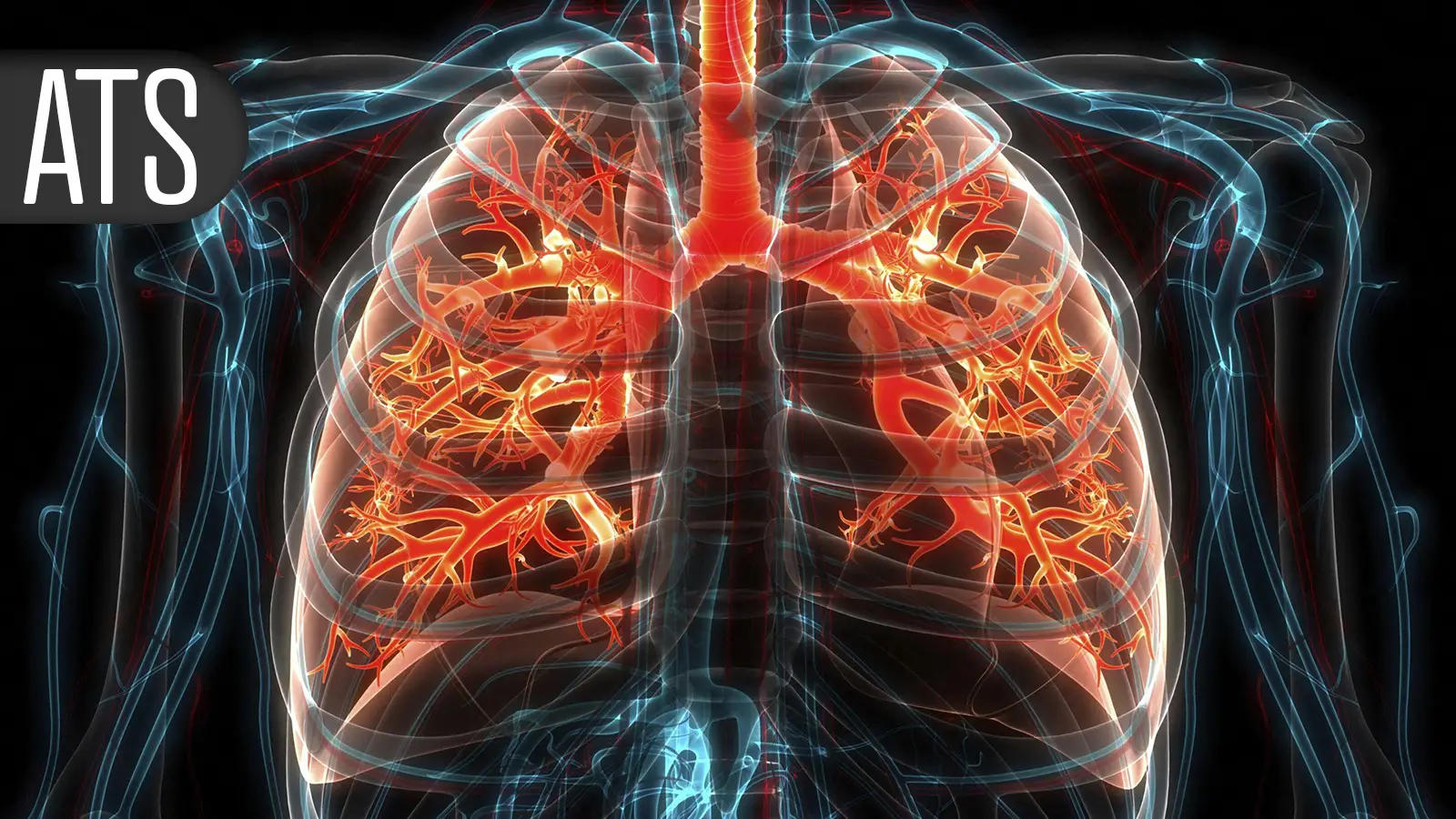
Genetic knockout of PABPC4 led to emphysema in mice. Photo by pocketlight//E+ via Getty Images.
At the American Thoracic Society (ATS) 2026 annual meeting on 18 May, during the B109 cellular, genetics, and developmental drivers of COPD, emphysema and sarcopenia session, investigators from Vanderbilt University and the Universities of Pittsburgh and North Carolina as well as Tgen presented compelling data identifying PABPC4 (polyadenylate-binding protein cytoplasmic-4) as a novel genetic driver of chronic obstructive pulmonary disease (COPD), linking genetic susceptibility to mitochondrial dysfunction and emphysema pathogenesis.
The study highlights a mechanistic pathway connecting non-coding genetic variants to impaired mitochondrial function in lung epithelial cells, while also introducing a first-in-class therapeutic strategy targeting RNA splicing defects.
According to the poster presented by TGen, genetic factors are estimated to account for approximately 30%–40% of COPD risk; however, the functional consequences of most susceptibility loci remain poorly understood. In the poster, researchers identified 40 non-coding variants at the PABPC4 locus with relatively high minor allele frequencies (10%–35%) that were associated with reduced lung function, increased COPD risk, and decreased PABPC4 mRNA expression in lung epithelial cells.