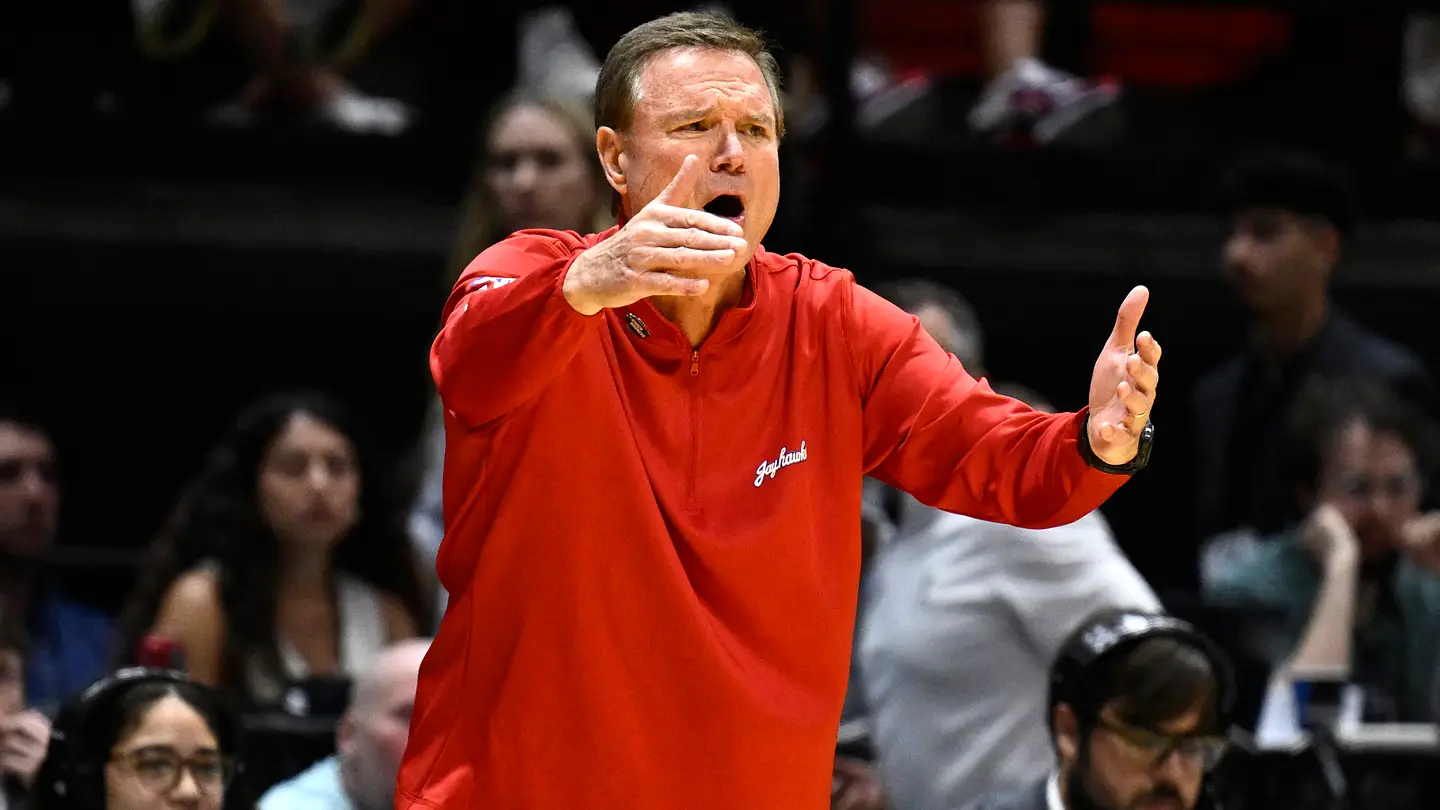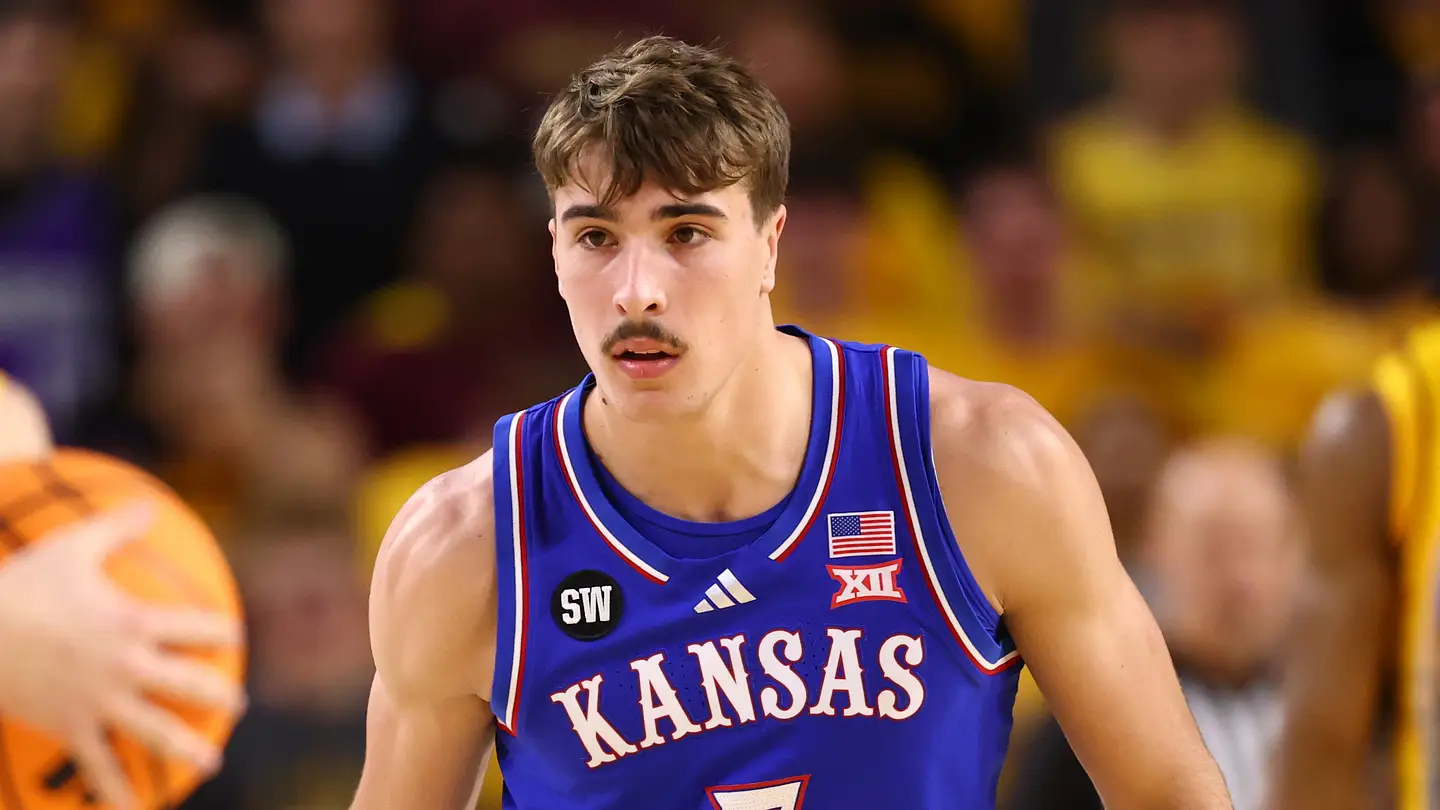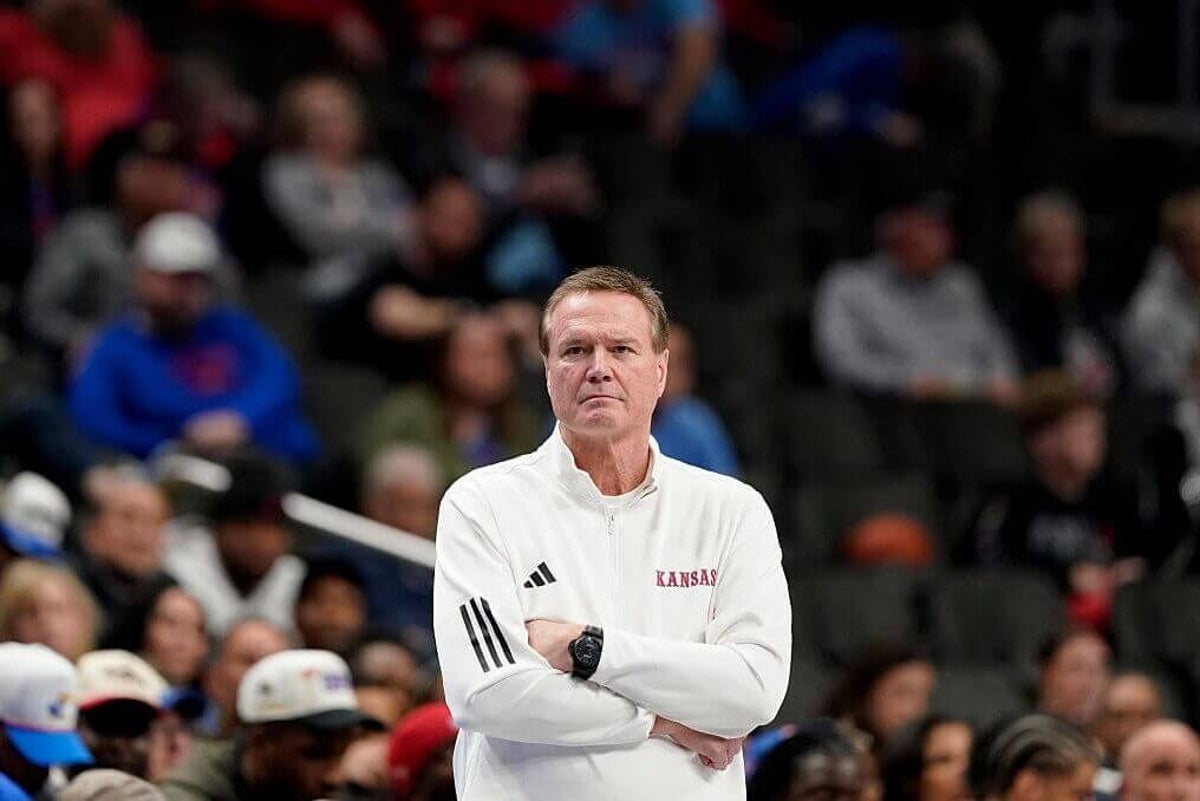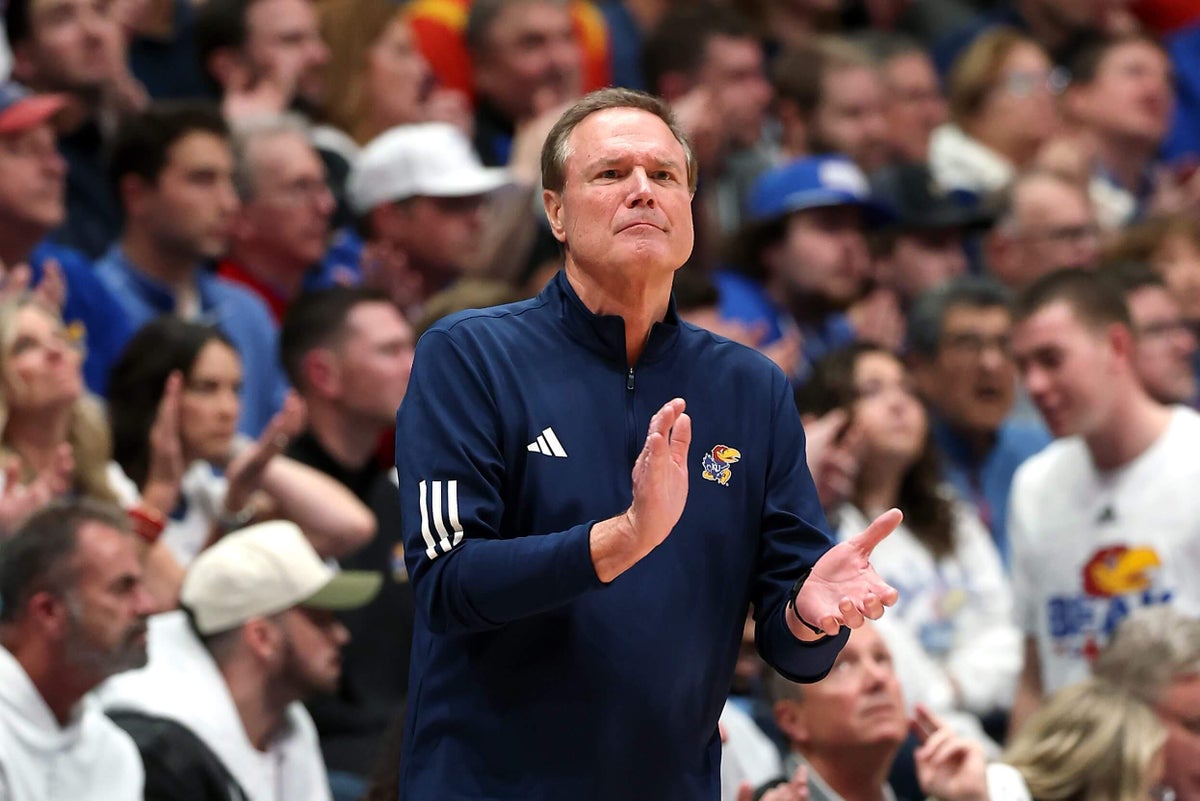
LAWRENCE, Kan. — Bill Self gave a lesson in college basketball calculus last week in his office as he went through the roster decisions he had to make this spring.Self took a gamble this portal season when he saved his budget to stay in the race for Tyran Stokes, the top player in the 2026 recruiting class, who was choosing between Kansas and Kentucky. Stokes didn’t announce until April 28, at which point many of the top players in the transfer portal were off the board.Kansas had six players transfer, most notably starters Flory Bidunga and Bryson Tiller. Before this spring, Self had only five starters transfer in his first 23 years at KU and never more than one in a single cycle.“When you look at it, what if Flory stays in the (NBA Draft), and we committed all that money to him,” Self said. “Then what are we doing? Who do we have? There’s more to it than ‘Does he want to be here?’ and ‘Do we want him here?’ There’s a financial component to it, and there’s also a realistic component against it.”Self enters his 34th season as a head coach, navigating a game that has changed quickly. The 63-year-old proved this cycle that he still has it when it comes to recruiting, landing Stokes in what felt like a make-or-break commitment. If Stokes had not committed, Self could have been left with money in his budget and not enough quality players on the market to justify spending what he had left. That’s now the spot Kentucky is in, unless Mark Pope can sign one or two of the undecided NBA entrants who are also in the portal. If the season started tomorrow, it’s doubtful Kentucky would appear in the preseason Top 25.When Self won his first national title in 2008, he said there was much more margin for error.“You may have on the 2008 (national championship) team seven NBA players,” Self said. “Your misses aren’t magnified. Here, your misses are more magnified because you can only pay a certain number of players, and if you miss on those guys, it’s a bigger deal.“In the past, if you recruit four guys and two of them turn out to be great, that’s a pretty good return on your investment. Now, you recruit four guys, three of them better be studs, because those are the guys you’re paying the money to.”In the name, image and likeness era, KU still has a strong history and brand recognition, but it’s not at the top of the sport when it comes to an NIL budget.“I think we’re competitive,” Self said. “I have absolutely nothing negative from our administrative standpoint on their ability to give us a chance to compete. I feel good about it. Now, do I think that we have the highest budget in America? No.”Flory Bidunga was highly coveted in the transfer portal this offseason. (Ed Zurga / Getty Images)What’s actually allowed to be spent remains an open question. Self said there’s a lot of uncertainty among schools in the Big 12, SEC, Big Ten and ACC because budgets are ballooning past the revenue-share distribution those programs are allotted by their schools. As The Athletic reported this spring, most high-major rosters will be north of $10 million, and multiple teams are believed to have spent over $20 million.It’s not a given every deal gets approved by NIL Go, a clearinghouse created by the College Sports Commission, but for some programs, it seems like the cap is a floating number. That’s not KU’s reality.“I understand there’s a budget, and I also understand we’re building a football stadium and that football stadium is hundreds of millions of dollars,” Self said of KU’s Gateway District project, which the school estimates will cost $759 million. “So with that being said, there’s a fundraising strategy that goes into it that’s not just involving NIL.”
Why Bill Self let Kansas’ starters walk to rebuild around the No. 1 recruit
Only five starters have ever transferred under Self in 23 years. This offseason, two starters left, but it was part of his strategy.
1,721 words~8 min read