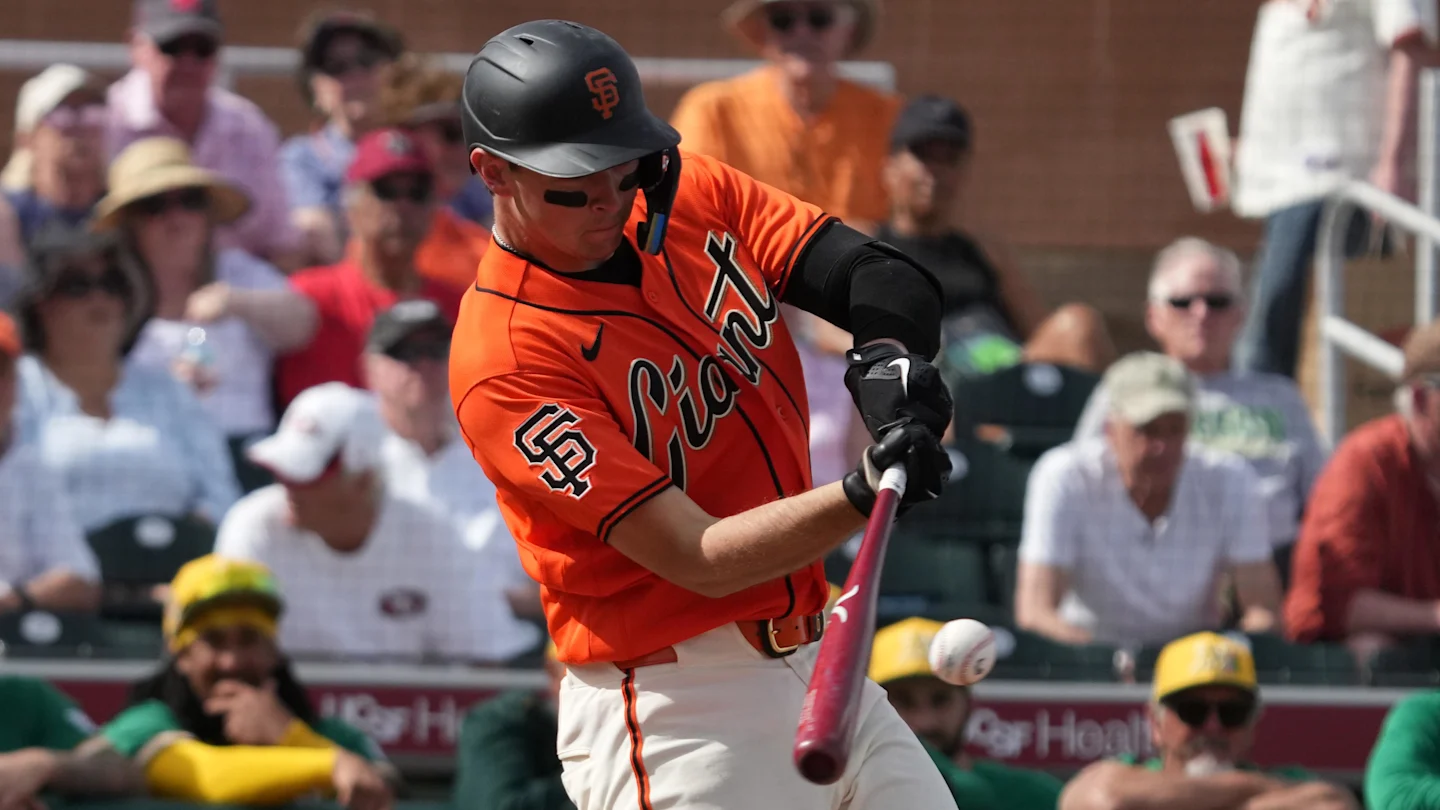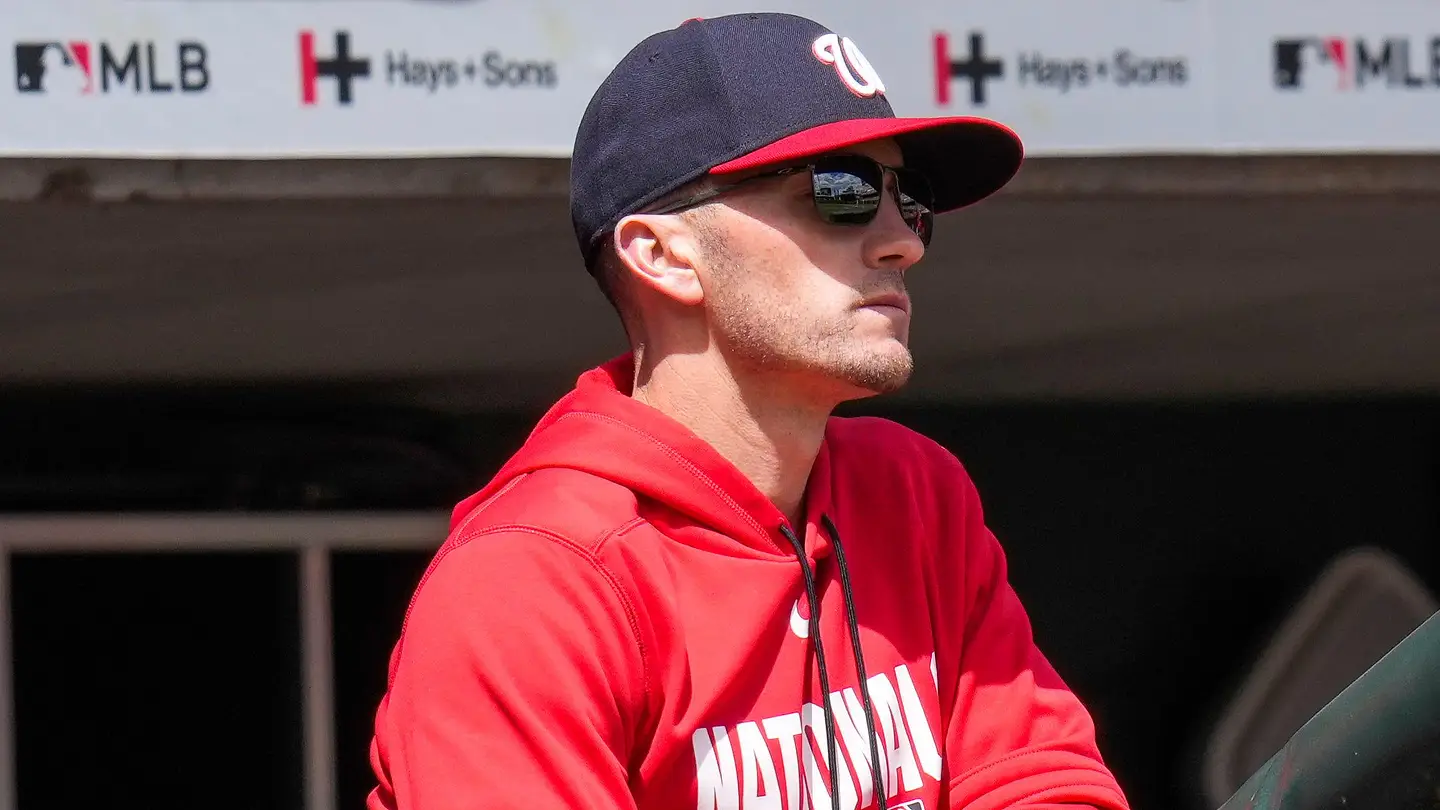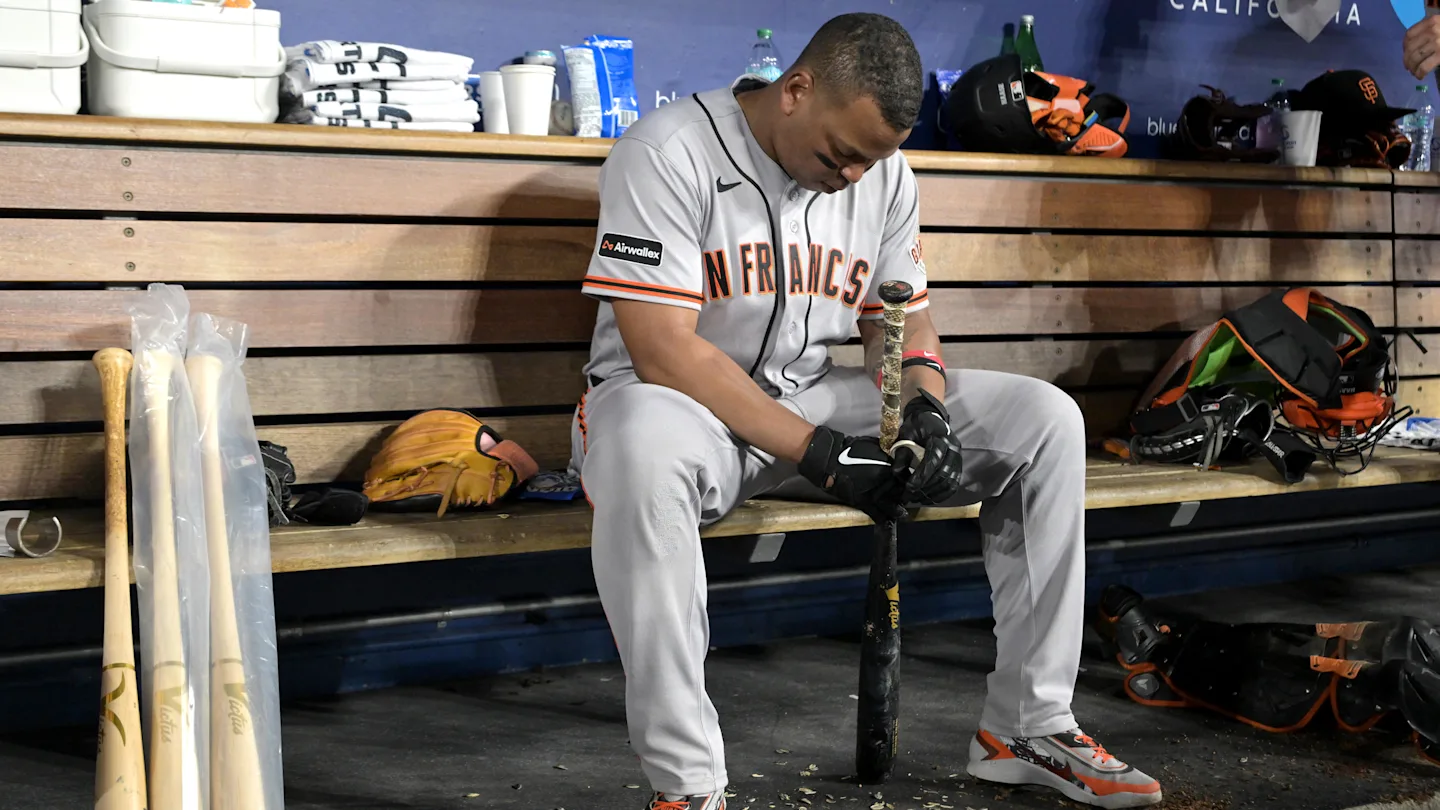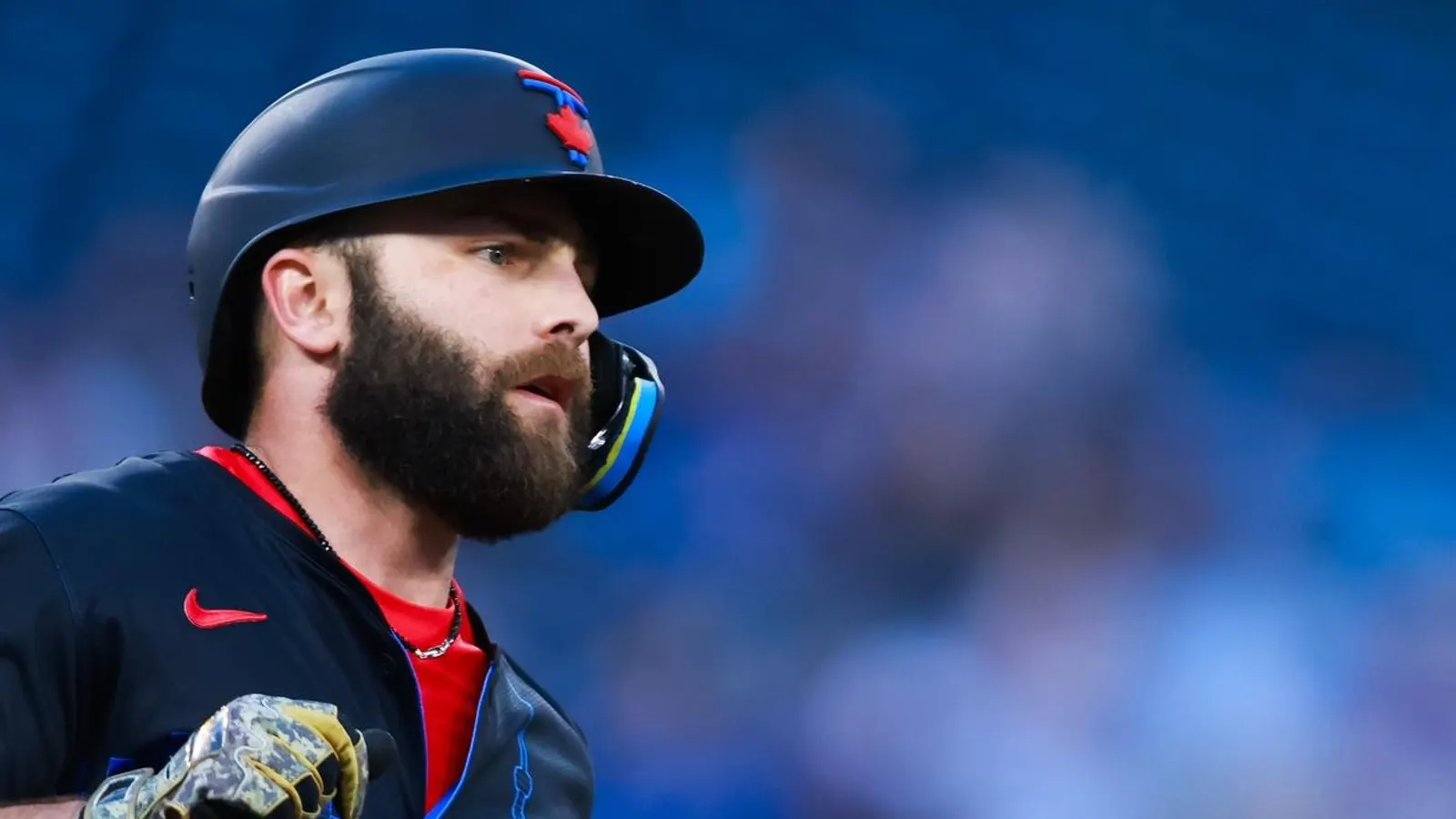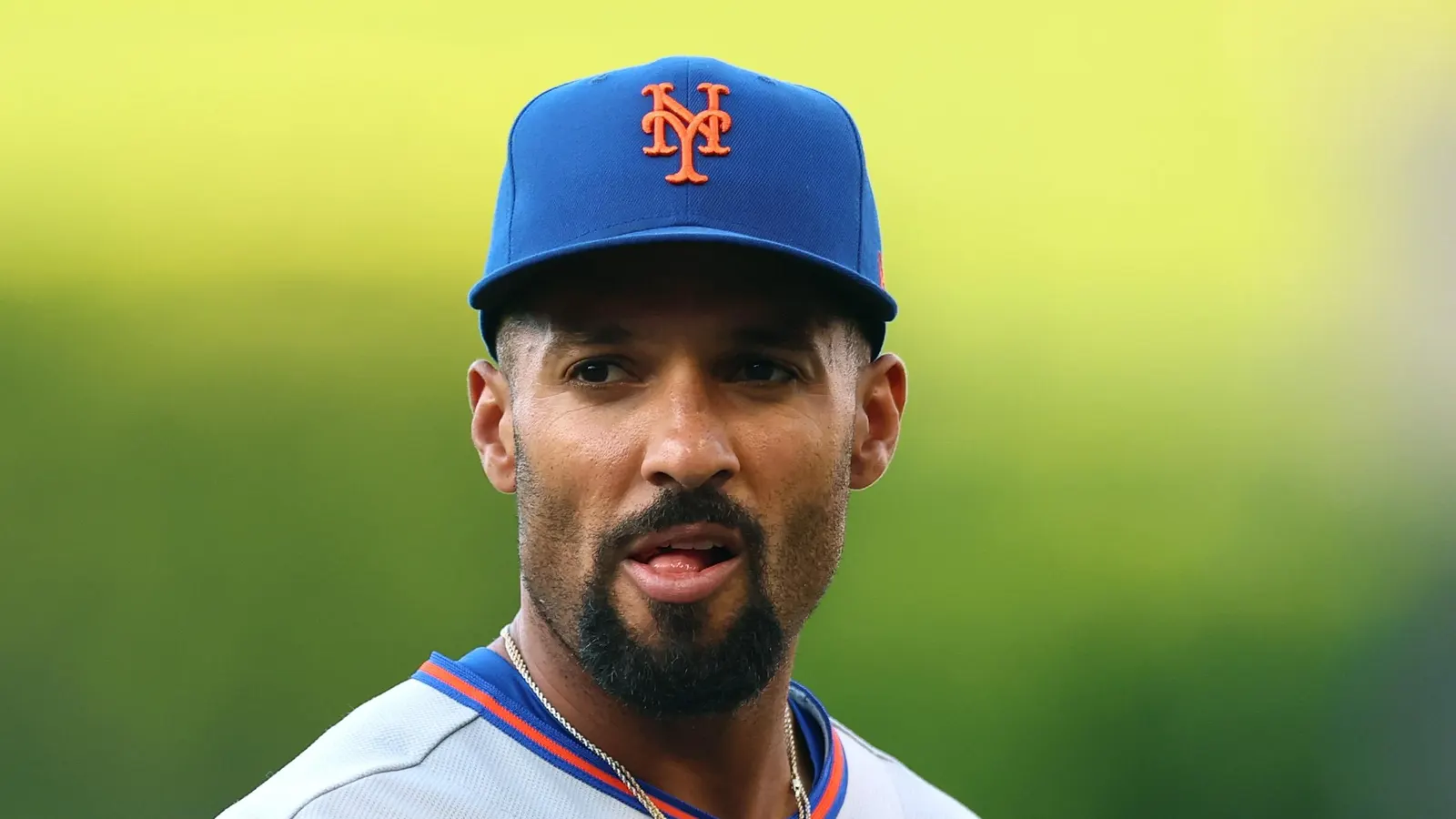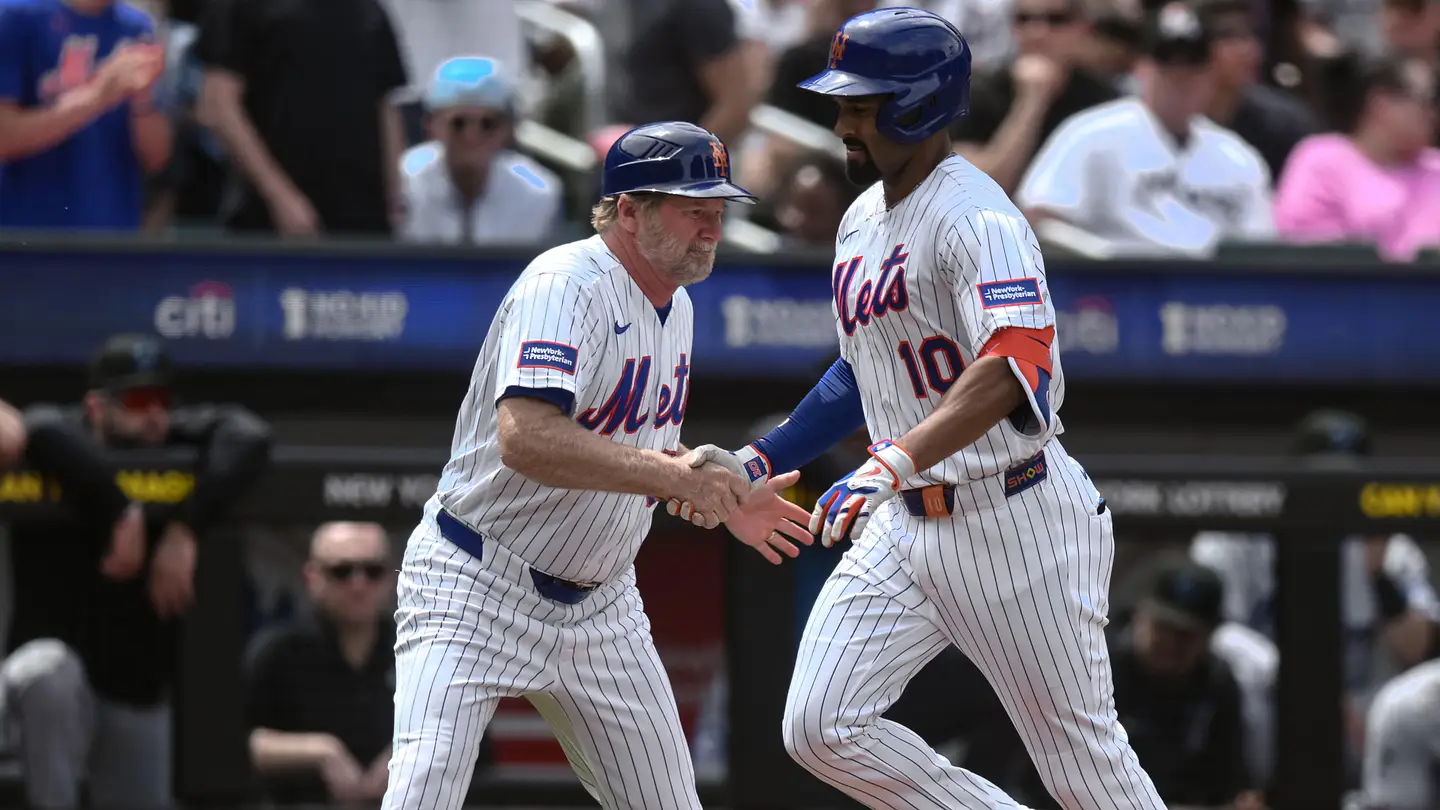
WASHINGTON — There were times when Marcus Semien would watch Paul Toboni during batting practice with the Cal Golden Bears — and just laugh.“He’d be out there on the left-field line, doing the Kevin Mitchell thing, just trying to barehand balls,” Semien said.“That’s a real thing,” Toboni said, more than a little sheepishly. “I mean, we were from the Bay Area. We’d have posters of Giants players in the clubhouse. And you know how it is: College seasons can be long, and you kind of need to mess around in the outfield during BP, and we all remembered the barehanded play Kevin Mitchell made running down the left-field line.” He paused a second.“A lot of awesome memories,” Toboni said.In the hours ahead at Nationals Park, Semien’s job was to play second base for a New York Mets team that is trying to overcome an abysmal start to the season. He is 35, a father of five, a three-time All-Star and two-time Gold Glove winner in the fifth year of a seven-year, $175 million contract he originally signed with Texas. In his 14th big-league season, after nearly 1,700 major-league games, he’s still trying to lay off breaking pitches in the dirt and drive balls to the gap.Toboni’s job during this series: Make the moves for the Washington Nationals’ organization that not only would help beat the Mets, but could lay the foundation for a more promising future. He called up outfielder Dylan Crews. He sent down third baseman Brady House. He communicated to the media, and therefore the fan base, the reasoning behind those moves. He is 36, a father of four, in his first year as the Nationals’ president of baseball operations, trying to overhaul an organization that, since 2020, has lost more games than any team but Colorado.They are adversaries this week. But their bond will never be broken. Consider that when Semien brought his family to the nation’s capital so they could be D.C. tourists and take in some baseball, Toboni lent him a babysitter so the younger Semien kids could stay home while the three oldest went to the ballpark.“One of the best teammates I’ve ever had,” Toboni said.“I’m extremely excited for him to be a leader of an organization,” Semien said, “because he’s always been a great leader.”That they played baseball together at Cal maybe seemed fated then. That they’re standing on opposite sides of the field in completely different roles is nothing short of wild. Toboni grew up in San Francisco as a baseball and basketball player who dabbled with the idea of playing both sports at an Ivy League school. Semien was also born in San Francisco but grew up in the East Bay, also playing baseball and basketball. Toboni went to a Catholic high school in San Francisco. Semien went to a Catholic high school in Berkeley. They both arrived at Cal in the fall of 2008.“Those guys are so bonded,” said David Esquer, then the head coach at Cal, now in the same position at Stanford. “They’re bonded through the fire.”The fire was both individual (in Toboni’s case) and collective. Throughout his college career, Toboni, a middle infielder, battled injuries. He twice had surgery on his hips. He was limited to 25 games spread over three seasons.Somehow, he was still a vital thread of the Bears’ fabric.“He was a super athlete, just so much athleticism from basketball,” Semien said. “But he’s also just a grinder. He’d just grind out at-bats, play the game the right way, dive for balls, all that stuff.”“Yeah, he had injuries, and that meant he wasn’t going to get to play as much,” Esquer said. “But one of the impacts he had is that he came to work every day, and his practice energy was incredible. He really made it hard for anybody to not put out full effort on a daily basis.”Semien, meanwhile, became the Bears’ shortstop, a hitter talented enough to put in the middle of the lineup. As he matured, he was in the center of everything the team did.“I say this in a really positive connotation,” Toboni said. “He’s got like a hardened nature to him where he deals with failure extremely well, and he’s just ultra-competitive. He’s all the things that we look for in players in terms of intangibles.”Semien, Toboni and the rest of the Bears needed all of those traits during the 2010-11 academic year. That September, Cal announced that baseball would be one of four sports cut for economic reasons. Esquer and his staff spent time finding schools to which their players could transfer. In the midst of existential questions for the program, nearly the entire team stayed.“They really made a statement that they were at Cal because they loved the school and they were committed to the team,” Esquer said. “And those two guys were just cornerstones of the locker room culture, for sure.”What happened over those trying times made certain that Semien and Toboni — whatever their futures — would remain linked into adulthood, fatherhood, professional success and failures. Some Cal baseball alums raised $9 million to save the baseball program. With that, the Bears came back from an opening loss and a 5-0 deficit in the next game to win a regional in the NCAA Tournament, then plowed through a Super Regional to reach the College World Series. Cal hadn’t been to Omaha since 1992, and it hasn’t been back since.“It was a special team,” Esquer said.Cal played in the College World Series in 2011 and hasn’t been back since. (Eric Francis / Associated Press)“We had a great, great group of — forget the players,” Toboni said. “Just the people. And Marcus was the gold standard.”Life after Cal, for both Semien and Toboni, meant a life in baseball. Toboni got his MBA from Notre Dame, but then dove back in through an internship with the Oakland Athletics and all manner of front office jobs with the Boston Red Sox, starting as a scout. Semien was taken in the sixth round of the 2011 draft by the Chicago White Sox and clawed his way through the system, making his major league debut in 2013 and, after a trade, becoming a mainstay for Oakland in 2015.“You see those guys that when they speak, people listen,” Esquer said. “The guys that set an example and are about upholding a standard. That’s Paul. Marcus was such a talent, but just quiet, not a vocal leader. He does it with his play. You could see that he could be a major leaguer. And with Paul, it was easy to see that his baseball IQ was just off the charts. So none of what they’ve done surprises me.”And yet this position has to seem unlikely. Tuesday afternoon in the blazing heat, Semien emerged from the visitors’ clubhouse holding a bat and ready for BP, squinting his eyes to try to find Toboni across the field near the home dugout. There was his old teammate, down the right-field line, talking on the phone about some corner of the organization he now runs.Shouldn’t Toboni have taken off down the left-field line, trying to make that old, bare-handed Kevin Mitchell play?“I’m so happy for him,” Semien said. And then he went out and tried to beat his old friend in a way they never could have envisioned when they were messing around at BP in Berkeley.
They were college teammates. Now one plays for the Mets and the other runs the Nationals
Marcus Semien plays second base for the Mets. Paul Toboni is remaking the Nationals. They're forever bonded by their time together at Cal.
1,230 words~6 min read