Thursday 21 May 2026 10:23 am
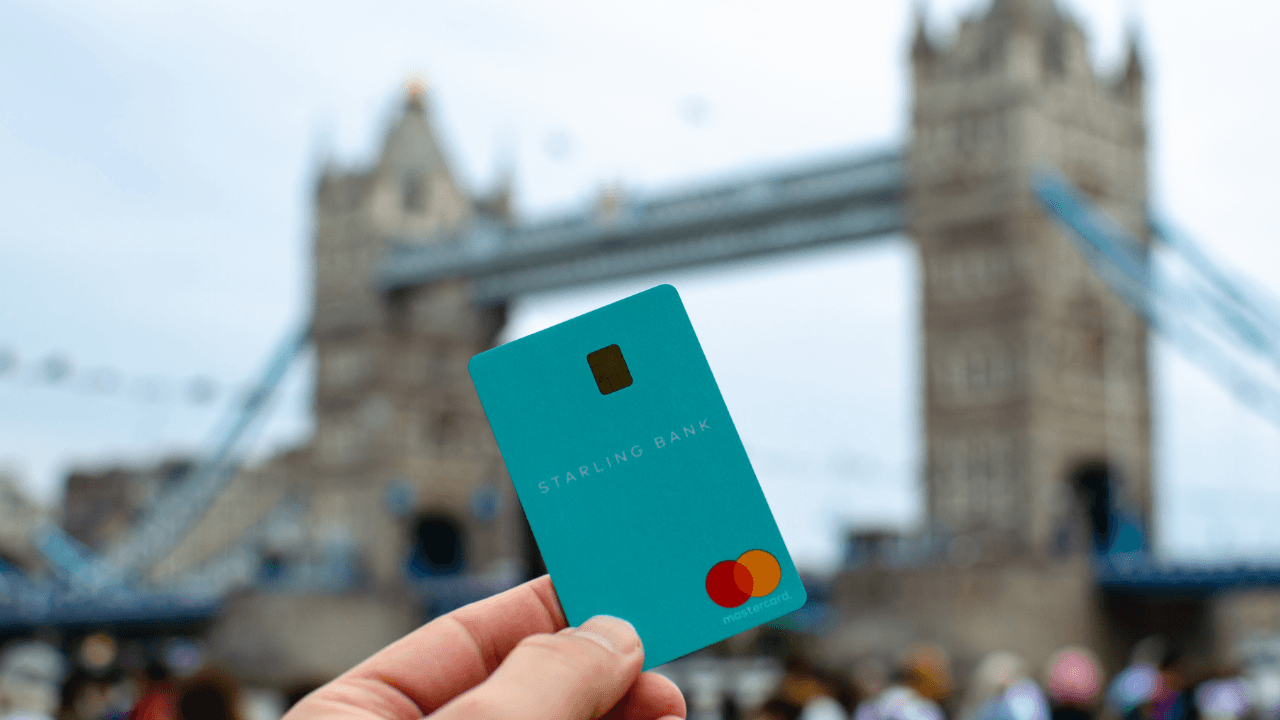
Starling has delayed its climate target. (Image: Starling)
Starling has placed its target to reduce carbon emissions by one-third by 2030 under review after it cited “exceptionally challenging” roadblocks in its mission. The UK fintech – which published its annual report on Thursday – had targeted achieving net zero across the financial services group by 2050. On the road to this goal, the group intended to cut down on emissions by the end of the decade.But in its annual report it said its “rapid growth and supply chain complexities had made our initial target to reduce absolute emissions by one-third by 2030 exceptionally challenging”.“Consequently, in 2027 we will be reviewing our targets to ensure they remain ambitious andcredible,” it added.Speaking about the climate policy review on Thursday, Starling’s finance boss Declan Ferguson said: “We’re just very mindful… we want to make sure that when we make these commitments publicly, that we can deliver on them. “That is something that we are going to ensure that we continue to review this year and ensure that those targets remain realistic and that we can deliver on them.”Starling: We won’t make promises we can’t stick toFerguson said Starling did not want to be “accused of making promises that we simply can’t stick to”.Starling’s fintech peer Oaknorth said earlier this year it expects to meet net zero commitments by 2045, as opposed to previous guidance of 2035 set four years ago.It comes after a fleet global financial services giants have rowed back on climate ambitions. Last year, Europe’s largest bank HSBC pushed back its net zero target by 20 years to 2050.Over the last 12 months, the global Net Zero Banking Alliance (NZBA) has ceased operations after an exodus of members as the political tide turned.Goldman Sachs announced its exit in the month following President Donald Trump election win, where he campaigned on a platform of tearing down green policies. By January, JP Morgan became the last to exit the alliance sealing a complete Wall Street exodus after Citi, Bank of America, Morgan Stanley and Wells Fargo all quit the group.HSBC exited in July, followed by Barclays in August, which claimed the group “no longer has the membership to support our transition”.