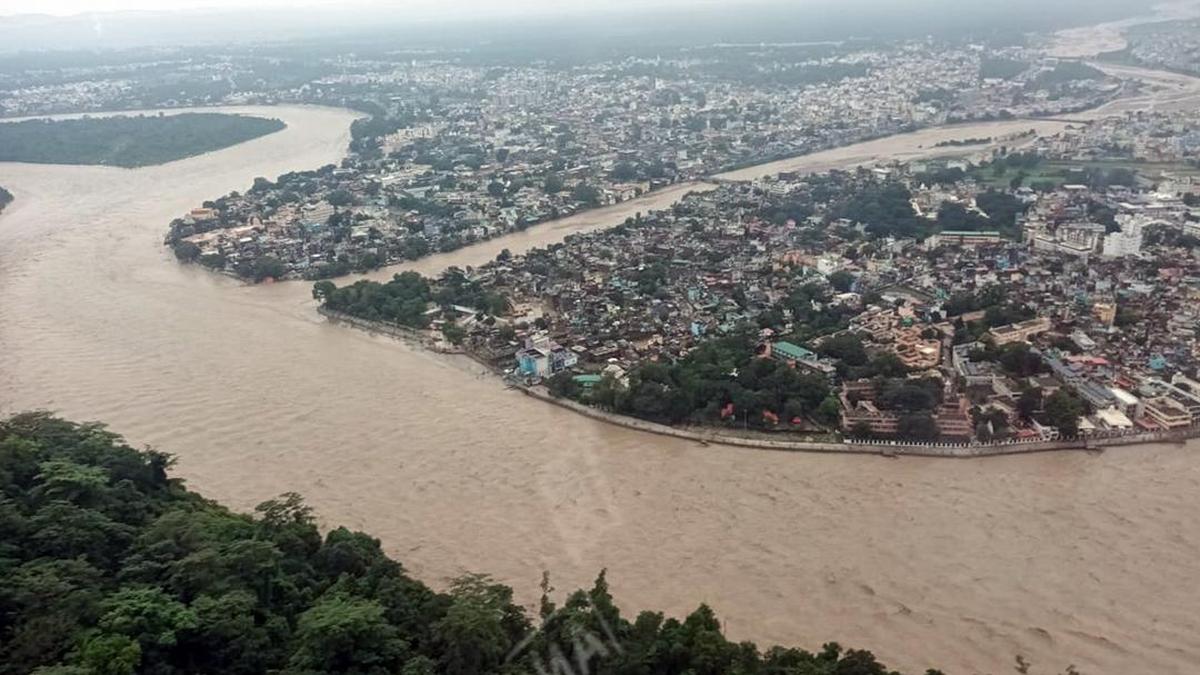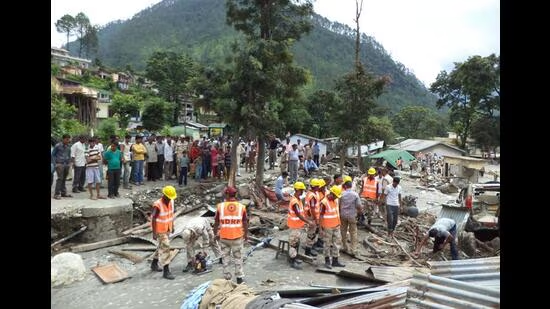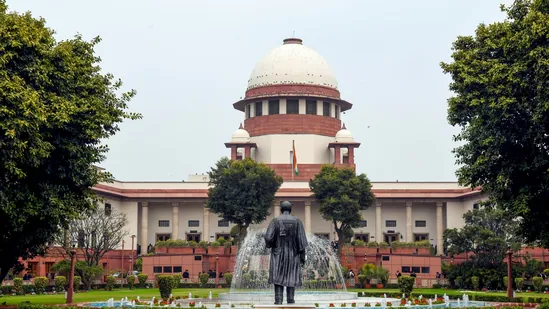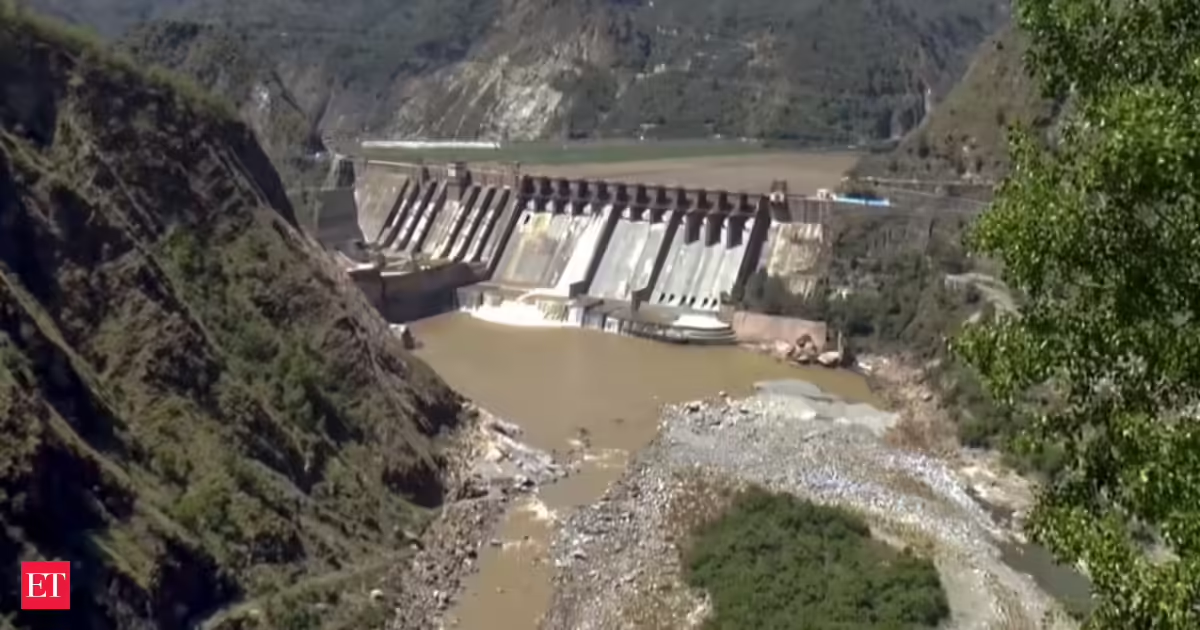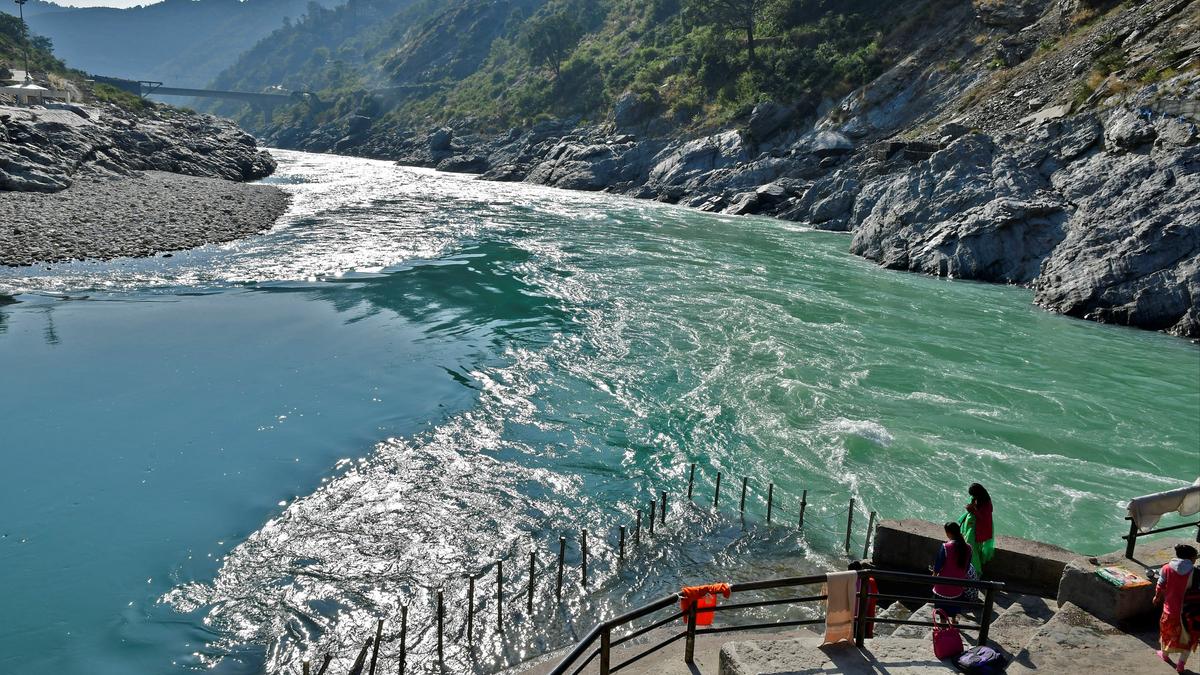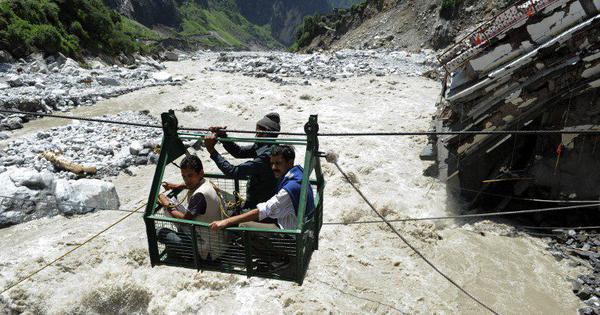
The Union government on Wednesday told the Supreme Court that it is not in favour of permitting any new hydroelectric projects in the Alaknanda and Bhagirathi River basins in the upper reaches of the Ganga in Uttarakhand, The Indian Express reported.In a common affidavit submitted in the court, the ministries of Environment, Jal Shakti and Power said that this is apart from seven projects that have either been commissioned or are in advanced stages of construction, The Hindu reported.These seven projects will have a total capacity of over 2,150 MW. They are the Tehri Stage–II project (1,000 megawatts), Tapovan Vishnugad (520 megawatts), Vishnugad Pipalkoti (444 megawatts), Signoli Bhatwari (99 megawatts), Phata Byung (76 megawatts), Madhmaheshwar (15 megawatts) and Kaliganga–II (4.5 megawatts).Since 2013, the court has been examining the question of allowing new hydroelectric projects in the upper reaches of the Ganga. This question arose in light of the floods in Kedarnath that year, which killed at least 5,000 persons.The court, which took suo moto cognisance of the question, had directed the Union government to examine the role such projects played in amplifying the disaster. It also halted these projects in the state and asked the environment ministry to form a committee to study the impact.The ministry has since formed three committees.Apart from the Union government, the court has been hearing arguments from power companies that have opposed recommendations to halt certain projects.In January, the court directed the Union government to take a final decision on the matter within three months.In the affidavit submitted on Wednesday, the three ministries said that there is a considerable difference in the Ganga river system as compared to other river systems, adding that special treatment is therefore required for this region, The Indian Express reported.It added that the geological and ecological integrity needs to be maintained for the Alaknanda and Bhagirathi basins, which harbour headstreams of the river Ganga.“Headstreams are critical for supplying food/nutrients and critical biodiversity to the riverine ecosystem,” the newspaper quoted the ministries as adding.The affidavit also added that of the seven hydroelectric projects that have been exempted, four were already commissioned and three have already “achieved substantial physical and financial progress”.These projects may be permitted to proceed subject to strict compliance with all applicable statutory provisions and environmental safeguards, the affidavit said.“Apart from these seven projects the Indian government is not in favour of permitting any other new hydro-electric project in the Alaknanda and Bhagirathi River in the upper reaches of the River Ganga in the state of Uttarakhand,” the newspaper quoted it as adding.The three committeesThe first 17-member committee formed to look into hydroelectric projects in the state was led by environmentalist Ravi Chopra, The Hindu reported. It concluded in 2014 that hydroelectric projects exacerbated the disaster and recommended not going ahead with 24 proposed projects.However, the proponents of six hydroelectric projects moved the court seeking permission to resume their work. Subsequently, a second committee was formed in 2015 that found that the six projects had prior clearances but would pose serious ecological impacts, The Indian Express reported.The Union government then set up a third committee under engineer BP Das, who studied 70 projects and recommended in March 2020 that only 28 be given approvals.However, the Union government in 2021 recommended that only seven of these 28 be granted permission to go ahead, The Hindu reported.In August 2024, the court asked the Union government why it had allowed only the seven projects. It also constituted another committee to revisit the BP Das report and take a decision on the 21 hydroelectric projects.
Not in favour of permitting new hydroelectric projects in upper reaches of Ganga, Centre tells SC
This is apart from seven projects that have either been commissioned or are in advanced stages of construction, it added.
592 words~3 min read