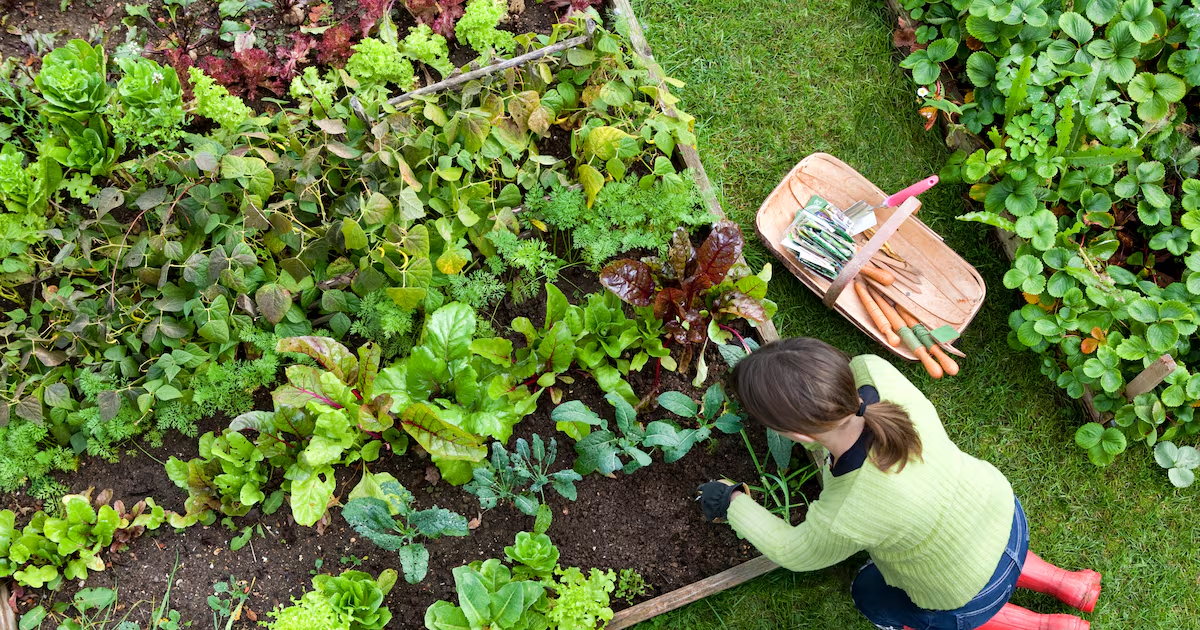
The primary allure of a kitchen garden lies in the unparalleled quality of the harvest (Photo: Gemini)
The concept of a kitchen garden is a timeless practice that goes beyond mere food production, offering a deep reconnection to nature and the source of our sustenance. In an era dominated by industrial agriculture and plastic-wrapped produce, the act of cultivating a small patch of earth, or even a few containers on a sunny windowsill, provides benefits that are as much psychological and environmental as they are nutritional.
The primary allure of a kitchen garden lies in the unparalleled quality of the harvest. There is a distinct, vibrant flavour in a leaf of spinach or a sprig of mint picked moments before it reaches the plate. Beyond taste, the nutritional density of homegrown produce is often superior, as vegetables begin to lose vitamins the moment they are harvested and transported over long distances.
Economically, a kitchen garden acts as a buffer against rising food costs. A single packet of seeds, costing a fraction of a grocery shop bundle, can yield an abundance of greens, herbs, and roots throughout a season.
Moreover, the act of gardening serves as a powerful antidote to the stresses of modern life. Tending to plants requires a specific type of mindfulness. It is a slow, tactile engagement with soil, water, and light. For those living in urban environments, it creates a vital “green lung”, inviting biodiversity such as bees and butterflies into domestic spaces. It also fosters a sense of self-reliance and stewardship, teaching us the patience and resilience required to nurture life from seed to table.