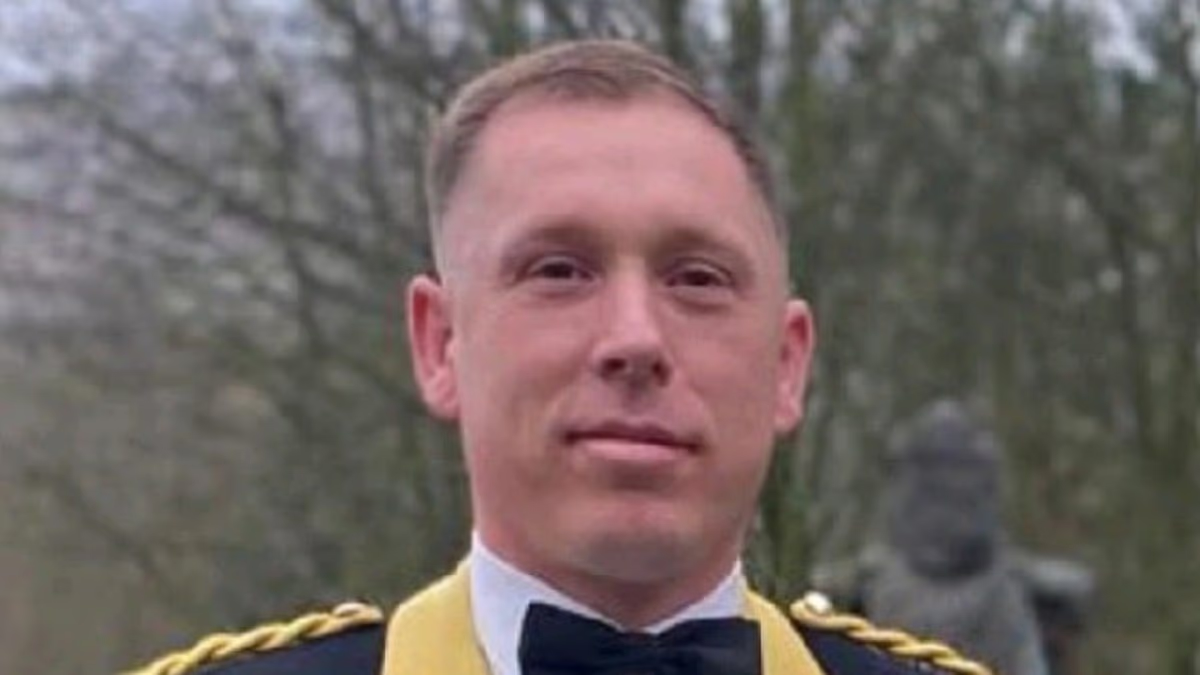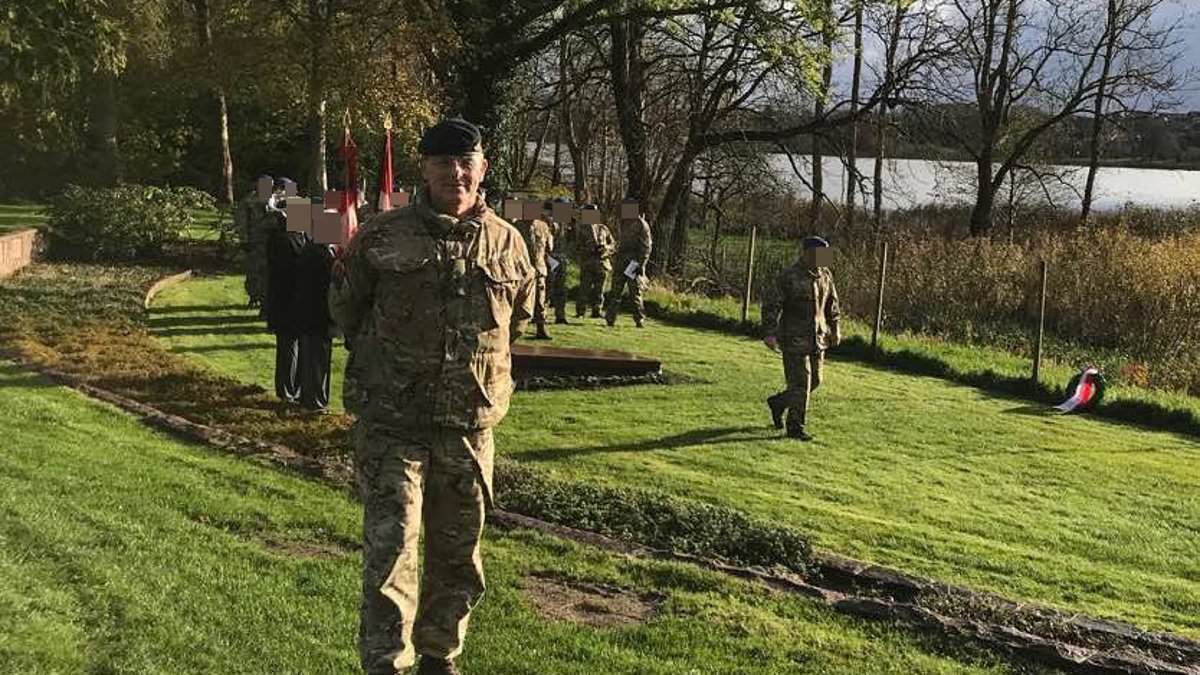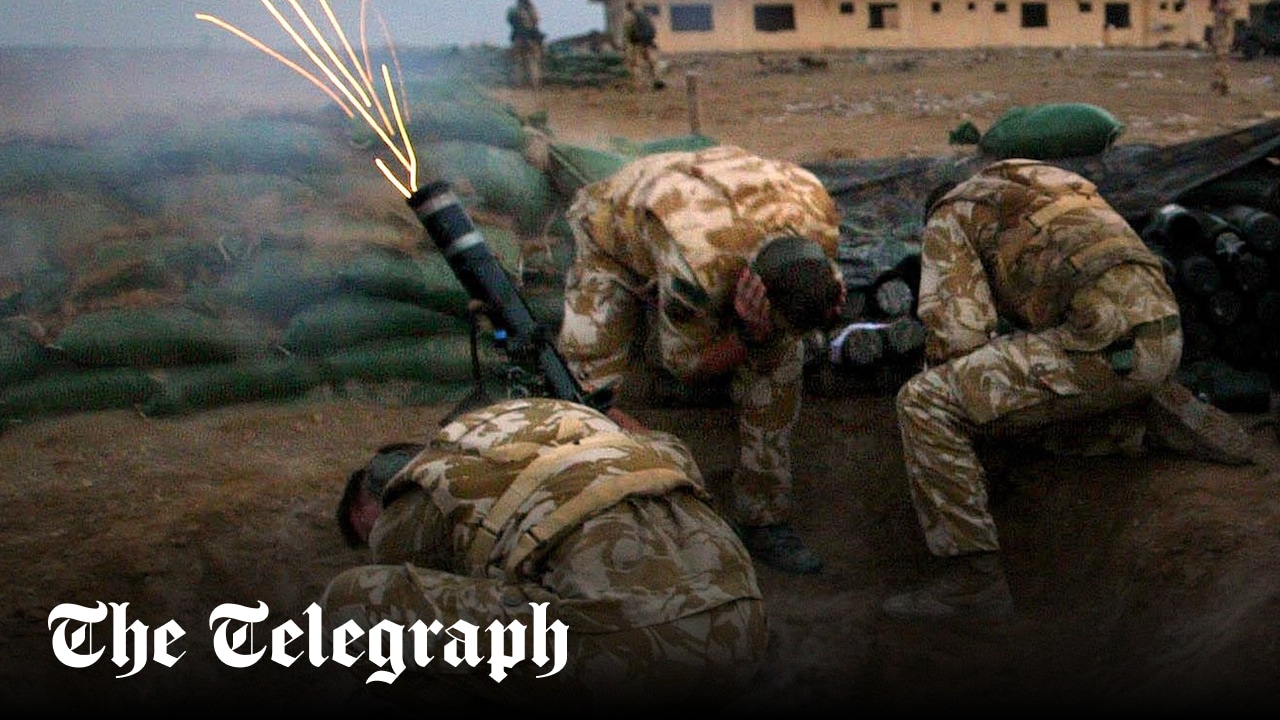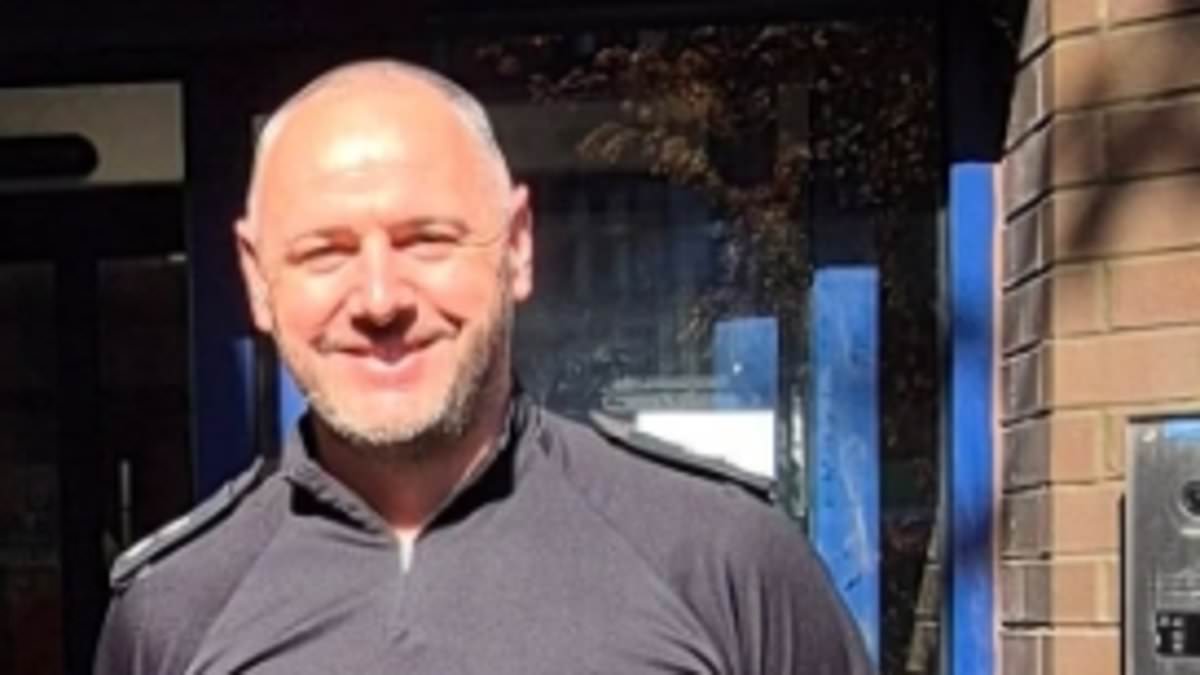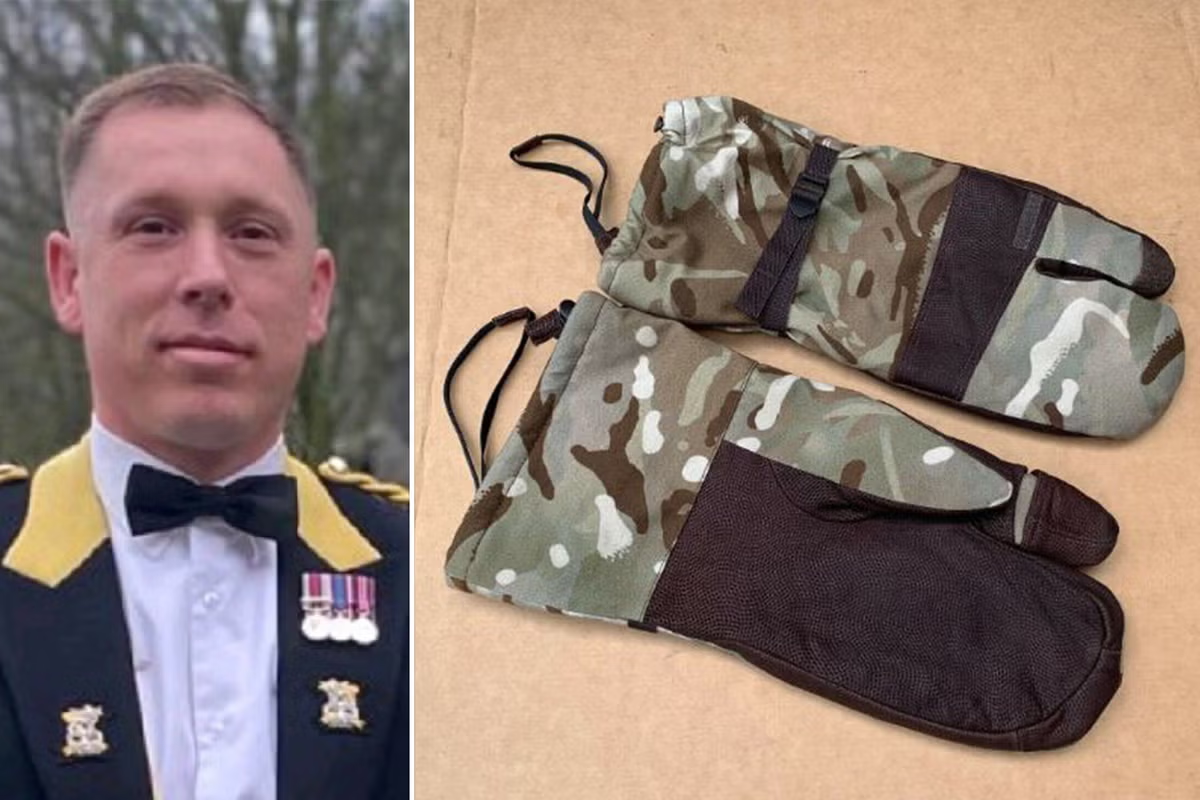
An Army squadron commander who claims he has been left super-sensitive to the cold because he wasn't issued with warm mittens on winter manoeuvres is now suing the MoD for over £200,000.Darren Stoddart, a Tactical Commander in the Light Dragoons, suffered a “mild non-freezing cold injury” and "developed a feeling like [his hands] had thousands of tiny cuts all over them" after prolonged exposure to the cold during a six-week training exercise on Salisbury Plain, in Wiltshire, between February and March 2022.Mr Stoddart, from Hartlepool, was acting as a "vehicle commander" giving tactical training to his squadron during his “deployment”, court documents disclosed, when his hands became increasingly cold-chapped and numbed while driving round the training area in an open vehicle.He is now suing the MoD, claiming the failure of his superiors to give him warm "mittens" - leading to him instead using "standard issue" army kit gloves - has left him with an incurable condition and damaged his military career.Darren Stoddart, suing MoD over non freezing cold injury (Supplied by Champion News)Explaining the case history in documents lodged with London's High Court, his barrister, Thomas Banks, stated: “The claimant spent the first stages of the exercise conducting tactical training with his squadron from his vehicle. The vehicles were ‘open-architecture’ vehicles which meant they had no cover from the elements.“He became wet and cold from the inclement conditions, which was made worse because he often had to drive around the training area in an open vehicle in wet clothing. His hands, in particular, got wet and cold.“Towards the end of the exercise, his squadron conducted a simulated attack in torrential rain."He became soaking wet, but immediately had to drive to a distant part of the training area. He was travelling at speed and exposed to the elements and the wind-chill from driving in an open vehicle."His hands became cold and numb and he lost all dexterity in his fingers.“When he was eventually able to rewarm his hands, they developed a feeling like he had thousands of tiny cuts all over them and the pain kept him awake at night.”Mr Stoddart, who is now suing the Ministry of Defence for negligence, claiming over £200,000 for his lasting cold injuries, says the weather on the training course was unusually cold and wet, and that despite this no warning was issued about the need to take extra weather protection.Army mittens (Supplied by Champion News)As a result, the 40-year-old deployed with “standard issue kit,” including everyday gloves which were “ineffective in cold weather”.“They soaked up water and provided little or no thermal protection. He was not issued with mittens, despite these being in use by the British Army at the material time,” said his barrister.During the latter part of the exercise, he experienced a lack of dexterity in his hands, which “stiffened up” when he wasn't using them, court documents disclosed, and after returning to normal duties his symptoms never fully resolved, leaving him “hypersensitive to heat” if dipping his hands in hot water - and also to cold.Mr Stoddart, whose feet were also mildly affected by the cold exposure, says the cold injuries have taken a toll on his military career, delaying his promotion prospects due to him being medically downgraded and so “limiting his range of activities”.And although he has now achieved a “degree of recovery,” his barrister said, “he remains cold sensitised and will have to avoid working in an uncontrolled cold environment.“He will also have to wear appropriate PPE when at a risk,” he continued. “There is no treatment and the condition is permanent, and needs to be managed by lifestyle choices.”Mr Stoddart’s barrister said his superiors should have been on the alert about the need to safeguard troops from non-freezing cold injury (NFCI) exposure due to established knowledge about the risks.He highlighted a cluster of military documents, which he said demonstrated that Mr Stoddart’s superiors should have been on notice about such hazards, including the 2016 “Joint Service Publication” which issued guidance on “preventing soldiers from developing NFCI”.The guidance explained that each year injuries and even deaths occur among service personnel due to cold exposure, and stressed the importance of risk assessment and wearing appropriate clothes, as well as stating that, “a spare pair of mittens should always be carried as cold and wet handwear contribute to cold injuries”.The MoD's defence to the action was not available from the court at the time of writing.
Army squadron commander sues MoD for over £200k over cold hands
Darren Stoddart is suing the MoD, claiming the failure of his superiors to give him warm ‘mittens’ has left him with an incurable condition
736 words~3 min read