This reporter’s go-to source for divining the investment categories, from all around the globe, that promise the best future returns is a feature on the Research Affiliates website called Asset Allocation Interactive. Research Affiliates oversees $188 billion in investment strategies, chiefly for mutual funds and ETFs, and provides the methodologies for its RAFI funds offered by Invesco, Charles Schwab, Pimco, and State Street. The firm’s chair and founder, Rob Arnott, is the former editor of the Financial Analysts Journal, and enjoys great respect in academic circles; in fact, his shop is a magnet for top PhDs in finance. Most of all, the formula that Interactive deploys for positing the gains-to-come is basic, convincing, and rooted in bedrock market math. You might summarize its message as “when you’re buying at extremely rich prices, you’ll usually fare poorly in the years ahead, and vice versa.”
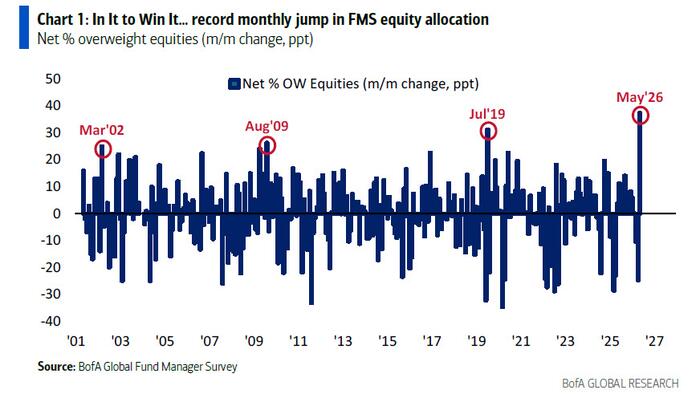
That’s a credo you’ll seldom hear from Wall Street, but it’s worth adopting as a North Star, especially in today’s near frenzy that drove the S&P to an all-time high on May 14—after gaining 22% in the past year on top of an already towering valuation.
Here’s the dynamic that’s heavily swaying the Asset Allocation Indicator: The big rise in yields has made dull but super-safe Treasuries—the 10-year just hit 4.7%—a lot more attractive while the boom in U.S. large caps has rendered the class as a whole an extremely poor buy. The contrast between the big loss of promise on the equity side and rise in fixed-income’s appeal is so jarring that Treasuries and even cash look like a better bet than the S&P 500 in general, not to mention the likes of the Mag 7.