(Image credit: Future)
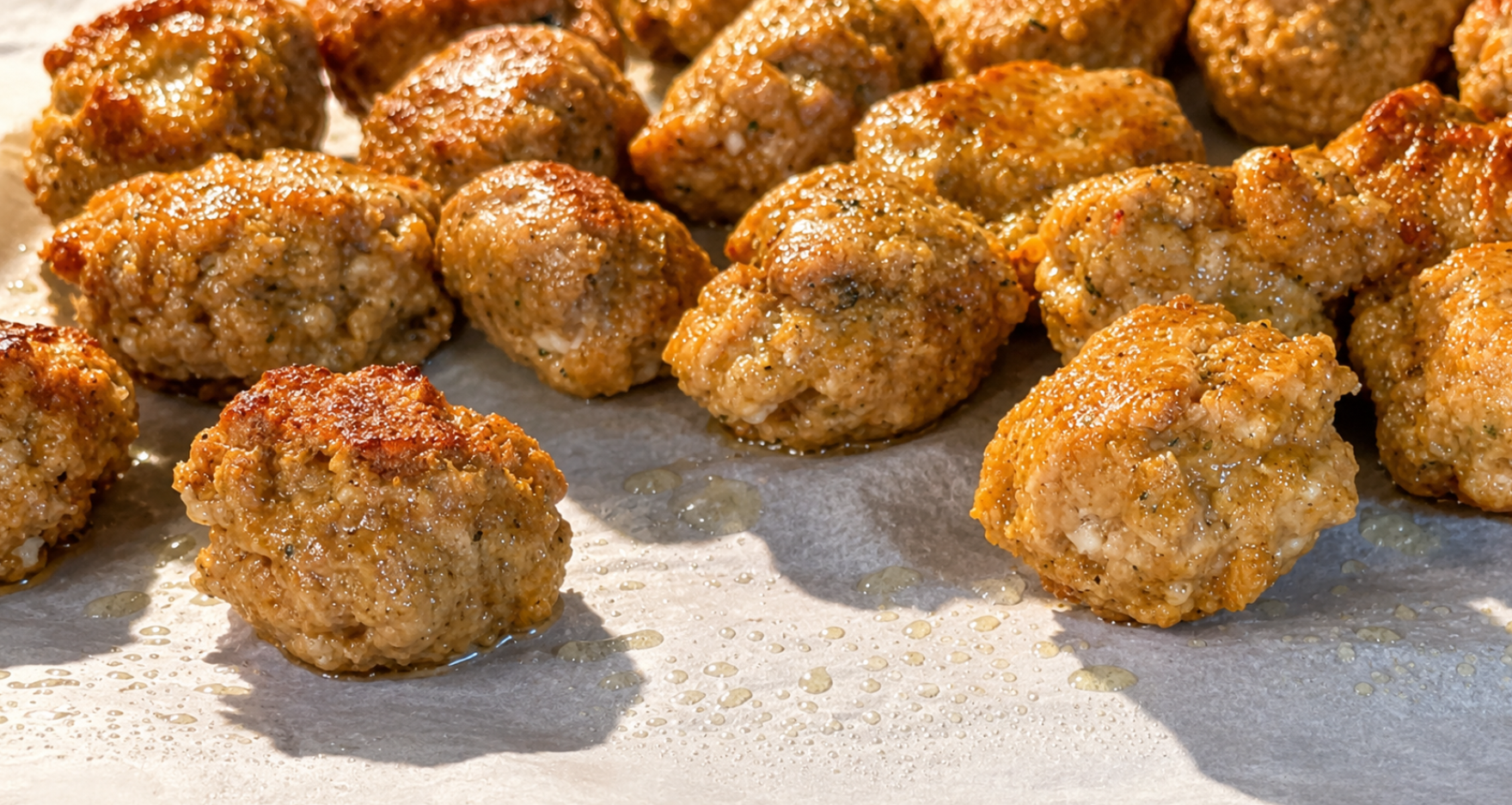
Making dinner every night for a family of five is one of those things that has to be done even when I am exhausted and would rather order out. It doesn't help that my kids are picky eaters. One day they love what I make, the next day my middle schooler calls my cooking "mid." And while I would love to order takeout more often, especially now that the GrubHub app is in Alexa+, it's just not in the budget. Plus, since ChatGPT has access to millions of recipes online, I figured it would be easy for it to help me recreate Chick-fil-A at home. Copycat recipes have existed on the internet for years. And AI is supposedly built to recognize patterns, combine information and deliver the “best” version of something instantly.So naturally, I figured asking ChatGPT to recreate the perfect Chick-fil-A nuggets at home would be almost foolproof. Well, I was wrong.I started by gathering the ingredients What surprised me was that when ChatGPT gave me the recipe, it didn't cite any sources. I should have immediately taken this as a red flag. One Google search will tell you that there are plenty of Chick-fil-A copycat recipes, so it could have pulled from those. But the AI confidently delivered a recipe that looked accurate, and I foolishly took it at face value.Instead, I bought the ingredients and thought about how pleased my family would be with such a fun and different dinner. And to my credit, I followed the recipe exactly as ChatGPT suggested. The instructions seemed correct.The instructions were detailed. The measurements looked professional. It even explained why certain ingredients mattered, which made the whole thing feel even more trustworthy.But after spending over an hour breading chicken, heating oil and trying to recreate one of the most recognizable fast-food sandwiches in America, I could just feel something was off.ChatGPT was over confident and under delivered