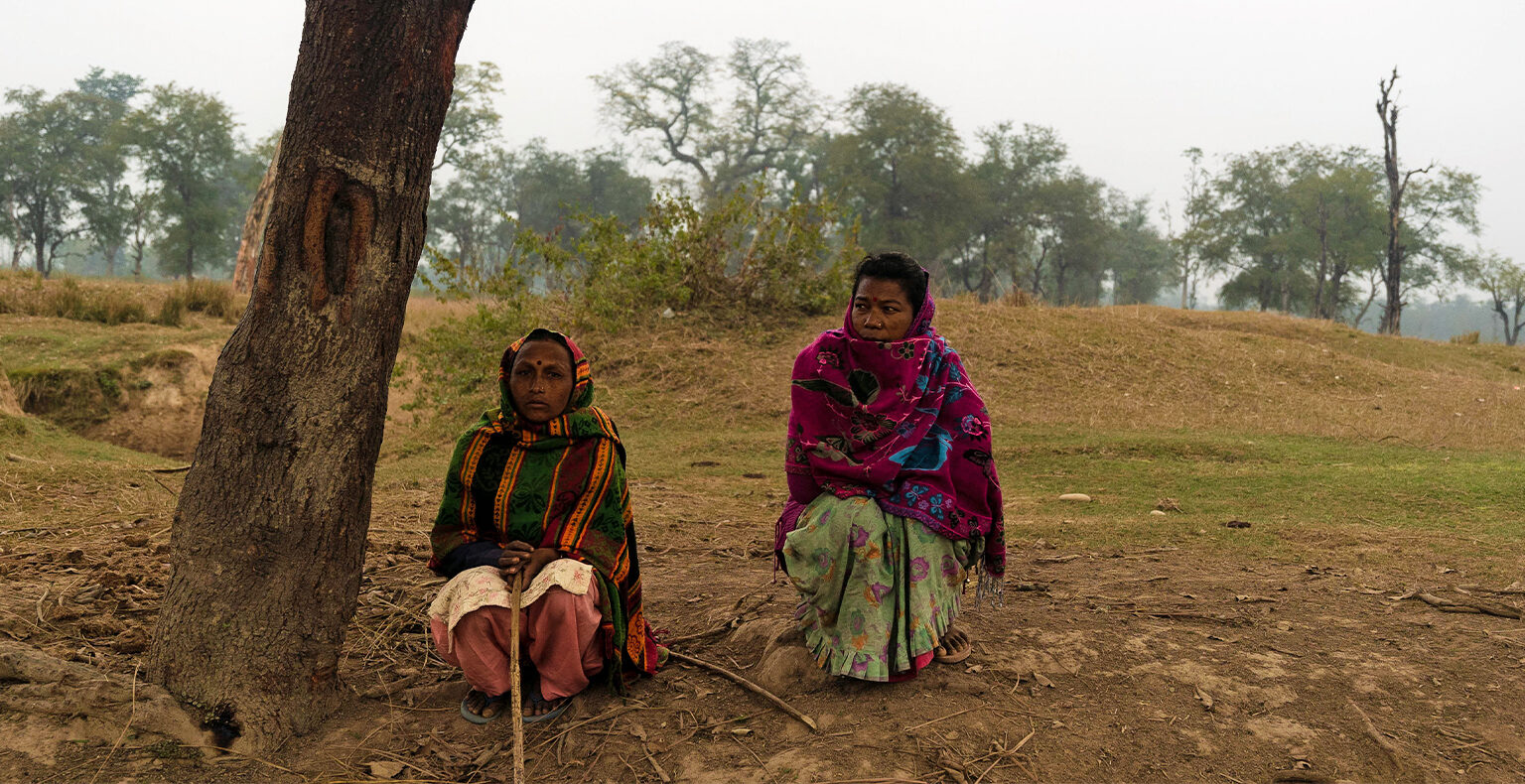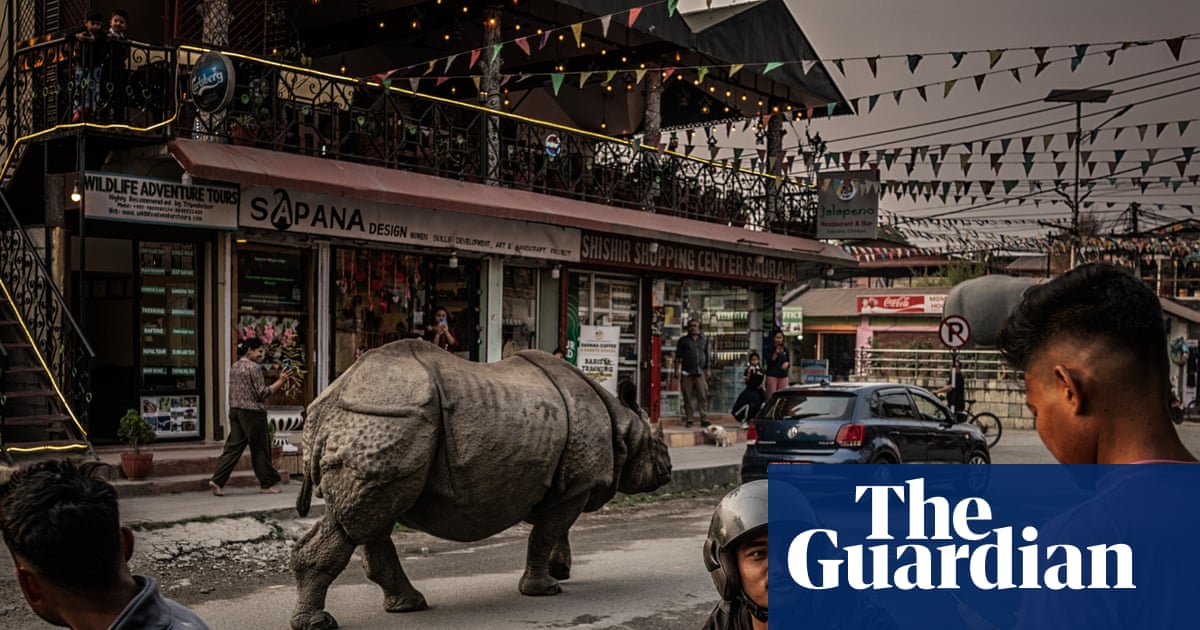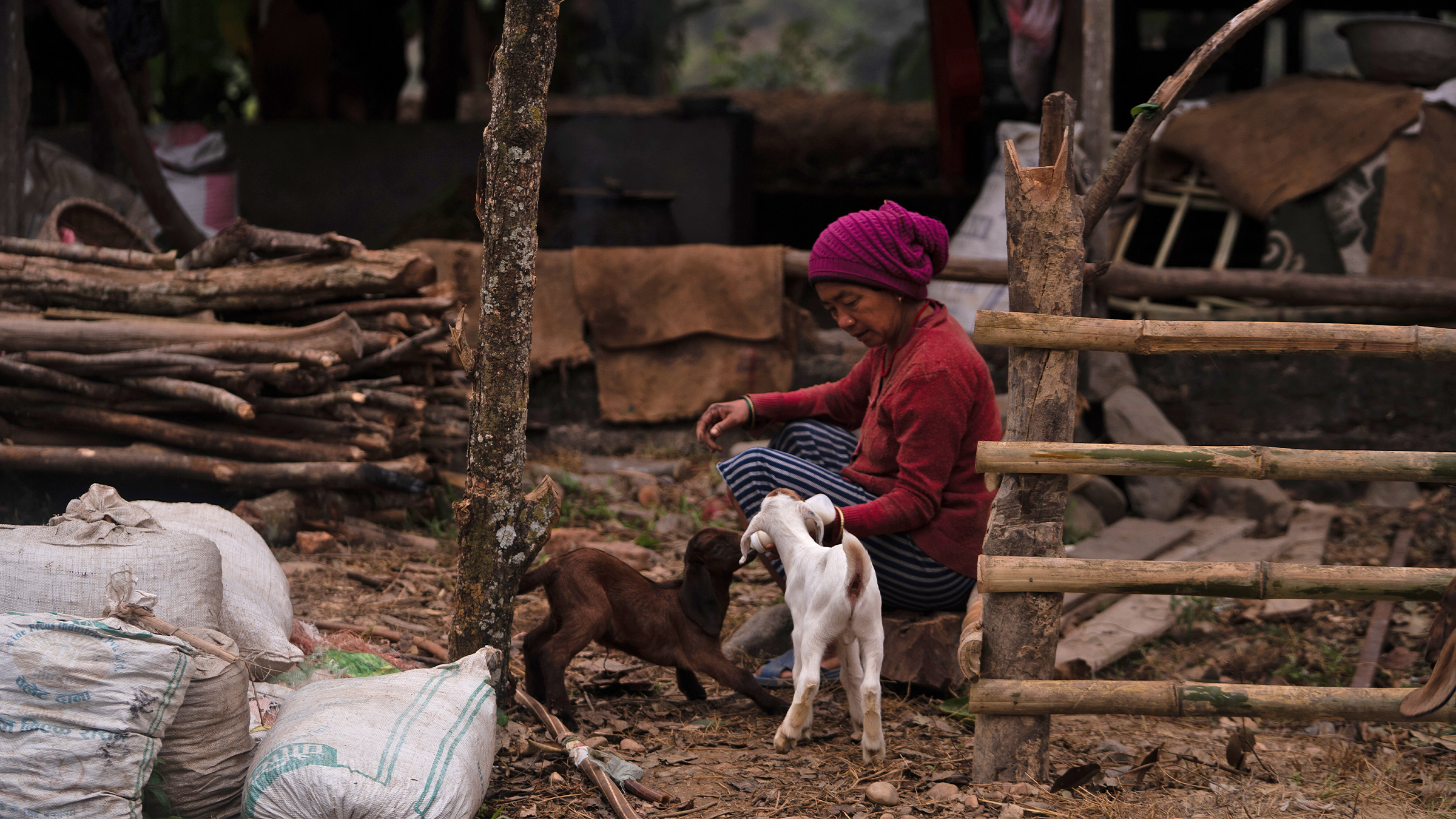
Women in forest-edge communities around Bardiya National Park are increasingly exposed to human-wildlife conflict, as daily subsistence work brings them into forests where encounters with tigers and other wildlife occur.Labor migration has shifted agricultural and household responsibilities onto women, pushing many to collect fodder, firewood and other forest resources in high-risk areas.Most fatal wildlife encounters occur during routine livelihood activities, such as cutting grass or grazing livestock in forests and buffer zones where people and wildlife share space.Nepal’s widely celebrated tiger conservation success is unfolding alongside growing risks for rural communities, particularly women who depend on forests for daily survival; meanwhile, women remain largely absent from the institutions that shape conservation policy.
BARDIYA, Nepal — On the morning of Feb. 6, the road leading to the Bardiya District Administration Office in western Nepal was filled with people moving as one. Dust rose from their footsteps. Voices layered over each other, murmurs turned into chants and anger hardened into demands that echoed off the building’s walls.
Dozens pushed through the main gate, some carrying hastily painted banners, others empty-handed but resolute. Their three demands: fair compensation for families, death to leopards that attacked villagers and protection for people who should have been there all along.