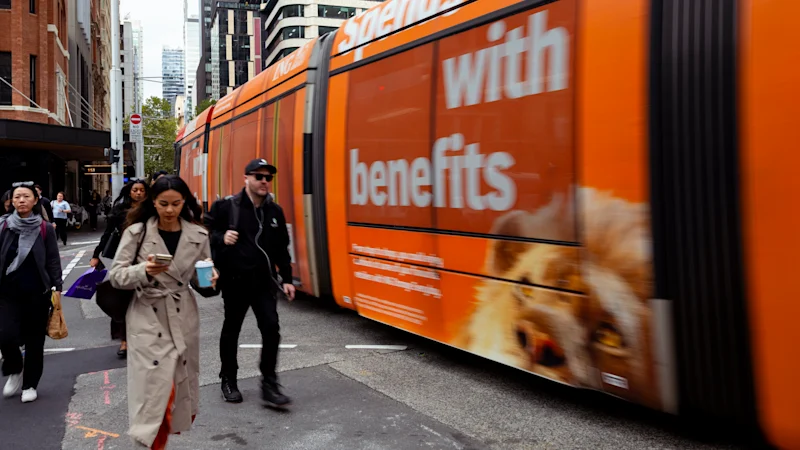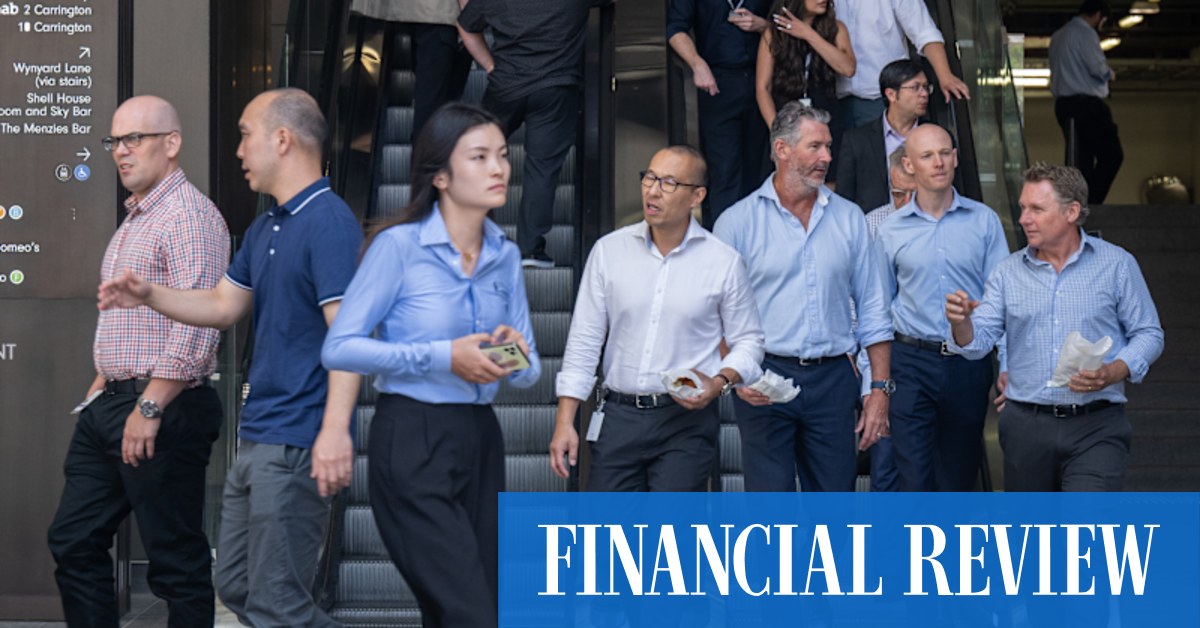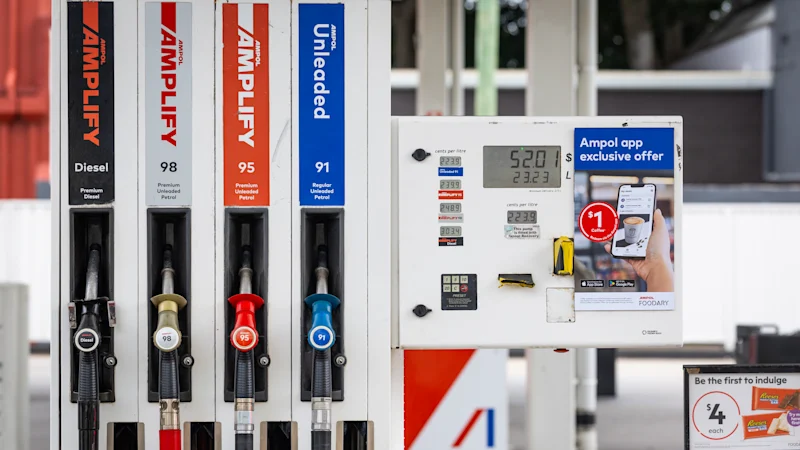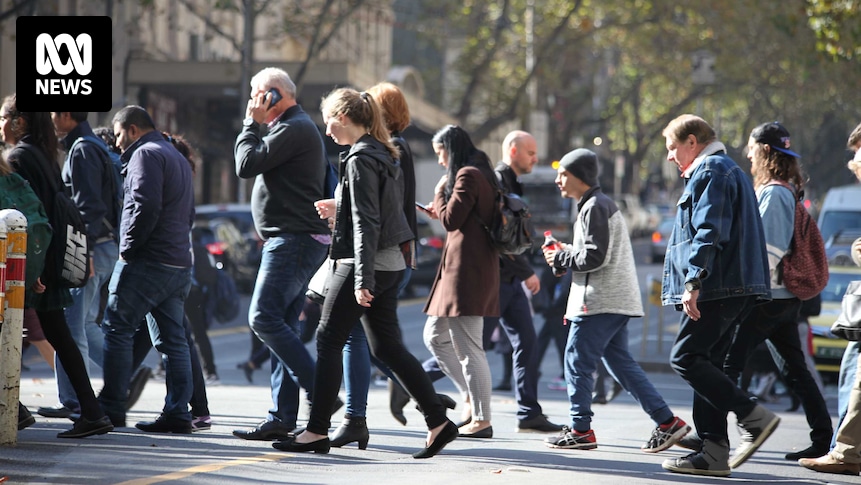
Updated May 21, 2026 — 3:53pm,first published 12:21pmHigh interest rates, cost-of-living pressures and the war against Iran may have pushed the Australian economy into a downturn after new figures showed unemployment jumping to its highest level since the depths of the pandemic.Expectations of further interest rate rises by the Reserve Bank this year dropped sharply after the Australian Bureau of Statistics reported the jobless rate hit 4.5 per cent in April, following a fall of 18,600 in the number of people with a job.Commuters heading to work during peak hour.Dominic LorrimerThe epicentre of the job losses was the nation’s biggest economy, NSW, with the state shedding 44,000 positions last month, while those groups most likely to be axed first by businesses at the start of downturn, young people and women, also suffered job losses.At 4.5 per cent, unemployment is at its highest level since the Delta strain of COVID hit the country in late 2021. Annual jobs growth tumbled from 258,000 in the 12 months to March to 129,000 in the year to April, while the employment-to-population ratio fell to a four-year low.HSBC Australia chief economist Paul Bloxham said the figures, which were at odds with market expectations of a near 15,000 increase in jobs through April, looked decisive.“Today’s jobs market figures were the sort of decisive marker that we have been on the lookout for that would confirm that the economy has already entered into a downturn – as the key sentiment indicators have already been showing,” he said.“Taken together with a sharp fall in consumer and business confidence, a sharp fall in auction clearance rates and indications that housing prices are falling too – paint a picture of an economy that is already in a downturn.”The April figures covered the Easter school holidays which can cause measurement issues.Analysts cautioned that the figures contained some highly unusual results that are unlikely to be sustained. The number of women aged between 15 and 24 holding a job suffered its biggest fall, outside the pandemic, on record. Unemployment among 15 to 19-year-olds jumped by 17 per cent.But April covered the fallout from the war in Iran that had pushed fuel prices up by almost 40 per cent. It was also the month during which the full impact of the Reserve Bank’s February and March rate rises hit borrowers.Ahead of the figures, markets put the chance of a rate rise at the RBA’s June meeting at one in five. This immediately fell to just 9 per cent, while expectations for a rate rise in August also eased. Markets believe there is some chance the Reserve will have to start cutting rates next year as the jobless rate approaches 5 per cent.The jobless rate is higher than both the most recent forecasts from the Reserve Bank and federal Treasury which are expecting the economy to slow through 2026-27.Employment Minister Amanda Rishworth conceded the figures suggested a softening in the jobs market caused in part by the fallout from the war in the Middle East.“The figures demonstrate the ongoing resilience of the Australian labour market, because despite the uptick in the unemployment rate, it remains low by historical standards,” she said.However, shadow treasurer Tim Wilson the government had promised unemployment would fall but it was now climbing.“The small and family businesses of Australia are losing confidence, and that will hurt employment growth,” he said.The data came after S&P Global’s measure of manufacturing activity in Australia showed a sharp drop this month. New orders fell at their fastest pace since September 2021 while employment was down for the first time since the end of 2004.Business sentiment was at its lowest level on record with firms worried about inflationary pressures.“These preliminary data provides insight into the health of the Australian private sector as we move into the third month since the outbreak of war in the Middle East,” S&P Global Market Intelligence economist Eleanor Dennison said.“Although firms continued to report significantly elevated price pressures often linked to raised energy costs and its knock-on effects, the rate of inflation softened from April.“Overall, the demand environment deteriorated further, as signalled by a faster and solid reduction in orders, which led to a fresh fall in output and encouraged firms back into retrenchment mode when it came to workforce numbers.”Westpac economist Ryan Wells said early signs of the strains facing the economy were evident.“The shock associated with the Middle East conflict and recent interest rate rises is almost certainly in train, and it will still take time to fully work its way through household spending, into profit margins, to eventually impact decisions around investment and staffing further down the line,” he said.Get across all our coverage Winners and losers: This is who benefits from the budget, and who misses out Tax changes: Negative gearing, CGT, family trusts and how this will affect the property marketGenerational divide: Baby Boomers, Gen X, Millennials and Gen Z, this is what the budget means for youListen: Jacqueline Maley and Paul Sakkal on Angus Taylor’s immigration planCut through the noise of federal politics with news, views and expert analysis. Subscribers can sign up to our weekly Inside Politics newsletter.Shane Wright is a senior economics correspondent for The Sydney Morning Herald and The Age.Connect via X or email.From our partners
Economy crunched as unemployment hits highest level since pandemic
The Iran War and inflation are starting to hit Australia’s jobs market. Experts say this has effectively killed the likelihood of another rate rise next month.
875 words~4 min read