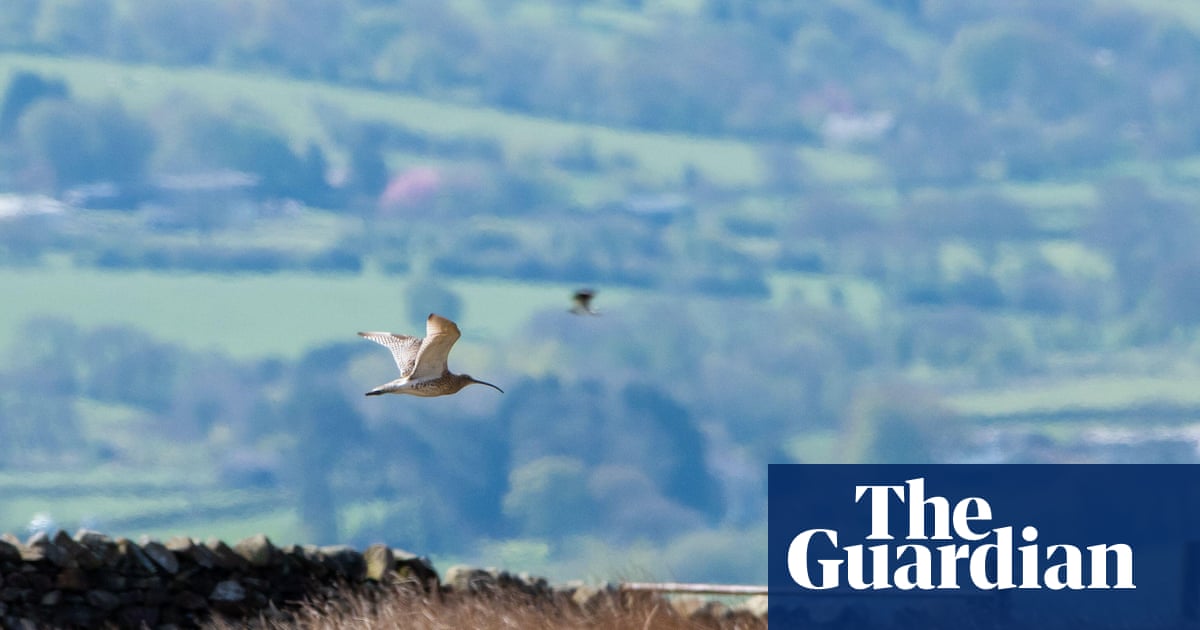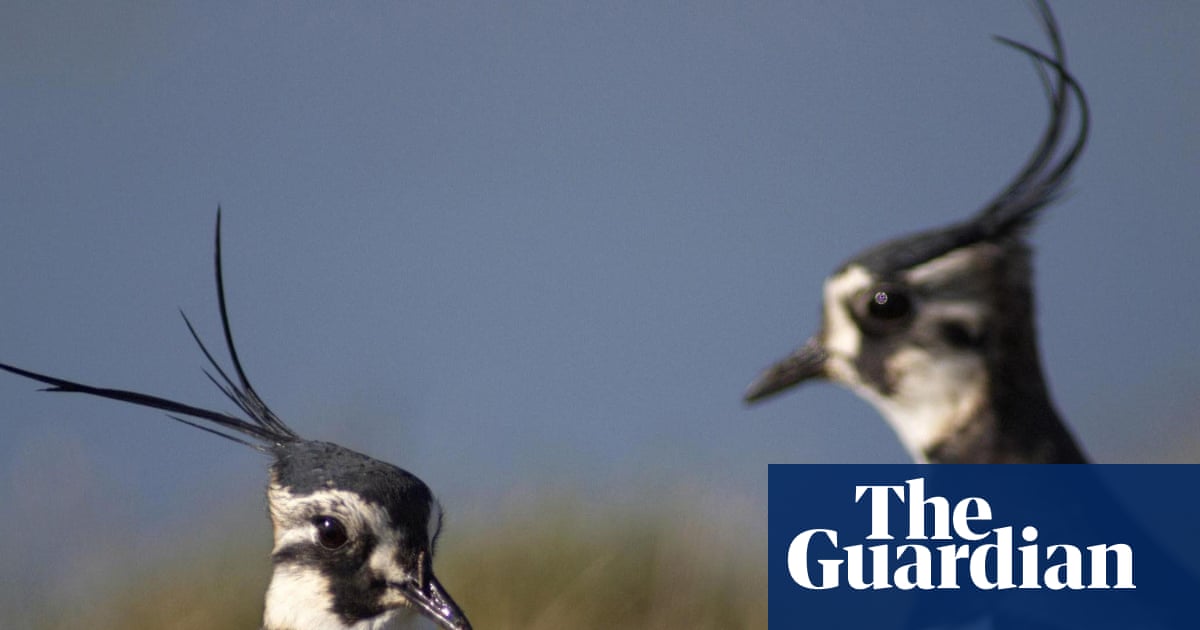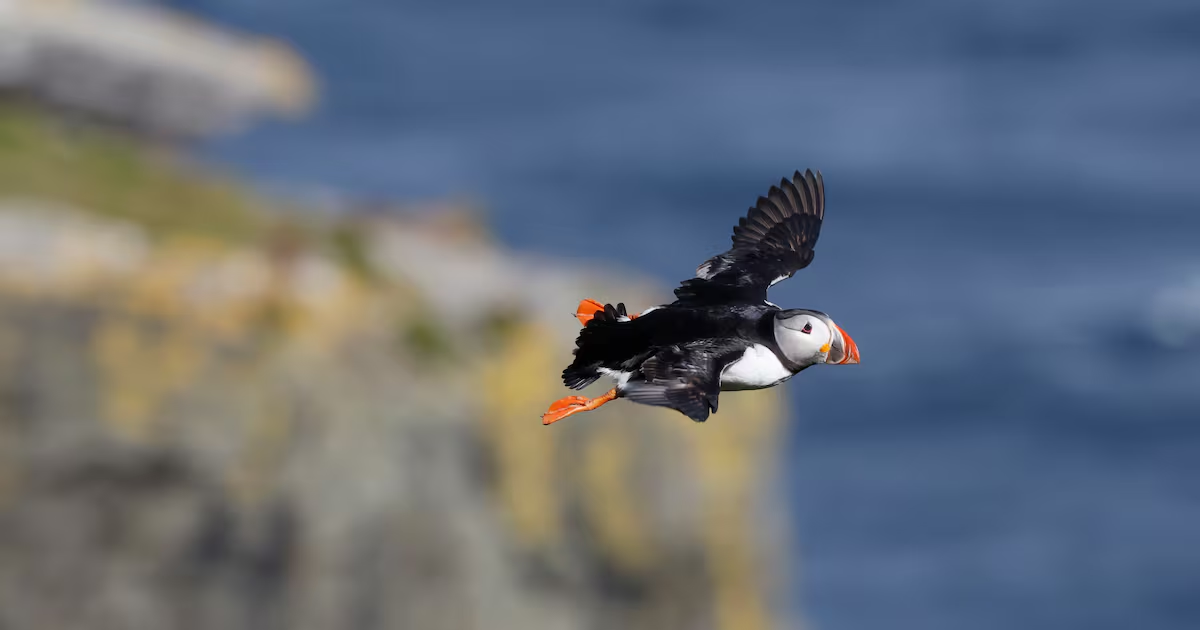
The statistics about the state of Ireland’s natural habitats – and our native birds – are alarming. Ninety per cent of our internationally important habitats are in poor condition. Sixty-three per cent of our 212 wild bird species are in danger. Successive governments have let nature wither by allowing sectoral interests to run roughshod over it. Birds of Irish farmlands are the fastest-declining group. Species including curlew, lapwing and other breeding waders are on life support. And common birds are at risk – the common kestrel is disappearing. Birds of lakes, turloughs and estuaries are also in trouble. These mostly migratory waterbirds are sensitive to development, disturbance from people and the effects of climate change. Irish birds of peatlands and uplands are as special as the peaty habitats they live in, but they too are struggling. They include the hen harrier – also known as the skydancer for its spinning, twisting dives in the air to attract a female. And while seabirds such as the puffin and kittiwake still breed in Ireland in high numbers, they are globally vulnerable and we have a duty of care to them.A curlew feeding in the tidal Clonakilty Bay, west Cork. Photograph: Michael Mac Sweeney/Provision But it’s not all bad news. Some vital restoration projects have had encouraging results. The numbers of migratory terns have skyrocketed at Rockabill island, Kilcoole beach and Lady’s Island Lake through National Parks and Wildlife Service (NPWS) conservation projects, run by BirdWatch Ireland. These “sea swallows” travel from as far away as West Africa and even Antarctica, choosing our small offshore and lake islands and sandy coastal beaches to lay their eggs.Funding from the now-threatened Life fund in Europe allowed BirdWatch Ireland to restore marshy habitats for the red-necked phalarope, better known as the “fairy bird” of Belmullet, which is now breeding there again. This very cool bird spins like a dervish in ponds to bring the insects up to the surface to eat, and it is the male who incubates and tends to the chicks after the female lays eggs and abandons him and her clutch. The Irish Government is recognised across Europe for its results-based agri-environment schemes to restore nature. Farmers have taken to these schemes, but funding will need to be bolstered in the coming years if they are to continue to bear fruit and in recognition of the work that farmers are doing. These hopeful stories show what funding, science, building good relations and nature protection ambitions can achieve. But critically the habitats are there in the first place to allow restoration to take place. In Ireland, we still have something to work with. This would not be the case without the Birds and Habitats Directives. These powerful European Union laws – also known as the nature directives – are recognised as the best in the world and have been essential in protecting some of our rarest species and habitats.These directives provide a robust legal framework to protect the most important sites for nature (called the Natura 2000 network of special protection areas for birds and special areas of conservation for habitats and species.) They require governments to protect all bird species, bats, otters and more. They prevent the killing of birds, destruction of nests and disturbance to birds during their most vulnerable time, when they nest. The red-necked phalarope, known as the ‘fairy bird’ of Belmullet. Photograph: Richard Mills, reproduced with the permission of Birdwatch Ireland Worryingly, though, the nature directives are under threat in Ireland and across Europe, because they get in the way of industry. The current language used around Europe is of “simplification” and “deregulation” – this is code for getting rid of or weakening pesky nature laws that appear to constrain progress and profit.The Irish Government also wants to “simplify” them, as though we can’t achieve our housing targets without bulldozing our rarest habitats, or concreting over important feeding areas and nesting grounds. [ Ireland rejects EU allegations of failure to protect marine habitatsOpens in new window ]This is the second time in 10 years that there has been an attempt to undermine these laws. A fitness check of the nature directives by the European Commission in 2016 concluded that they were fit for purpose and that all that was needed was better implementation and investment. Now a new “stress test” has been initiated by the commission to see if nature can be protected in a cost-efficient way. The attacks on nature are relentless, and threaten to reverse progress on restoration not only for wildlife but for our resilience against flooding and sea-level rise and our ability to mitigate climate change. If we’re serious about stopping the further degradation of Ireland’s bird species and wildlife management, the Government needs to invest in better implementation of the nature directives. This would mean plans for protected areas that include local communities. We need ecologists working at every layer of government, including local authorities, and we need more staff for the NPWS. Ultimately, we need policy that works with nature and not against it. I was recently in Albania representing BirdWatch Ireland at a nature and climate taskforce meeting. I had a chance to visit the Vjosa-Narta lagoon and its long beach area flanked with pine forest, a globally important site for biodiversity and a protected area that is host to thousands of birds and many other species and a buffer against sea-level rise. But Donald Trump’s son-in-law Jared Kushner and other developers have been given permission by the Albanian government – without any environmental assessments – to concrete over it with a luxury resort, which will wipe out the wildlife and its habitat. Albania wants to join the EU in 2030 but has not integrated the Birds and Habitats Directives into its laws. As a result, the future of this lagoon and its amazing wildlife is grim. The nature directives include an emergency brake to protect habitats, birds and wildlife. They are currently being framed as the obstacle – when the real obstacles are shockingly inadequate investment in implementing them and in nature itself. Changes to the directives could wipe out vitally important areas for nature, undermine restoration plans and endanger the natural buffers we rely on against climate change. Oonagh Duggan is head of policy and advocacy at BirdWatch Ireland
Opinion: Two thirds of Ireland’s wild bird species are in danger. So are the rules protecting them
Nature directives protecting the habitats of species such as the ‘fairy bird’ of Belmullet are being threatened in the name of progress
1,049 words~5 min read