Get the latest news and updates from Dawn
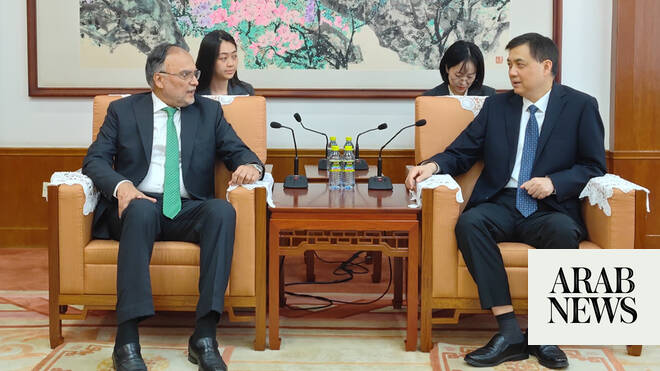
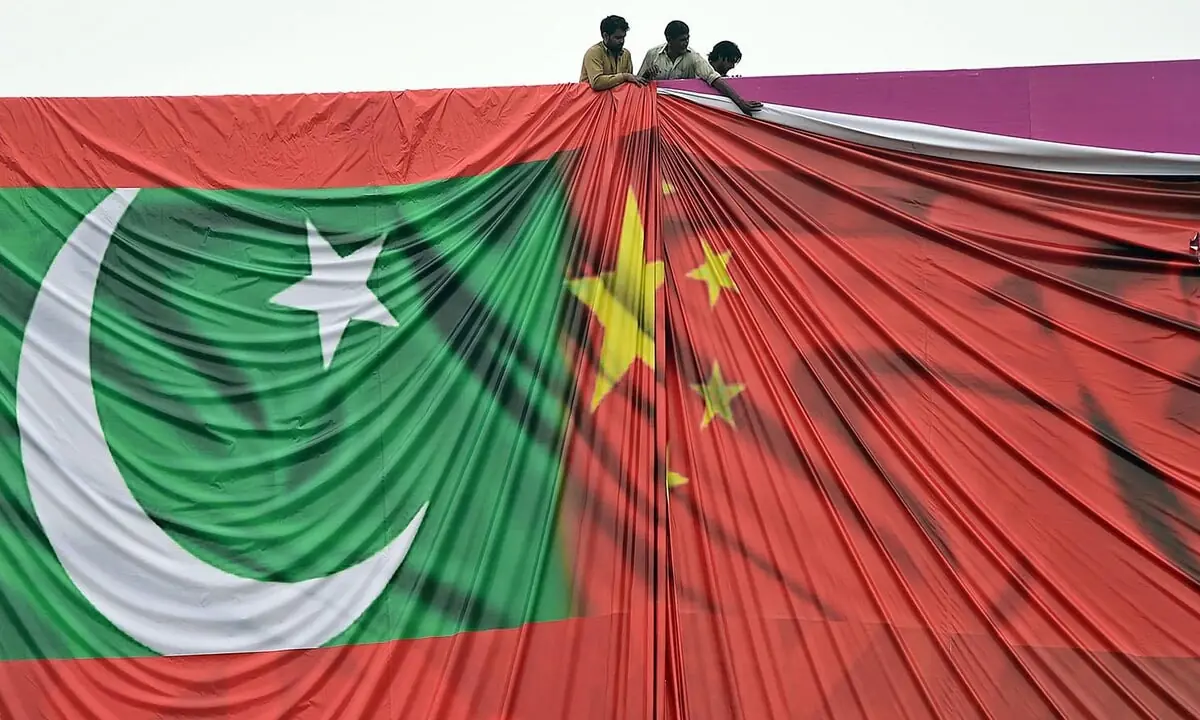
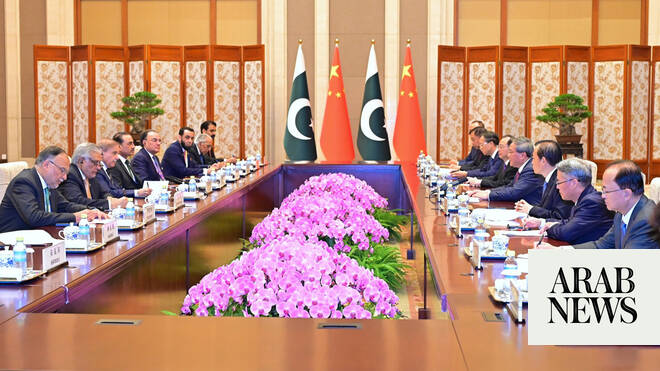
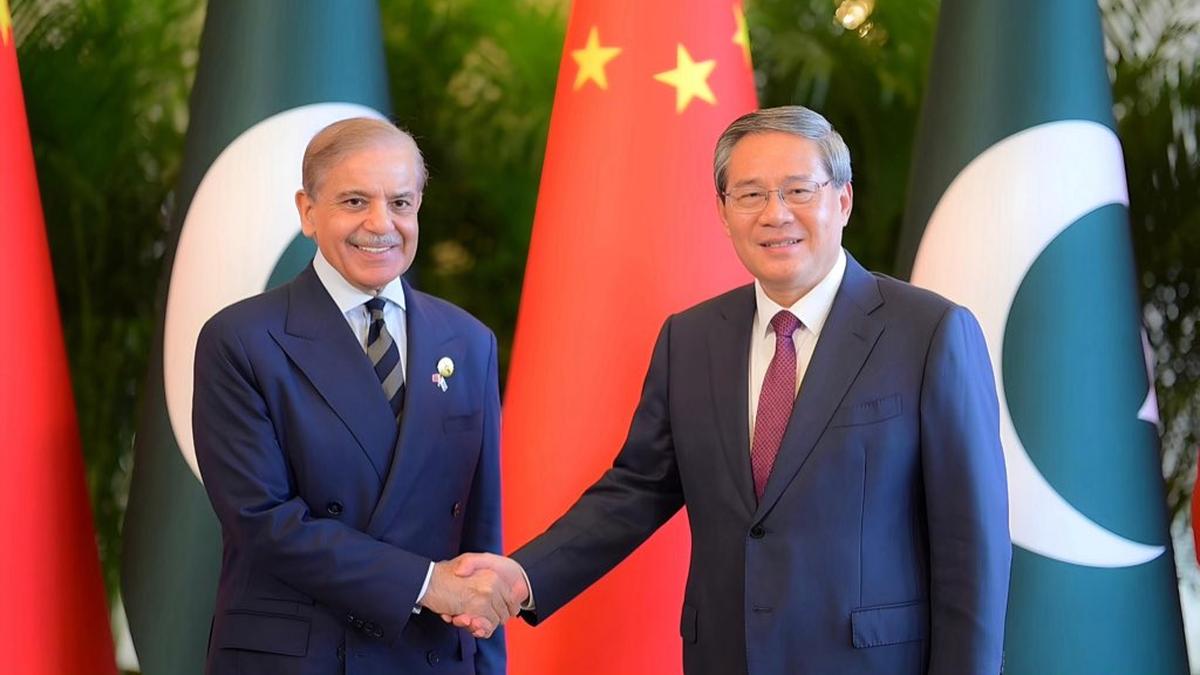
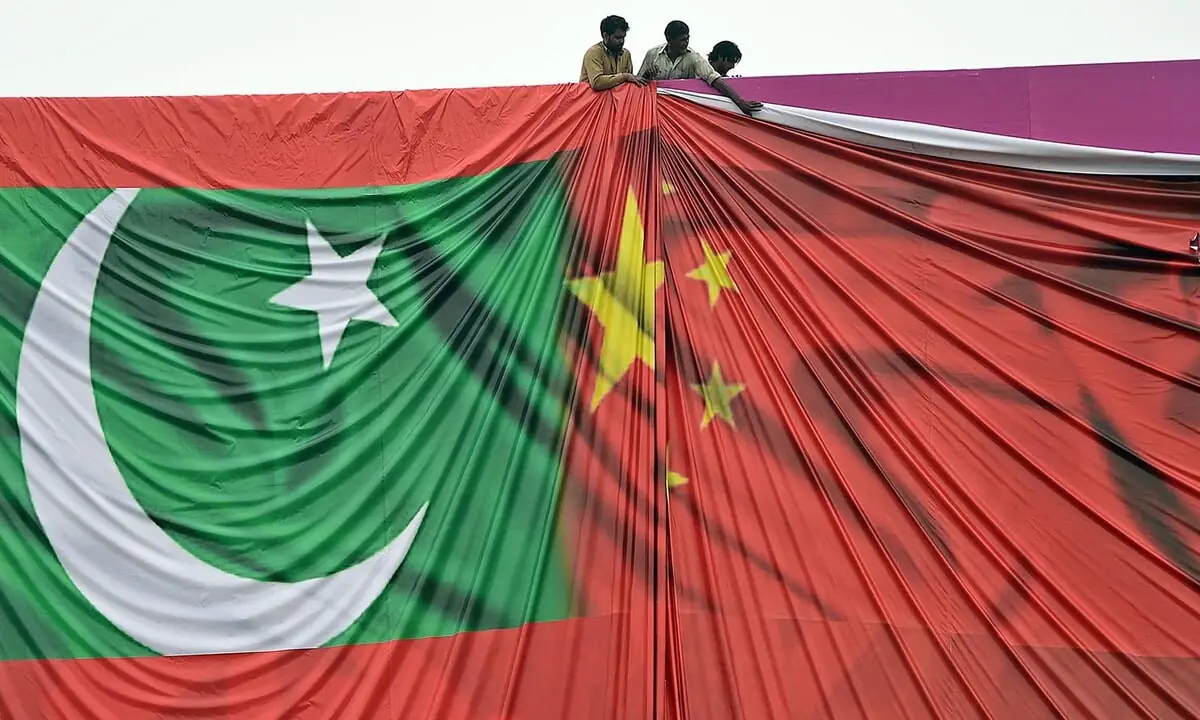
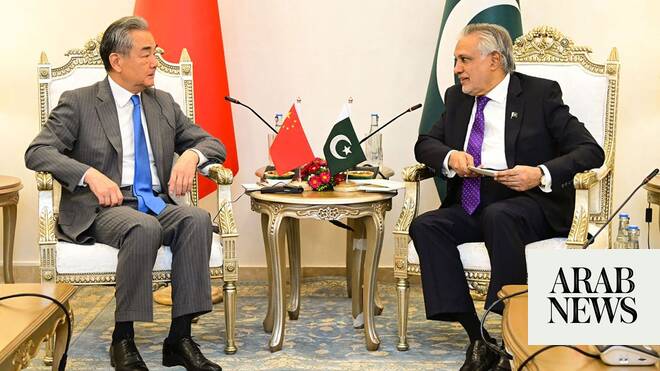
AS Prime Minister Shehbaz Sharif travels to Beijing this week to mark 75 years of Pakistan-China relations, the centrepiece of his agenda will be CPEC 2.0. The 14th Joint Cooperation Committee (JCC) meeting in September 2025 formally launched phase II, anchored in five corridors: growth, livelihood, innovation, green development, and regional connectivity. The direction, at last, is set.
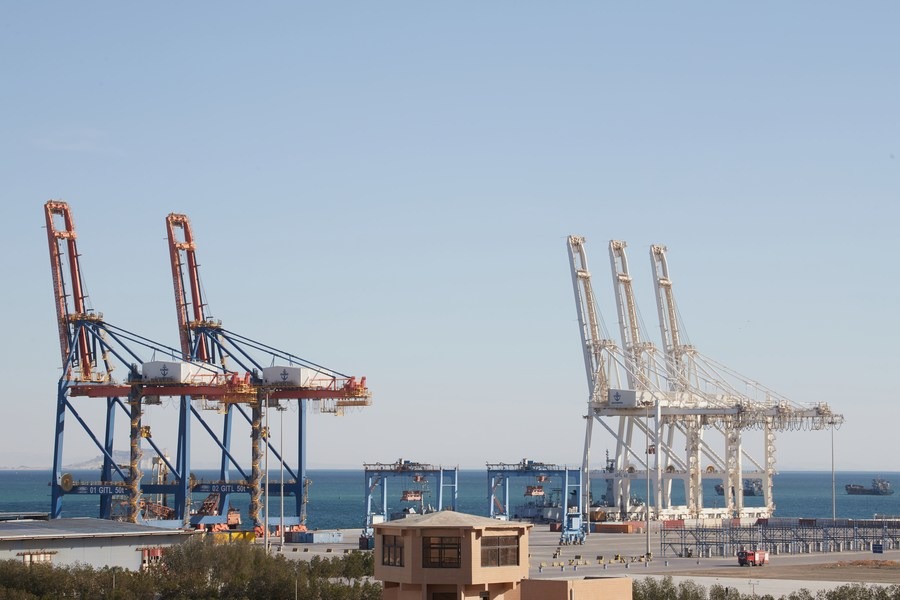
Translating that direction into a durable design is the defining task ahead. CPEC 1.0 was a government-to-government enterprise: state-driven and infrastructure-focused. CPEC 2.0 is explicitly conceived as business-to-business (B2B) with industrialisation, technology transfer, and private investment at its core. This transformation demands a coherent implementation vision that Pakistan has still to develop. The experience of phase I’s special economic zones (SEZ) is instructive — despite significant infrastructure investment, industrial activity and employment generation have remained well below expectations, with several zones struggling to attract manufacturers rather than property developers.
The B2B phase cannot afford similar drift. As the details are being finalised, there is a timely opportunity to ensure one critical thread runs through every corridor, project and financing agreement, ie, climate resilience. Getting this right would elevate the corridor into a model for climate-smart development across the Global South.