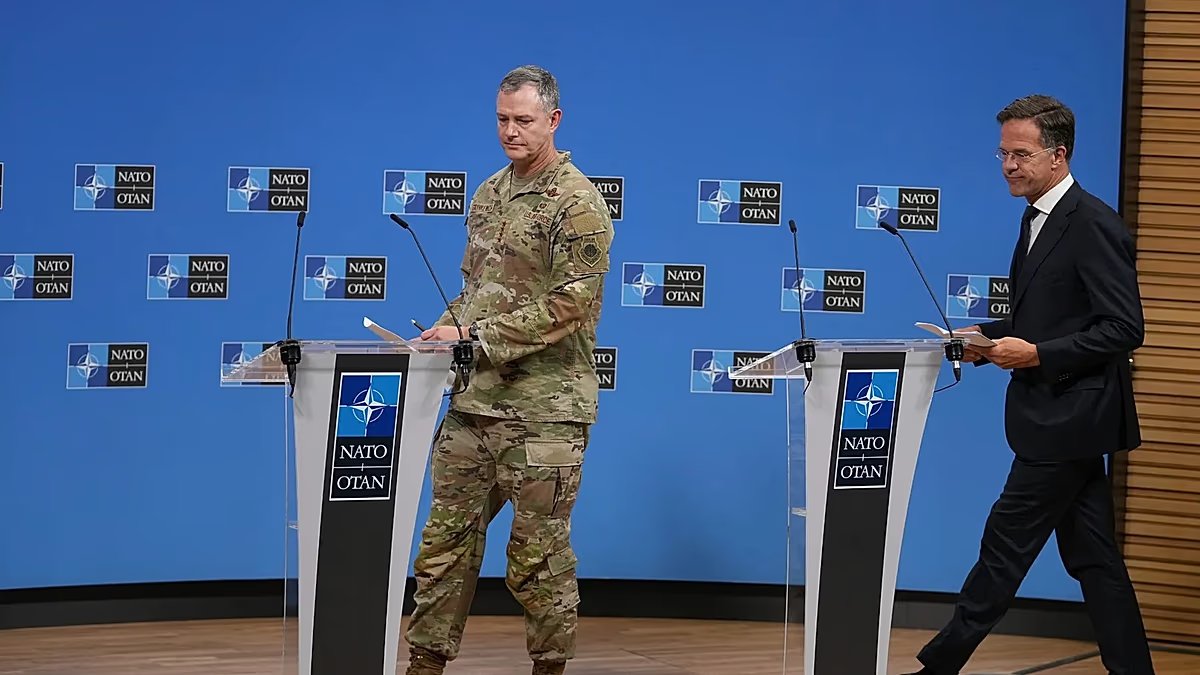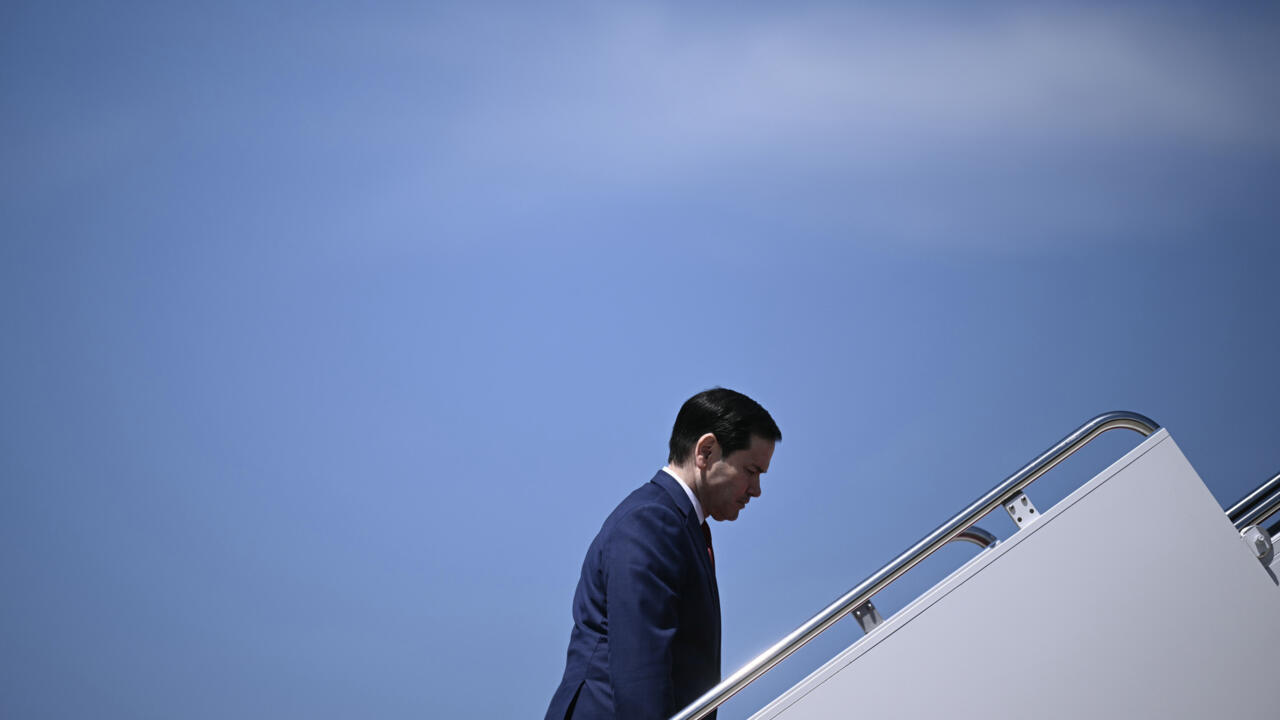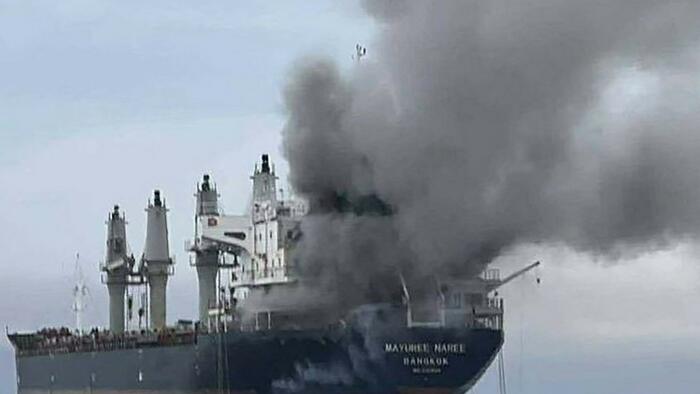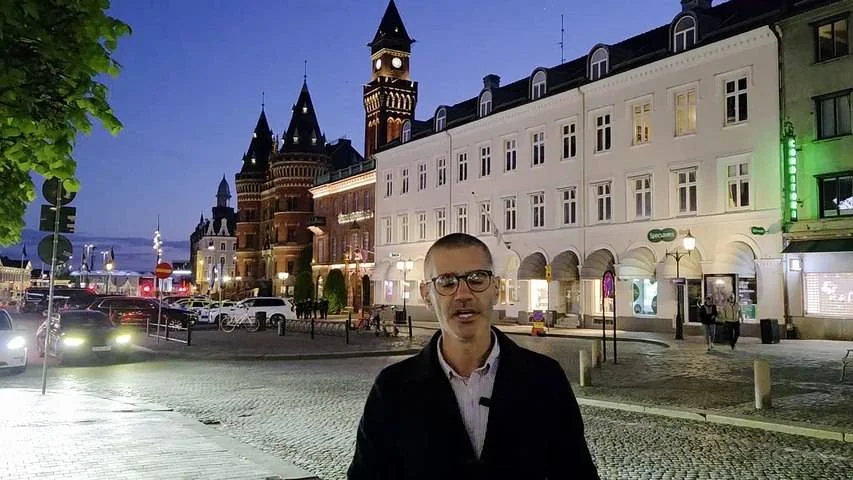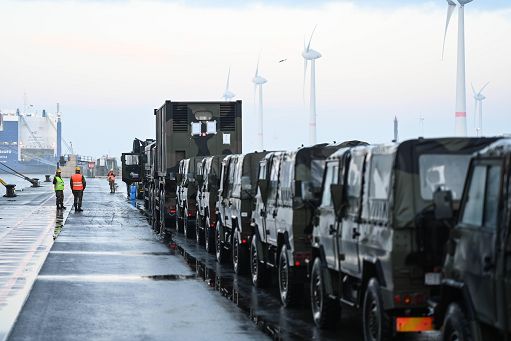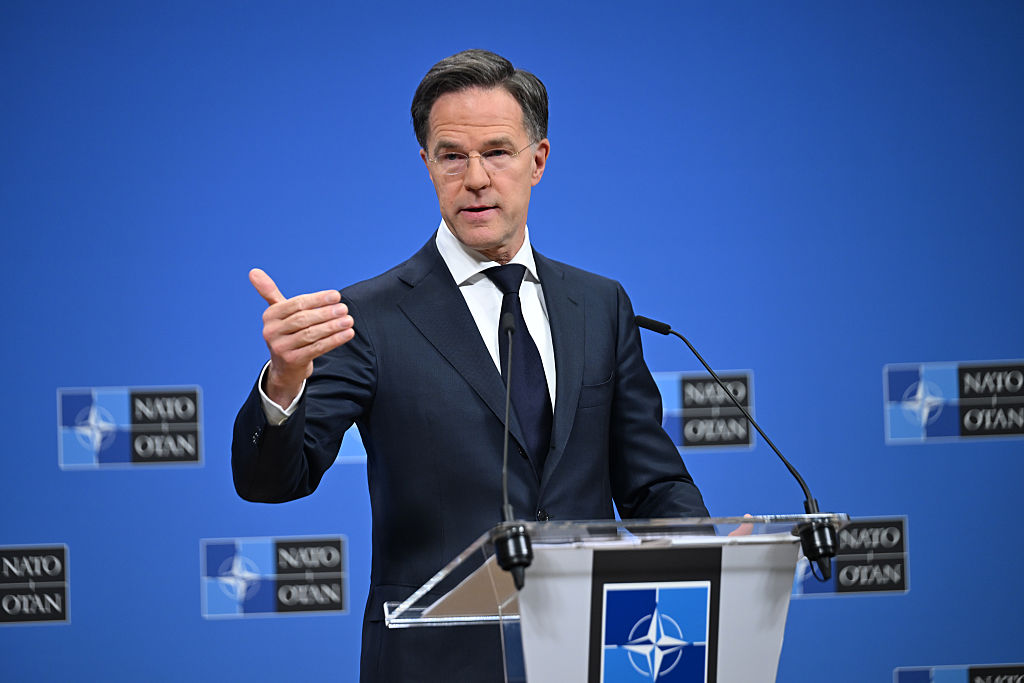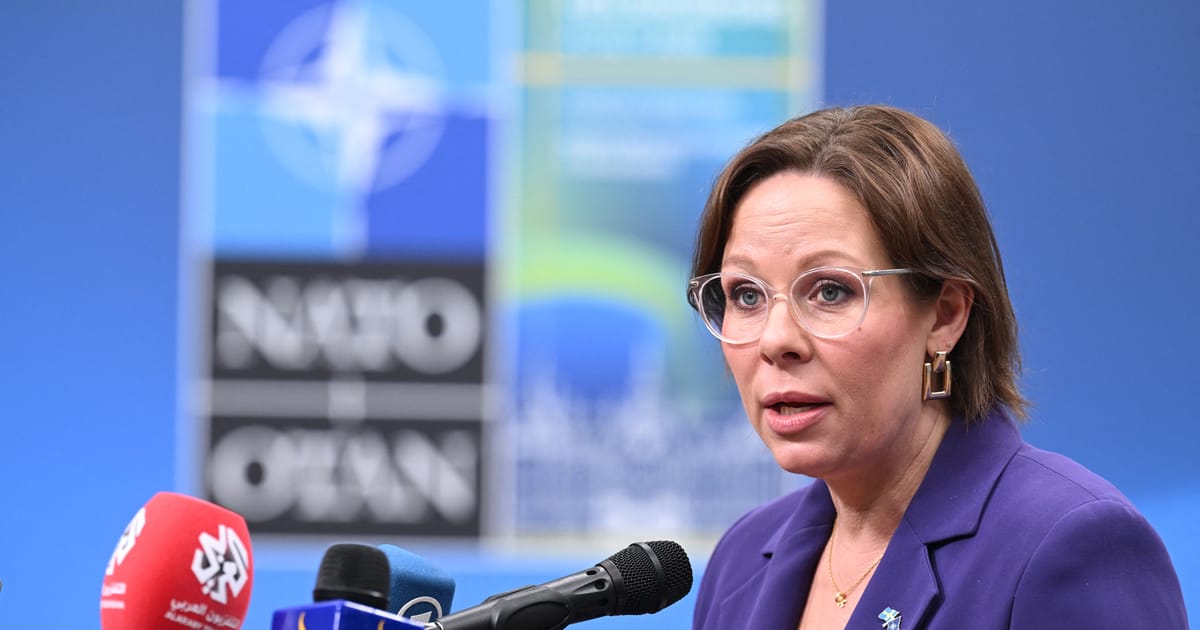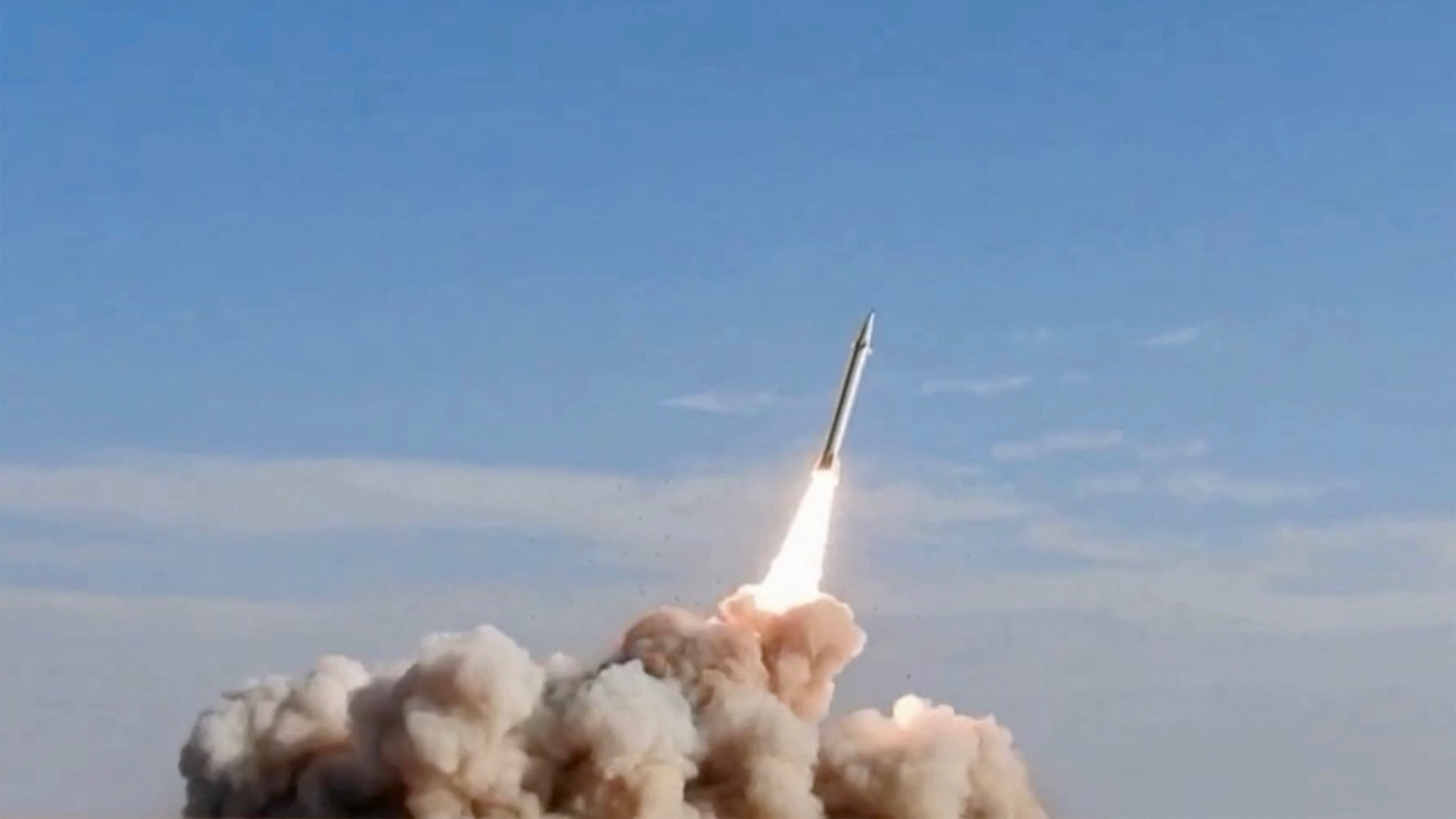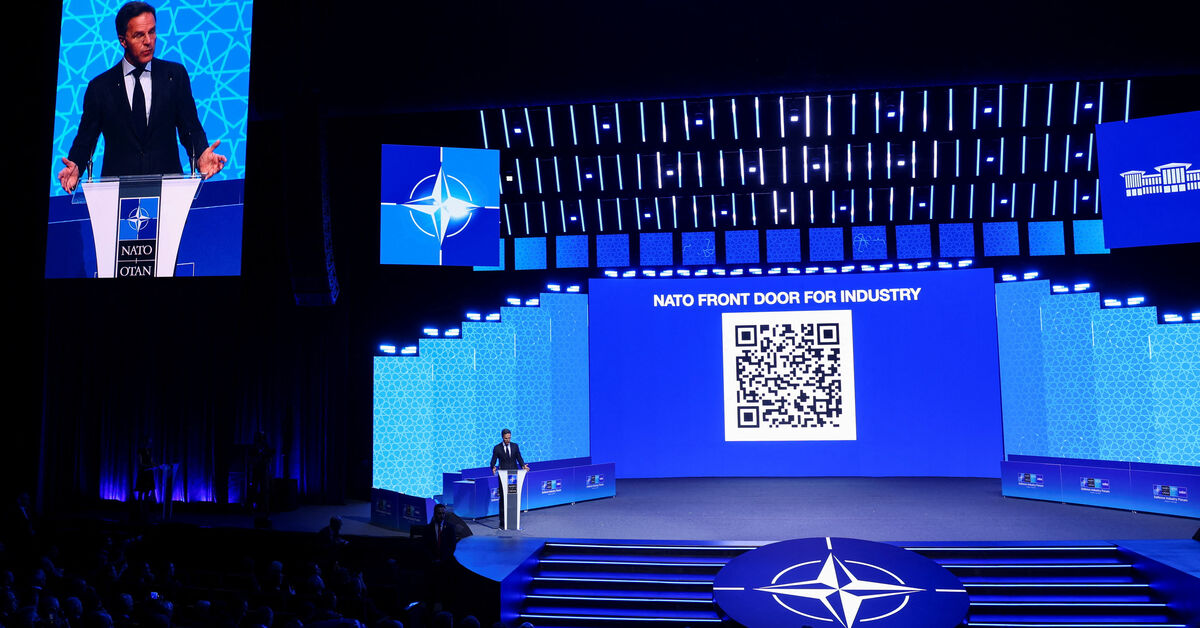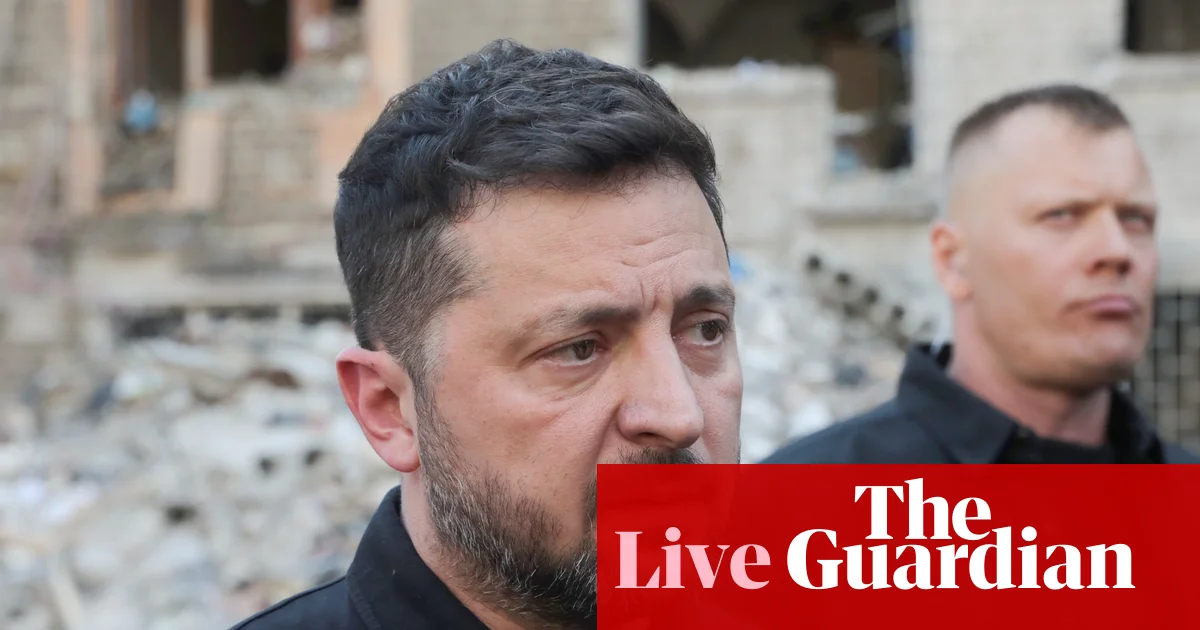
Top diplomats from Nato's 32 member countries are gathering this week in Sweden, where the Iran war and the Strait of Hormuz could take up as much attention as European countries' push for new support for Ukraine. The meeting of foreign ministers in the southern city of Helsingborg comes at a moment of historic tension in the defence alliance, after repeated attacks by US President Donald Trump and plans to cut American troop numbers in Germany and possibly Poland.The two-day meeting, which begins on Thursday, is supposed to focus on Nato's political and military support for Ukraine, and the ever-thorny issue of defence spending.Countries will be keen to show US Secretary of State Marco Rubio that they are increasing financial commitments fast enough to assuage Mr Trump, who has long accused Nato of not spending enough while Washington picks up the tab. Mr Rubio “will discuss the need for increased defence investment and greater burden-sharing in the alliance", State Department spokesman Tommy Pigott said.But an inevitable theme will also be the situation in the Middle East. Mr Trump is furious at Nato after member countries were reluctant to let him use overseas airbases to launch attacks against Iran.The President, who sent relations plunging in January when he threatened to seize Greenland, a semi-autonomous territory of Nato member Denmark, said allies had done “absolutely nothing” to help with the fight against Iran.“The US needs nothing from Nato but 'never forget' this very important point in time,” he wrote on Truth Social in March.European allies have said they were never involved in planning the Iran war so it was unfair to expect them to snap to attention at America's behest without any warning.Ships and boats in the Strait of Hormuz last month. ReutersInfoEighty days and counting The Strait of Hormuz has effectively been closed since the war started on February 28, and few ships have gone through even amid the ceasefire with Iran that started on April 7.Some countries, particularly Britain and France, have offered to help reopen and police the strait, but they do not want to join any offensive operations so efforts hinge on a durable ceasefire and political deal.Mr Rubio and the State Department, meanwhile, are pushing for a diplomatic effort, called the Maritime Freedom Construct, that would form a coalition to help deal with the strait.It would focus on sharing information and diplomatic and economic pressure on Tehran. Mr Rubio will use his meetings at the summit to push for support for the MFC. Daniel Kochis, a senior fellow in the Centre on Europe and Eurasia at the Hudson Institute, predicted European allies would say they are willing to help, but only when a durable ceasefire is agreed, something he is sceptical could happen soon. “There's a bit of a view of: You break it, you buy it,” he said, referring to the perception in Europe that the US blundered into a war and allies are worried they will be left “holding the bag”.“There's going to be a bit of diplomatic assuagement … [where] they're going to try to show a willingness to contribute, but not any time soon,” Mr Kochis said. European leaders have agreed that the continent should take on more responsibility for its own security, and Nato last year set new spending targets of 3.5 per cent of GDP on core defence and 1.5 per cent on broader measures such as cyber security, infrastructure and logistics. The outcomes of this week's meeting in Sweden will shape the agenda for full Nato leaders' summit in Ankara in July.Swedish Foreign Minister Maria Malmer Stenergard told Swedish Radio she wants to discuss Ukraine with Mr Rubio, as well as how much Russia has benefitted from the Iran war.She said Ukraine's support for Gulf nations, by helping to provide anti-drone knowledge and technology, shows how important Kyiv is for the West.The Trump administration's position on Ukraine, often perceived to be more accommodating of Russia's goals, might be changing now that Kyiv is retaking territory, thanks largely to its edge in drone warfare.“This war has caused the Ukrainians to develop new tactics, new techniques, new equipment, new technology that is creating a sort of hybrid asymmetrical warfare. That’s impressive,” Mr Rubio told Fox News last week. “The Ukrainian armed forces are the strongest, most powerful armed forces in all of Europe, just to be clear, right now.”Ukrainian troops prepare a Kazhan heavy combat drone before flying it over Russian zones. Via ReutersInfoUS troop presence in EuropeThe Pentagon this month said it would withdraw 5,000 troops from Nato ally Germany. It is also reportedly reducing troop numbers in Poland, but Vice President JD Vance said that was due to a delay in a planned posting.Charles Kupchan, a senior fellow and director of European studies at the Council on Foreign Relations, said that although many perceive Nato to be undergoing its most extreme crisis since its inception, “the alliance just keeps on ticking in some ways".Mr Kupchan said transatlantic tension often drowns out Nato's progress, such as Germany agreeing to a long-term rearmament plan.“At the day-to-day level, Nato is doing quite well and my best guess is that it will survive the Trump era, and that the alliance three years from now won't be that much different than the alliance that exists today,” he said.A member of the Homeland Protection Division during its first large-scale exercises, on May 20 near Bergen, Germany. Getty ImagesInfoStill, Mr Kupchan argued, pressure on Nato is a good thing for the alliance, particularly if the US does one day turn its back.“You invest in the military, you become more geopolitically capable, and then under the best of circumstances the alliance becomes stronger, but at the same time you're also preparing for the possibility that the United States will pack up and go home,” he said. “The US today is sufficiently dysfunctional and sufficiently wounded politically that if you're an American ally, you have to have a Plan B.”Middle East Forum chief strategist Jim Hanson said Europe needs saving from itself, particularly in terms of stopping mass migration.“Europe is where America came from. All the values we share grew up in Europe, and nobody forgets that, but we're also watching Europe submit and capitulate and do things that I … don't think are in the best interest of western civilisation,” he said. “It's a good time for us to sit down with Nato and say let's build Nato 2.0. … We have to have tough conversations with those allies and then refocus Nato as a protector of western civilisation, not a force to stop the Soviet Union from rolling over Europe.”Mr Rubio is due to meet foreign ministers from the Arctic Seven (Denmark, Sweden, Norway, Finland Iceland, the US and Canada) to discuss shared economic and security interests, and no doubt Greenland. From Sweden, he travels on to India.
Strait of Hormuz looms large as Nato ministers gather in Sweden | The National
Ukraine's recent gains, defence spending and Arctic security also come into focus
1,141 words~5 min read