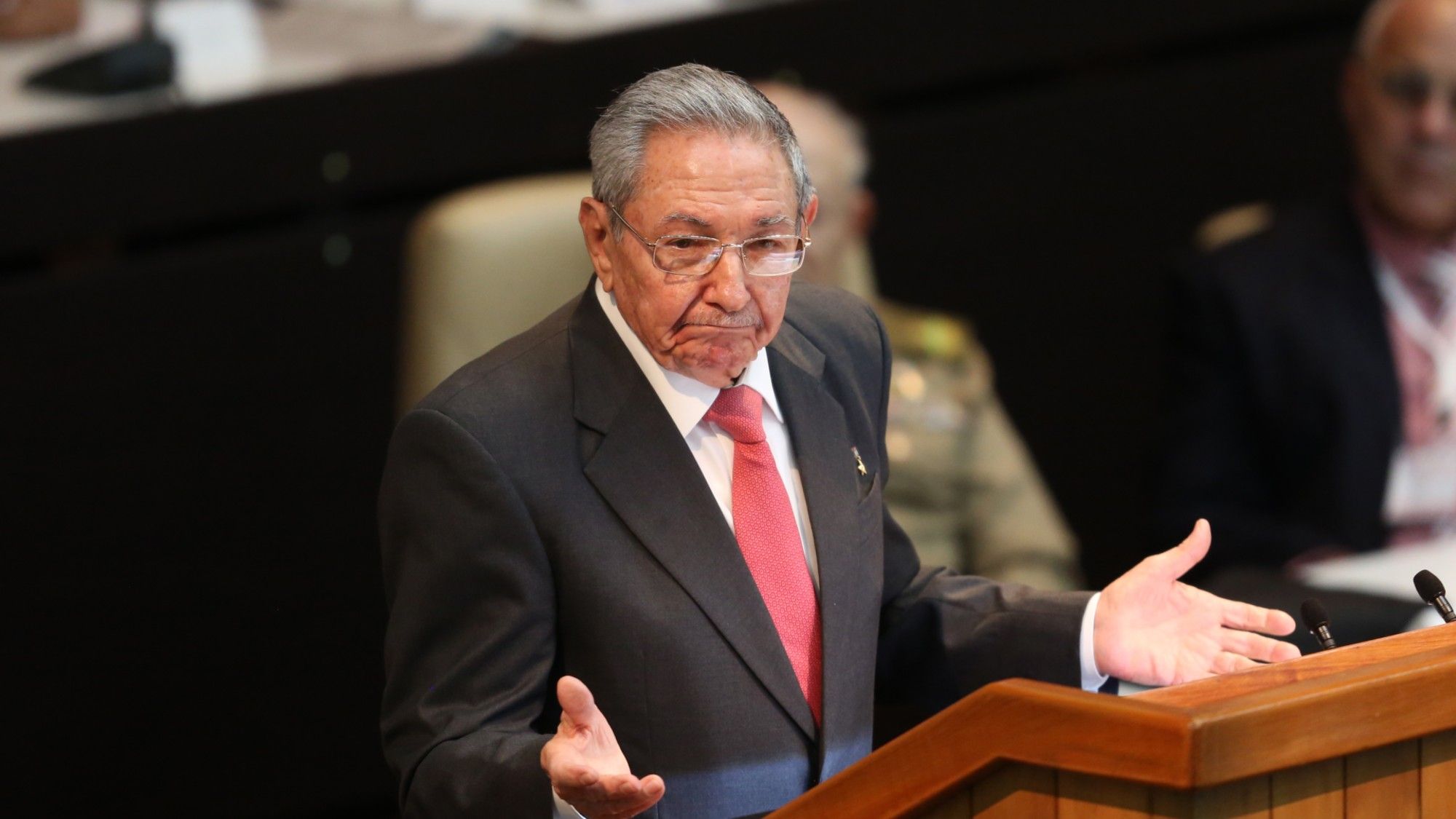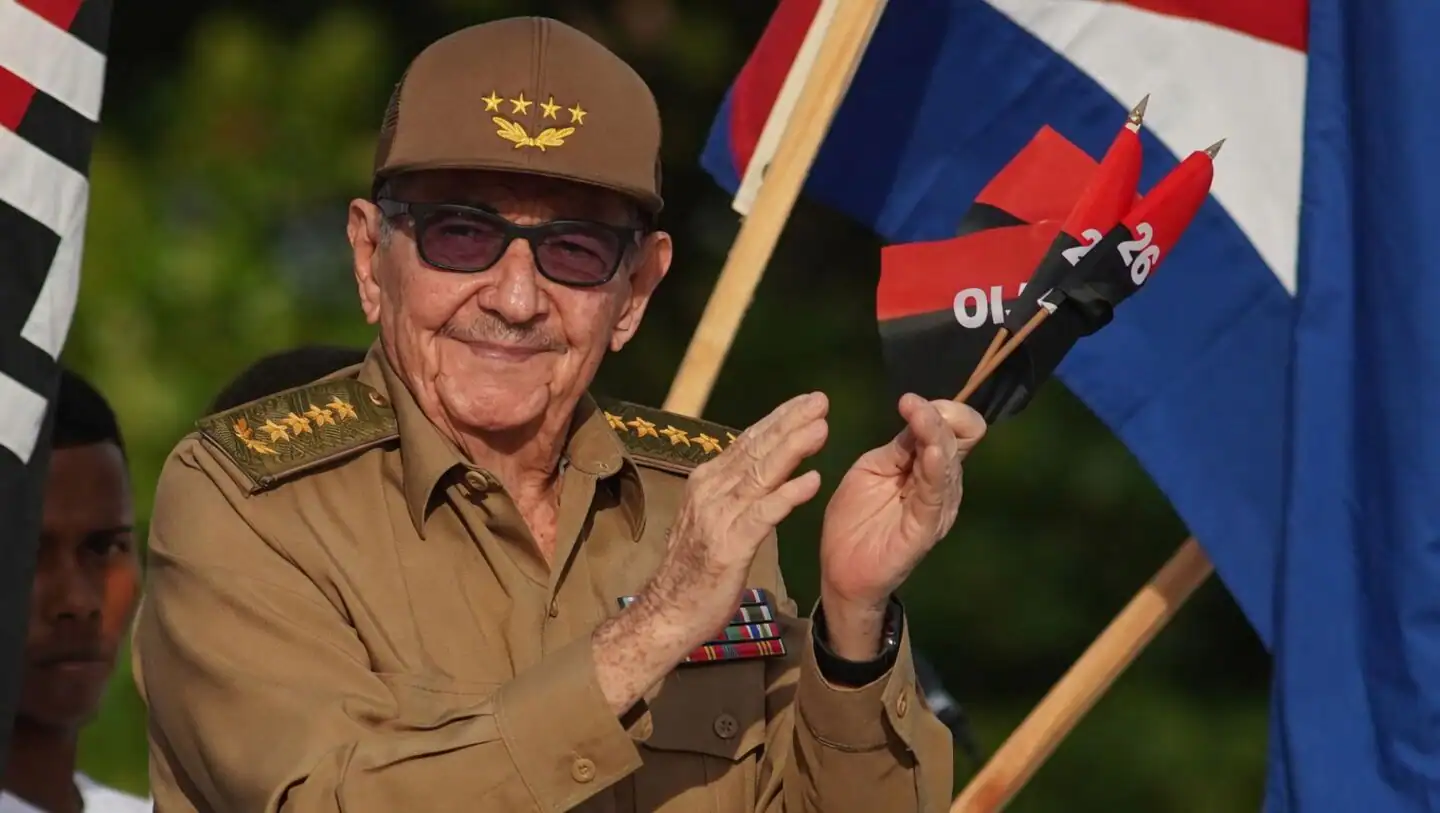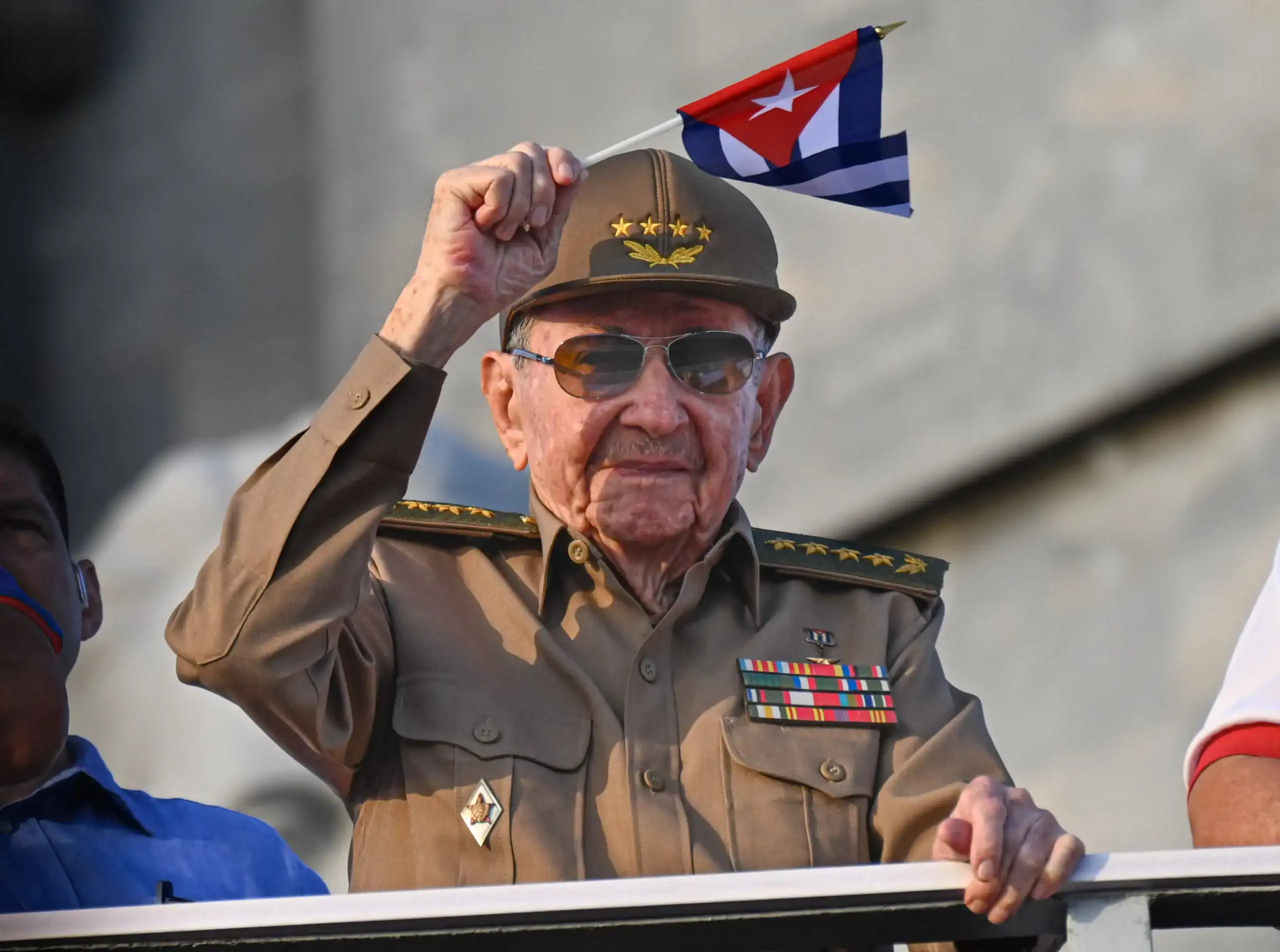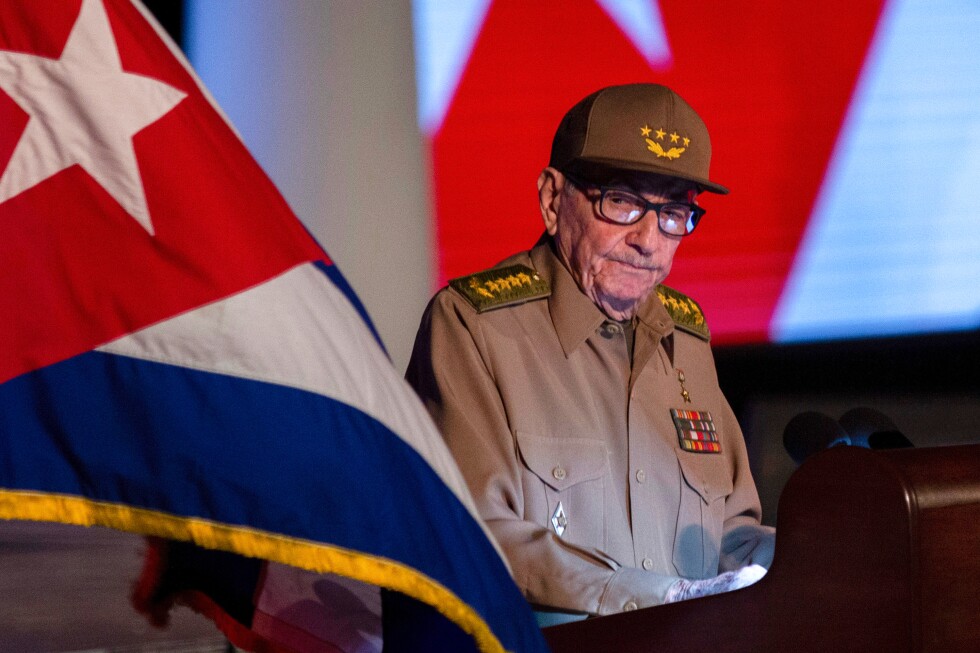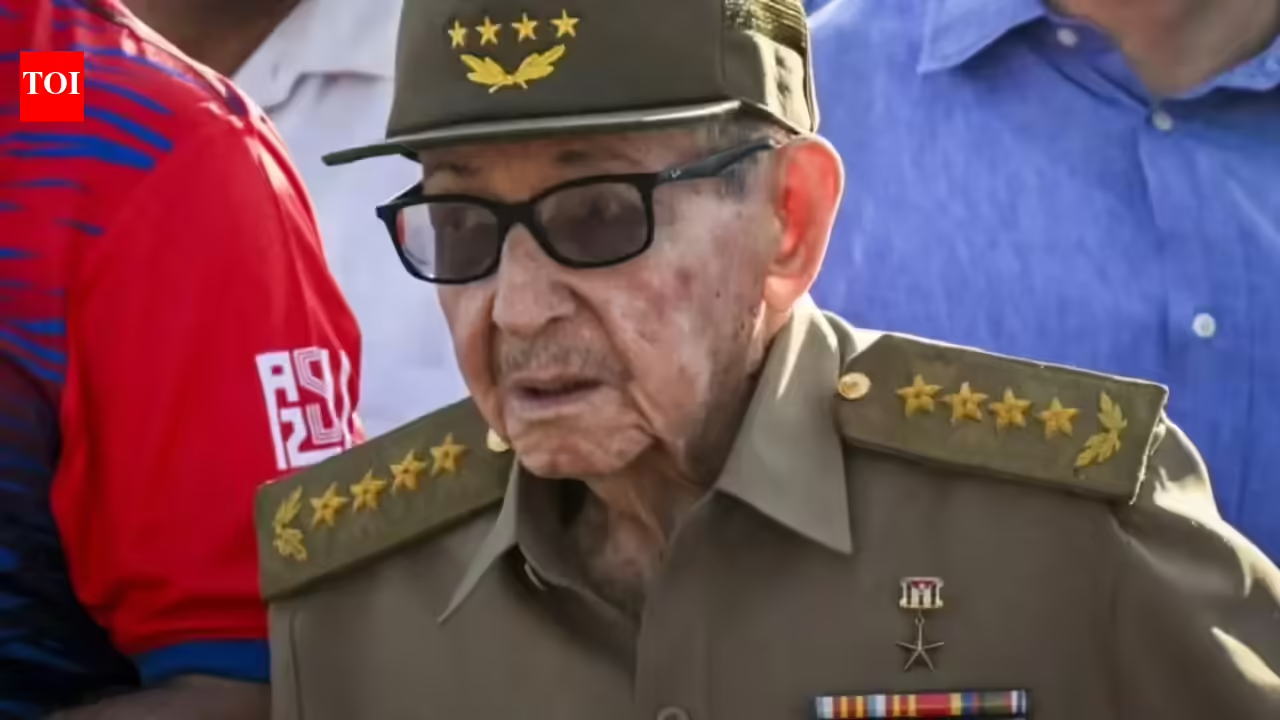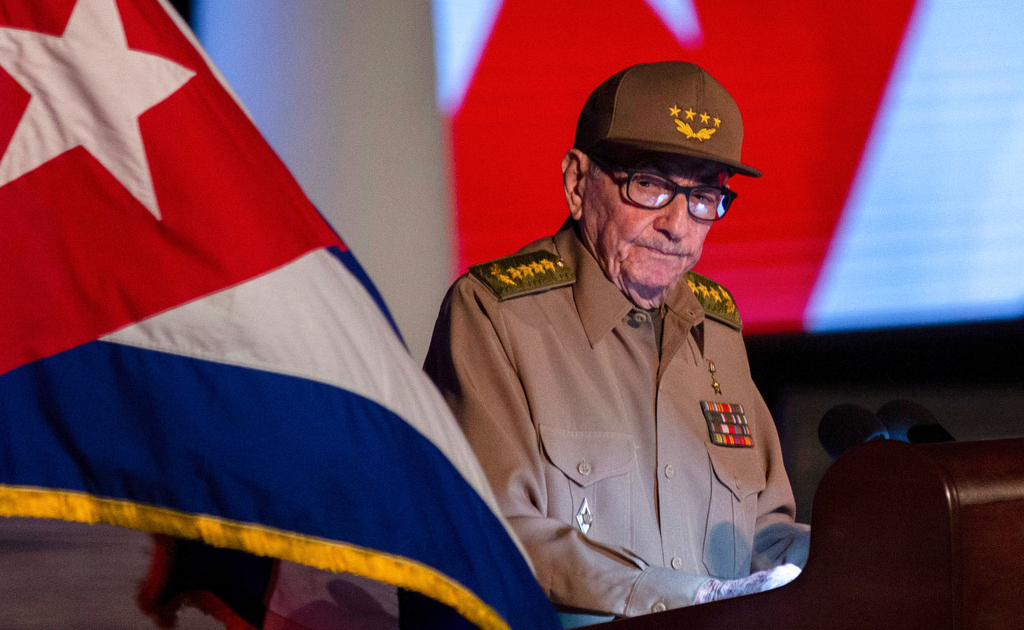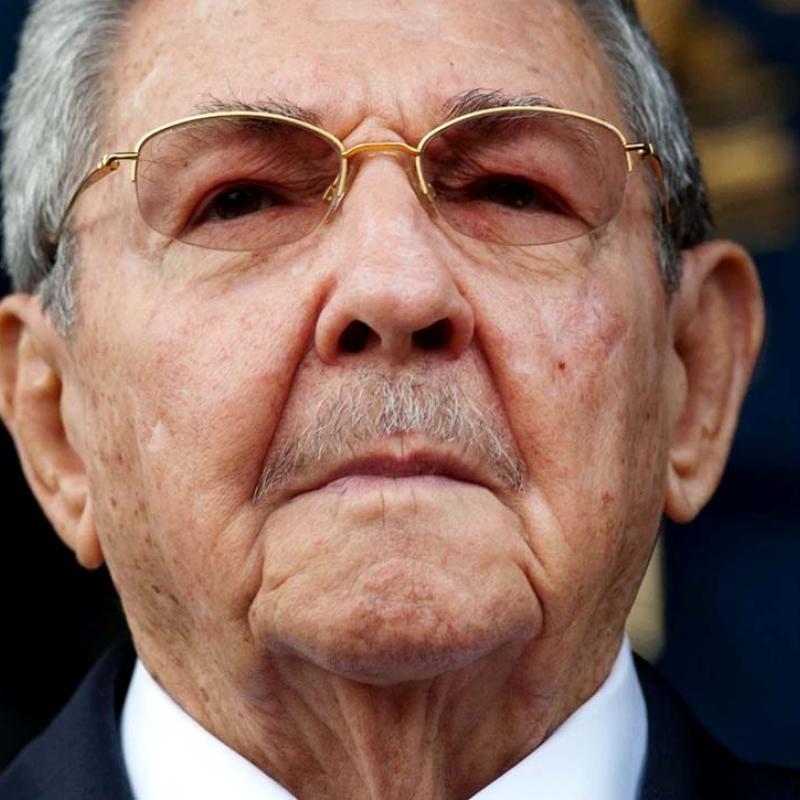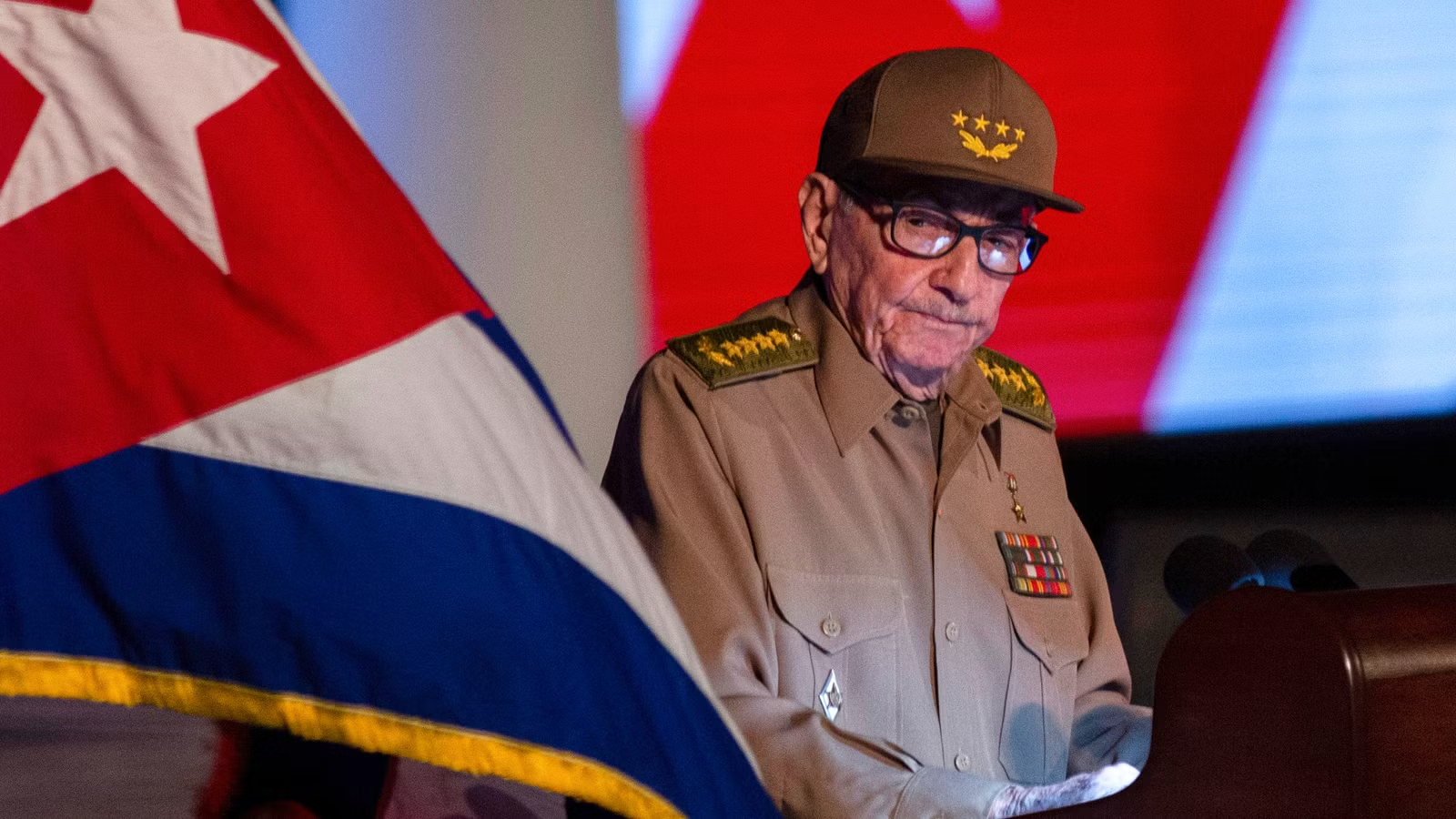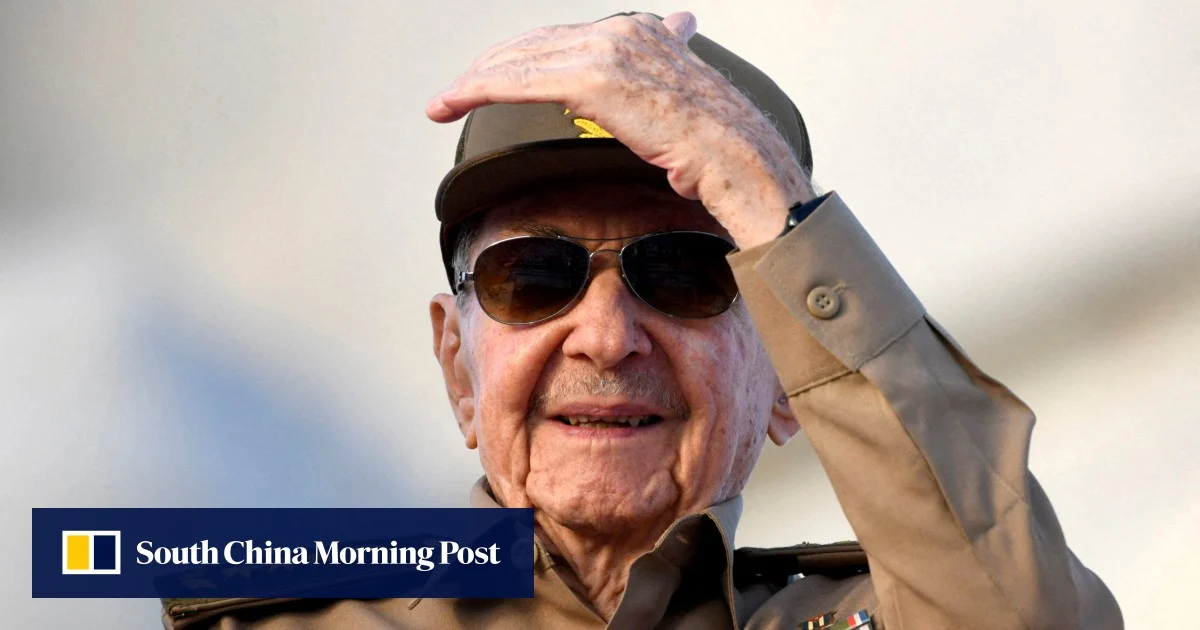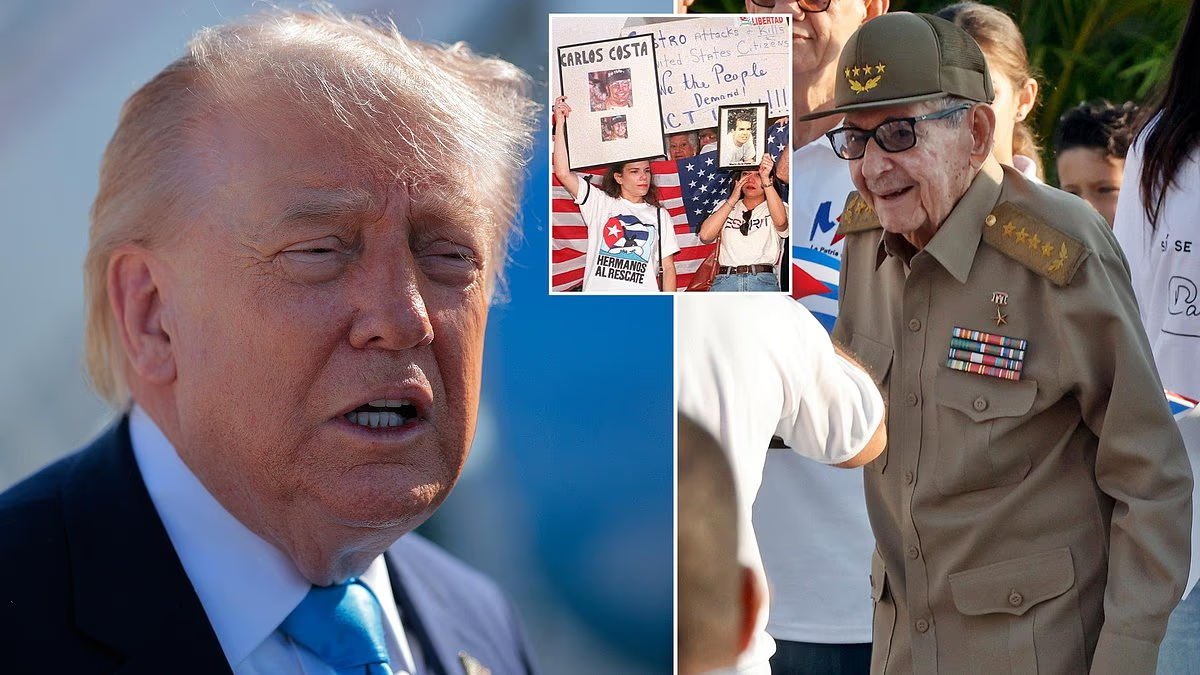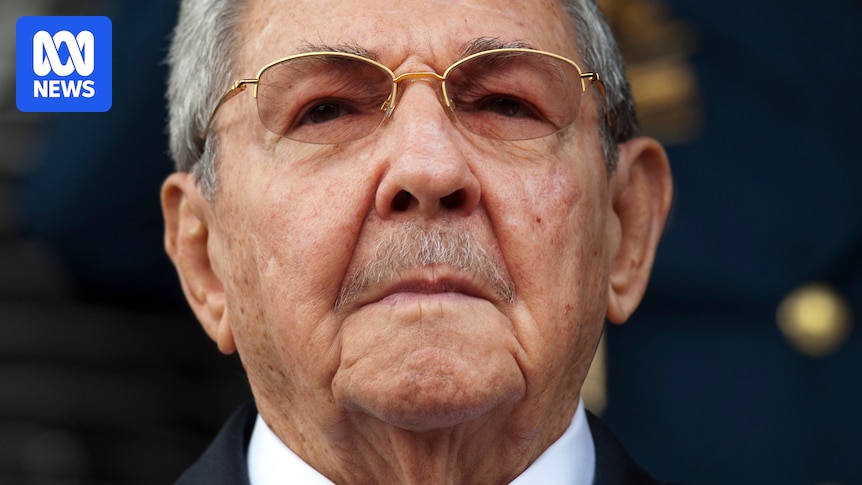
The United States has indicted former Cuban president Raúl Castro on murder charges, three decades after the alleged offences occurred.The charges stem from a 1996 downing of two planes operated by a Miami-based group known as Brothers to the Rescue, founded by Cuban exiles.Raúl Castro was defence minister at the time and Cuba's highest authority after his brother, Fidel Castro.Brothers to the Rescue members flew over the Straits of Florida looking for people fleeing Cuba in the early 1990s. (AP: Lynne Sladky)The indictment overnight revives one of the lowest points in the two countries' tangled history.Here's what we know about the 1996 incident, and why the US is acting on it now.What is Brothers to the Rescue?In the early 90s, tens of thousands of Cubans were fleeing the country on rickety, makeshift boats in search of a new life in the US.Cuba was in the grips of a months-long crisis after some of the population protested travel restrictions imposed by president Fidel Castro's communist government.The president opened the port of Mariel to anyone who wanted to leave, filling the Florida Straits with desperate people.Brothers to the Rescue, founded by emigré José Basulto in 1980, was helping refugees by dropping supplies from small planes into the ocean.US president Bill Clinton's administration had changed immigration rules to discourage Cubans from sailing north, but the group, also known as Hermanos al Rescate, continued flying toward Cuban airspace and provoking Havana.What happened with the planes?On February 24, 1996, three planes carrying Brothers to the Rescue members flew into Cuban airspace, a short distance north of Havana and some of Cuba's key targets.Cuban fighter planes shot down two of the exiles' unarmed civilian Cessnas, killing all four men aboard, including three US citizens.A third plane, carrying the organisation's leader, narrowly escaped.A 1996 photo of boats carrying Cuban Americans to the site of the downing of two Brothers to the Rescue planes. (AP: Rick Bowmer)Was anyone charged at the time?At the time, the US government said Cuba's intent was "to terrorise the Cuban population" on the island and in Miami.US counterintelligence caught five Cuban intelligence agents who had infiltrated Brothers to the Rescue, and two of them served long jail sentences.The other three agents were released from custody in a prisoner exchange under the Obama administration, before the two countries declared détente, an easing of strained relations, in 2014.Two Cuban jet fighter pilots and their commanding officer, who were also indicted in the downing, have remained outside the reach of US law enforcement while living in Cuba.Lieutenant Colonel Lorenzo Alberto Pérez-Pérez was among three people indicted in August 2003, and accused of murder, aircraft destruction and conspiracy.Days after the shooting, he said the aircraft ignored his warnings based on orders from controllers."We tried to dissuade their crew members, but they continued to dangerously approach the Cuban coast, and then we received the order to interrupt the flight of the first aircraft," Lieutenant Colonel Pérez-Pérez said at the time."Afterwards, we conducted the same operation with the second plane, which also refused to change its direction."What we know about Raúl Castro's chargesThe US has now announced a string of charges against Raúl Castro: one count of conspiracy to kill US nationals, four counts of murder, and two counts of destruction of aircraft.It is rare for the US to file criminal charges against foreign leaders, and there is no evidence Raúl Castro has left the island or will be extradited.Brothers to the Rescue planes flew over the Florida straits in the 1990s to drop supplies to Cubans fleeing their country. (AP: Alan Diaz)Speaking at a ceremony in Miami to honour the victims of the 1996 incident, acting Attorney-General Todd Blanche did not directly answer questions about whether the US military would arrest Raúl Castro."There was a warrant issued for his arrest, so we expect that he will show up here by his own will or by another way," Mr Blanche said.Cuba's current president, Miguel Diaz-Canel, said the indictment was "a political manoeuvre, devoid of any legal foundation" and that it appeared the US was intending to justify military action against Cuba.On the 1996 downing, he said Cuba had acted legitimately in defending its territory against the planes' "repeated and dangerous violations", and that the US ignored several warnings at the time.Why is the US acting now?The indictment is the latest example of the Trump administration's aggressive efforts to expand US influence in the Western Hemisphere."From the shores of Havana to the banks of the Panama Canal, we will drive out the forces of lawlessness and crime and foreign encroachment," US President Donald Trump said.The indictment comes after the US seized Venezuelan President Nicolás Maduro in January to face drug trafficking charges in New York. (Reuters: Eduardo Munoz)Joseph Gonzales, associate professor of global studies at Appalachian State University, said the move is more "political and strategic" than rooted in international law."The bigger picture is the fact that the Trump administration has embarked on a campaign to change the regime in Cuba, and this is just another step in that process," he said."They want to somehow force this regime to toe the line when it comes to US interests."They've embarked on a campaign of very sustained pressure, probably the most sustained pressure we have seen since the Kennedy administration in the early 1960s."I don't know if it has much of a place in international law, but it certainly has a place in international power politics."The indictment comes at a fragile time for the island nation as well, with an energy crisis made worse by the US threatening sanctions on countries supplying it with fuel."Cuba poses absolutely no threat to the United States … however, the Trump administration is very hungry right now to have a win," Dr Gonzales said."They're bogged down in Iran right now. They'd like to have a win they can point to and say, 'See? The United States is back.'"Who is Raúl Castro?Raúl Castro, now 94, is a former Cuban president and brother to revolutionary leader Fidel Castro.Fidel Castro led a guerilla war that toppled US-backed dictator Fulgencio Batista in 1959 and launched the country's communist revolution.Raúl Castro served as his brother's defence minister for decades, building a powerful base within the military and Cuban state.Raúl Castro was last seen in public on May 1 at a May Day parade in Havana. (AP: Ramon Espinosa)He began a political ascent when his brother fell ill in 2006, serving as acting president and then formally becoming president in 2008.After Fidel Castro's death in 2016, Raúl Castro remained the country's dominant political figure, bucking expectations that his brother's absence would destabilise the communist-run government.He served as president until 2018 and, after stepping down, retained the honorific title of "army general".He continues to wield significant influence within Cuba, and Mr Diaz-Canel is widely considered to rely on his guidance for major decisions.ABC/wires
The deadly plane downing at the heart of Raúl Castro's indictment
The United States has indicted former Cuban president Raúl Castro on murder charges stemming from 1996, reviving one of the lowest points in its tangled history with Cuba.
1,140 words~5 min read