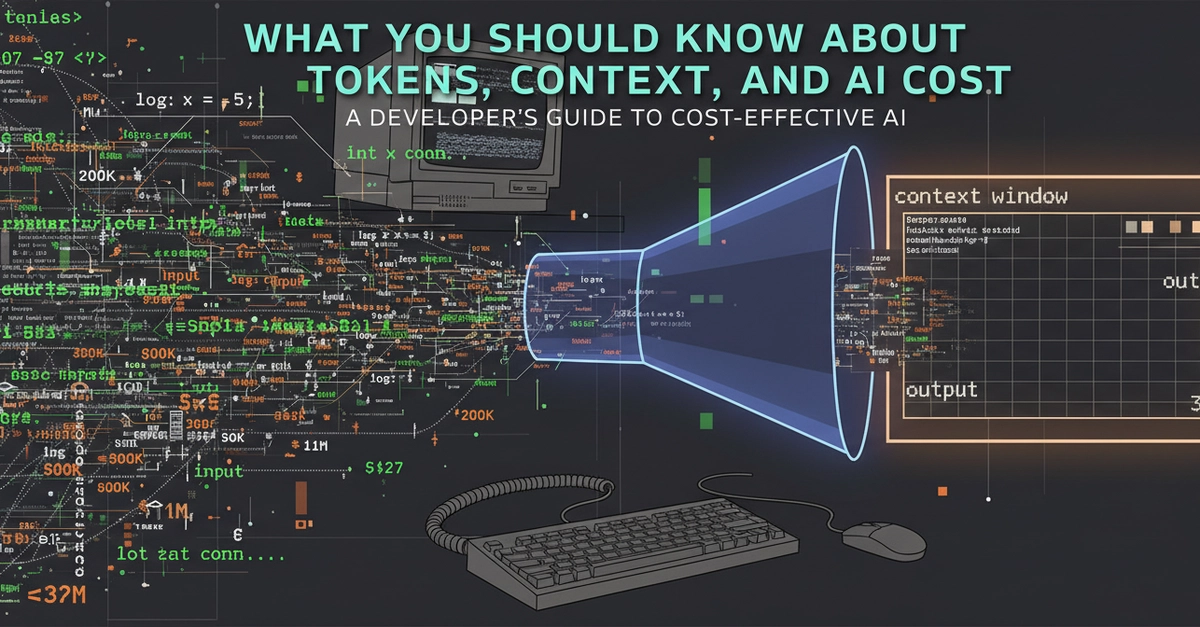
The strange thing about the modern AI bill is that it looks precise while the work behind it feels mysterious. A user types a short request, a model thinks through a long hidden path, tools are called, context is loaded, cached text may be reused, and the final answer arrives as if it were a single clean event. The invoice later describes the event in tokens. Input tokens, cached input tokens, output tokens, reasoning tokens, long context tokens. The language of measurement is tidy. The measured behavior is complex.
So the question matters. Does AI have an awareness of token consumption. The practical answer is almost certainly negative. A model can be prompted to write shorter answers, choose compact formats, summarize context, or stop after a budget. That remains a behavioral response rather than economic self awareness. The model is predicting text under instructions. The metering system lives around it. Token counting, caching, routing, rate limits, and billing are product and infrastructure layers built by humans. The model may talk about saving tokens, but the system decides what was consumed and what it costs.
That gap explains why token economics has become one of the least glamorous and most important parts of AI. In the first wave, the attention went to model quality. In the second wave, the attention moved to agents, context windows, voice, video, and multimodal workflows. Now the decisive question for many teams is simpler. Can the product deliver useful intelligence at a predictable unit cost.