In February 2021, winter—real, honest-to-goodness winter—came to the state of Texas. Temperatures plummeted to the single digits as snow and ice battered the region. I woke up in my Austin home to about 7 inches of snow blanketing my yard. And across the state, gas and electricity winked out, leaving millions freezing in the dark.
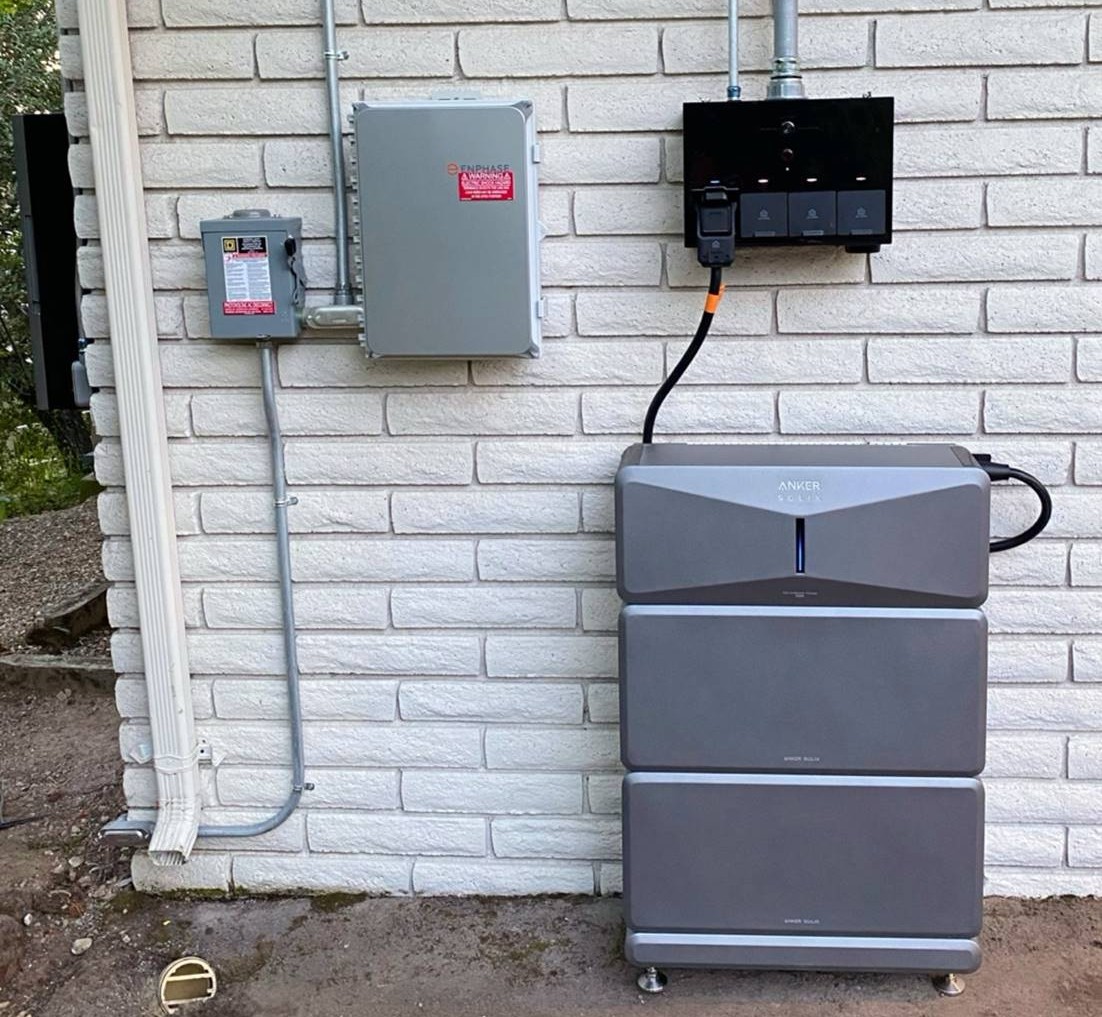
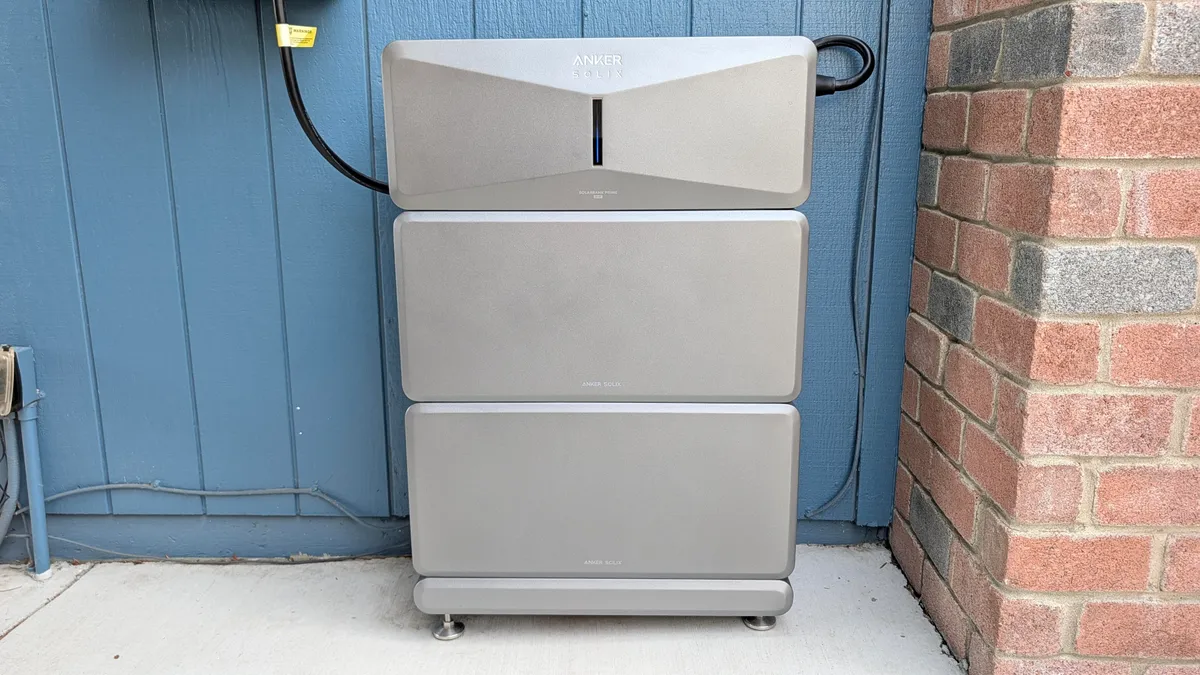
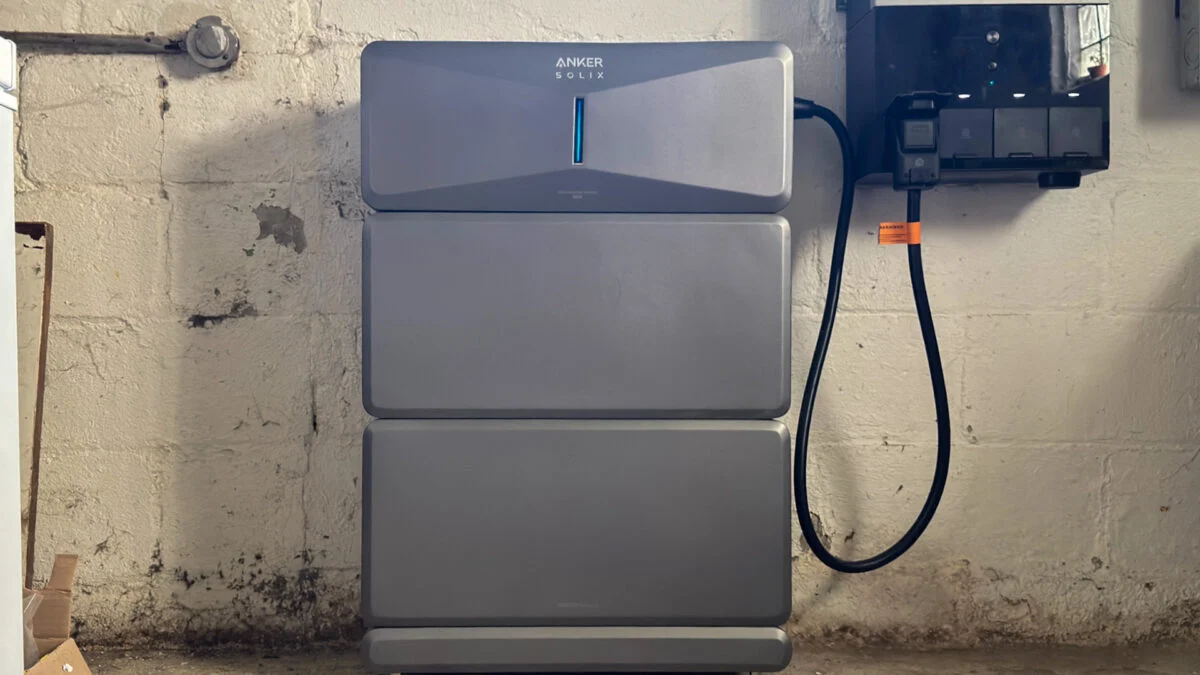
We were lucky at my house; our power, while iffy, mostly stayed on. But we still had to boil our water, and the Electric Reliability Council of Texas, the state’s power grid operator, frantically urged those who still had electricity and gas to use as little as possible, lest more of the fragile grid collapse. We’re good little citizens, so we kept our thermostat set as low as was tolerable and used almost no electricity. Every single other person I knew had neither power nor heat. I’ve thought a lot about that time over the last two and a half months as I’ve been testing the Anker Solix E10, a modular, whole-home backup system Anker announced in January. In the last few years, backup battery systems have expanded beyond Tesla’s Powerwalls and lesser-known brands like Enphase to include Anker and EcoFlow. Anker makes some deeply aspirational claims about this system, such as that a fully expanded 90kWh Solix E10 can power your house for 15 days. (As Anker’s own website points out, the average American household uses about 30 kWh per day, so that would take some significant cuts to achieve). I couldn’t explicitly test that claim; my system included just two 6.1kWh Anker B6000 batteries, a Power Dock smart electrical panel that supports up to 200 amps, and the Solix E10 Power Module, which handles power inversion. The Solix E10 can survive outdoors, but where I live, temperatures can dip below its minimum operating temperature (-4 degrees Fahrenheit) for days at a time, so Anker recommended installing it indoors. I was a little wary of keeping two gigantic batteries in my basement, though the technology the B6000s use—lithium iron phosphate—is generally considered safer than the lithium-ion batteries found in things like smartphones and electric bikes. So far, they haven’t spewed fire and brought my house down with them. Instead, they’ve consistently powered my home for up to 12 hours a day, giving me a glimpse of what it might be like to live off-grid, buffered against power fluctuations in an era of ravenous data centers, increasingly powerful storms, hotter summers, and aging electrical infrastructure.