1. The Hybrid App Journey — What Got Us Here
For years, mobile development teams have faced the same trade-off: native applications provide the best performance and user experience, but they also require maintaining separate iOS and Android codebases, independent release cycles, and higher development costs.
On the other hand, web-based solutions offered faster iteration and lower engineering overhead, but often struggled with inconsistent performance, slow rendering, and limited access to native device capabilities.
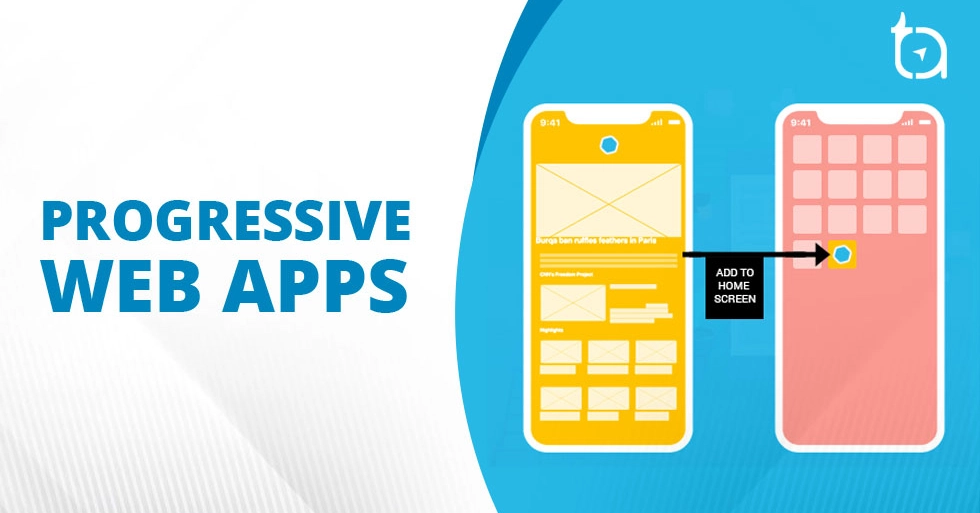
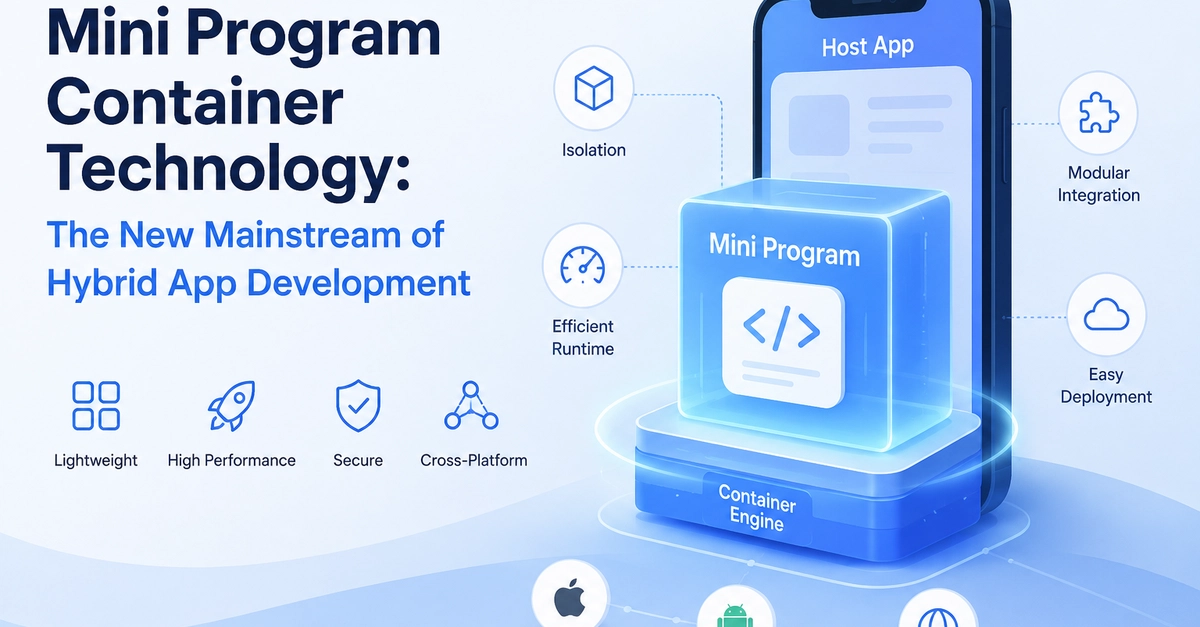
Frameworks such as React Native, Flutter, and various hybrid solutions attempted to bridge the gap between native and web technologies. In many cases, teams adopted a “Native + Web” architecture — keeping performance-critical modules native while delivering secondary business features through embedded web content.
For a time, this approach worked reasonably well.