May 21, 2026 — 11:00amHumans: we are a quirky kind of creature, with all manner of odd habits and fears.What we do not seem to fear, however, are the many strange and even repulsive “wonder remedies” that purport to strip our body of weight or optimise our health.Sardines are the latest in a long line that include arsenic, rubber undies, tapeworms and industrial chemicals used in explosives, first discovered in French munitions factories where workers who were exposed to the substance lost weight (and often also died).Sardines: from poor man’s food to wondrous superfood.
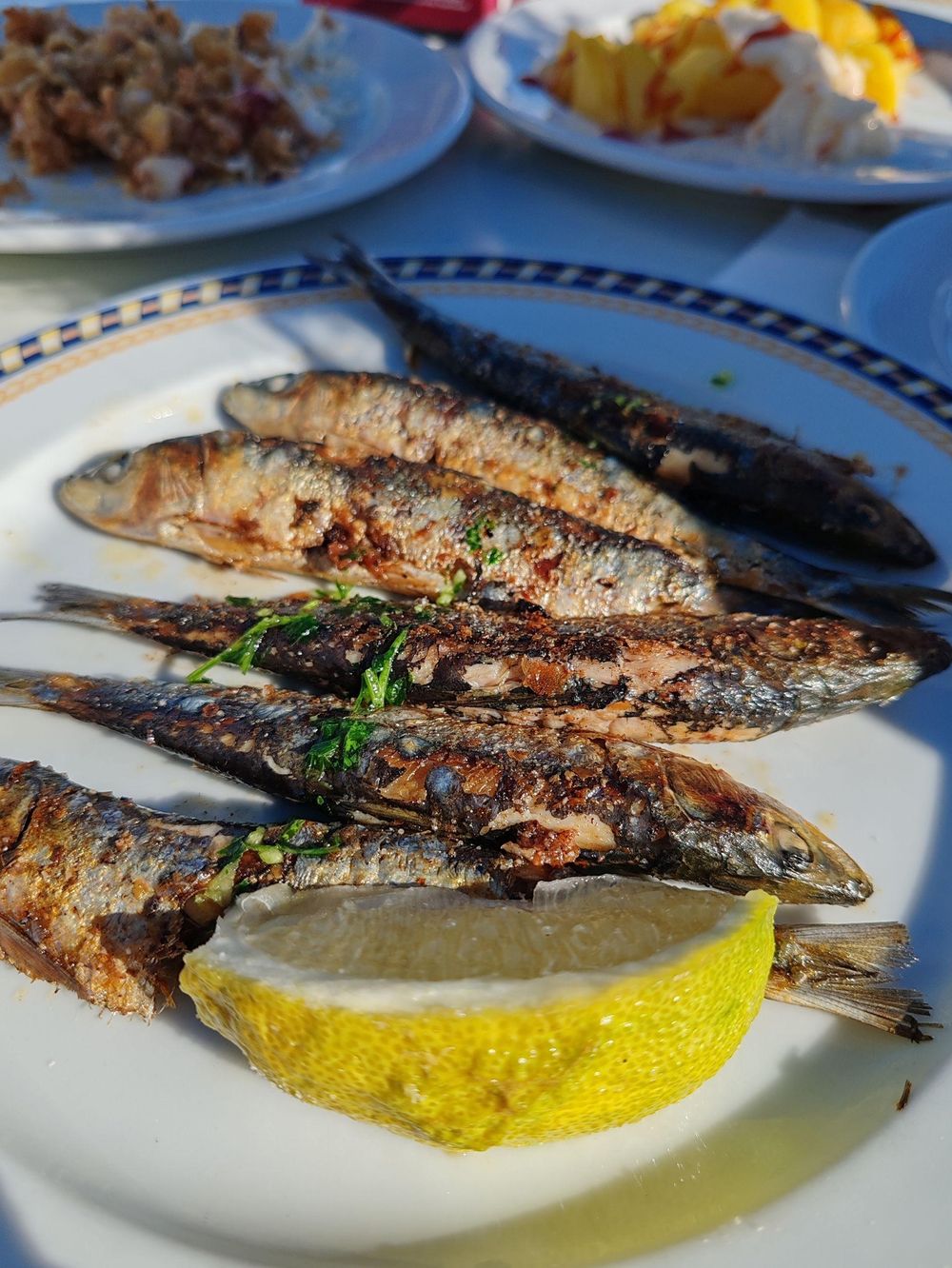
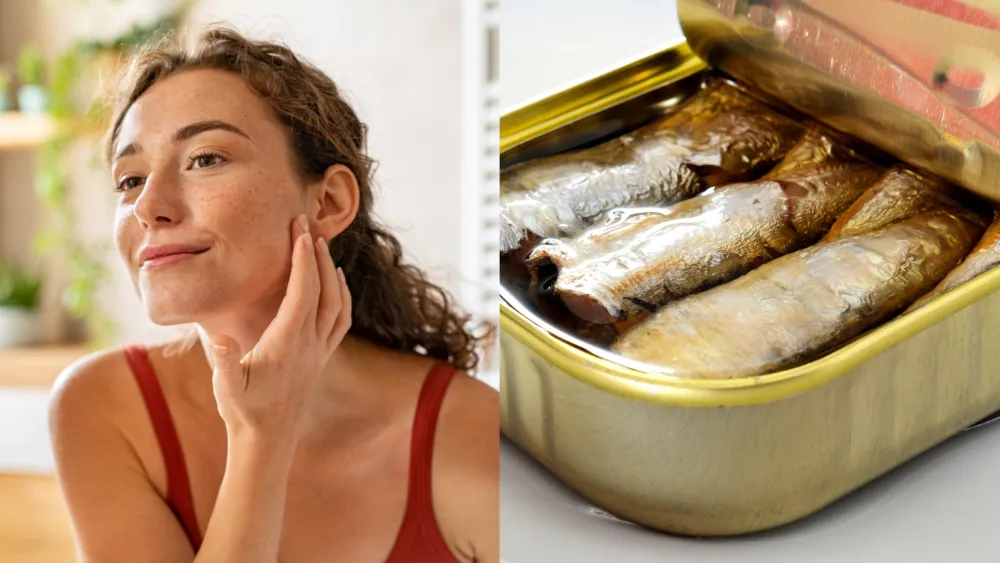
Marija ErcegovacOnce a wartime ration and “poor people’s food”, sardines have made a comeback as the latest fix to all that ails us and a superfood to make your body purr (sorry, I had to).Sardine spread, sardine skincare, “Botox in a bowl” sardine salads, sardines on toast, sardines in pasta and now, the sardine fast. There’s even a sardine shortage on supermarket shelves.Sardines and sardine fasting can, according to the various claims, give your skin a glow-up, reset your metabolism, lower blood sugar, accelerate weight-loss and enhance the body’s repair process. But is it all true?What is sardine fasting, and where did it start?It kicked off after an episode of The Tim Ferriss Show podcast late last year. Ferriss was chatting with Dominic D’agastino, a keto diet advocate and associate professor in the Department of Molecular Pharmacology and Physiology at the University of South Florida.They were talking about the merits of fasting broadly and D’agastino shared his preference for what he called “sardine fasting”.D’agastino told a story about his friend, sports scientist Dr Fred Hatfield, also known as Dr Squat in the fitness community, after setting the world record in 1987 for squatting 460 kilograms.Hatfield had advanced metastatic prostate cancer and was experimenting with different approaches in an attempt to slow the progression of the cancer.One of the approaches he adopted was the five-day fasting mimicking diet developed by Italian biologist Professor Valter Longo.The basic idea, according to Longo, is that if we get a cut, our body works to repair it – and that short periods of fasting act like a cut and activate a process of inner self-repair.Preclinical work suggested fasting could help cellular repair and a process called autophagy, which clears away damaged or unused cells, so the body can renew itself and function more efficiently. It plays a key role in disease prevention and showed potential as an adjunctive therapy for people with cancer and other diseases.Longo’s version involved five days of restricting calories, so the body entered a fasting state, while still giving the body the nutrients it needs through plant-based whole foods.Fred, however, was a low-carb, keto kind of guy who loved his nutrient-dense sardines, and their high-protein content, Omega 3s, selenium, calcium and B12 content.And so, as D’Agastino tells it, Fred’s interpretation of the fasting-mimicking diet involved nothing but several tins of sardines a day for five days, repeated once a month.“So we called it sardine fasting,” he told Ferris. “And essentially, what happened is that he went into rapid remission and the doctors didn’t really know [why]. Fred ended up passing away maybe eight years later of something completely unrelated to his cancer.”No miracle cure, despite the claims.Getty ImagesWhat the experts sayOff the back of the D’agastino-Ferriss podcast, sardines and sardine fasting went viral. Claims were wild and often false, including that sardines are the highest food source of creatine.While all the longevity bros, biohacking folks and influencer-doctor types were jumping on the bandwagon, I wondered what the actual experts thought.“The ‘sardine fasting’ story is essentially anecdotal,” says Professor Luigi Fontana, the director of Healthy Longevity Research and Clinical Program at the University of Sydney. “It’s impossible to conclude causality from a single remission story, especially in oncology where spontaneous variability and concurrent treatments exist.”He adds that claims around fasting broadly are undercooked, even more so when it comes to using it adjunctively to treat cancer.Silvia Fain, a nutrition biologist at the Valter Longo Foundation, agrees: “We still do not have definitive evidence showing major effects on cancer recurrence or survival across large populations. Much more rigorous clinical research is needed before making strong clinical claims.”As for the sardine side of the story, as part of a broad diet they are a good food (opt for BPA-free cans and unsalted versions, as salting may increase heavy metals). That doesn’t, however, make them a super food or give it magical healing powers.Regardless of their nutrients, public health nutritionist Dr Rosemary Stanton would never advise anyone – and especially anyone with cancer – to over-index nor exist on any single food.“Cancer cachexia is characterised by a dangerous loss of weight – largely muscle tissue,” she says. “Following any kind of starvation diet would be hazardous.”If that was not enough to convince you, Valter Longo says that while there is good evidence his plant-based fasting approach can help with diabetes and prediabetes, it is still too early to say if and when it may work for cancer.Besides, he adds, the logic behind sardine fasting doesn’t add up. In fact, it may have the opposite of the desired effect.“A sardine fast is a bad idea since sardines are high proteins and proteins are a major blocker of the fasting response,” Longo says. “In fact Igf-1, tor etc [pathways that are often overexpressed in cancer] are activated by proteins and autophagy is blocked by proteins.”Make the most of your health, relationships, fitness and nutrition with our Live Well newsletter. Get it in your inbox every Monday.Sarah Berry is a lifestyle and health writer at The Sydney Morning Herald and The Age.Connect via X or email.From our partners