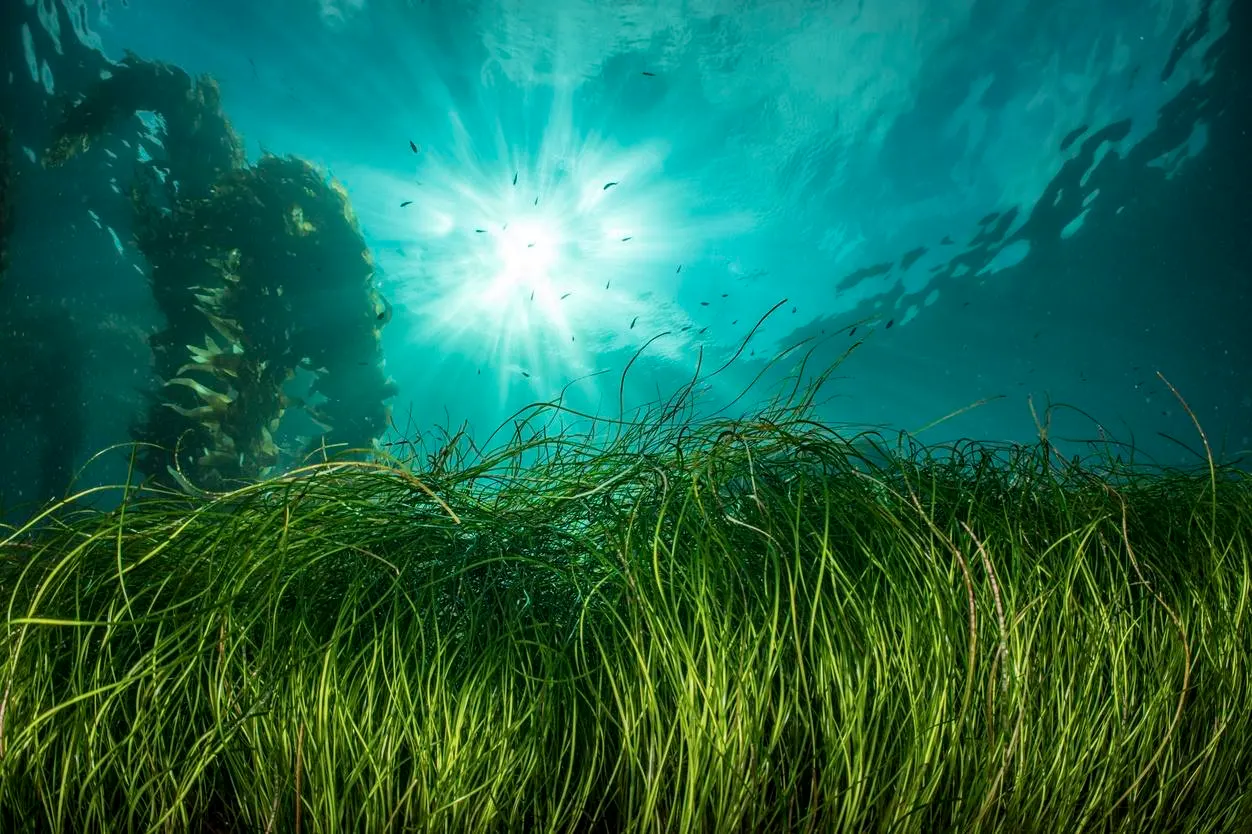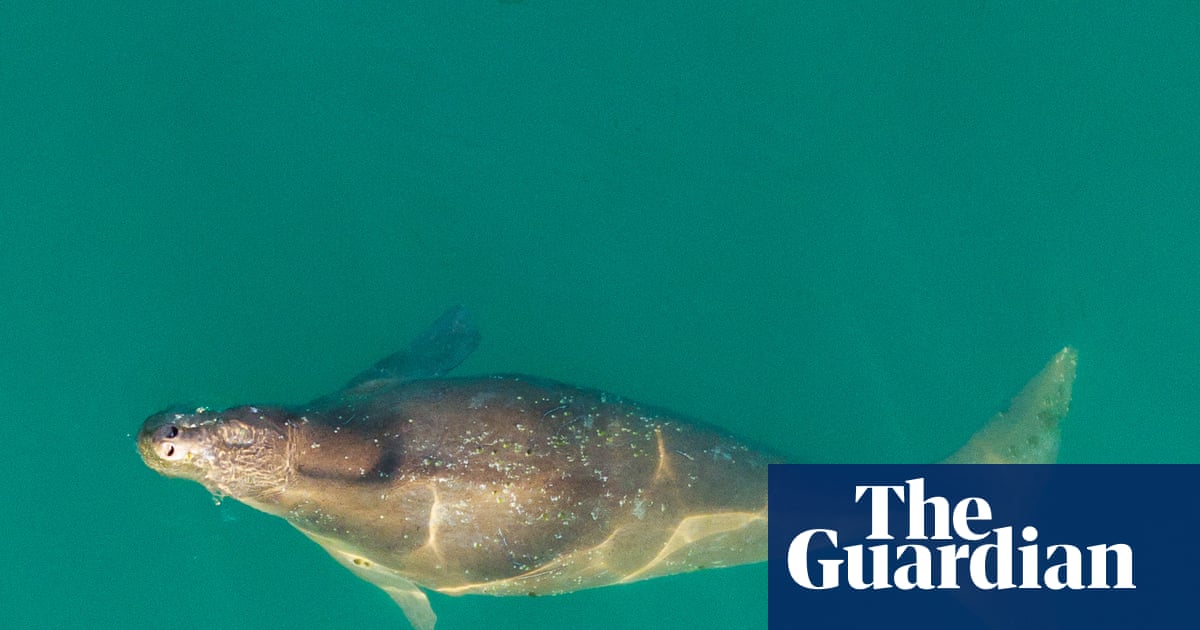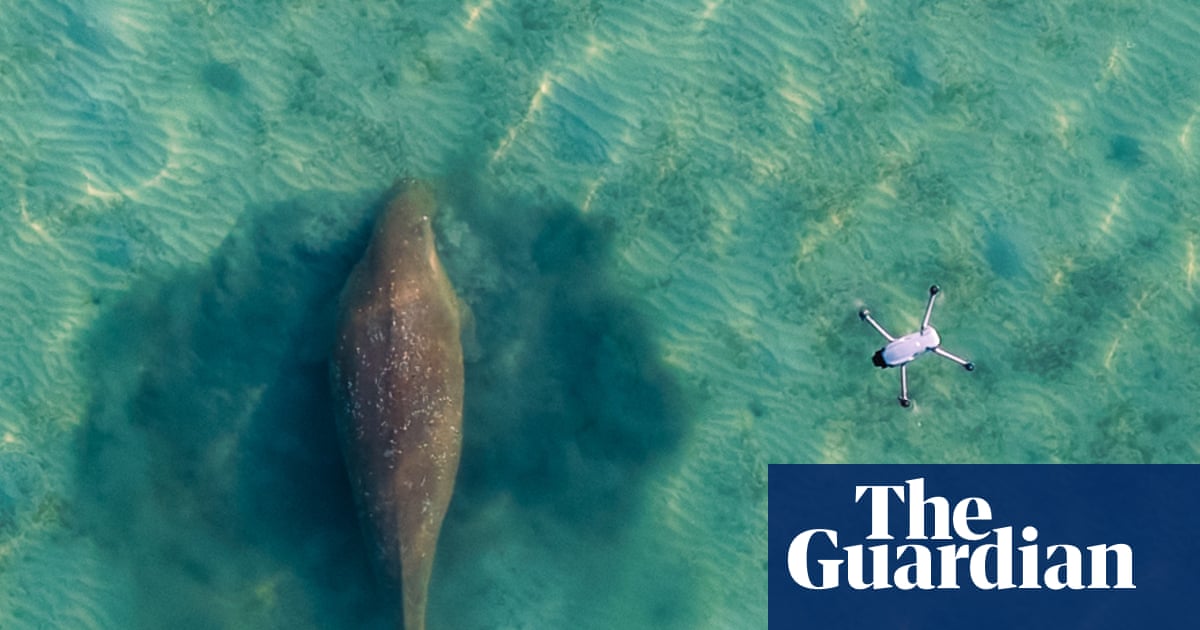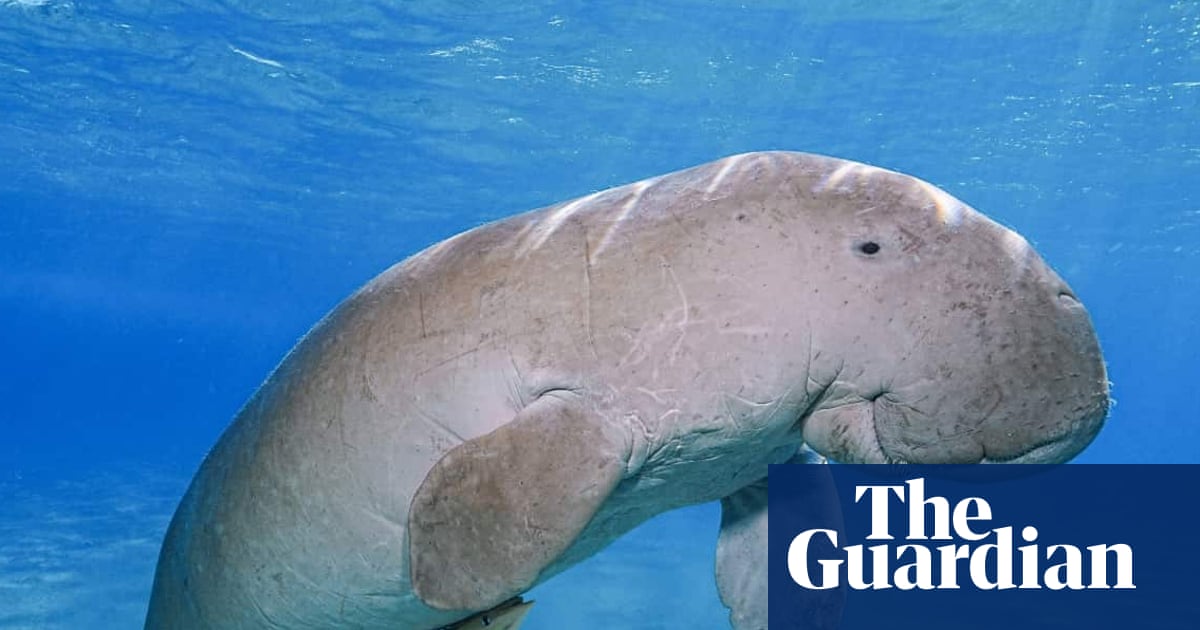
Seagrass beds around the island of Koh Libong in Thailand’s Andaman Sea have died off in recent years, part of wider nationwide declines scientists say have multiple, complex causes.The seagrass shortage has devastated the island’s once famed dugong population, jeopardizing tourism businesses and impacting the island community who have long protected them.Locals frustrated by slow government seagrass recovery plans are working with researchers and conservation groups to build citizen science skills and trial seagrass restoration techniques.Signs of hope are emerging, with recent surveys recording more dugongs in local waters, prompting local leaders to call for increased public awareness and enforcement of protections.
KOH LIBONG, Thailand — Growing up on the island of Koh Libong, Tipusa Sangsawang remembers fondly how vast numbers of dugongs used to feed on local seagrass meadows teaming with fish, crabs and mollusks.
“Out there, it was like a football field,” Tipusa says, as she watches waves lap across a seemingly barren sandflat that fringes this stretch of shoreline. “It used to be green all around this area. Now, it’s only sand.”
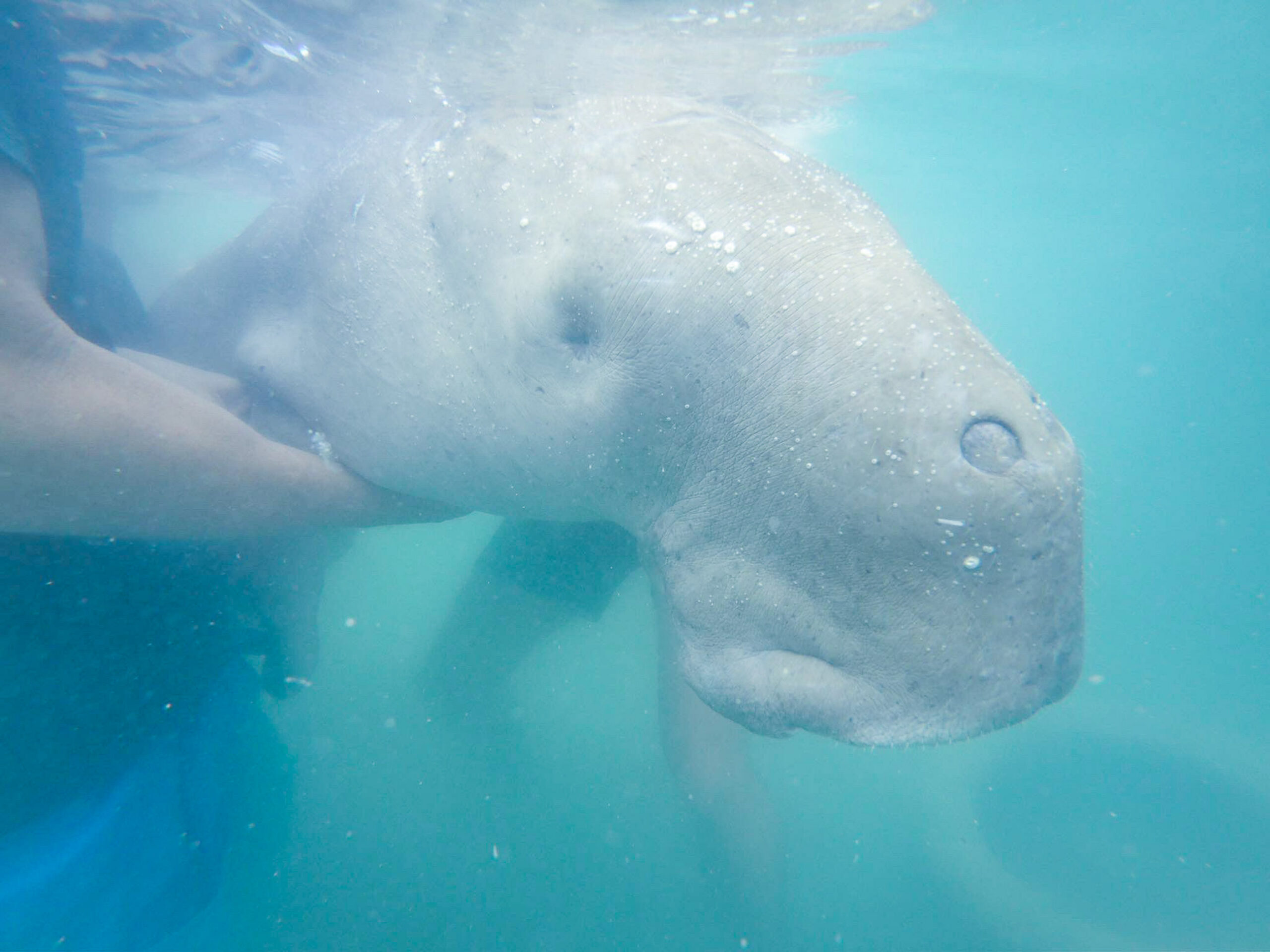
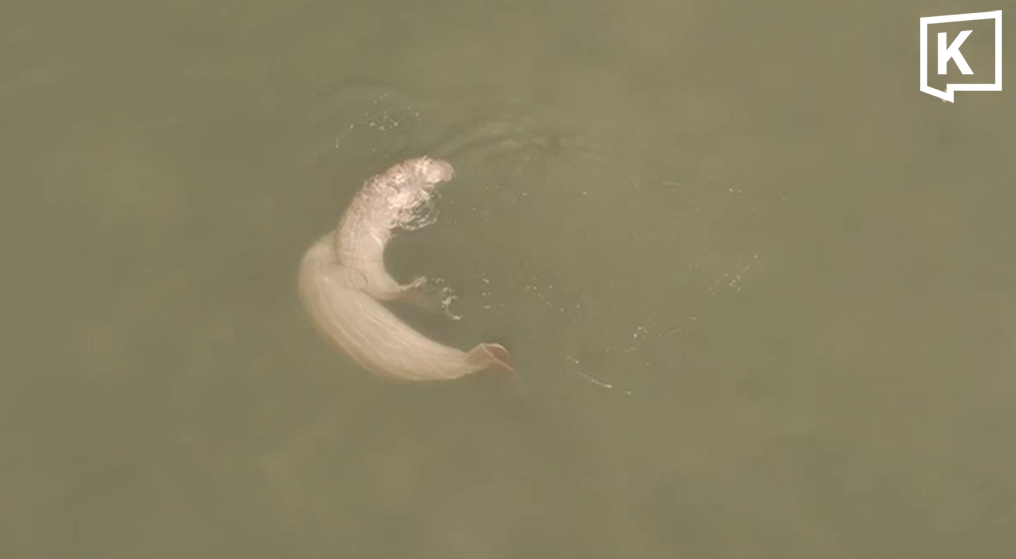
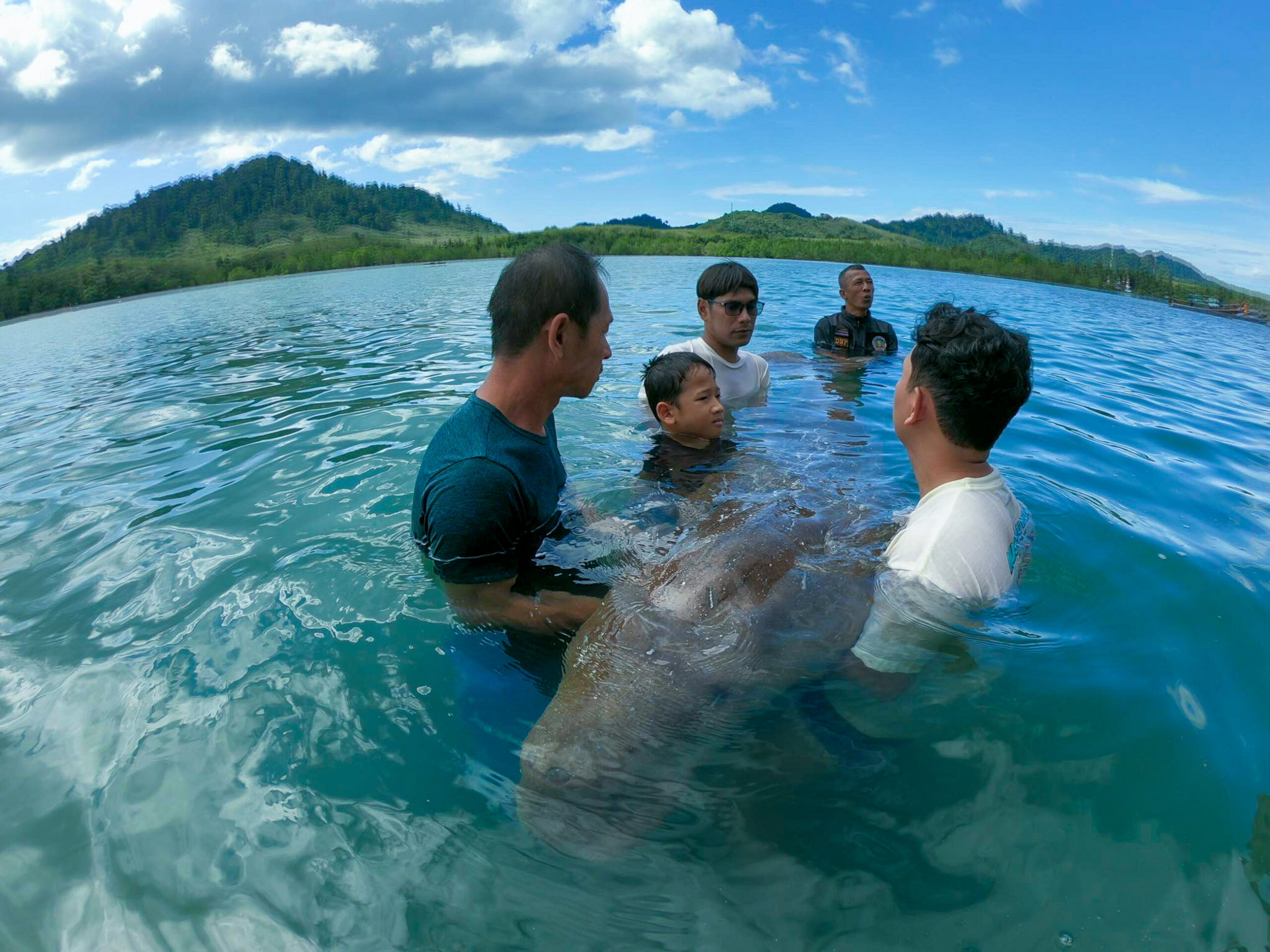
Fascinated by dugongs (Dugong dugon) since childhood, Tipusa remembers forming a special bond with one particular individual. Marium was an infant dugong brought into the care of marine officials in mid-2019 after fishers discovered her stranded ashore in Krabi province. With no mother or herd, she was moved to a semiwild enclosure farther south in Trang province, near Koh Libong, where authorities hoped to rehabilitate her.