MercoPress. South Atlantic News Agency
Wednesday, May 20th 2026 - 23:18 UTC
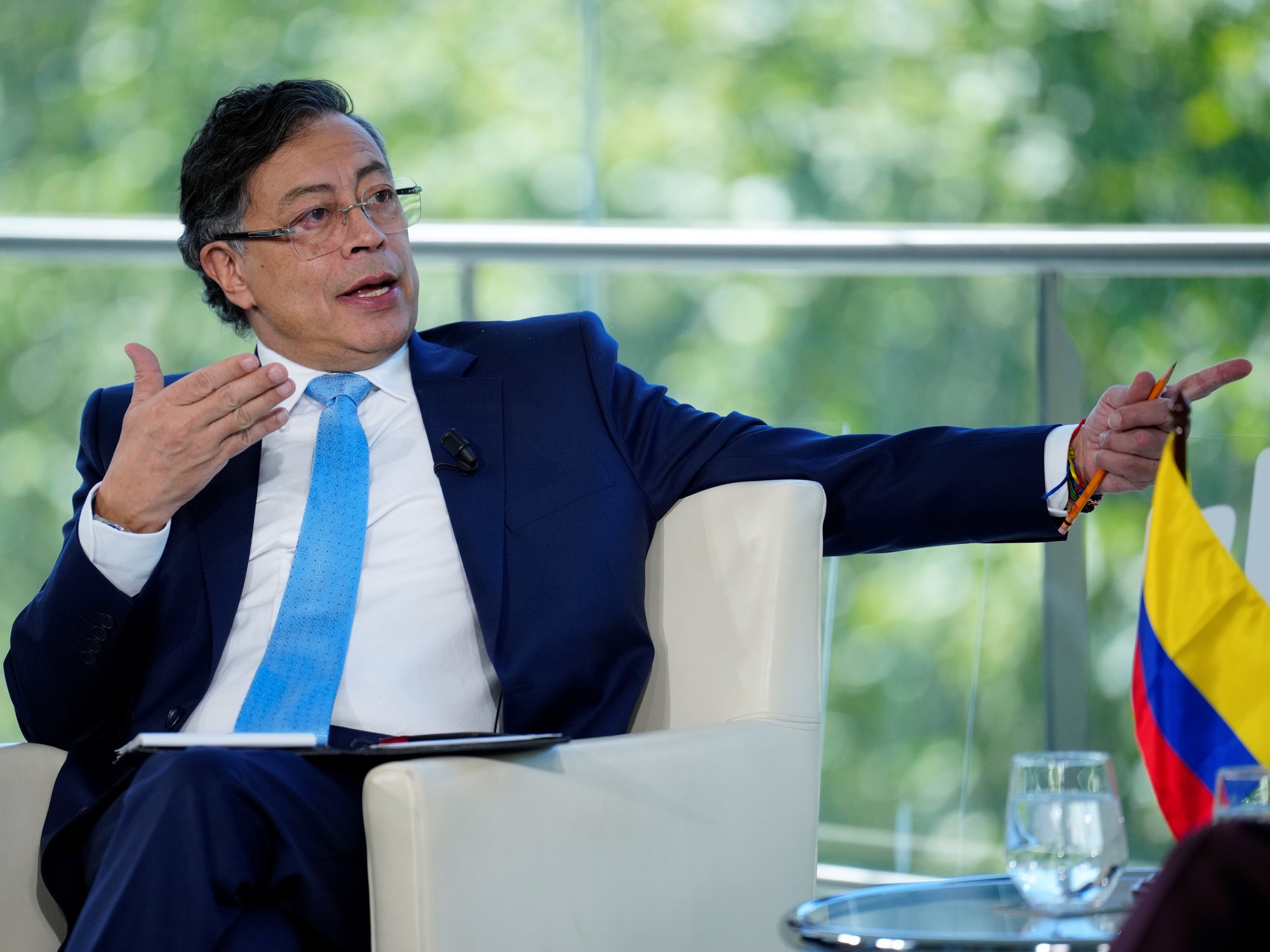
Petro responded to the expulsion by accusing the Bolivian executive of falling into “extremism” and warned of the risk of “a massacre” if no national dialogue is opened
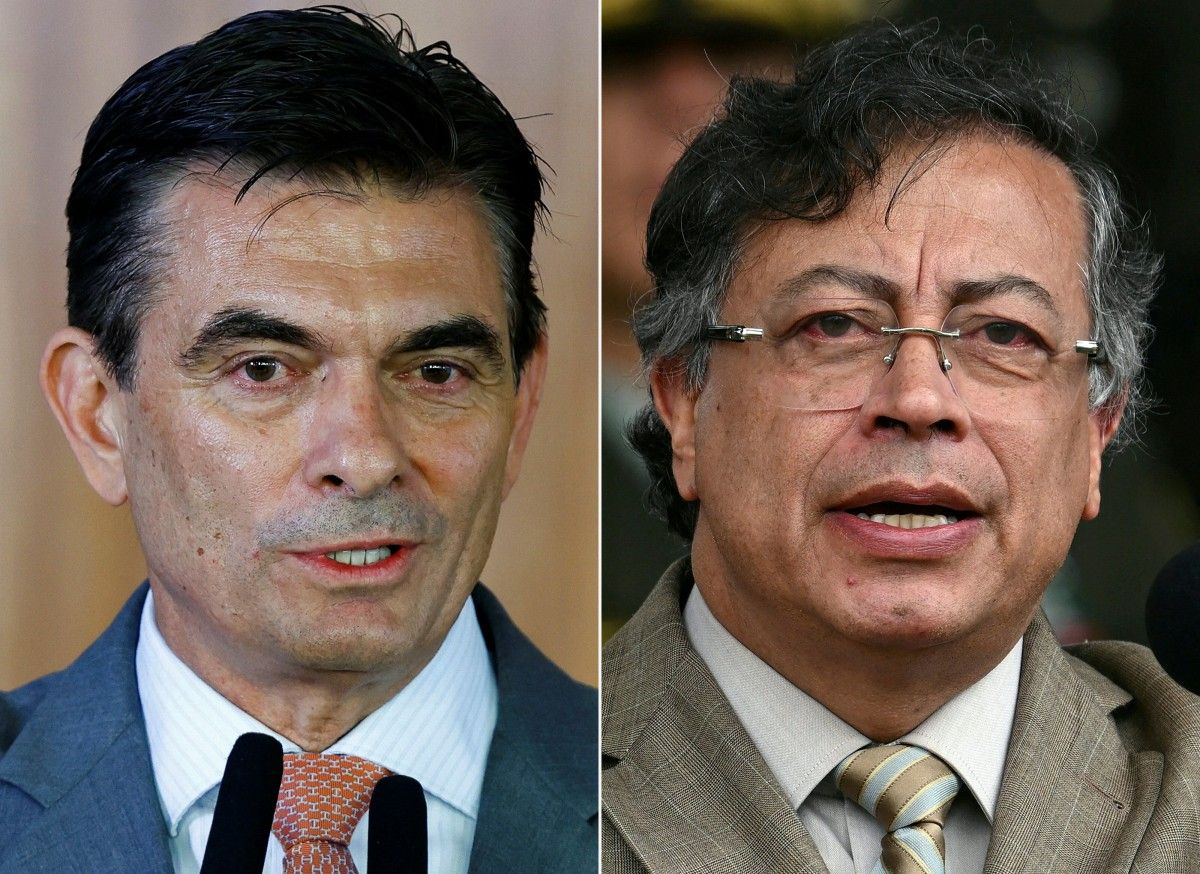
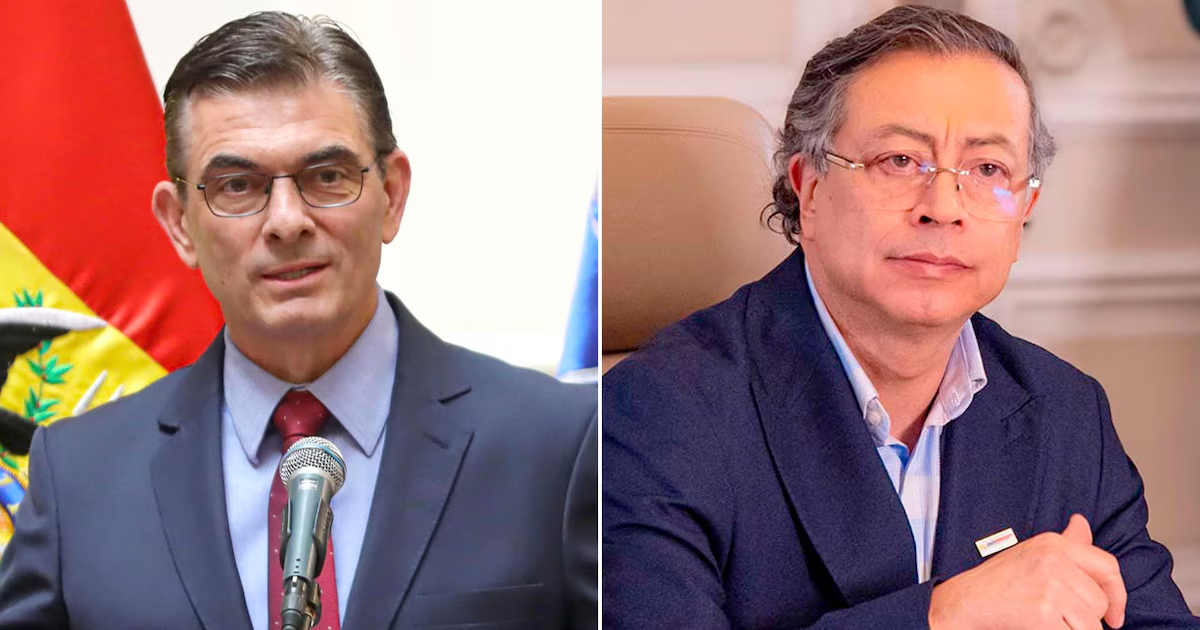
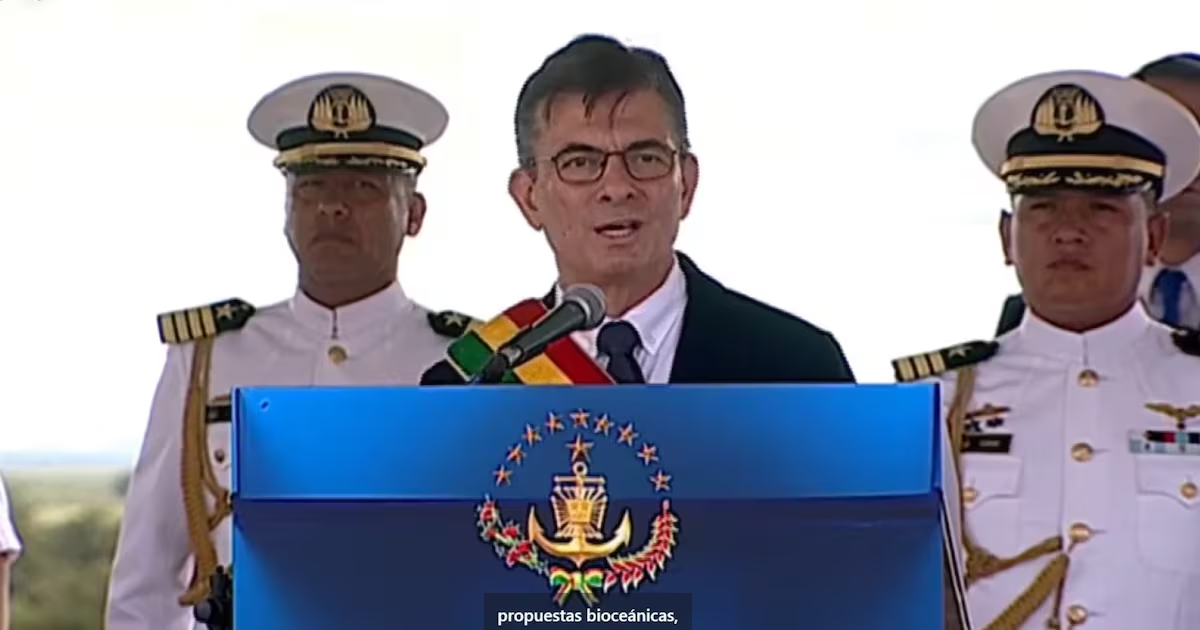
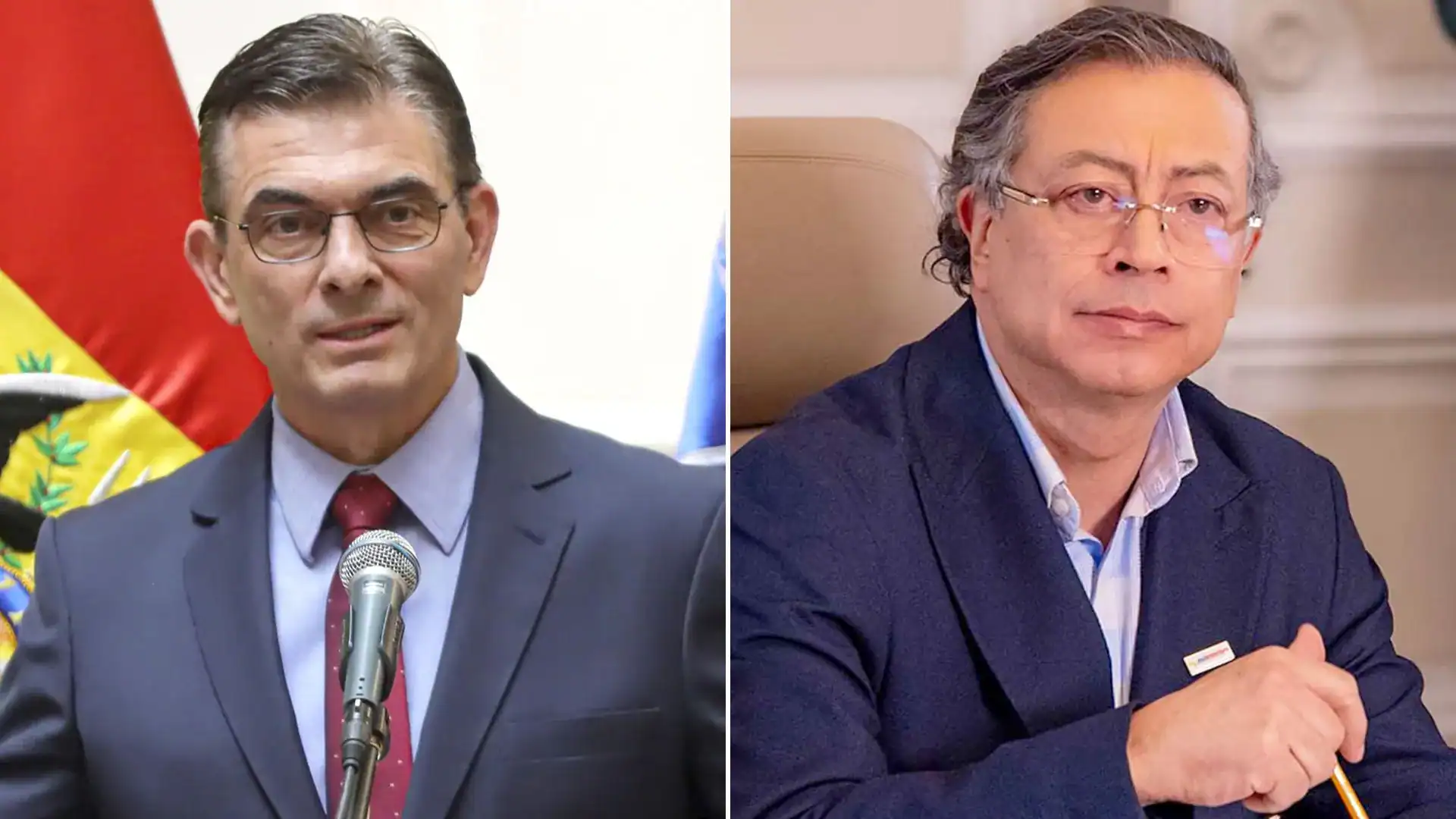
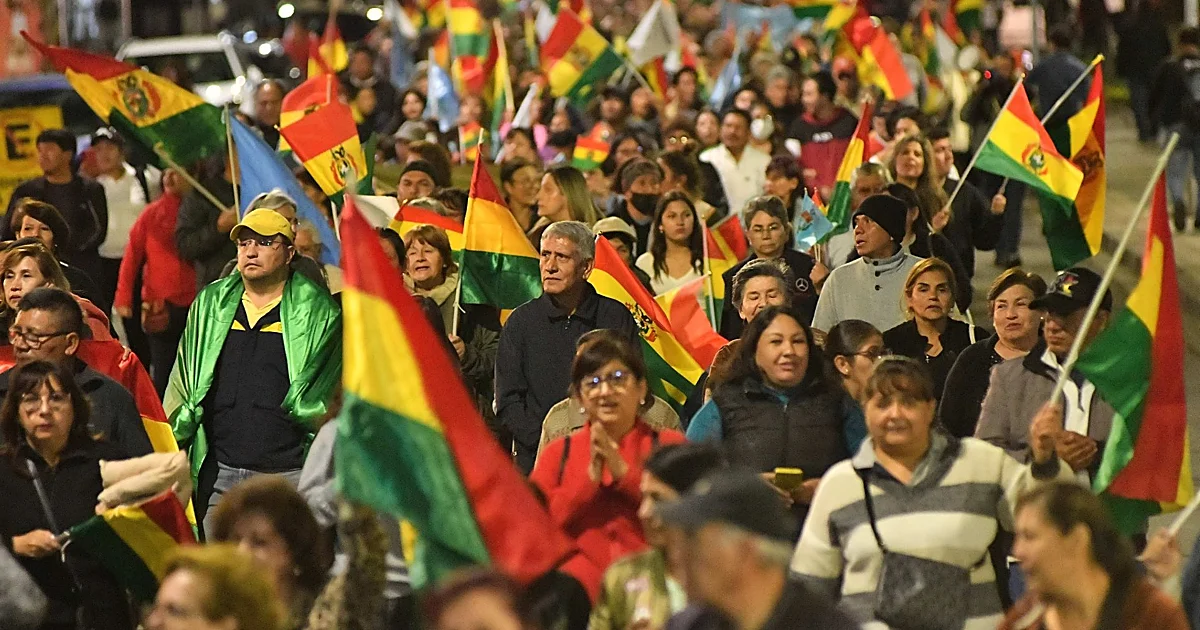
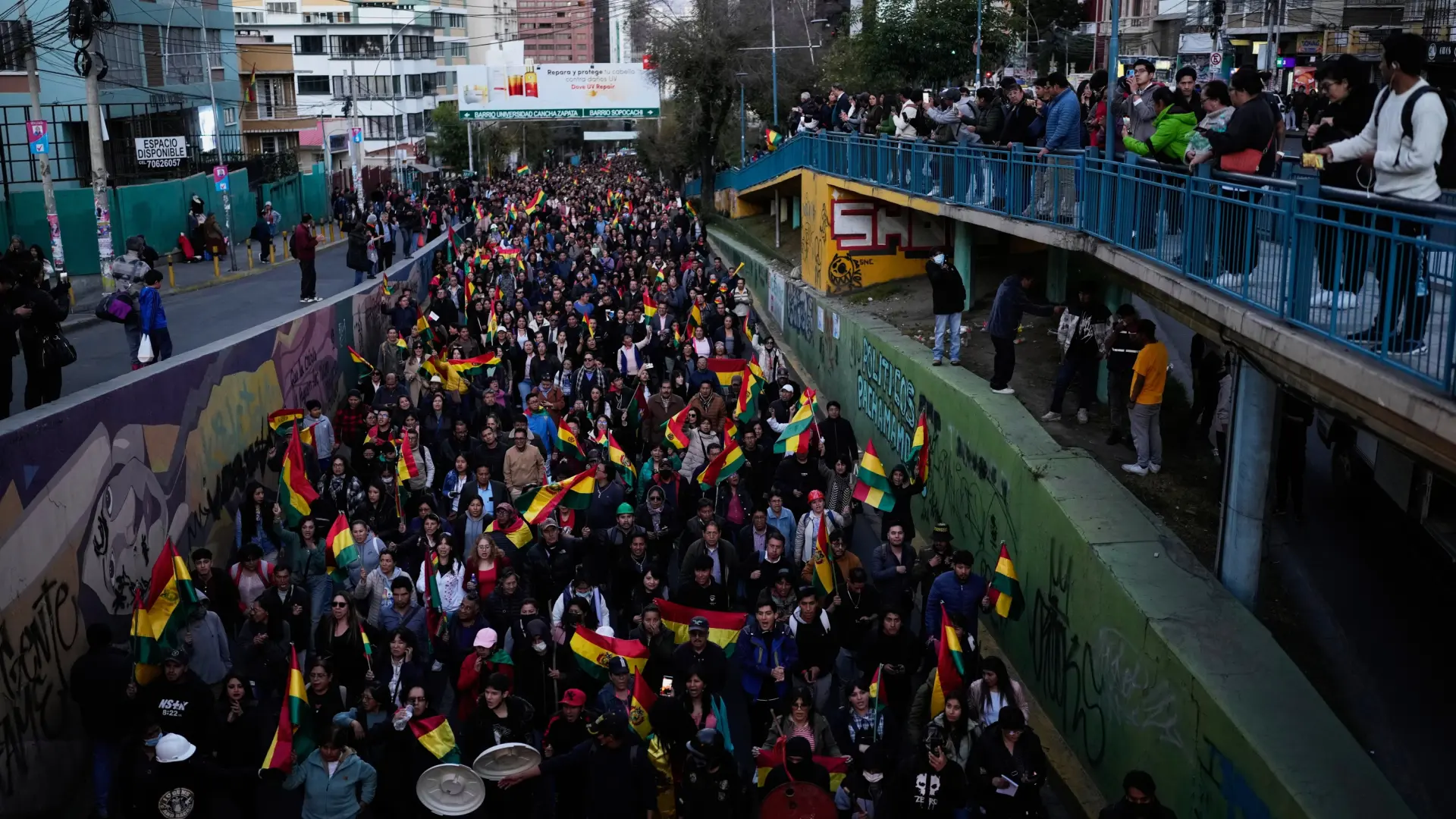
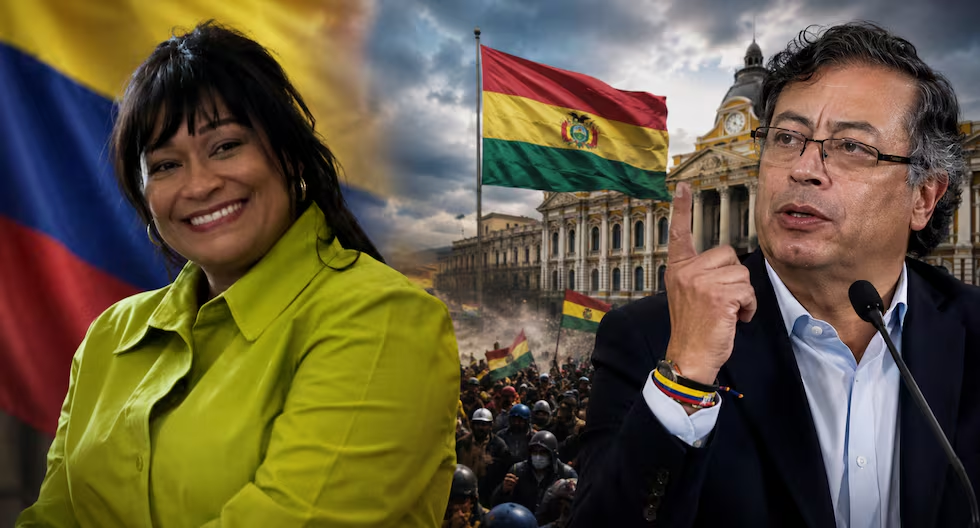
The political and social crisis that has been shaking Bolivia for 15 days escalated on Wednesday into a regional diplomatic confrontation, with the government of Rodrigo Paz expelling the Colombian ambassador to La Paz, Elizabeth García, denouncing before the Organization of American States an attempt at “institutional destabilization,” and receiving public backing from the United States and from several governments in the region. The decision was taken after Colombian President Gustavo Petro described the protests as a “popular insurrection” and said that in Bolivia “there is a people in the streets being killed,” statements considered “interfering” by La Paz.
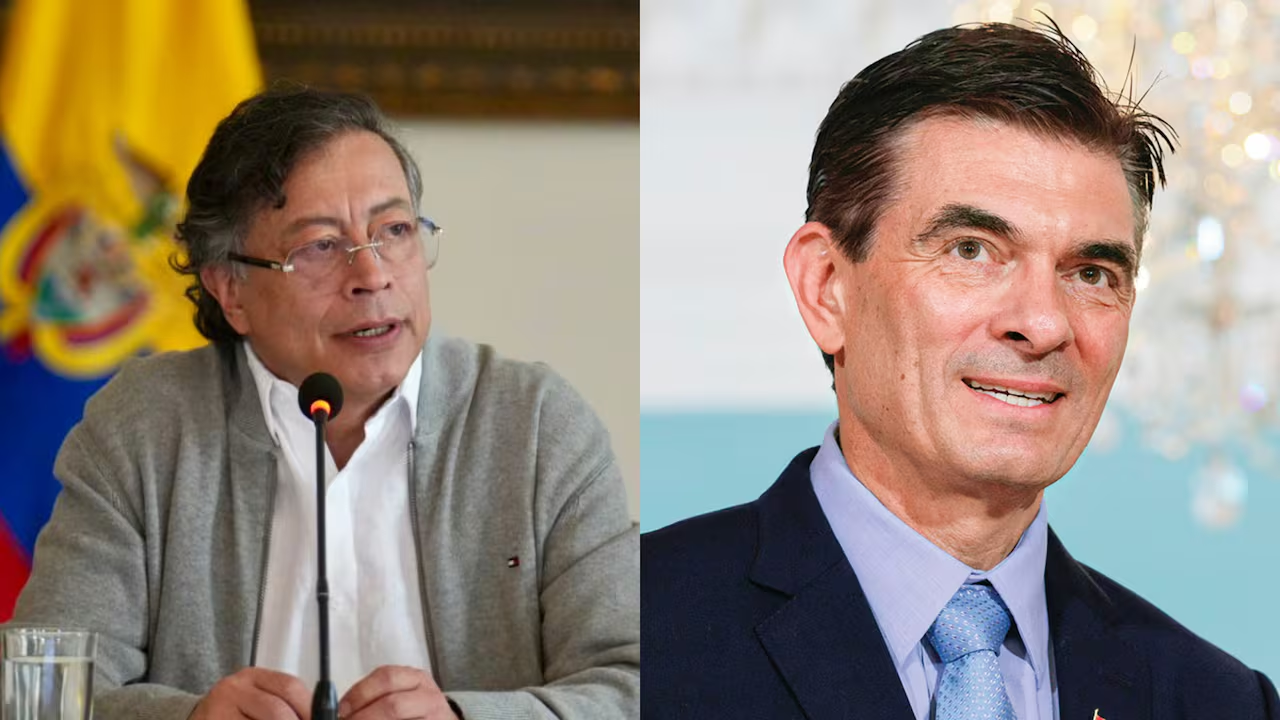
Petro responded to the expulsion by accusing the Bolivian executive of falling into “extremism” and warned of the risk of “a massacre” if no national dialogue is opened. The United States, by contrast, offered categorical support to the Bolivian government. Secretary of State Marco Rubio said Washington “will not allow criminals and drug traffickers to overthrow democratically elected leaders,” while Deputy Secretary Christopher Landau even spoke of “a coup in progress.” Uruguay called for a peaceful resolution to the conflict and for preserving democratic institutions, while the Dominican Republic condemned any attempt to alter the constitutional order.