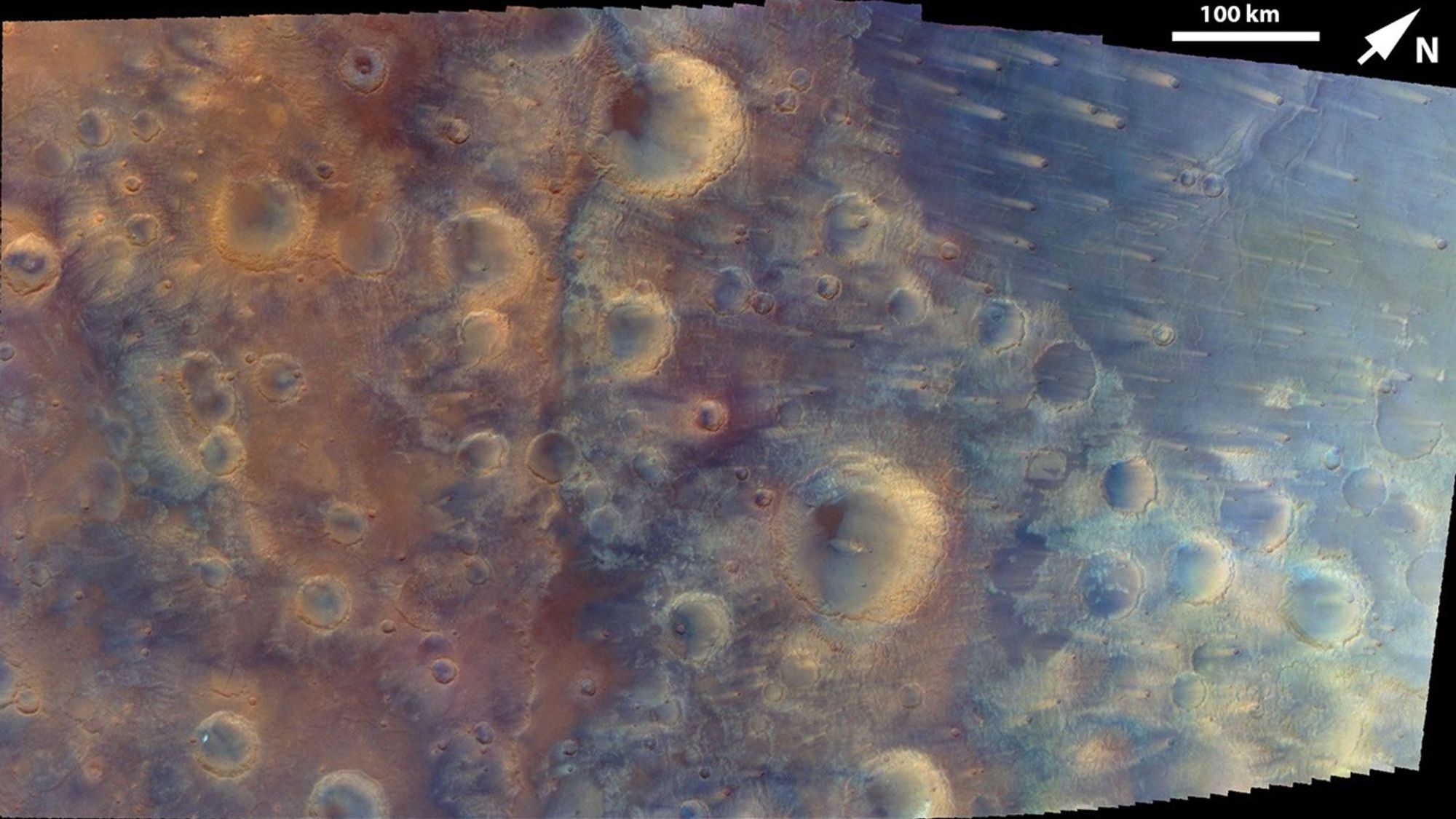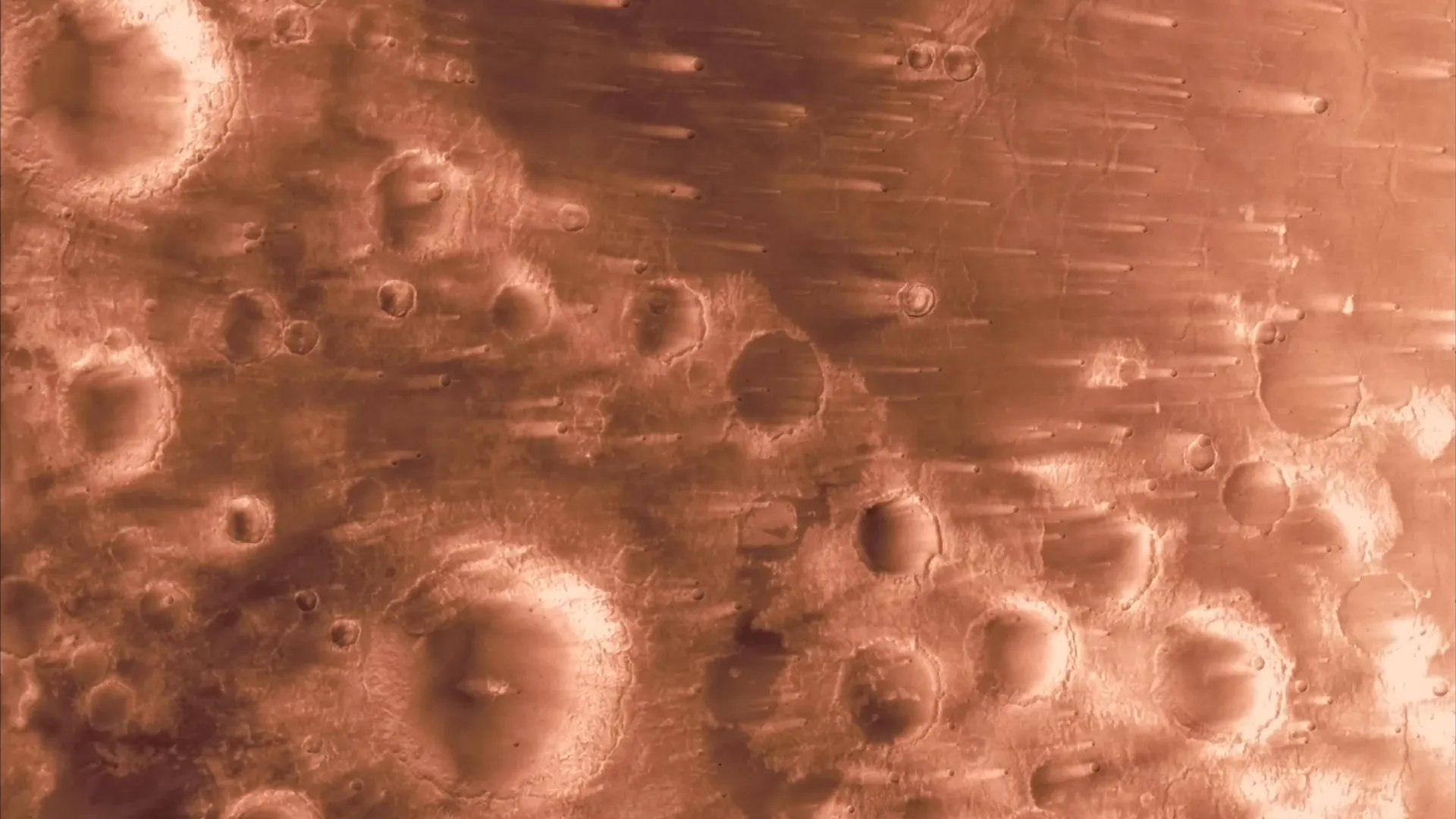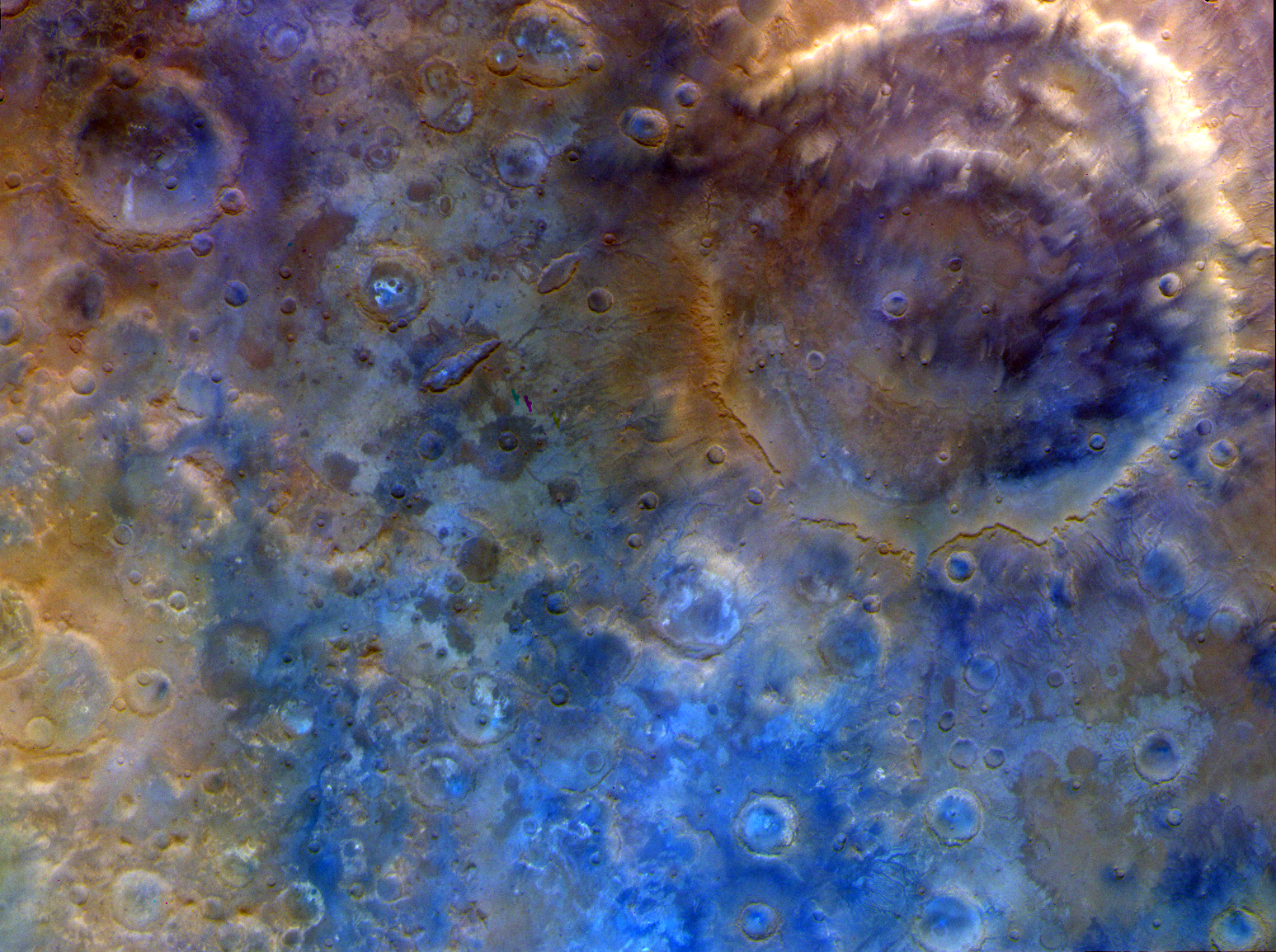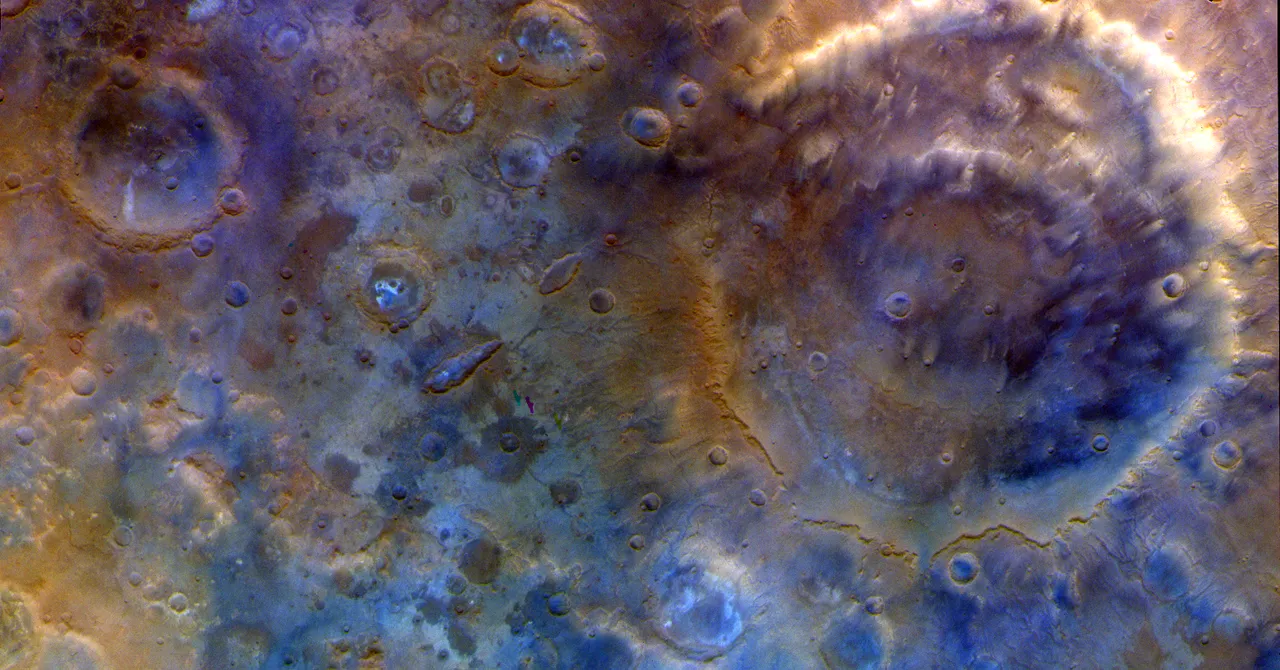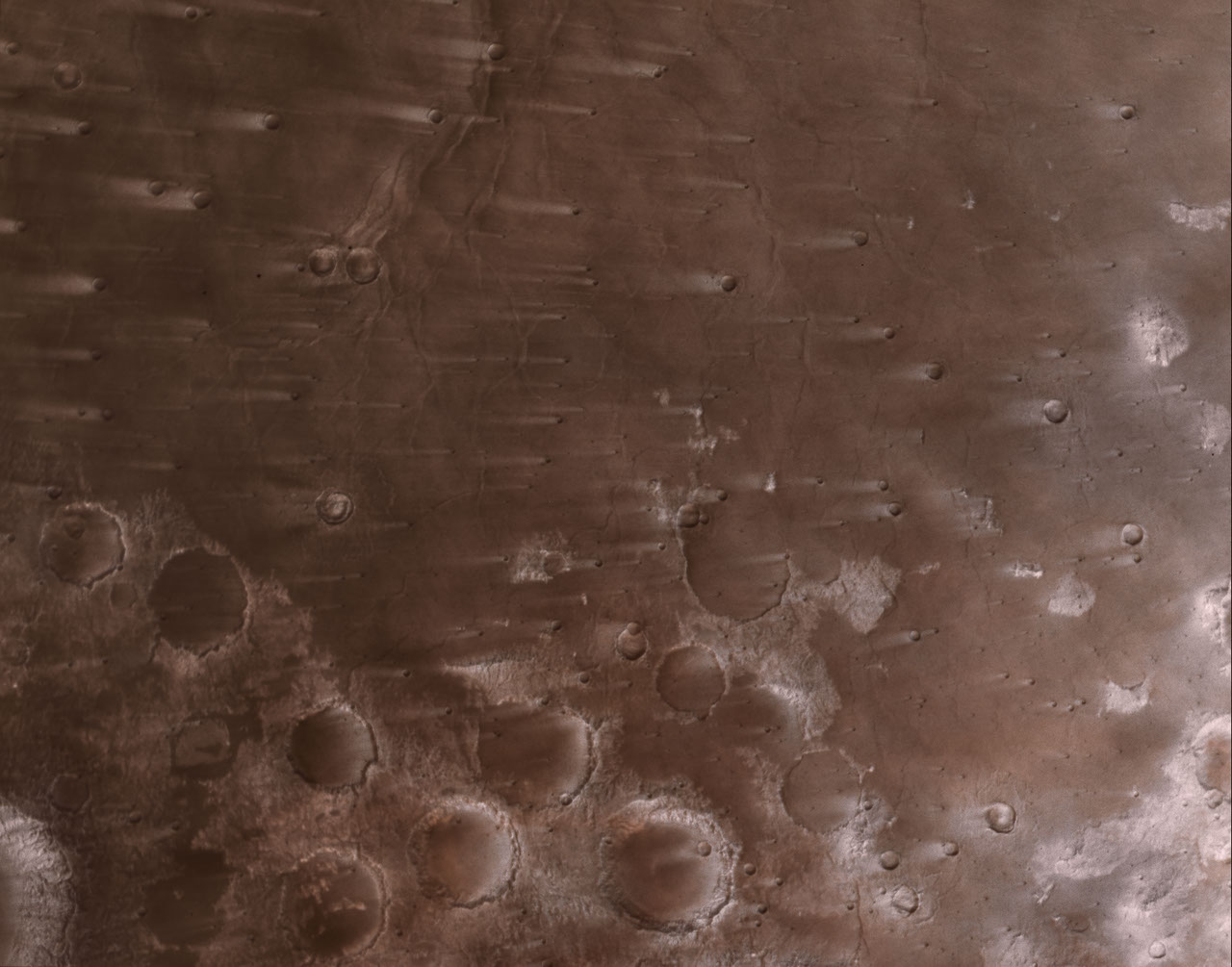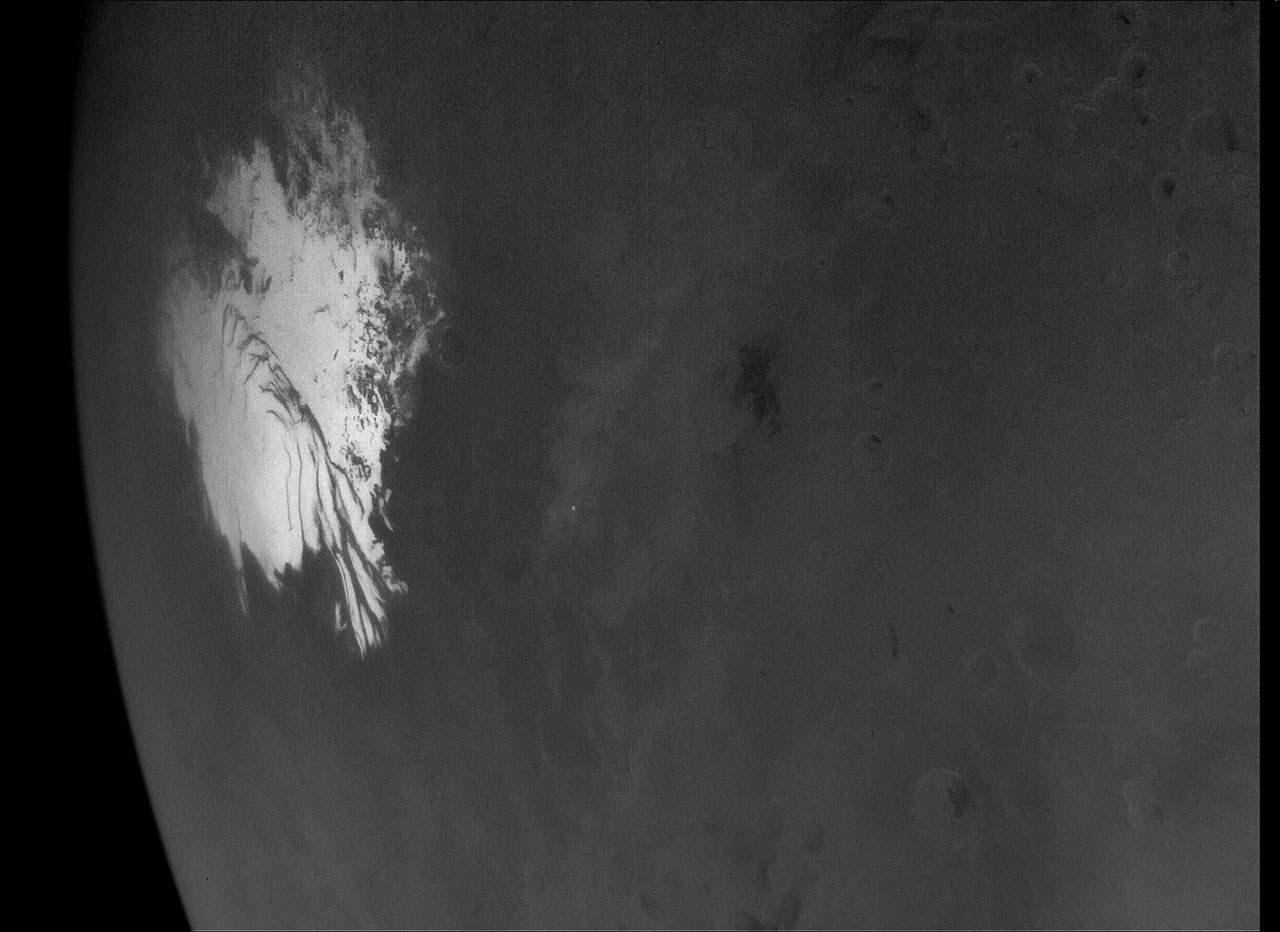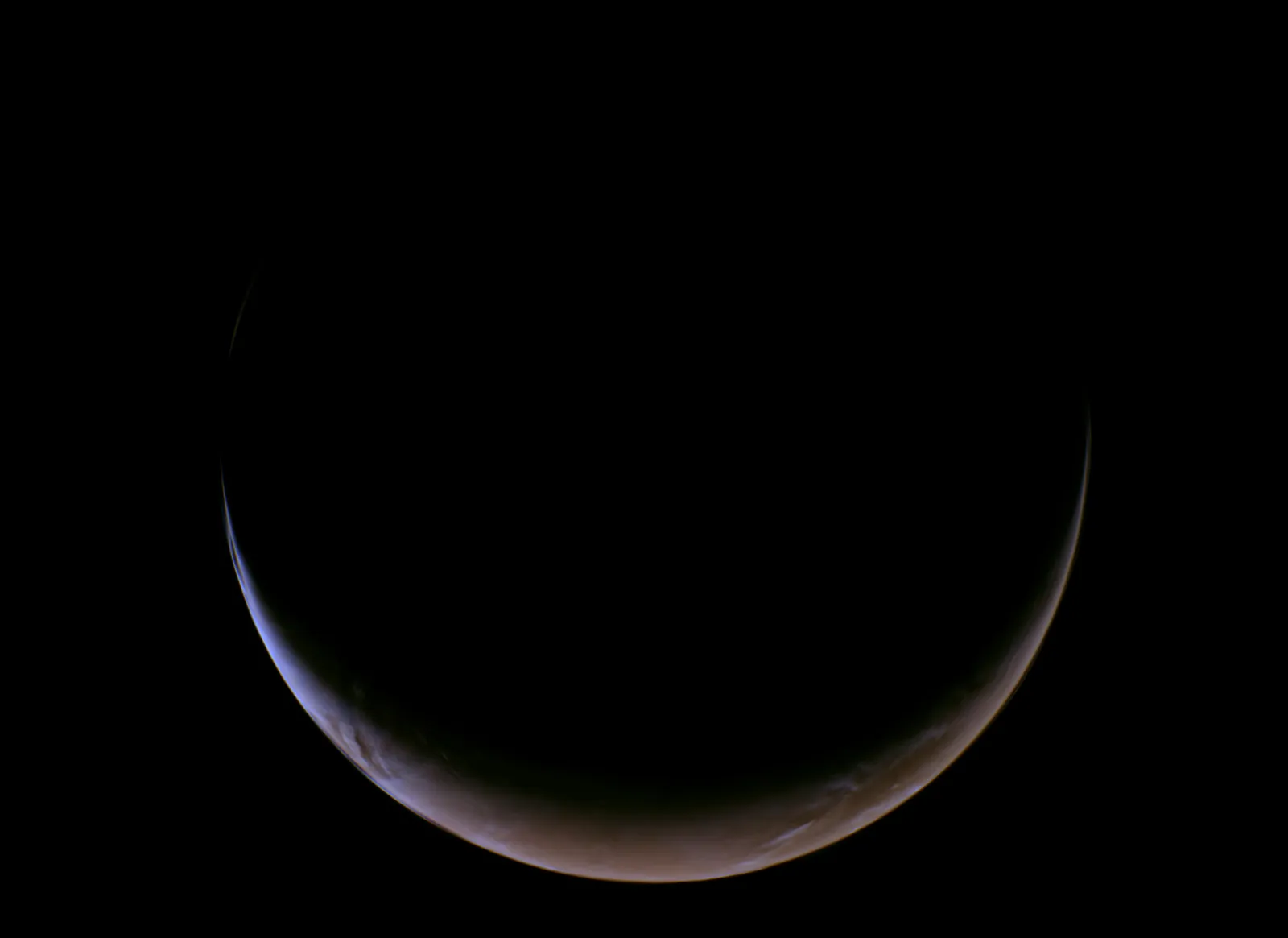
“As a bonus, it captured Mars images from a rare perspective,” NASA said in a press release.
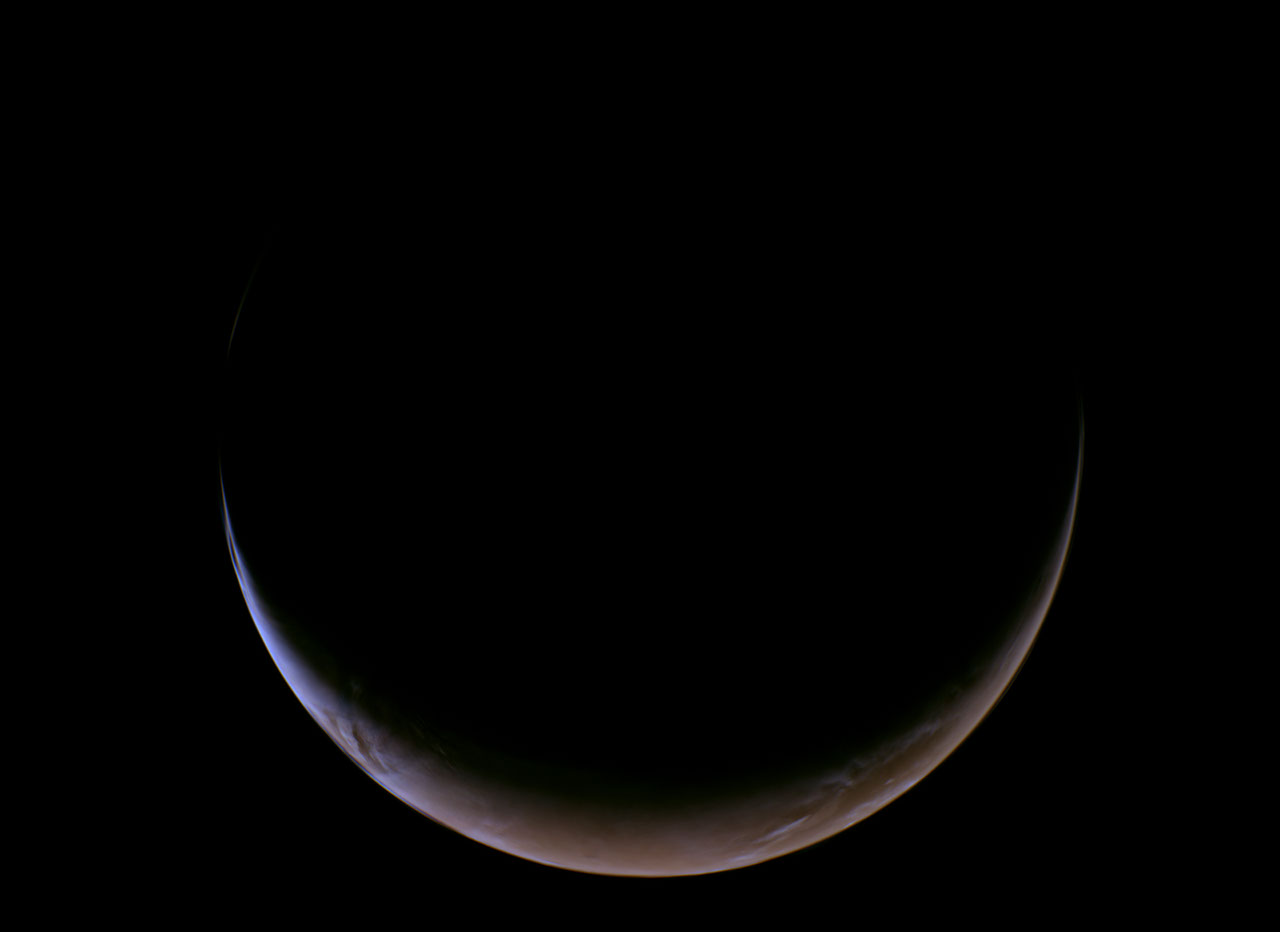
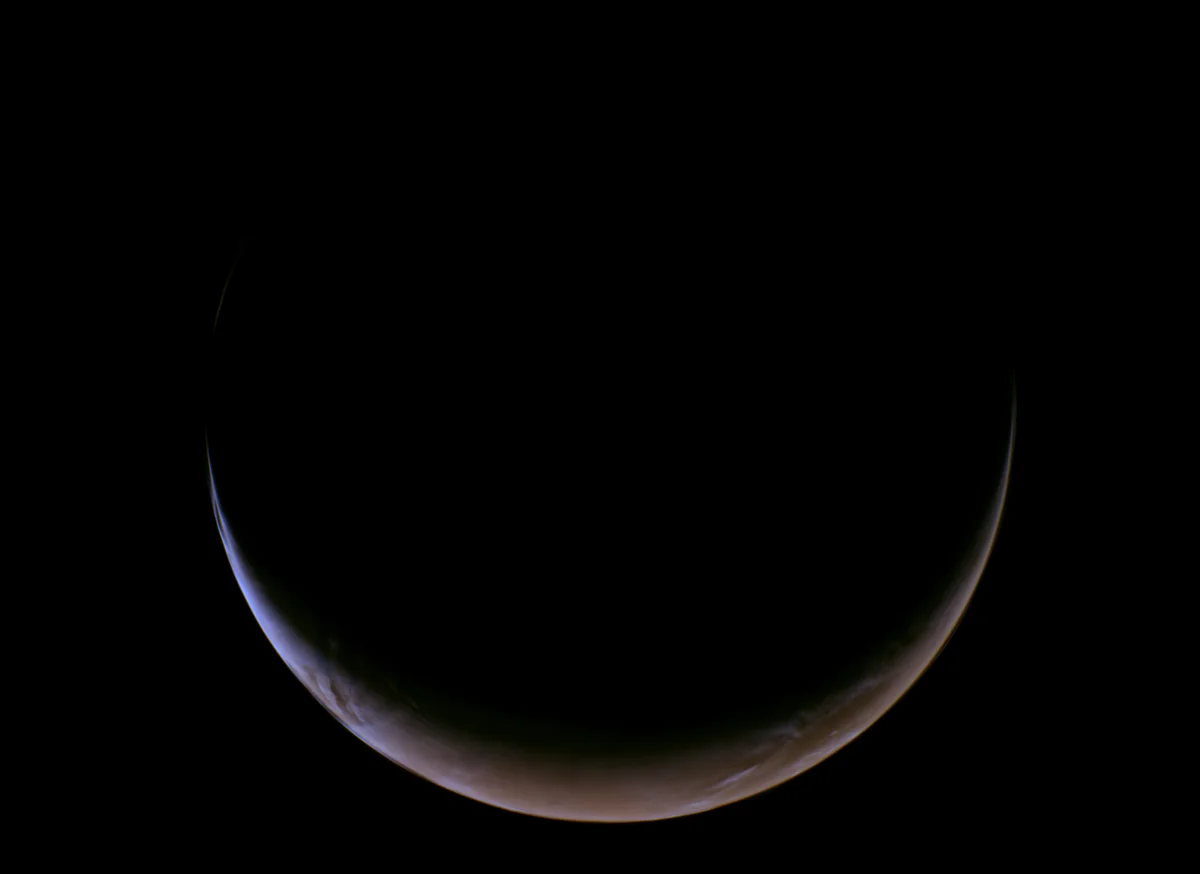
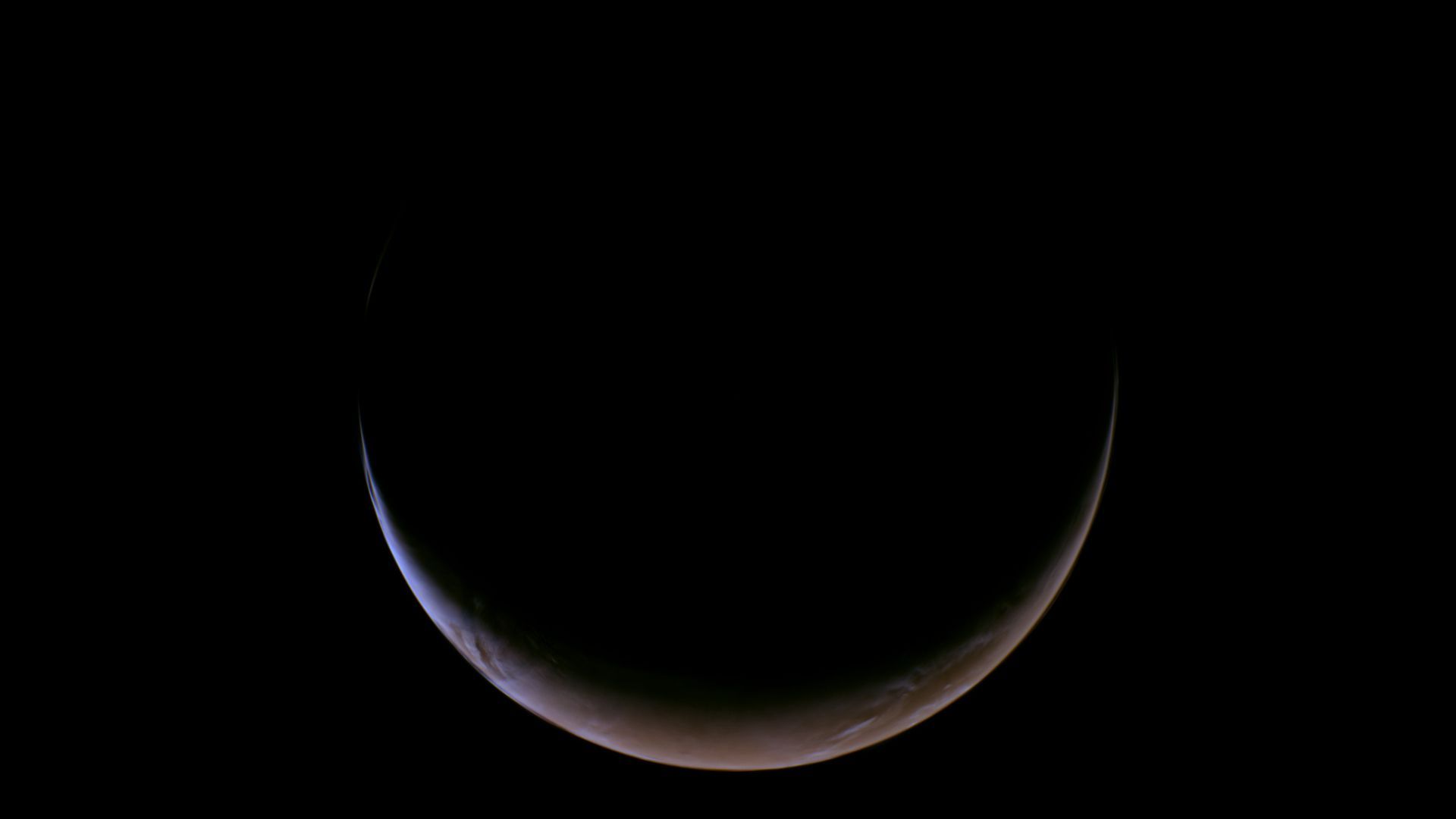
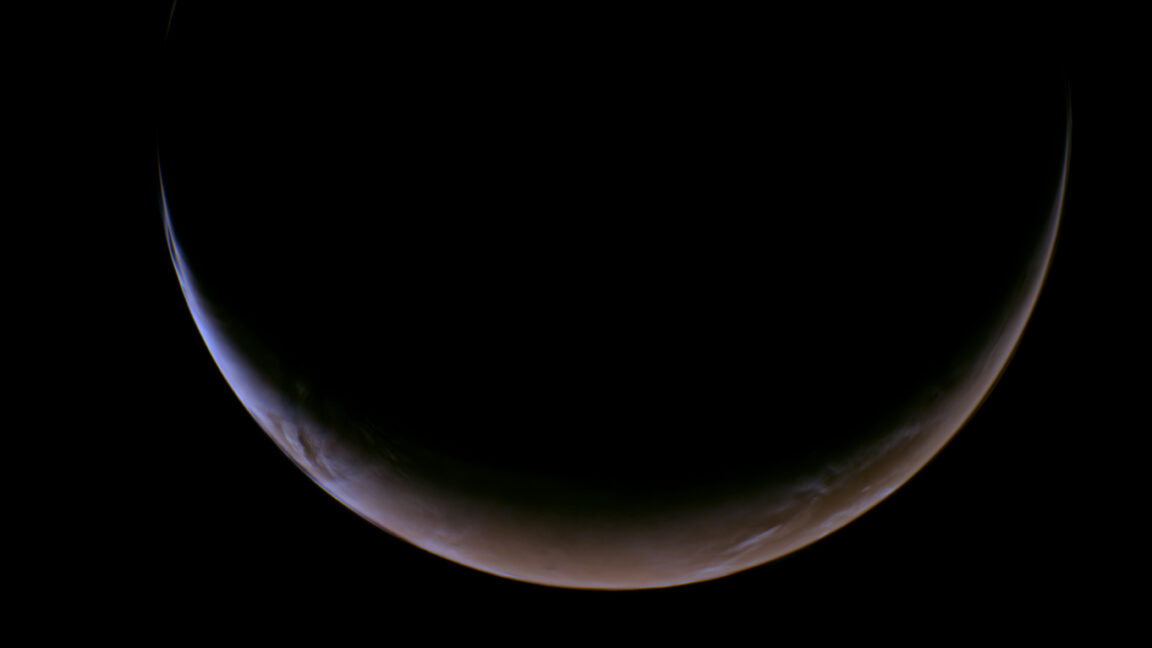
The spacecraft approached Mars from a high phase angle, or from the side opposite the Sun, making the planet appear as a thin crescent as Psyche moved in for the encounter. The wispiness of the thin Martian atmosphere was on full display, with sunlight shining through diffuse clouds of dust suspended dozens of miles over the sharp edge of the planet’s rust-colored surface.
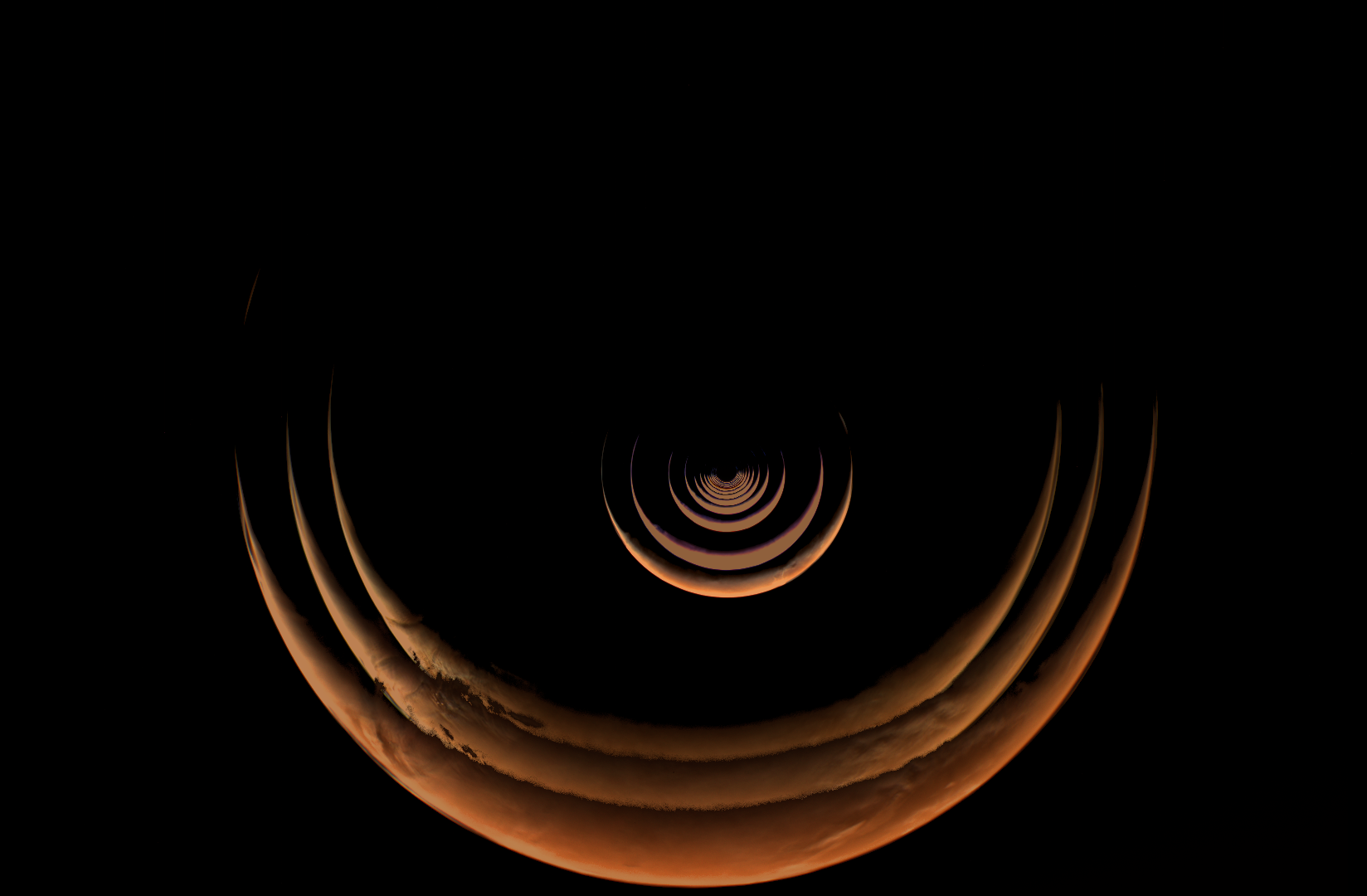
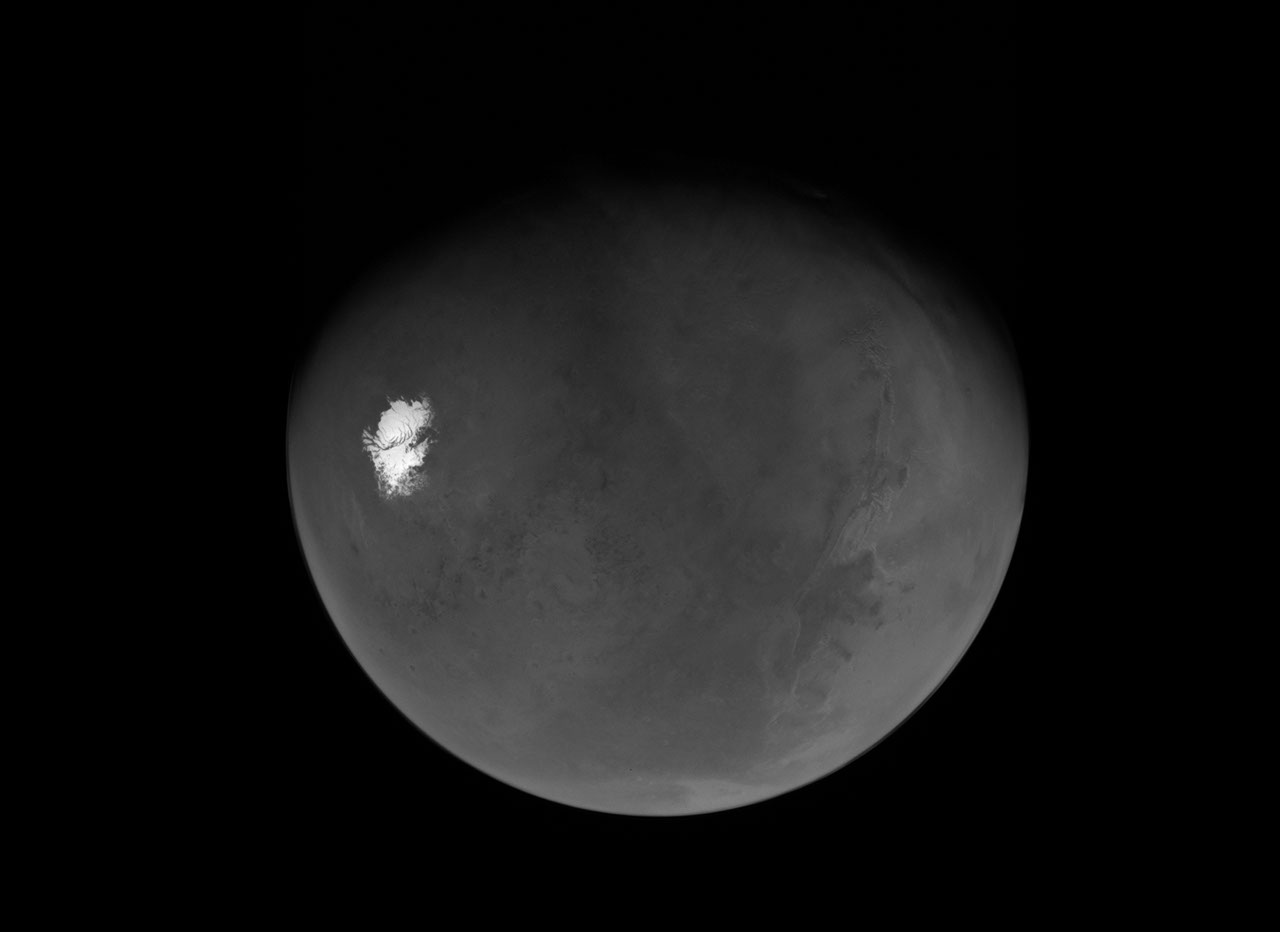
This is the first view of a nearly “full Mars” as seen by NASA’s Psyche spacecraft shortly after its closest approach to the planet on May 15, 2026. The view extends from the south polar cap northwards to the Valles Marineris canyon system and beyond.
NASA/JPL-Caltech/ASU
This is the first view of a nearly “full Mars” as seen by NASA’s Psyche spacecraft shortly after its closest approach to the planet on May 15, 2026. The view extends from the south polar cap northwards to the Valles Marineris canyon system and beyond.