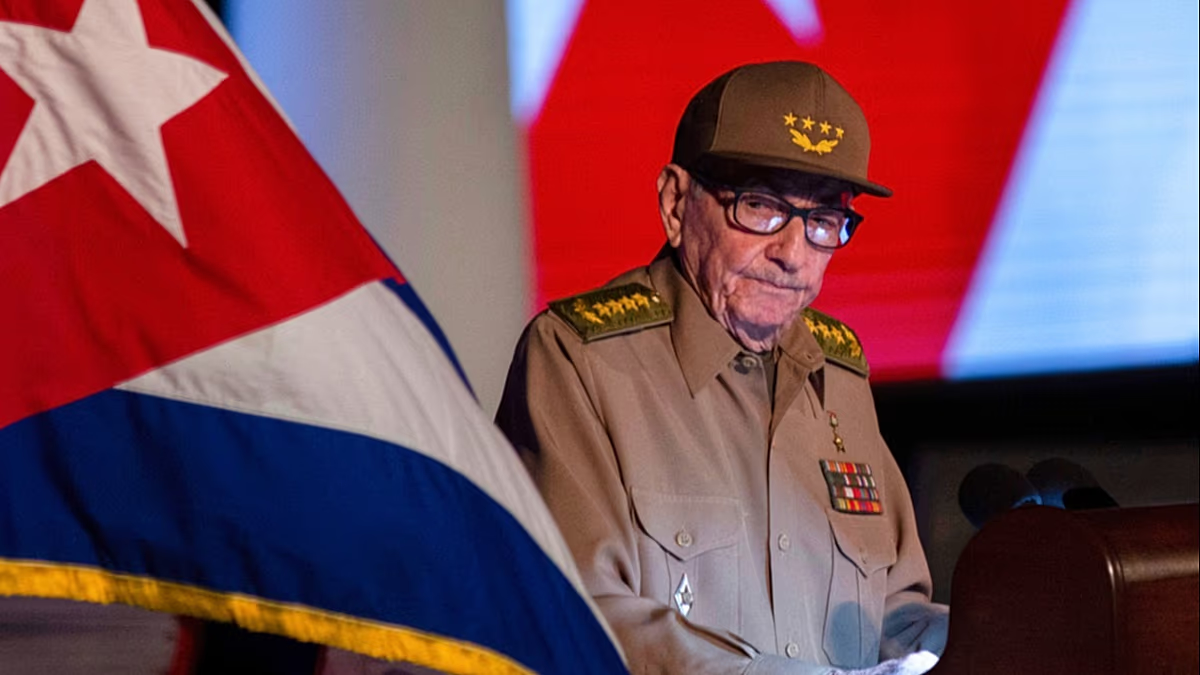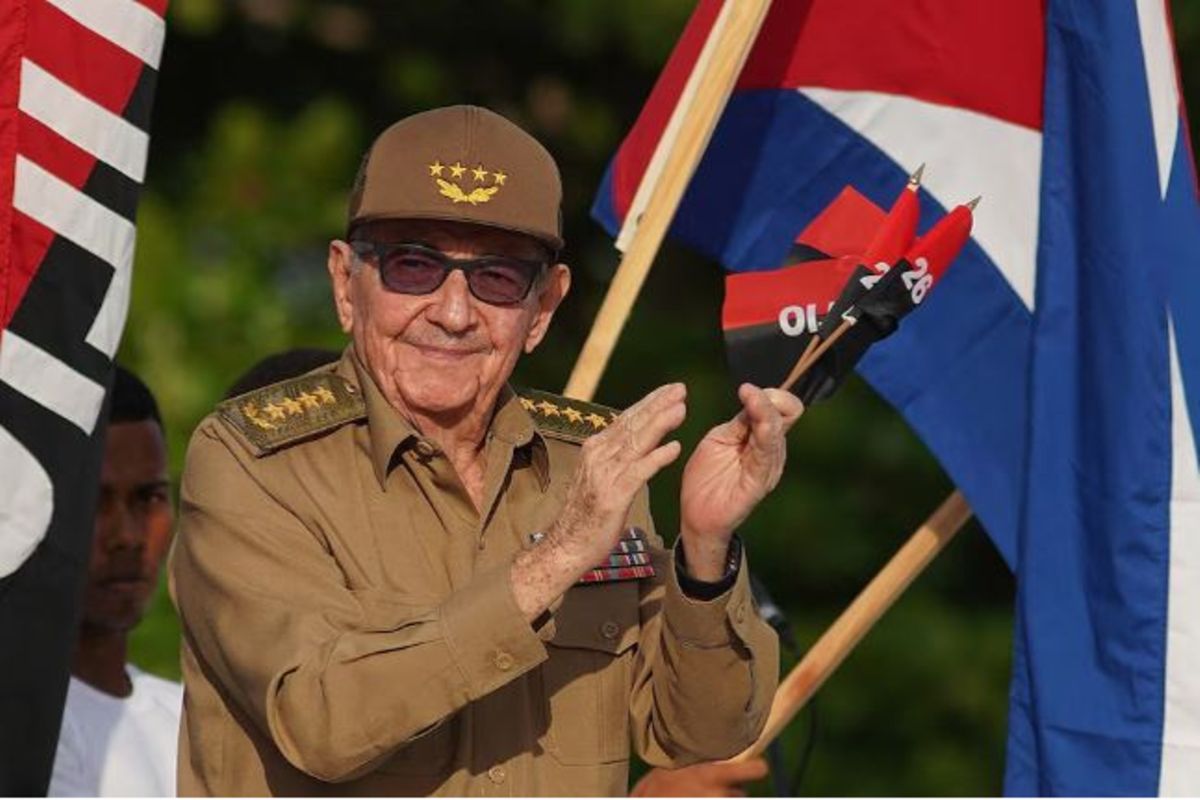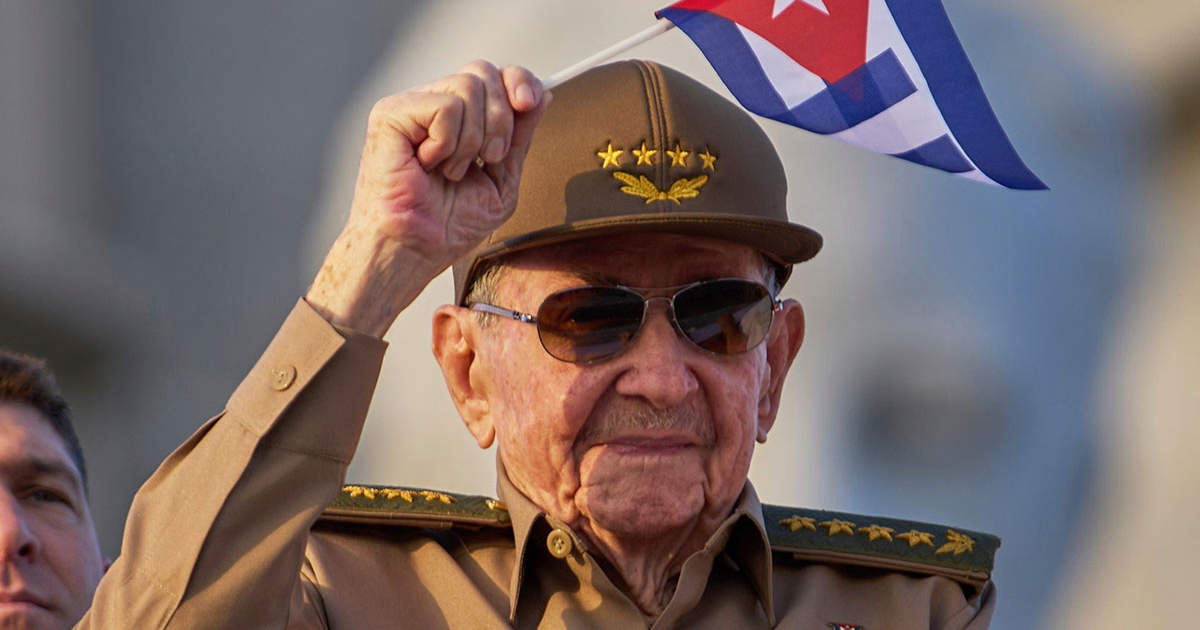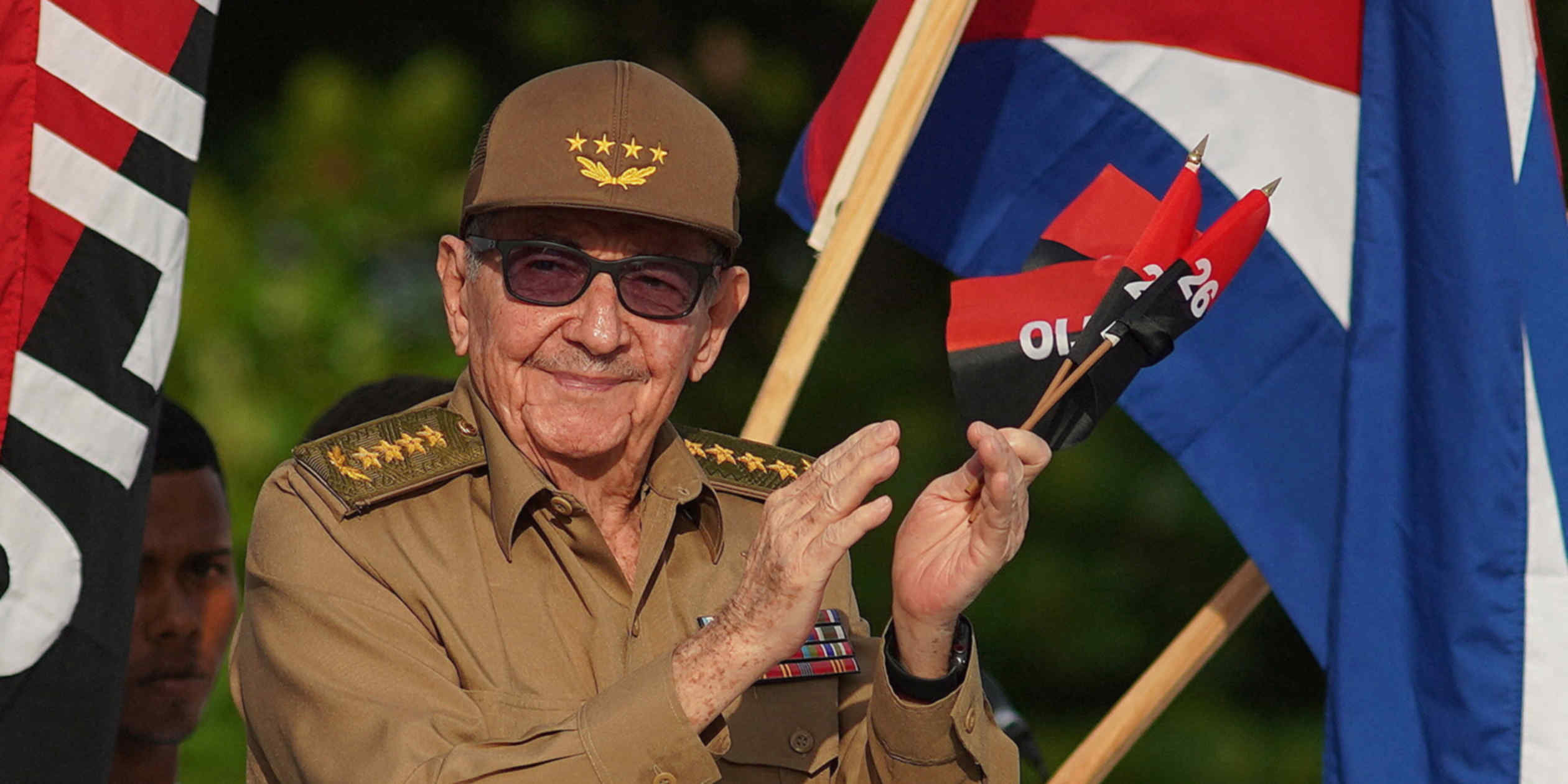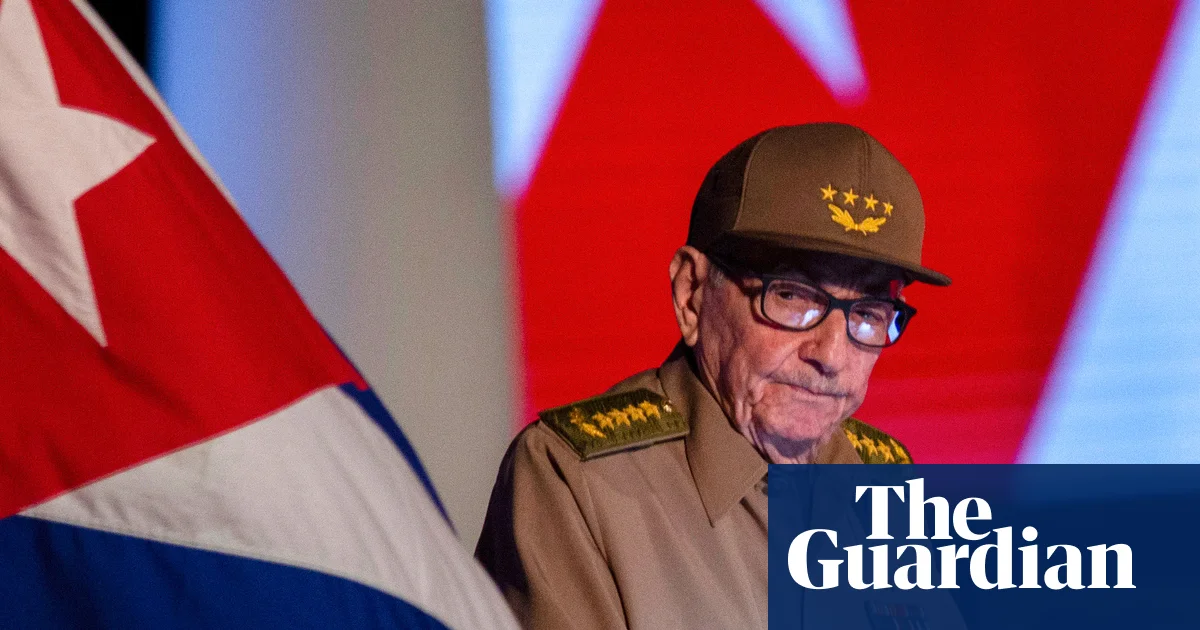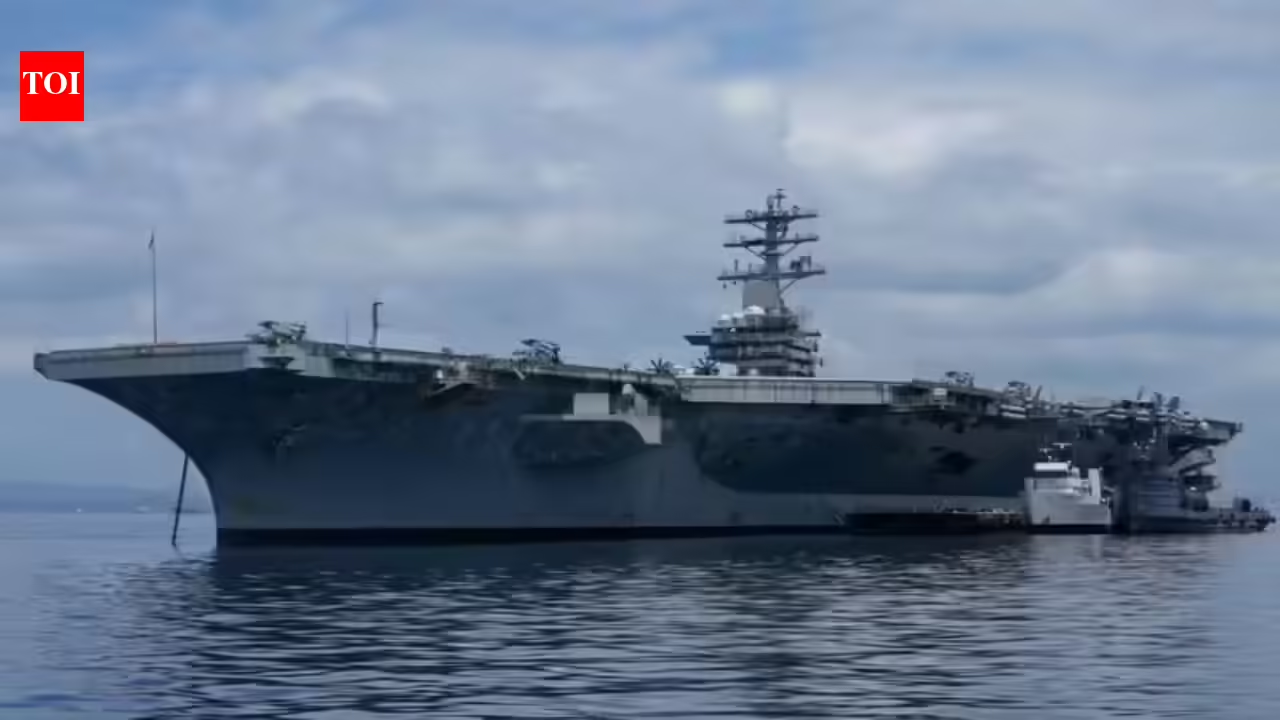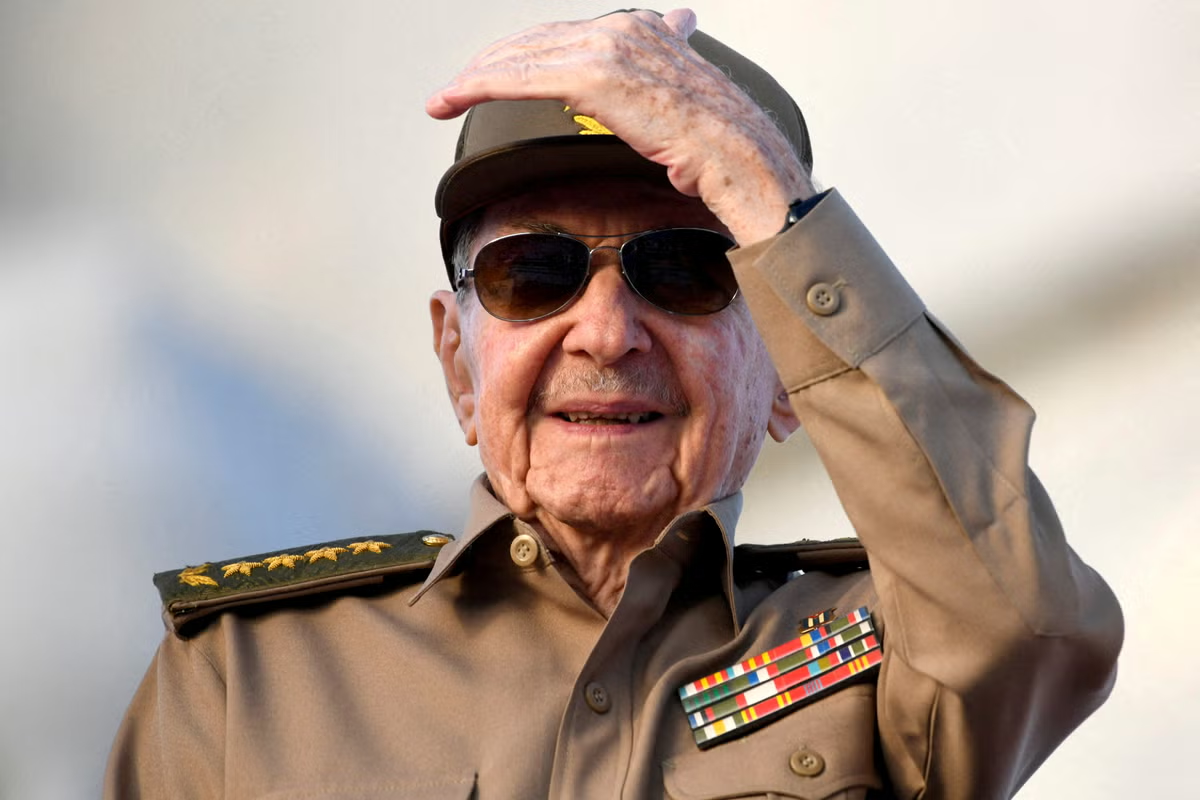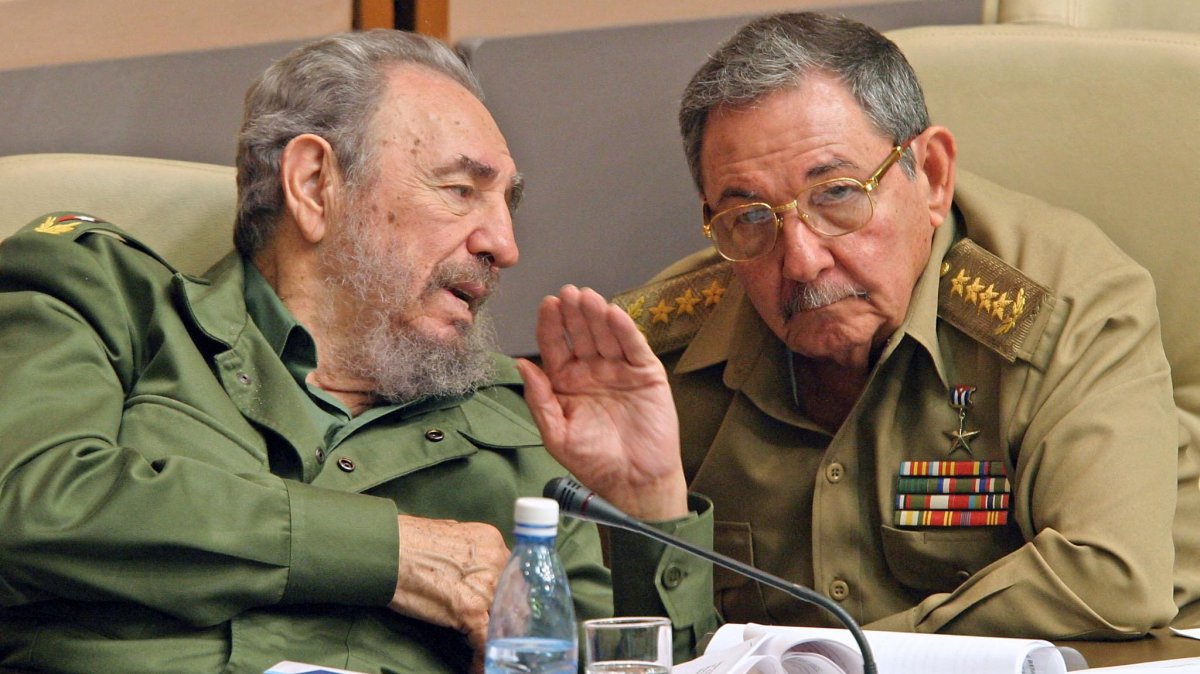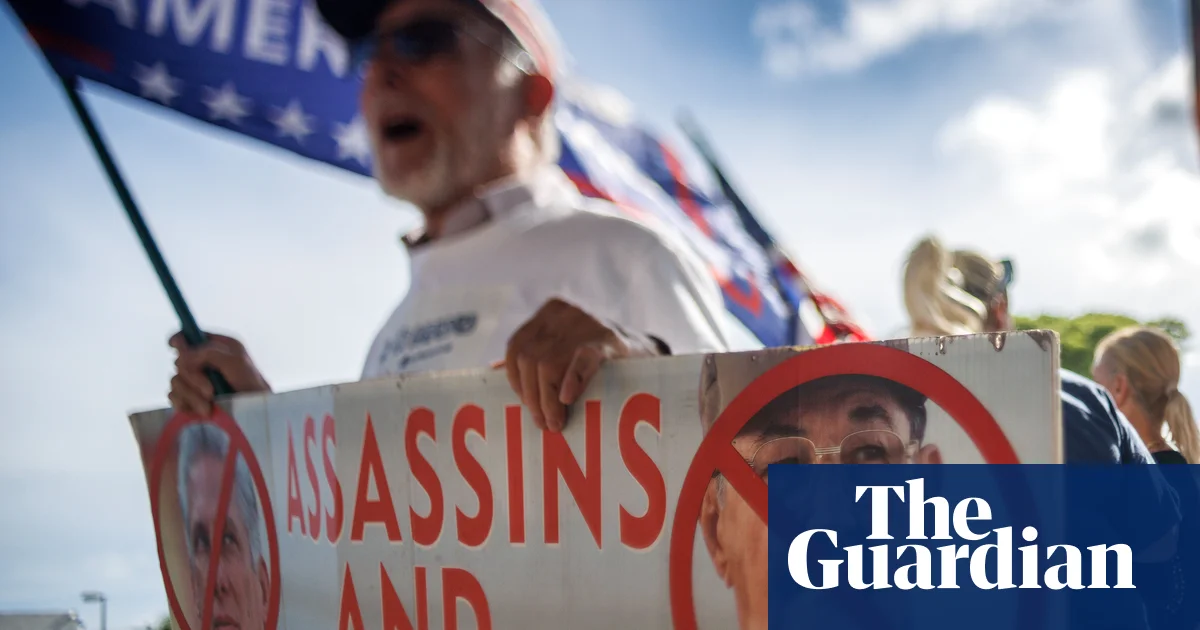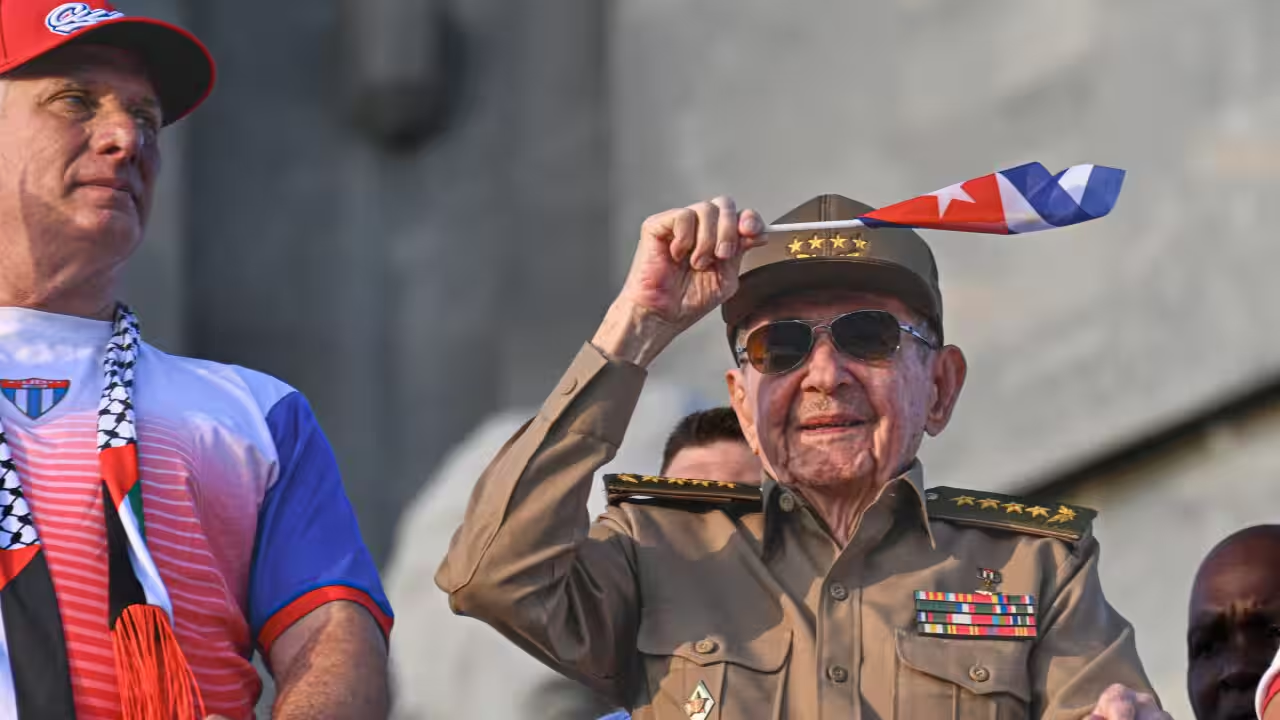
IN BRIEFThe United States also indicted Venezuela's then-president Nicolas Maduro before attacking Venezuela and seizing him in January.Cuban President Miguel Diaz-Canel said the US action has "no legal basis".The United States on Thursday AEST criminally indicted Cuba's former leader Raúl Castro, fuelling speculation that President Donald Trump will try to launch an attack on the country.The US Justice Department charged the influential former president over the deadly 1996 downing of two civilian planes manned by anti-Castro pilots.The 94-year-old Castro, brother of Fidel Castro, the late iconic US nemesis who led the 1959 communist revolution, was accused of murder, conspiracy to kill Americans, and destruction of aircraft."We expect that he will show up here by his own will or by another way and go to prison," acting attorney general Todd Blanche told a news conference in Miami attended by cheering Cuban-Americans.Trump previously seized on a US domestic indictment to justify military action in January that seized Venezuela's then-president, Nicolas Maduro, a staunch ally of the Cuban authorities.Trump hailed the indictment as a "very big moment" but played down prospects of taking action against Cuba, whose economy has been in a deepening crisis for months."There won't be escalation. I don't think there needs to be. Look, the place is falling apart. It's a mess, and they sort of lost control," Trump told reporters.But Cuban President Miguel Diaz-Canel said the US action has "no legal basis".The charges aim to "add to the file they are fabricating to justify the folly of a military aggression against Cuba," he wrote on X.Five other Cubans were also charged, including the air force pilots who shot down the planes.Four people died in the 1996 incident, sending relations plummeting. Two decades later, Raúl Castro joined then-US president Barack Obama in an effort to reconcile.Trump reversed Obama's effort to improve relations and has been steadily tightening sanctions on the island, already under a US embargo almost continuously since the communist revolution.Will the US attack Cuba?Trump has repeatedly signalled that the Cuban government could be next after Venezuela, and earlier this month even said Washington would be "taking over" the Caribbean island, about 145km from Florida, "almost immediately".In a video message to the Cuban people in Spanish, secretary of state Marco Rubio, himself a Cuban-American, accused the Havana leadership of theft, corruption and oppression."President Trump is offering a new path between the US and a new Cuba," Rubio said."A new Cuba where you have a real opportunity to choose who governs your country and vote to replace them if they are not doing a good job."The US seizure of Maduro has hit Cuba hard, cutting off a supply of free Venezuelan oil to the island which has suffered major blackouts.Rubio has dangled an offer of US$100 million ($140 million) in aid to Cuba if it takes steps to open up."In the US, we are ready to open a new chapter in the relationship between our people and our countries," Rubio said. "And, currently, the only thing standing in the way of a better future are those who control your country."The indictment was announced on the day that Cuban-Americans mark Cuba's independence from Spain.The Cuban government emphasises different dates in its historical narrative, celebrating the victory of Fidel Castro's revolution on 1 January 1959.Diaz-Canel, in his own message, said that independence from Spain in 1898 was marred by the Platt Amendment, the US policy of forcing the right to intervene in Cuba."Intervention, interference, dispossession, frustration: that is what May 20th signifies in Cuba's history," he wrote on X.For the latest from SBS News, download our app and subscribe to our newsletter.
Ex-Cuban president Raúl Castro indicted on murder charges as Trump escalates pressure
The ninety-four-year-old has been indicted on murder charges, US officials said.
600 words~3 min read