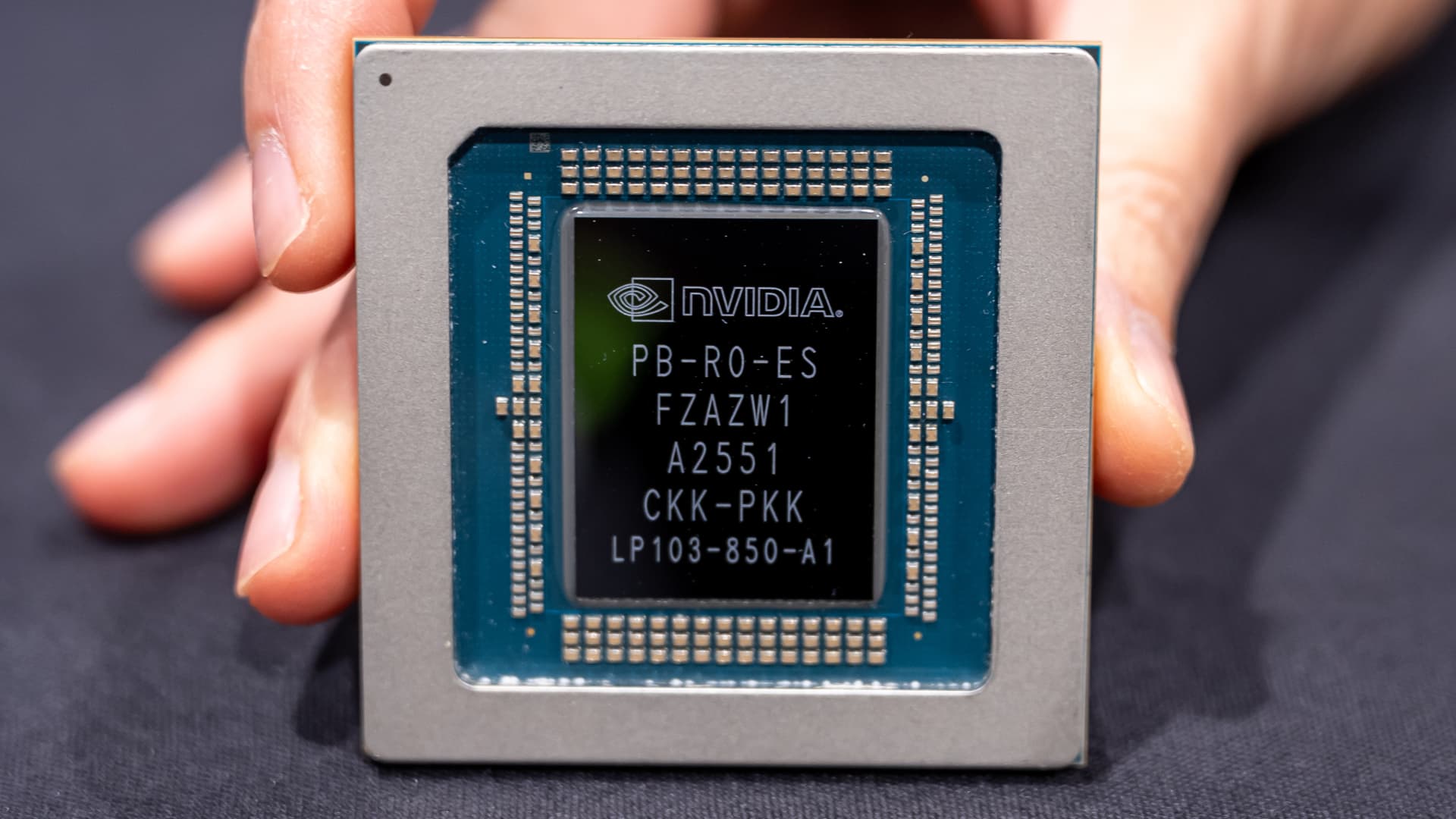
Skip to Content News Archives Economy Energy Oil & Gas Renewables Electric Vehicles Mining Commodities Agriculture Real Estate Mortgages Mortgage Rates Finance Banking Insurance Fintech Cryptocurrency Work Wealth Smart Money Wealth Management Investor Personal Finance Family Finance Retirement Taxes High Net Worth FP Comment Executive Women Puzzmo Newsletters Financial Times Business Essentials More Innovation Information Technology FP500 Podcasts Small Business Lives Told Tails Told Shopping Financial Post Store Obituaries Place a Notice Advertising Advertising With Us Advertising Solutions Postmedia Ad Manager Sponsorship Requests Classifieds Place a Classifieds ad Working Profile Settings My Subscriptions Saved Articles My Offers Newsletters Customer Service FAQ News Economy Energy Mining Real Estate Finance Work Wealth Investor FP Comment Executive Women Puzzmo Newsletters Financial Times Business Essentials HomeInformation TechnologyInvestorThe race to offer compute futures to the masses has already startedThe moves extend a pattern that has come to define the current cycle in the ETF industryAuthor of the article:Last updated 1 hour ago You can save this article by registering for free here. Or sign-in if you have an account.The open question is whether compute behaves like oil, or whether it turns out to be an early-stage thematic exposure dressed up under the banner of a hot new commodity. Photo by TIMOTHY A. CLARY/AFP via Getty ImagesWall Street is racing to turn computing power into a tradable commodity with the first ETFs being filed even before the futures contracts they would track have started to trade.Subscribe now to read the latest news in your city and across Canada.Exclusive articles from Barbara Shecter, Joe O'Connor, Gabriel Friedman, and others.Daily content from Financial Times, the world's leading global business publication.Unlimited online access to read articles from Financial Post, National Post and 15 news sites across Canada with one account.National Post ePaper, an electronic replica of the print edition to view on any device, share and comment on.Daily puzzles, including the New York Times Crossword.Subscribe now to read the latest news in your city and across Canada.Exclusive articles from Barbara Shecter, Joe O'Connor, Gabriel Friedman and others.Daily content from Financial Times, the world's leading global business publication.Unlimited online access to read articles from Financial Post, National Post and 15 news sites across Canada with one account.National Post ePaper, an electronic replica of the print edition to view on any device, share and comment on.Daily puzzles, including the New York Times Crossword.Create an account or sign in to continue with your reading experience.Access articles from across Canada with one account.Share your thoughts and join the conversation in the comments.Enjoy additional articles per month.Get email updates from your favourite authors.Create an account or sign in to continue with your reading experience.Access articles from across Canada with one accountShare your thoughts and join the conversation in the commentsEnjoy additional articles per monthGet email updates from your favourite authorsSign In or Create an AccountorRoundhill Investments, the boutique firm behind the fastest-growing exchange-traded fund in history, has submitted paperwork with regulators for the Roundhill Compute ETF under the ticker GPUX. The actively managed ETF would hold futures contracts pegged to the price of computing power. Per the prospectus, this includes cloud computing, high-performance computing and storage required to run calculations, process data and train artificial intelligence and machine-learning models.Last week, paperwork for the ProShares AI Computing Power ETF also landed with the United States Securities and Exchange Commission. That fund would aim to track the market for AI computing power, primarily through investments in compute futures contracts tied to graphics processing units, or GPUs.Canada's best source for investing news, analysis and insight.By signing up you consent to receive the above newsletter from Postmedia Network Inc.A welcome email is on its way. If you don't see it, please check your junk folder.The next issue of Investor will soon be in your inbox.We encountered an issue signing you up. Please try againBoth filings arrive just days after an announcement by CME Group Inc. and the index provider Silicon Data teaming up to launch the compute futures market — built on the underlying capacity that powers AI training and inference in data centres. The project is pending regulatory review.“There are a few gold rushes going right now in ETFs — and computing power is one of them,” said Eric Balchunas, senior ETF analyst at Bloomberg Intelligence. “The issuers have learned to be avid readers and consumers of everything that’s coming out especially from the tech world so they can get ahead of the trend.”The moves extend a pattern that has come to define the current cycle in the ETF industry. The firm is the same one that turned its memory-chip ETF, DRAM, into the fastest-growing fund, reaching about US$9.5 billion in assets over a handful of weeks. Its buyers include retail investors searching for a way to bet directly on the AI build-out.“Half the battle of thematic ETFs is to tap into a narrative that everyone understands and is bullish on,” Balchunas added. “Computing power checks that box.”CME chief executive Terry Duffy, announcing the futures market, called compute the “new oil of the 21st century.” BlackRock Inc.’s Larry Fink predicted that an entirely new investor class would emerge to trade those futures, citing the shortage of computing capacity and the depth of AI demand.The open question is whether compute behaves like oil — a heavily traded asset with established market norms — or whether it turns out to be an early-stage thematic exposure dressed up under the banner of a hot new commodity. Roundhill and ProShares are not waiting for the answer.The race to package retail access to AI infrastructure has moved a step further from the underlying. DRAM gave investors a way to bet on the companies that make memory chips. The compute funds would hand them a bet on the price of running the chips themselves.“At the end of the day, it’s going to be who can release their product the soonest and quickly spread the word out,” said Mohit Bajaj, managing director of ETFs at WallachBeth Capital. “It’s definitely a smart move. These days it’s about what investors’ appetite is — and if there is demand, the assets will follow.” Join the Conversation This website uses cookies to personalize your content (including ads), and allows us to analyze our traffic. Read more about cookies here. By continuing to use our site, you agree to our Terms of Use and Privacy Policy.
The race to offer compute futures to the masses has already started
Wall Street is racing to turn computing power into a tradable commodity with the first exchange-traded funds. Find out more here
1,057 words~5 min read