What the Champions League is to European soccer, the Charlemagne Prize is to European politics. Since 1950, the German city of Aachen has awarded the prestigious distinction to individuals and institutions that have made exceptional contributions to European unity and cooperation on the continent.
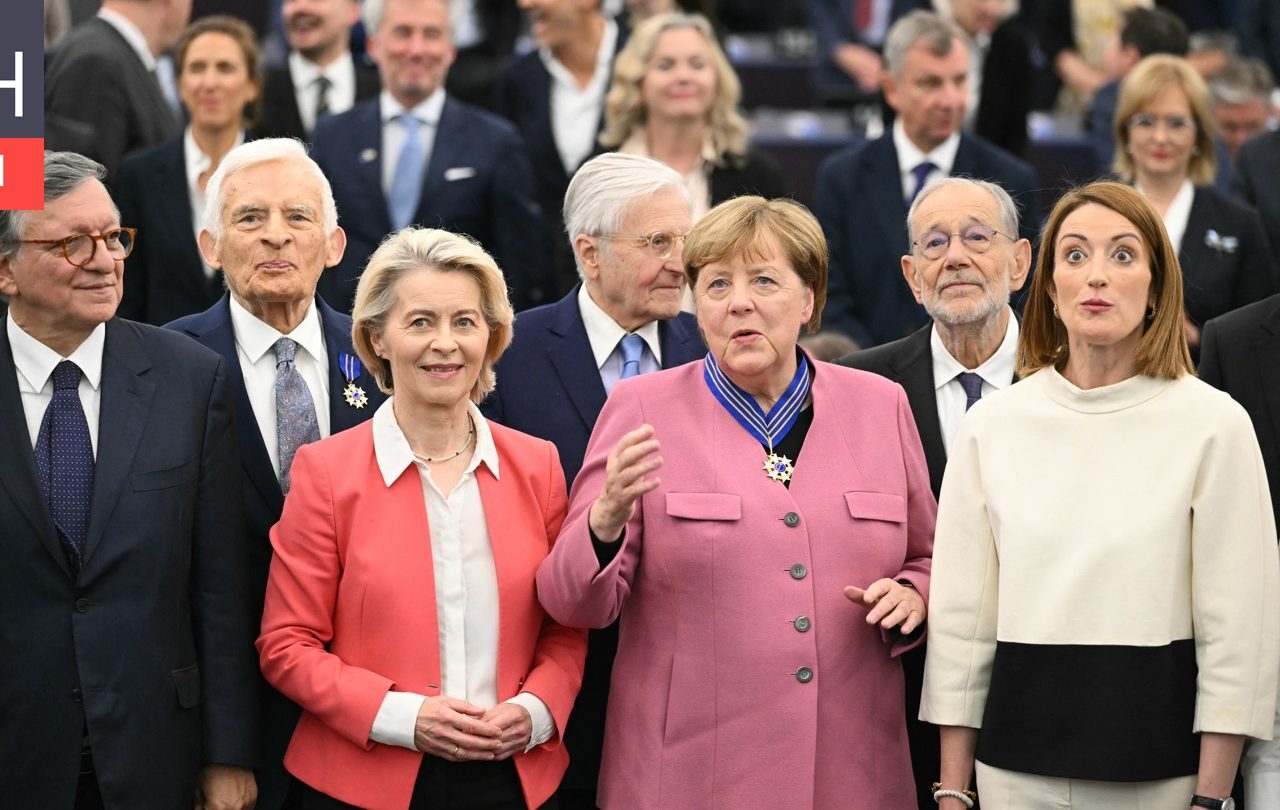
The list of laureates reads like a who’s who of postwar European history: Konrad Adenauer, Winston Churchill, Francois Mitterrand, Helmut Kohl, Angela Merkel and Emmanuel Macron are among them. One Greek statesman is also counted among the honorees; Konstantinos Karamanlis received the award in 1978 for his historic role in consolidating Greek democracy after the fall of the military dictatorship and for steering the country decisively toward Europe – a course that soon culminated in Greece’s accession to the European Community.
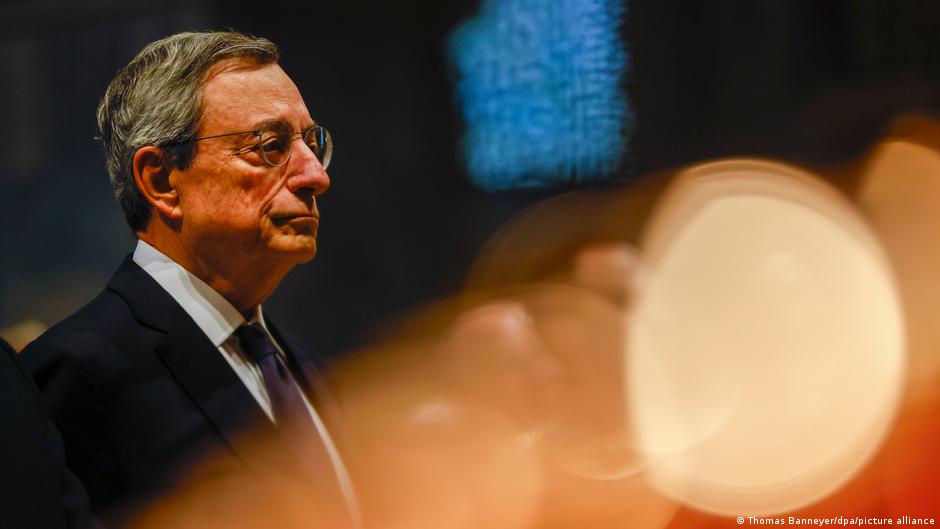
This year’s prize went to Mario Draghi, president of the European Central Bank from 2011 to 2019 and later prime minister of Italy. To this day, Draghi remains closely associated with the pledge he made in July 2012 to do “whatever it takes” to preserve the euro – a statement that became a turning point in Europe’s sovereign debt crisis.
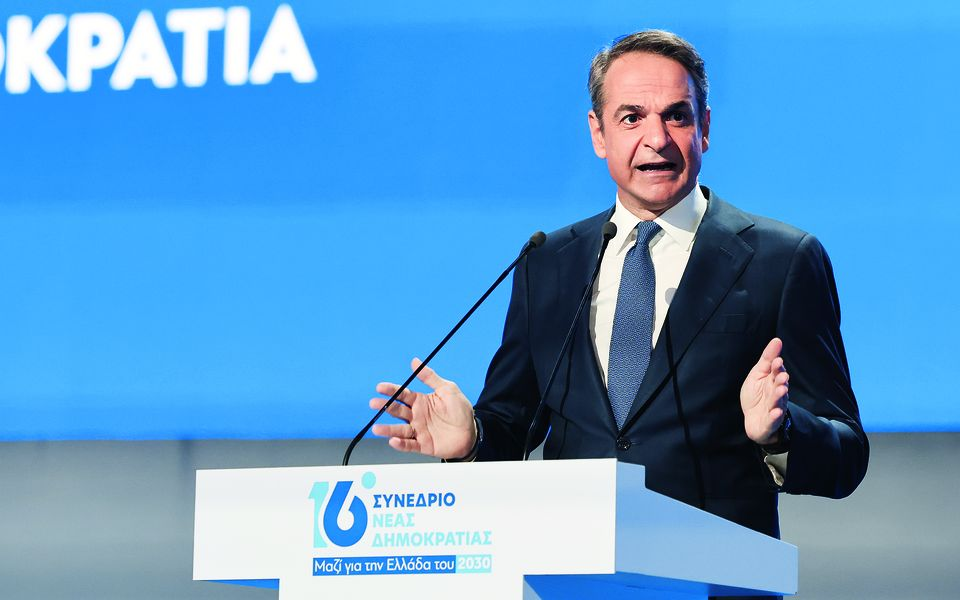
And that is where the story leads to Greece – and to the prominent role played by Greek Prime Minister Kyriakos Mitsotakis at this year’s award ceremony. Mitsotakis’ participation, explained Armin Laschet, German lawmaker and director of the Charlemagne Prize board, was “closely connected to Draghi’s biography and achievements.” Draghi, he said, had played a decisive role in keeping Greece inside the eurozone. Laschet added: “Greece today is a prime example of how the stabilization policies shaped by Draghi can have a lasting impact and open new prospects for growth, investment and social confidence.”