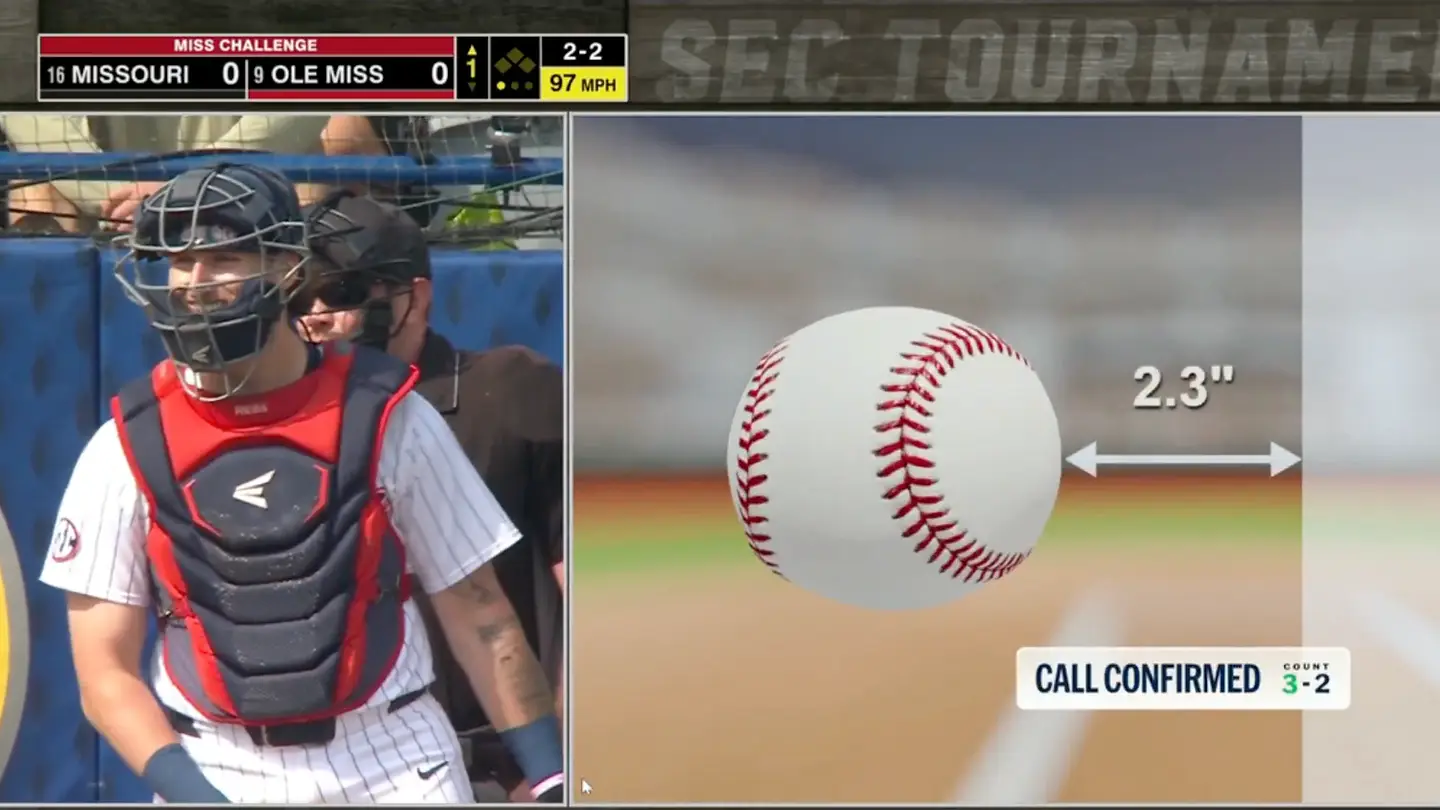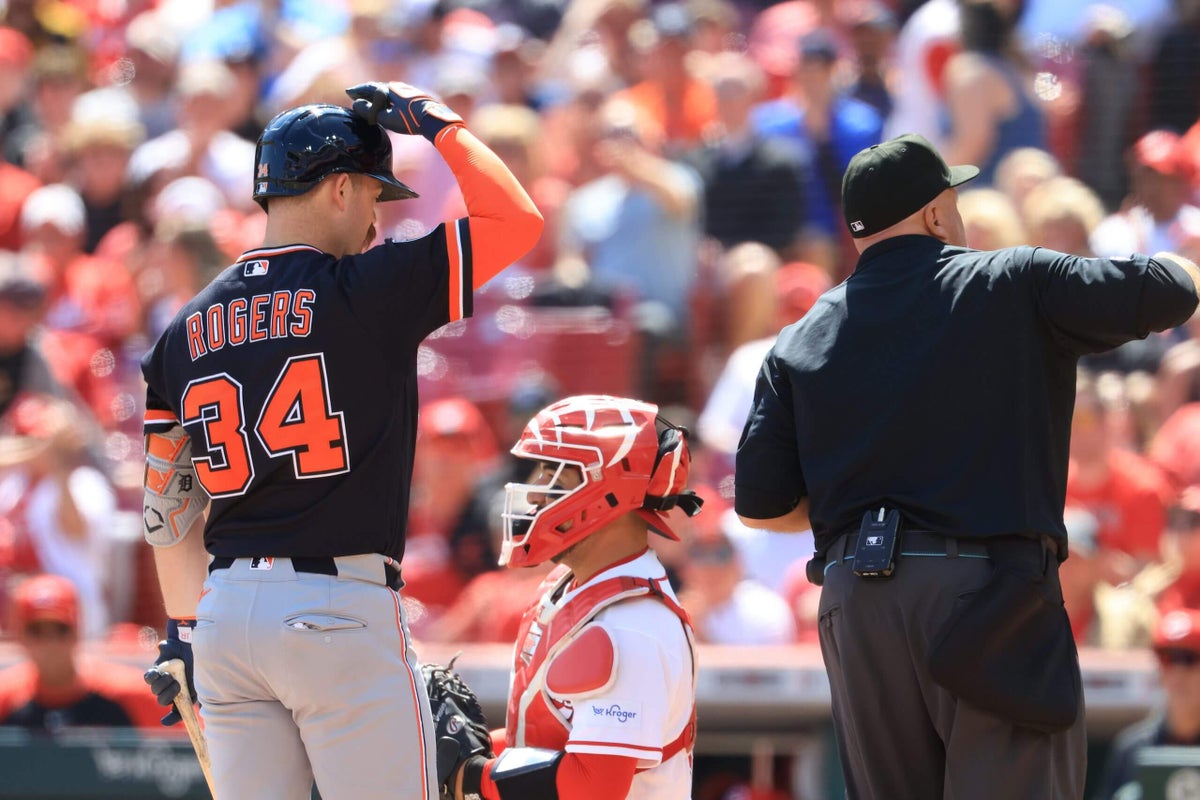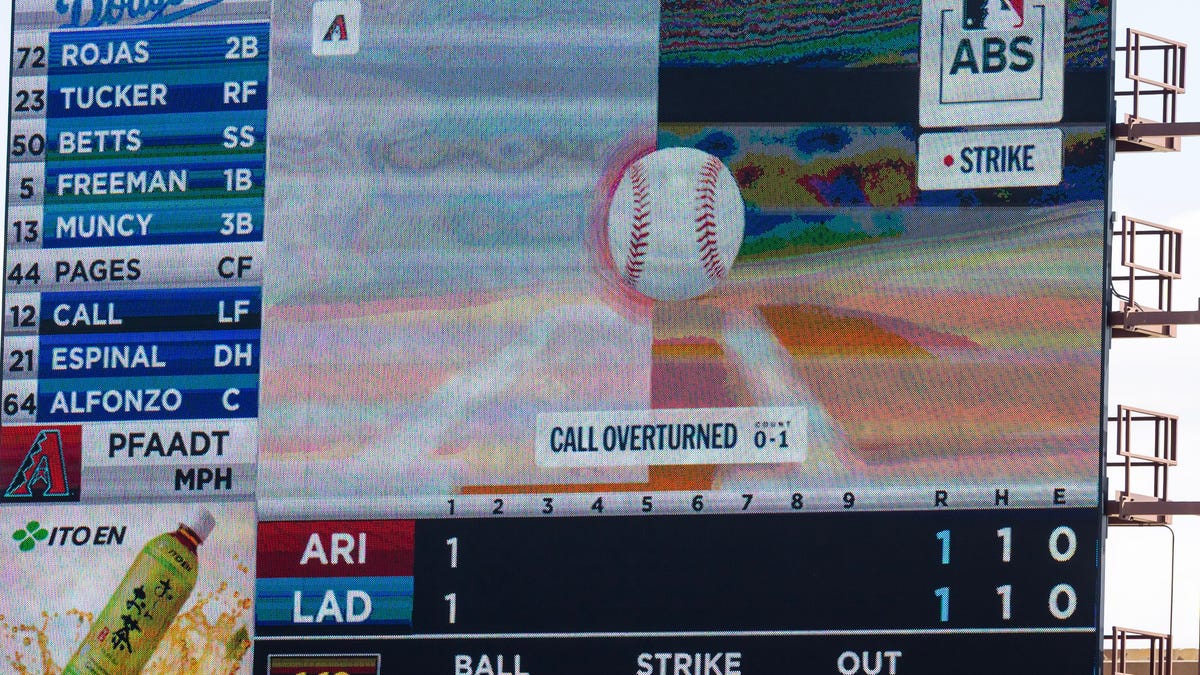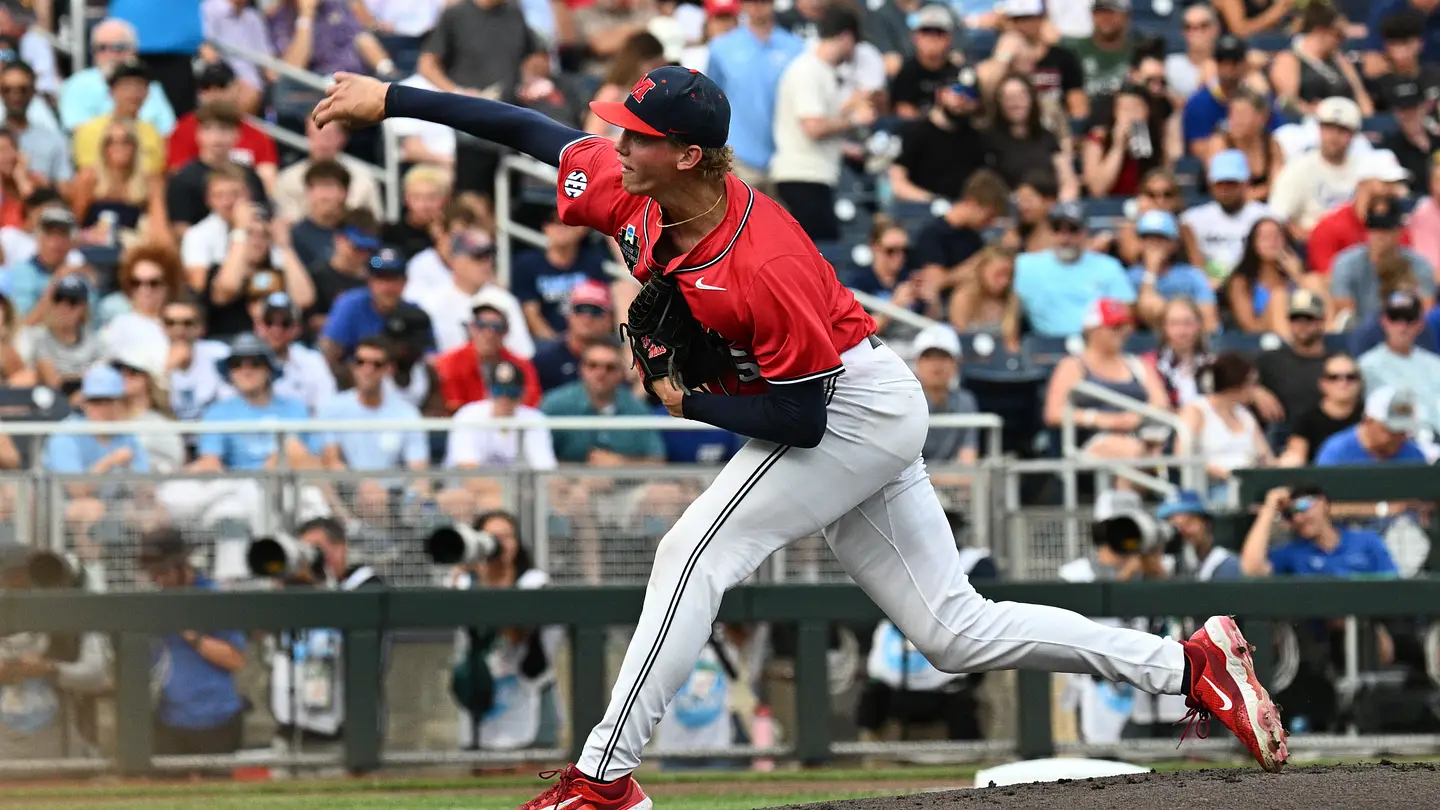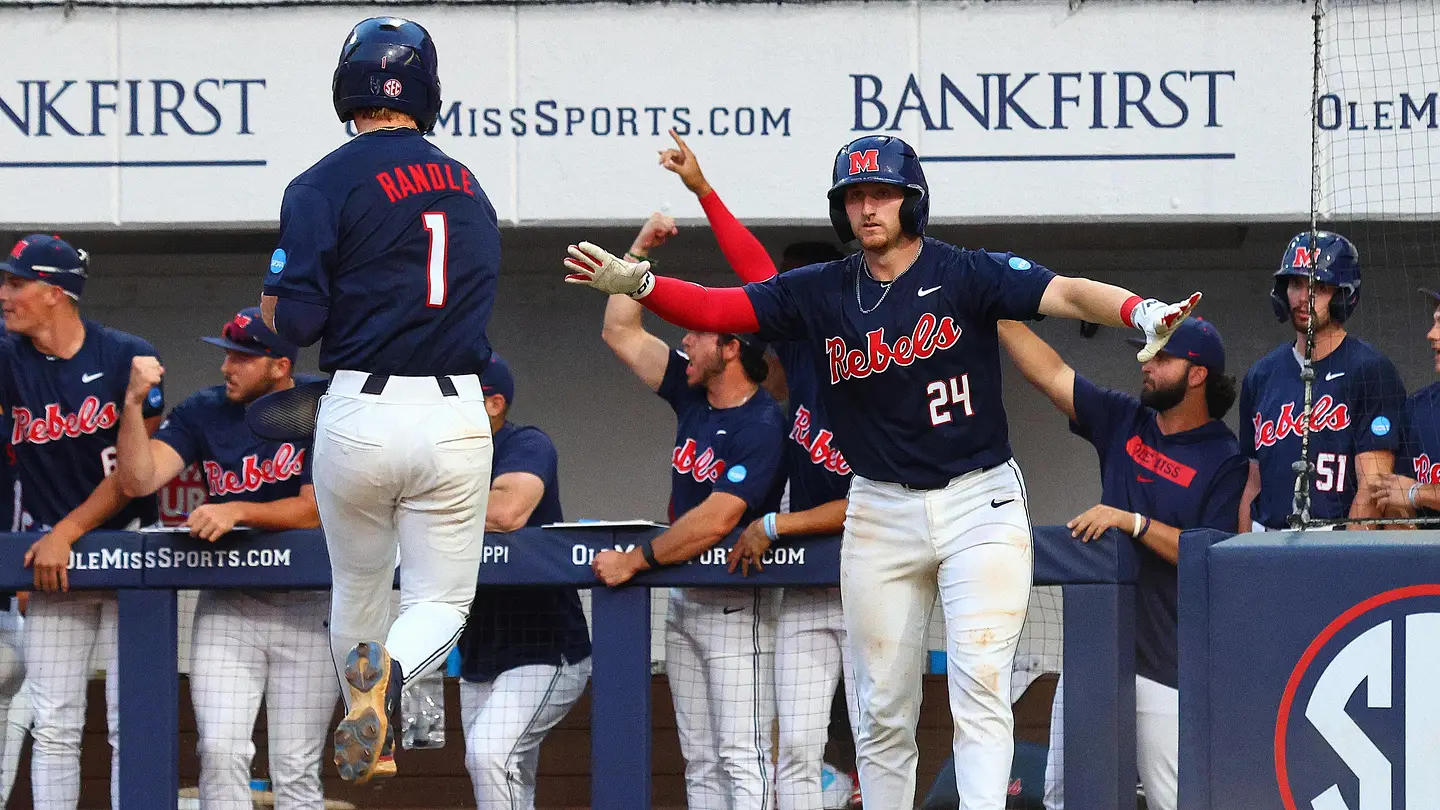
Over the years, college baseball has continuously shifted its game to look more like the professional league. Technology alone has improved the game with dedicated development for each individual player, pitch clocks, and coaches who have proven they care more about their players' safety by advocating for new rules and systems to give them better looks in Major League Baseball (MLB).The Southeastern Conference has taken it one step further, entering into the automated strike zone. The conference is implementing automated balls-and-strikes challenge opportunities, which the Ole Miss Rebels took advantage of in game one against Missouri. Ten total challenges were issued, including seven of nine by Missouri that were overturned. Ole Miss Rebels' Judd Utermark as he over slides second base. | Jake Crandall/ Montgomery Advertiser / USA TODAY NETWORK via Imagn ImagesOne and OnlyAt the top of the first inning against Missouri, catcher Austin Fawley came off eager, challenging a ball thrown by Jake Reigert that was confirmed by the ABS system. Making history was one thing, making another mistaken challenge was not an option the Rebels were willing to take. That call was their one and only for the game and tournament. Ole Miss became the first team to ever use the ASB in college baseball, with the excitement sprawled across Fawley’s face as he watched the screen, followed by disappointment when it was, in fact, a ball. For MizzouOn the other side, the first overturned challenge was handed to the Tigers. Missouri Catcher Mateo Serna had quite the eye, winning seven of his eight challenges. With the score at 7-6, one of Serna’s challenges came with Fawley batting with two runners on base. A ball was overturned and called a strike to end the inning. With the new technology, it is necessary to note that Mizzou prepared for the ABS challenges. Serna was allowed to challenge whenever catching, and players were told at-bat if they were allowed to challenge. What is ABS?The automated balls-and-strikes challenge system, also called remote umps, is a technology-driven system that uses cameras and sensors to track the exact location of a pitch as it crosses the plate and determine whether it is a ball or a strike based on a hitters original tracking system.A common practice in the MLB is to review plays more diligently, quickly reviewing them in approximately 15 seconds and measuring the strike zone against the individual batter's height.Mostly in a tapping of the top of a helmet or cap, a challenge must be initiated immediately after the pitch. The challenge can be made after a play in the instance that a play is in suit, including action on a runner or an appeal of a checked swing. The call result is confirmed or overturned with an updated account, then shown on the stadium video board and television broadcasts to show the pitch location.Sunlight shines onto the SEC logo on an Ole Miss uniform during a college baseball game between Ole Miss and Southern Miss at Trustmark Park in Pearl, Miss. | Ayrton Breckenridge/Clarion Ledger / USA TODAY NETWORK via Imagn ImagesIn the SECThe conference chose to introduce this technology in the postseason, as SEC Commissioner Greg Sankey says, "reflects our continued commitment to innovation." In the games, each team will be given three challenges at the start. If a challenge is successful, they keep the challenge; if the original call is confirmed, the team loses the challenge. The Hoover Met, where the SEC Conference Tournament is being played, is fully equipped with the proper technology and the means to measure each player before the start of the tournament. Sign up to our newsletter and follow us on Facebook and X for the latest news.Add us as a preferred source on GoogleFollow
Ole Miss Baseball And The Call That Made History
Ole Miss challenged a call using the automatic ball-strike system and became the first college baseball program ever to bring it into a game.
623 words~3 min read