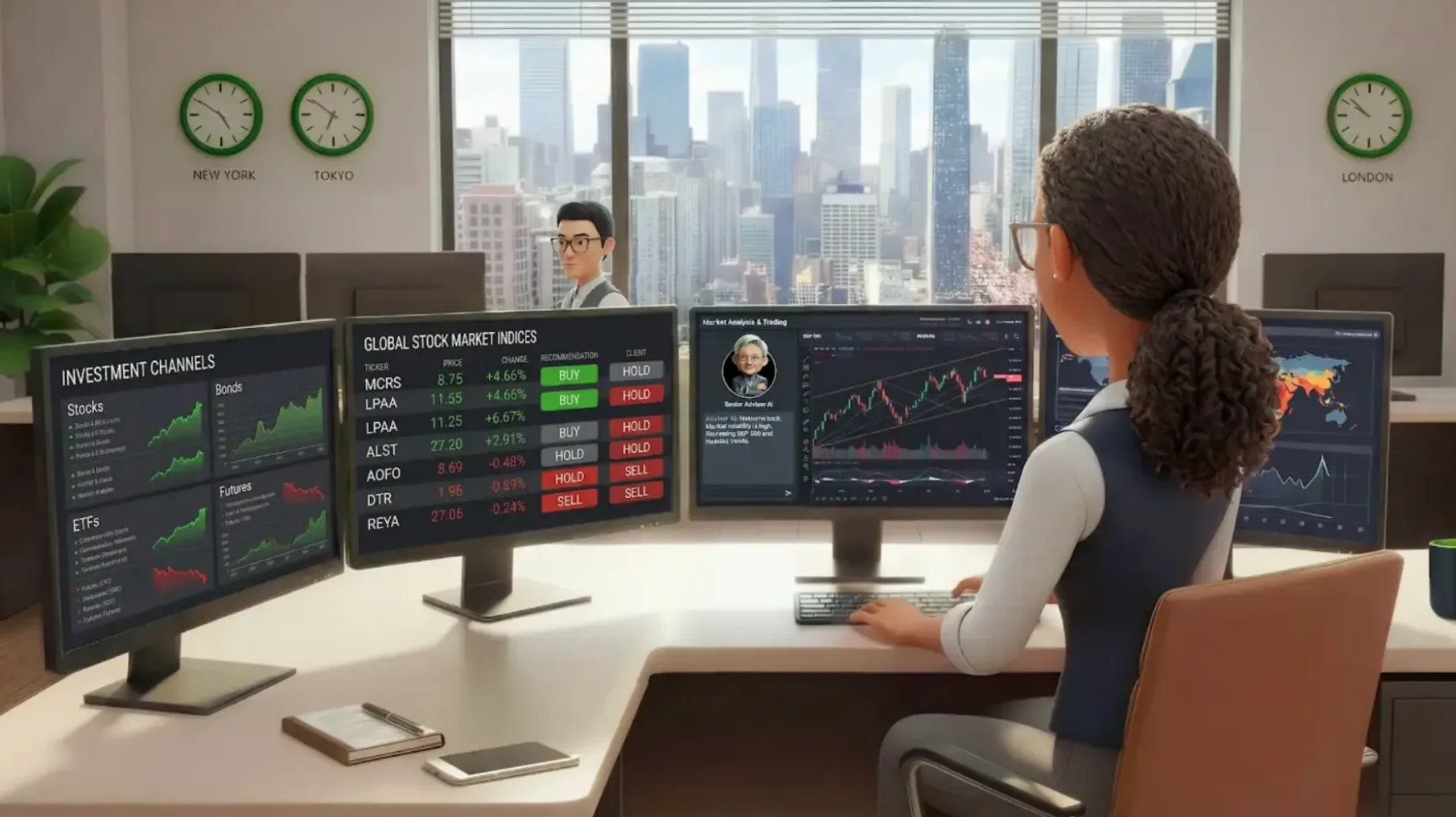
If you have ever tried to apply Machine Learning to financial time series, you know the heartbreak of the "perfect backtest." You build a model, train it on historical OHLC (Open, High, Low, Close) data, and it predicts the next sequence beautifully. Then you deploy it to production, the market regime shifts, and your model falls apart.
The core issue is that financial markets are highly non-stationary and chaotic. Deterministic models—those trying to predict a single, exact future price - are statistically fragile. They assume the future will exactly mirror the past.
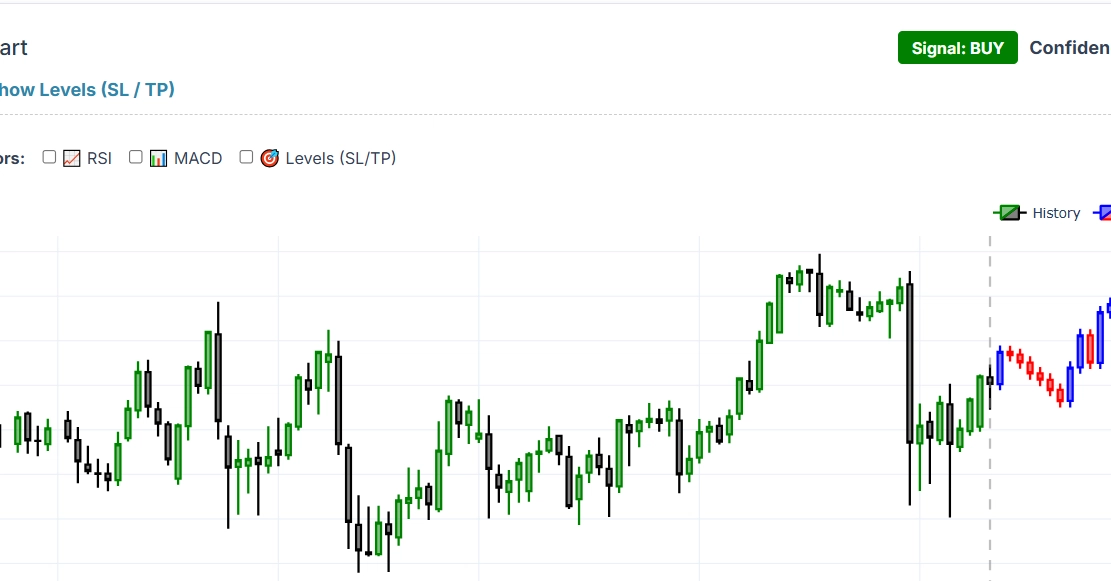
At AEMMtrader, we spent the last year entirely rethinking our architecture. We stopped trying to predict one path and built a Python-based forecasting engine that treats the market as a probabilistic "multiverse," combining the non-linear regression power of XGBoost with the stress-testing capabilities of Monte Carlo simulations.
Here is a deep dive into the architecture and the Python code powering our engine.
1. The Core Engine: Why XGBoost?