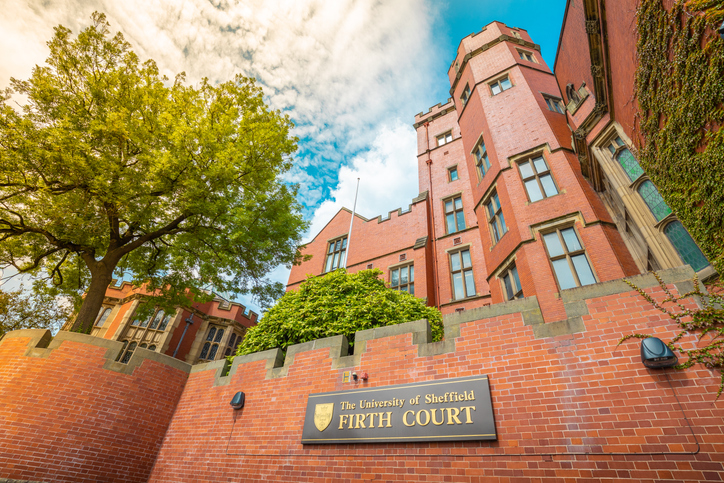
Plans to reduce staff numbers in the University of Sheffield’s famed chemistry department risk causing “lasting damage” to the institution and a research field central to Labour’s industrial strategy plans, a union has warned.
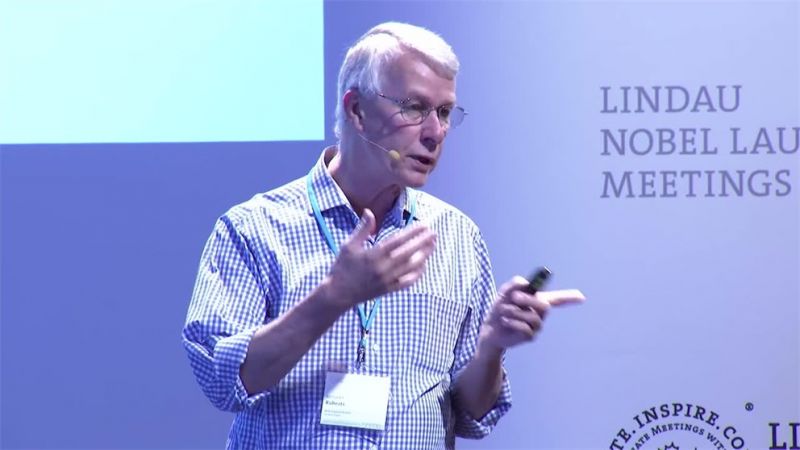
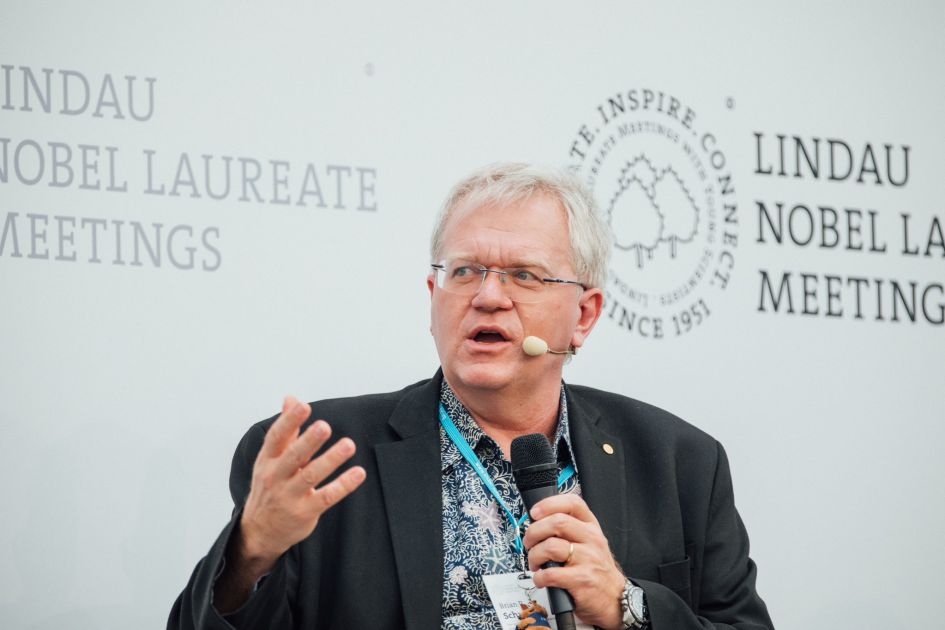
Regarded as one of the UK’s highest performing chemistry departments, Sheffield’s chemistry school has been home to four of the institution’s Nobel prizewinners – including Richard J. Roberts and Harry Kroto, laureates in 1993 and 1996, who took their undergraduate and PhD degrees there. Its latest Nobelist, in 2016, was Fraser Stoddart, who worked in the department for 20 years until 1990.
However, staff were told on 19 May that a consultation had begun on restructuring the department with the likely loss of six full-time equivalent (FTE) posts, about 20 per cent of employees.
A similar restructure is also taking place in Sheffield’s materials science and engineering department, where eight FTE posts are set to be cut, again about 20 per cent, while further posts are set to go in East Asian studies, mainly in Japanese and Korean studies.
More cuts are also expected in professional services related to the Research, Partnerships and Innovation Hub, while reviews are under way in four other departments – English; history, philosophy and digital humanities; medicine and population health; and social studies – which could, in turn, lead to further restructures.