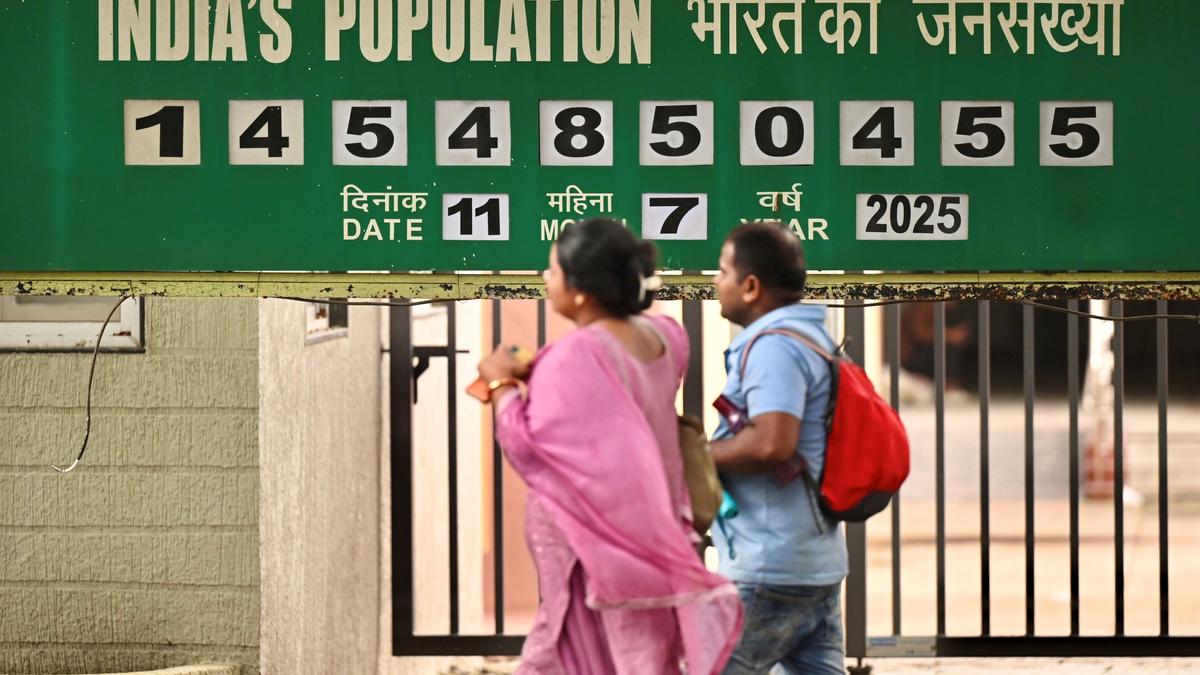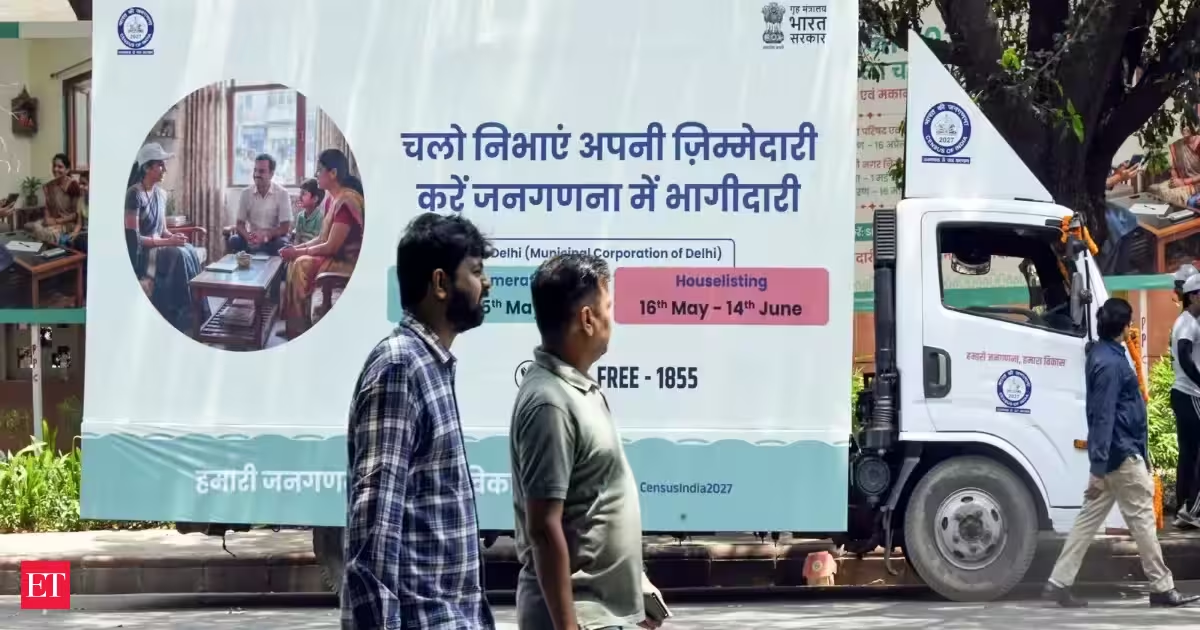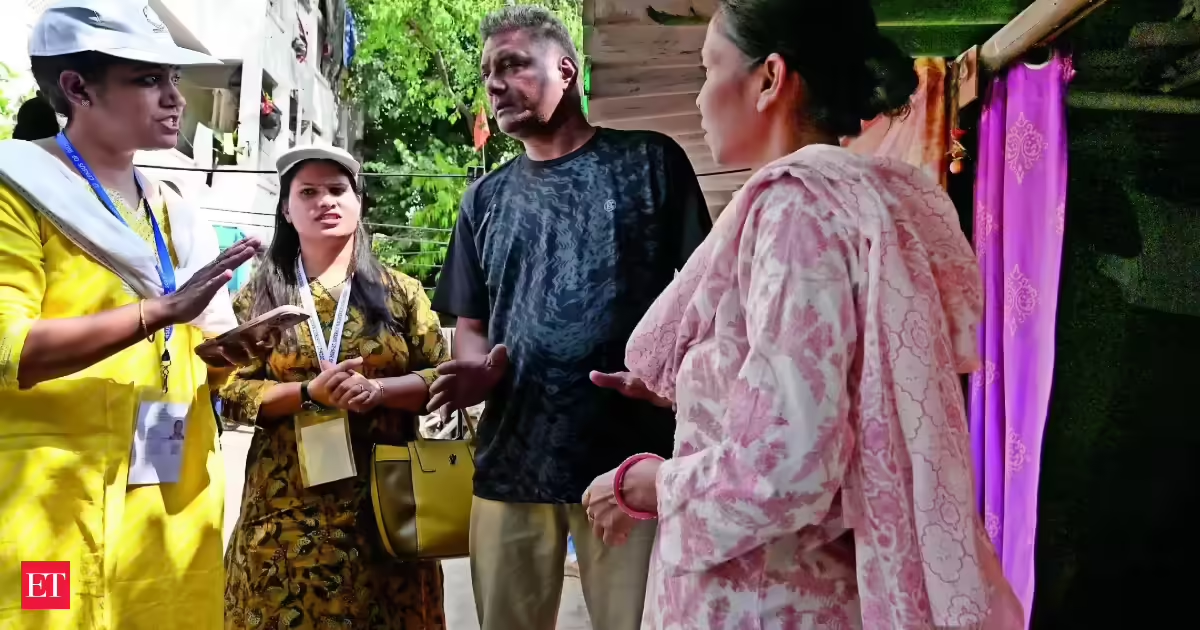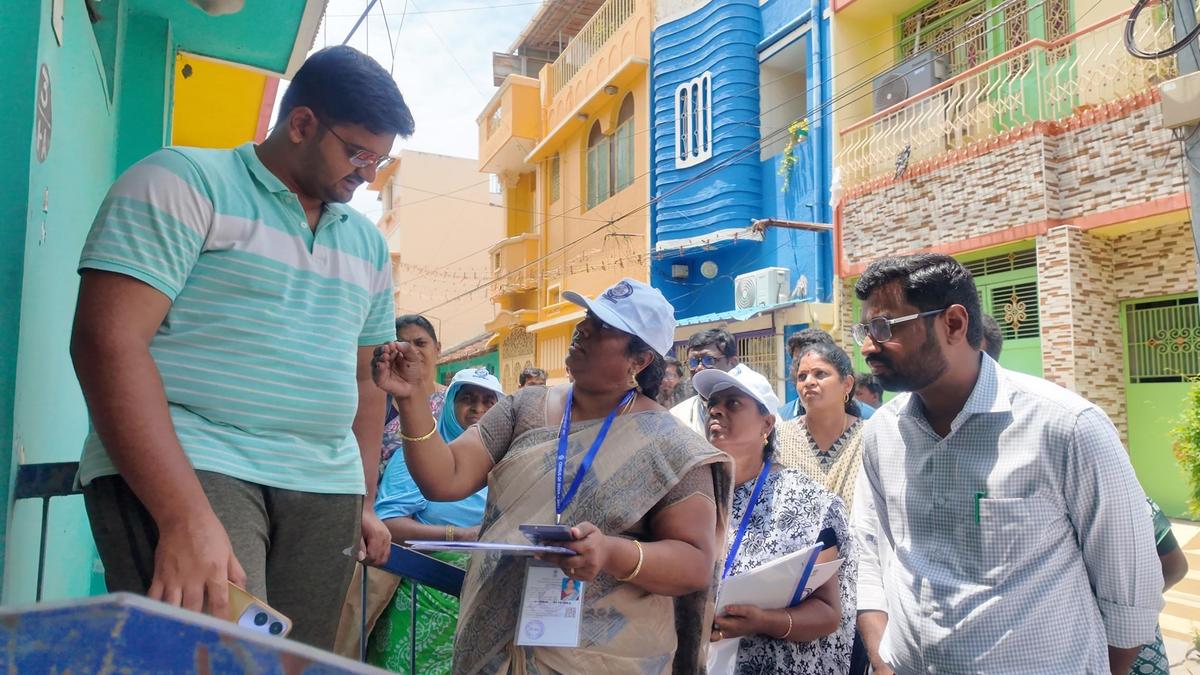
The house listing phase of the 2027 Census is now progressing in some States and the work in other States will be taken up soon. The questionnaire for this phase was pre-tested last year. It was reported that the inclusion of questions on caste has delayed the pre-testing of the questionnaire for the population enumeration phase of the Census. Field testing of the schedules is essential to ensure that the concepts and definitions are easily understood by the enumerators and respondents.The question on caste is being included in the Census for the first time since Independence. The only recent experiences on the issues relating to enumeration of caste are from the surveys in Bihar and Karnataka. I am sure that the Census organisation would have conducted extensive research on the issues and possible solutions, and the pre-testing would help streamline the questions and instructions. The experience of Karnataka and Bihar suggests that, whatever the results, there will be communities that are not ready to accept their numbers.The population figures from the 2027 Census will be used for the next delimitation of Lok Sabha and State Legislative Assembly constituencies. Neither the Constitution nor any other law talks about whether the Census has to count people on de jure or de facto basis. Census on de jure basis would mean that people have to be counted at the place where they reside. On the other hand, a de facto census would count people at the place where they are present during the Census.The method usedThe Indian Census has been following an extended de facto method. People found at their usual/normal place of residence when the enumerator visits the household, as well as members who are absent at that time but have stayed there for at least one night during the Census enumeration period, which normally lasts 20 days, are also enumerated. Also included are visitors who stayed with the household throughout the entire period of Census enumeration period. A household is defined to include all members, even if unrelated, who partake food from a common kitchen. Thus, household help living with household and paying guests should be enumerated there, if they have food from the same kitchen.This enumeration process implies that the number of voters in an area may not correspond to the population enumerated there. A six-month residence is required for registration as a voter. Further, the voters’ list would include those living abroad (non-resident Indians, or NRIs) who chose to register as a voter, whereas they are not part of the census at all. According to the website of the Ministry of External Affairs, there are about 1.58 crore NRIs living abroad. This is more than 1% of the population of the country. If they were all counted in the Census in one State, it would get at least five Lok Sabha seats in the next delimitation.While the NRIs may be from across the country, some States have proportionately more NRIs than others. Kerala, Gujarat, Punjab, Telangana and Tamil Nadu are known to have a significant number of people living abroad. The Kerala Migration Survey 2023 has estimated that about 22 lakh people from the State are living/working abroad. Not including them in the population of the State would result in the loss of one Lok Sabha seat. Some other States may also be similarly affected.Some countries collect data on non-residents in the census by enumerating family members, if any, living abroad. This process cannot collect information on those households that have migrated abroad with all their members. Still, it would be a useful starting point and would provide better data for delimitation purposes. Therefore, I suggest pre-testing an appropriately worded question on NRIs.The problem areasThe next Census is unique because the entire data collection process is planned to be carried out using mobile electronic devices, mostly smartphones. This can save time for the computerisation of data. Consistency checks on responses during data collection can result in improved quality of data and faster processing.However, one has to allow for a significantly large portion of enumerators who are not savvy with smartphones, and tablets. During the recent Socio Economic and Caste Survey in Karnataka, there were reports of enumerators finding it difficult to handle the equipment for the survey. During the planning for the 2021 Census, it was indicated that enumerators would have the option to collect data using printed paper schedules, which could later be transferred to the electronic database from home. It is highly probable that a family member or a student of the teacher appointed as the enumerator may assist with this work. This could lead to accountability issues and may also compromise the confidentiality of the data. Therefore, a mechanism to detect and control data-entry errors is essential. There will also be an option for respondents to self-enumerate using a computer or smartphone as provided in the house listing phase.The questions in the population enumeration stage are more complex when compared to those in the house-listing phase. Many of the questions require a thorough understanding of the instructions that even many enumerators find difficult. For example, the explanation of disability in the 2011 Census ran to about six printed pages. Even the seemingly simple question, “Have you worked at any time during the last year?” was accompanied by more than two pages explaining what constitutes ‘work’. The follow-up questions on industry, occupation, and related matters are also not easy for most people to understand.It is too naive to expect that the respondents would read all the instructions before clicking on an item in the drop down menu. The three million plus enumerators may not equally understand the concepts, definitions and the need to ask the questions in an appropriate manner. The self enumeration facility can become worse unless the questions are well worded and explanations are given within the question. It is difficult to achieve this without significant simplification of the concepts and definitions.Guard against respondent fatigueIncluding too many questions in the online schedule in an attempt to obtain better responses can also lead to respondent fatigue, as the form has to be completed for every individual in a household. The possibility of respondents deliberately providing incorrect answers to certain questions in order to avoid follow-up questions cannot be ruled out.Post-enumeration surveys from past censuses have indicated that distant relatives of the head of the household and unrelated persons, such as domestic helpers living with the household, have higher rates of omission. In a self-enumeration system, the chances of missing such persons are even greater. There is also the possibility of including children who are living in hostels and are therefore not eligible to be enumerated as part of the household. Better structuring of the questions may help ensure more accurate enumeration of such persons. For example, questions such as, “Is the person currently present in the house and, if not, was he or she present at any time after February 9 or likely to return before February 28?” (assuming that the census enumeration takes place during that period as in the past censuses), could be asked for every individual. Similarly, questions such as “Is there any other relative of the head of the household, or any unrelated person such as a servant, helper, or nurse, who shares meals from the same kitchen and lives with the household?” may also be included. While such measures may not ensure completely error-free enumeration, they could help reduce omissions and improve accuracy.The possibility of fraudulent enumerations in some areas or by some groups using the self enumeration facility cannot be ruled out. The memory of cancelling the Census in some areas in 2001 is still fresh. The organisation needs to be vigilant and steps to prevent such incidents need to be field tested.K. Narayanan Unni is a retired officer from the Indian Statistical Service
Preparing India for a credible digital Census
The digital Census requires accuracy, safeguards, training and careful planning
1,304 words~6 min read