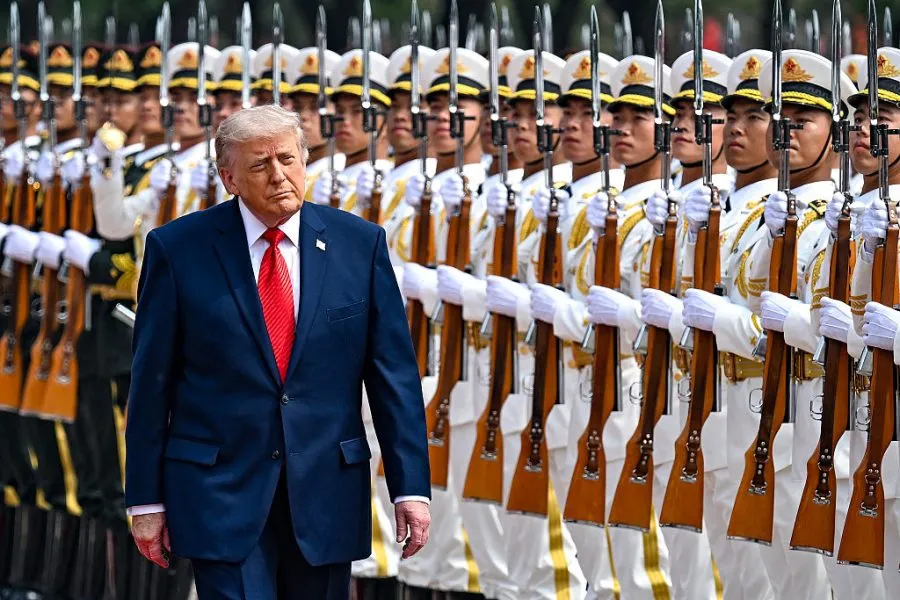
Before Donald Trump returned to the White House last year, there were many commentators who sought to sanitise the President. Take him seriously but not literally, they said. Some hinted that his cruder and wilder hyperbole was not the ignorant, boorish reflex it seemed but a shrewd and daring negotiating tactic in Trump’s beloved ‘art of the deal’.
It has been reported that the United States is planning to announce a reduction in the number of troops it will make available to Nato in Europe. America is planning to shrink its commitment to the Nato Force model, under which troops ‘carry out the alliance’s operations, missions and other activities during peacetime’. One vital part of the model is the allied reaction force, made up of personnel and capabilities right across the spectrum, which is maintained at high readiness to carry out Nato’s three core tasks: ‘deterrence and defence, crisis prevention and management, and cooperative security’. It is, in essence, the alliance’s first line of defence.
Headcount is a crude metric
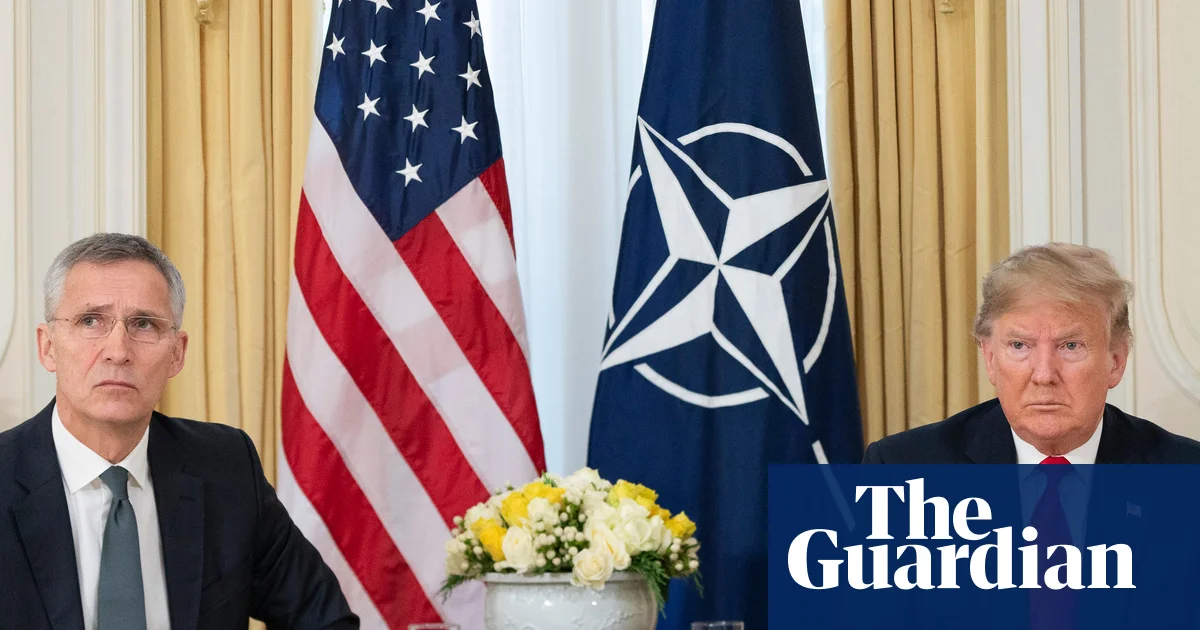
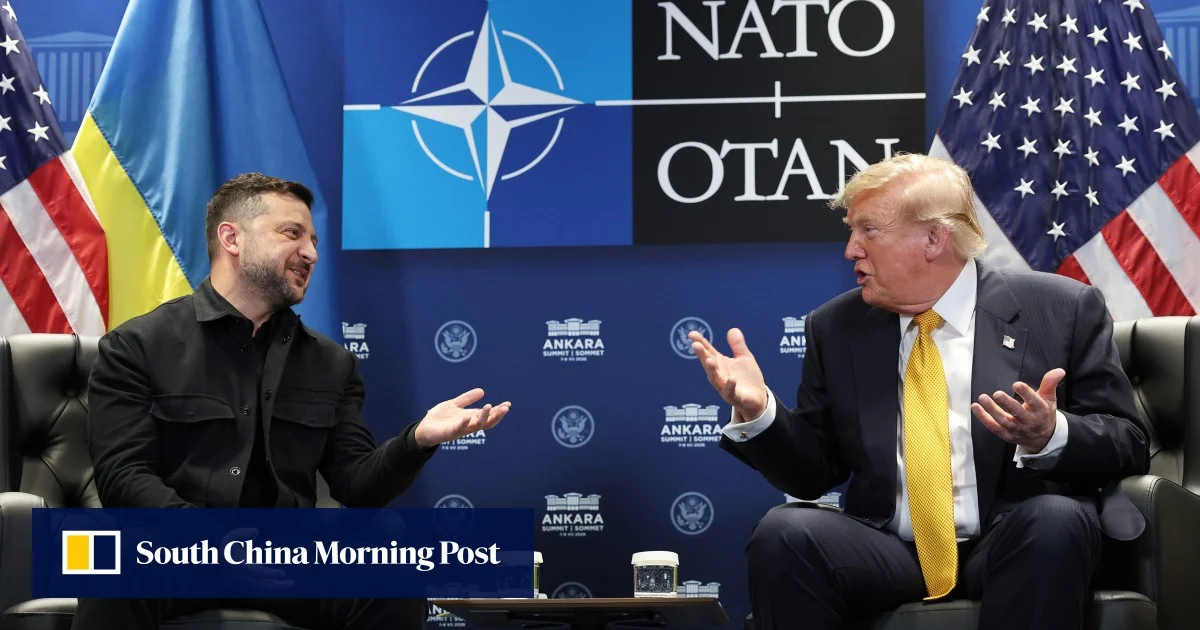
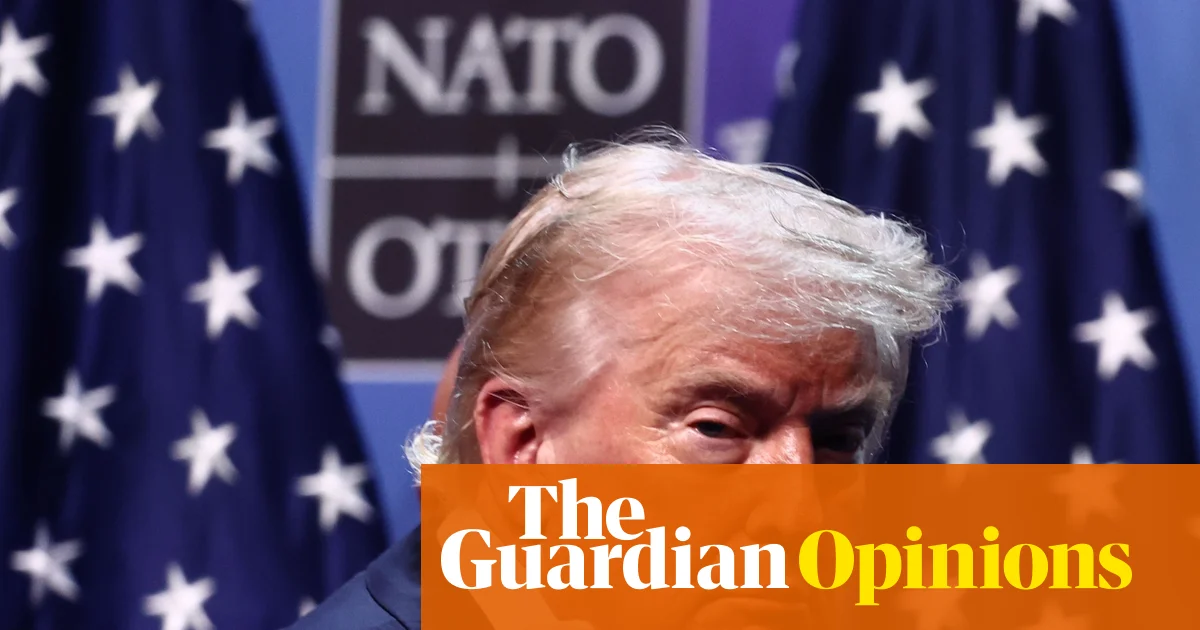
Trump has always been hostile towards Nato, which he sees as nothing but a cabal of European countries tricking the United States into providing military protection for them while they are able to underspend on defence. This antipathy surfaced during the first Trump presidency but has come to the fore again in recent weeks because the President feels allies were not as supportive as they should have been over the US-Israeli conflict with Iran. On social media in April, Trump blared in all-caps: