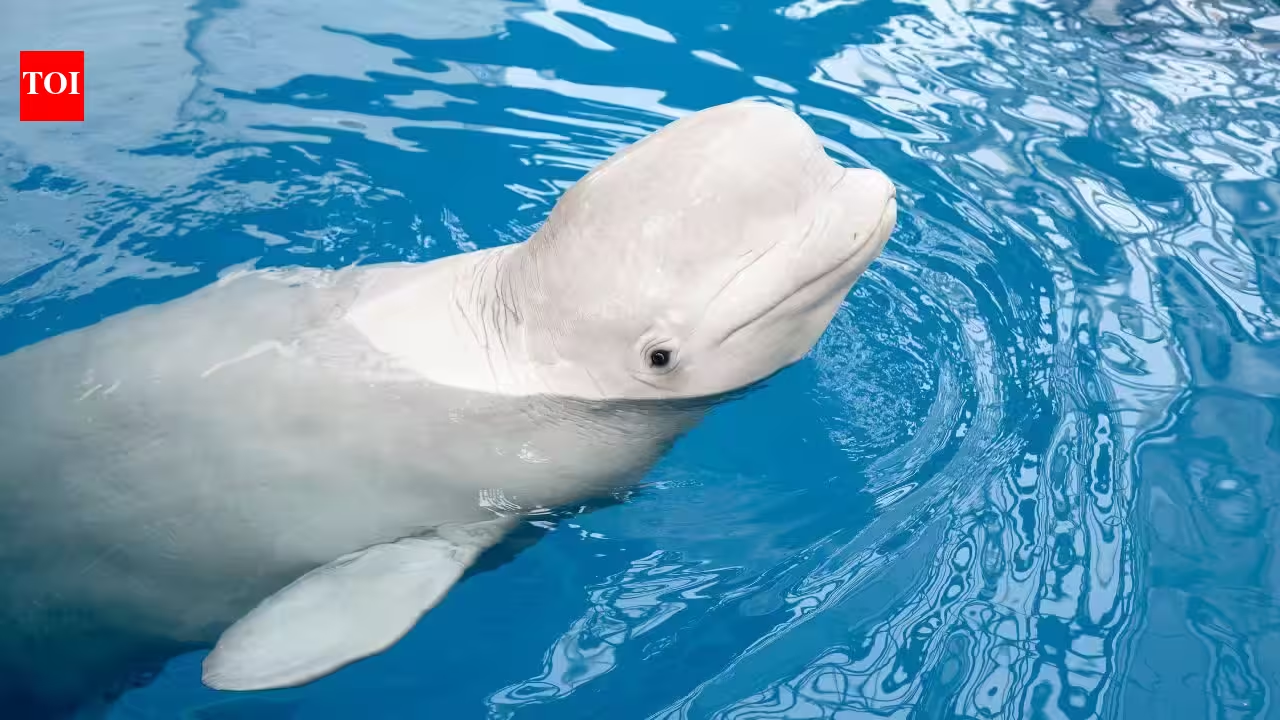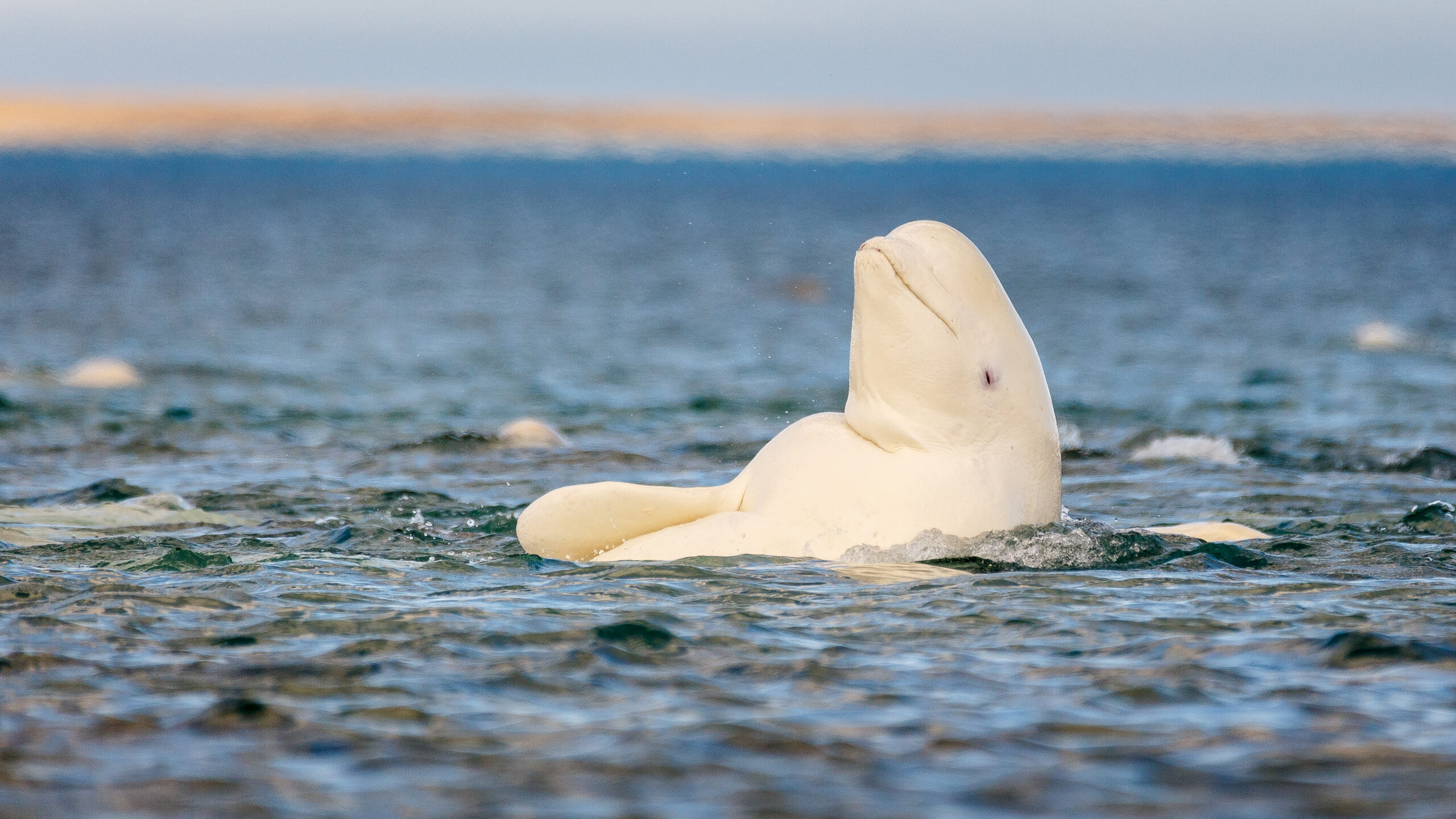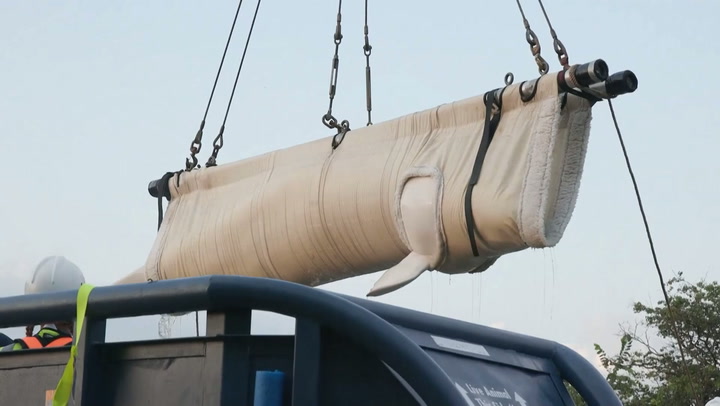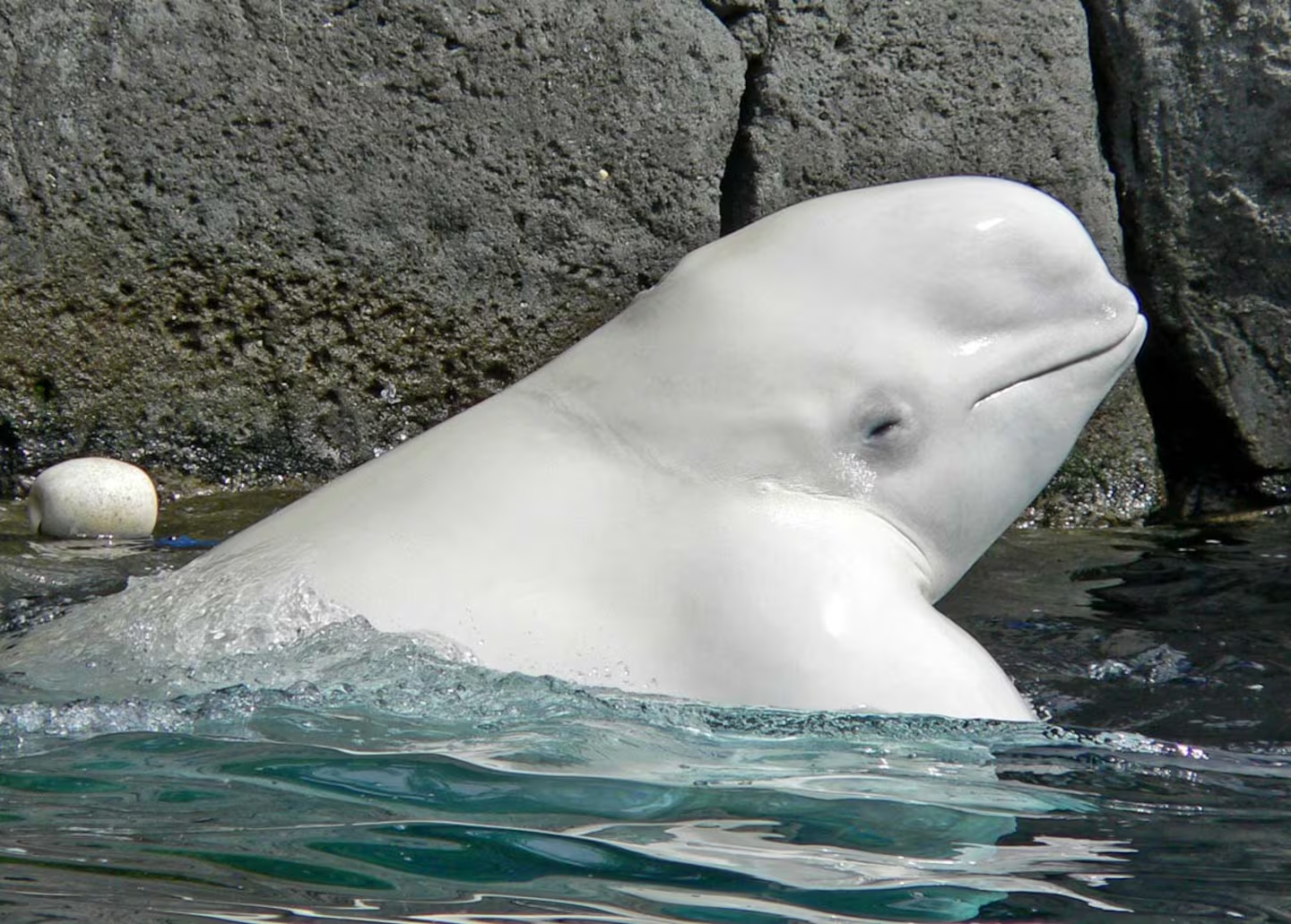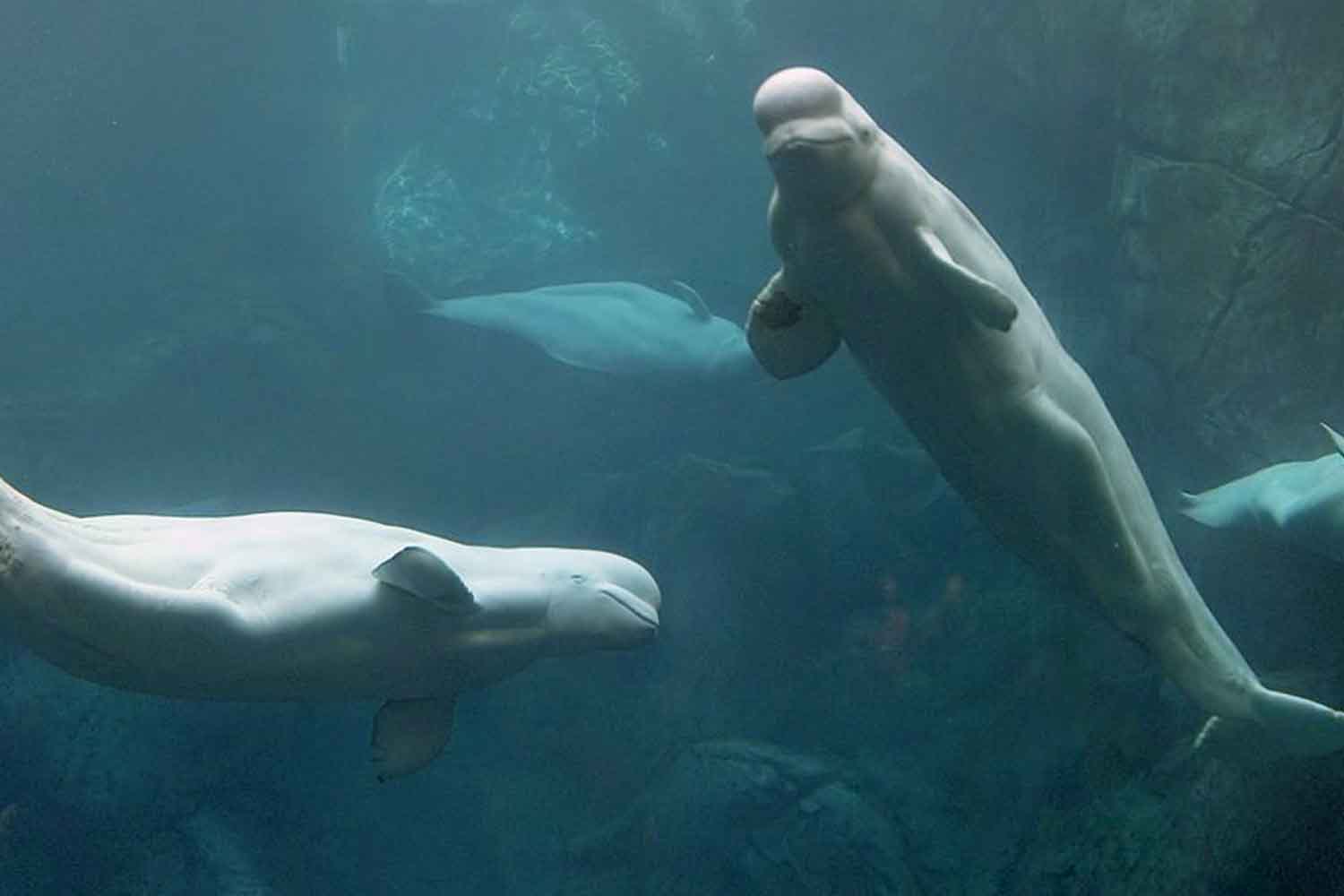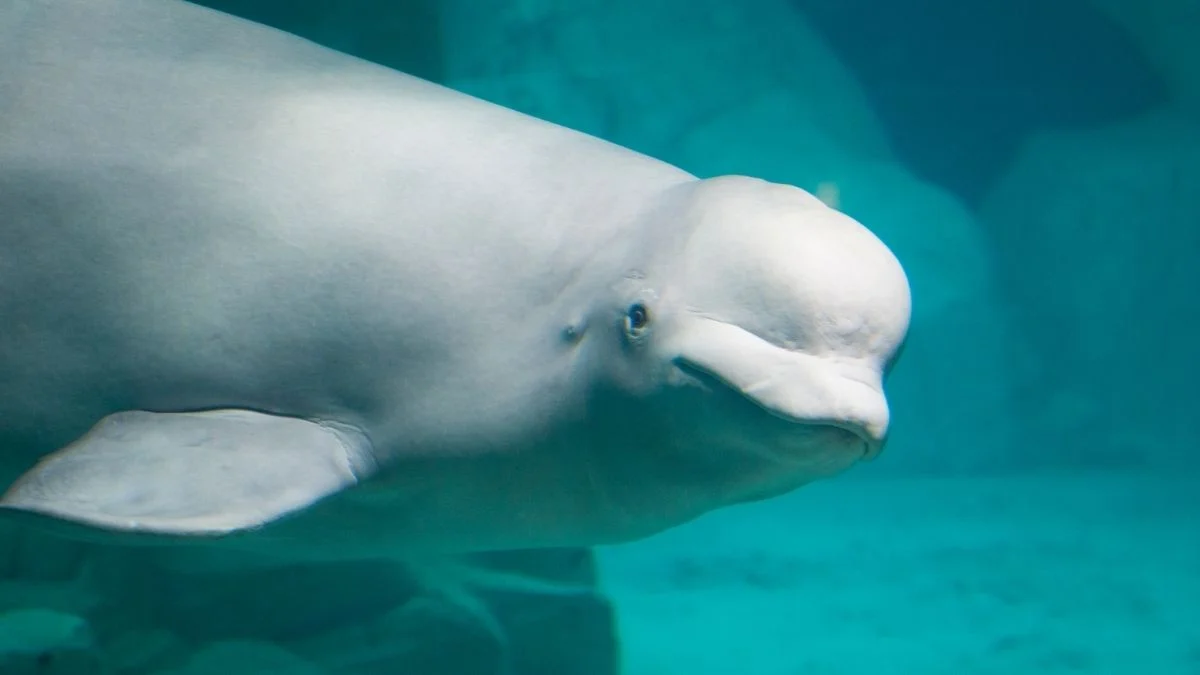
A beluga whale in an aquarium in Portugal. (Marco De Luca/iStock/Getty Images Plus)
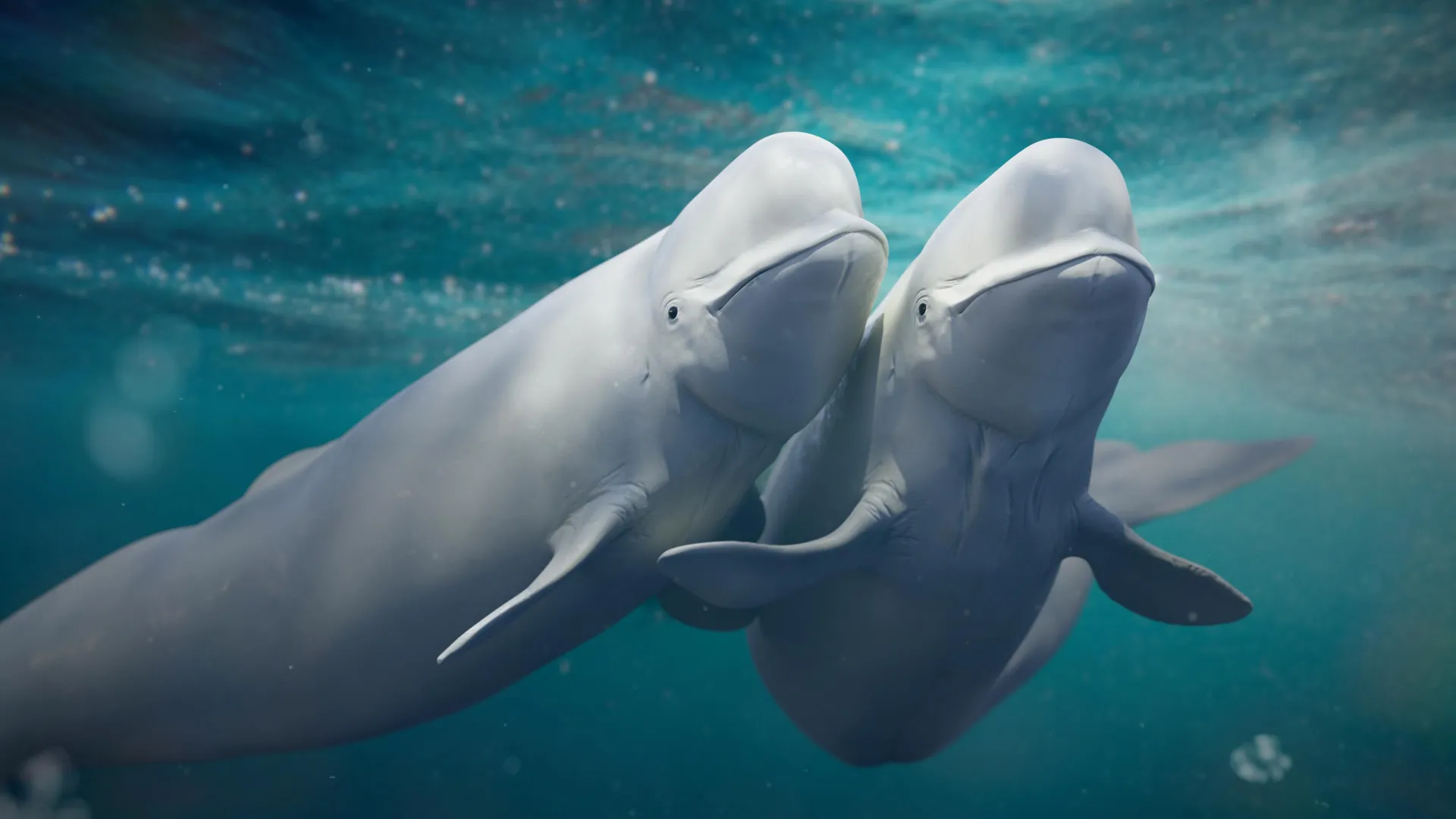
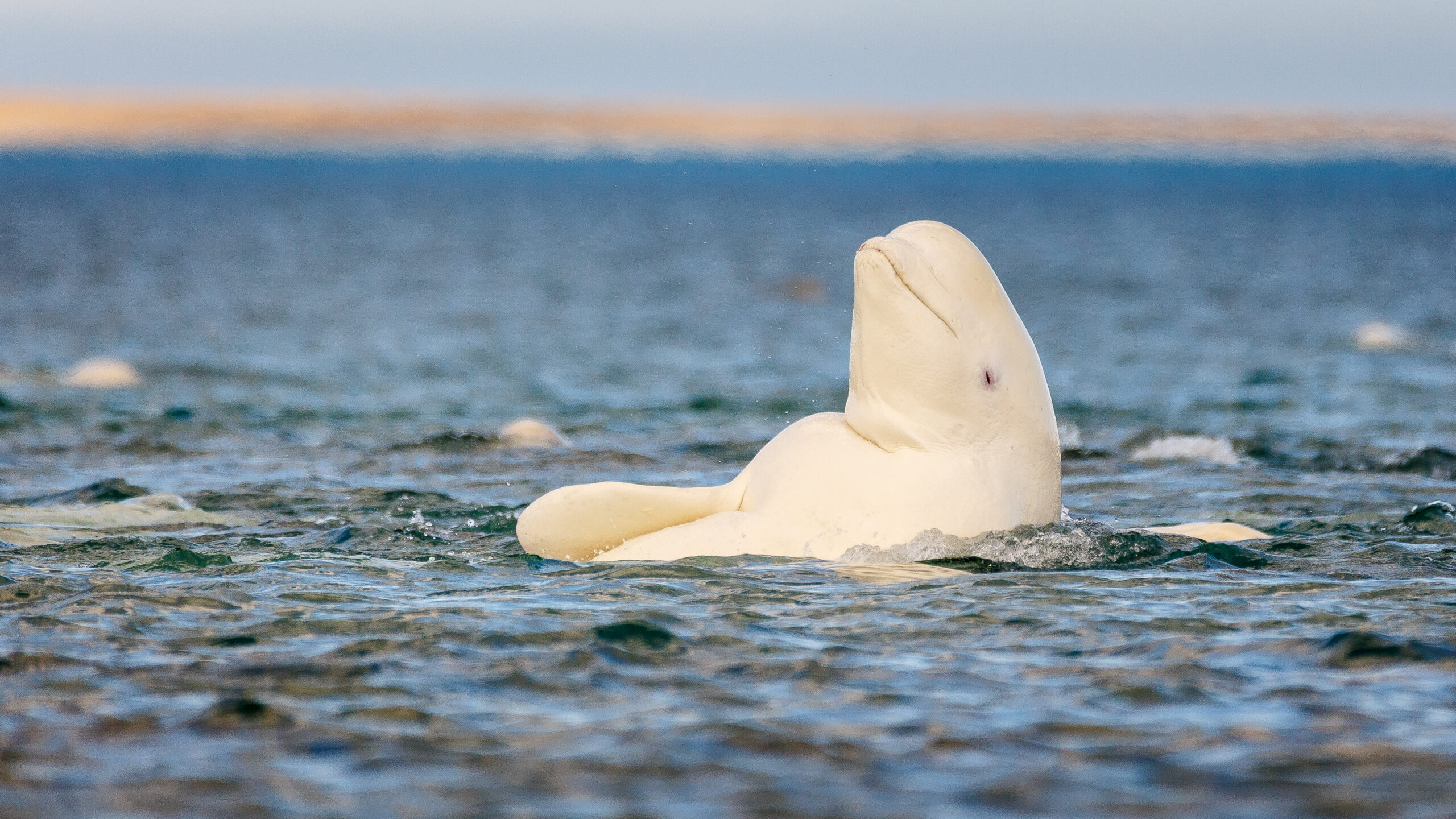
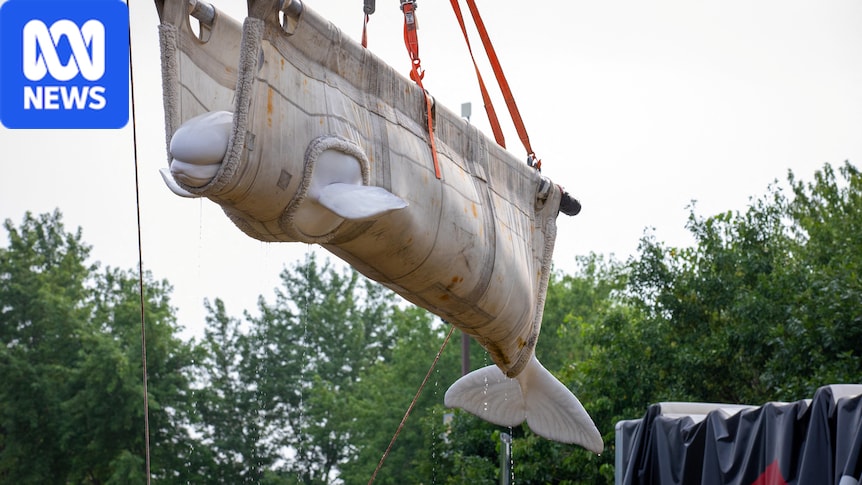
More than 20 years ago, four female beluga whales were kept together at the New York Aquarium of the Wildlife Conservation Society.Three of these belugas (Delphinapterus leucas) – Kathy, Marina, and Natasha – were captured from the wild, and the fourth, Maris, was born to Natasha at the aquarium in 1994.This offered scientists – including marine mammal expert and cognitive psychologist Diana Reiss – a rare opportunity to conduct a mirror test of self-recognition on the whales.This experiment helps gauge how similar other species' intelligence might be to our own.Beluga whales have shown remarkable intelligence in many different studies. (Marine Mind/Abigail Carleen Dahl, CC-BY 4.0)If you've ever abashedly wiped a smudge from your chin on seeing your reflection, you've passed the mirror test for self-recognition.You know the smudge is not meant to be there, and you can use your reflection as a proxy to guide you in stealthily wiping it away before anyone else notices.Scientists use this behavior – identifying with one's own reflection, and reacting to an out-of-place mark – as evidence that animals may possess self-awareness in a similar way to humans.Chimpanzees, dolphins, elephants, and Eurasian magpies are among those who have passed the test. Even the humble cleaner wrasse fish has convinced scientists it can recognize its own reflection.Animals who pass the mirror test tend to be social creatures, which is why belugas seemed good candidates.Belugas form tight social bonds. (David Merron Photography/Moment/Getty Images)Like other marine mammals, belugas have large and complex brains, form intricate societies, and use sophisticated methods of communication.Not only do they have their own 'language', similar to dolphins and other whales, they voluntarily imitate sounds from other species, including humans and bottlenose dolphins."Their proclivity for the spontaneous imitation of others provides strong evidence for a high level of social awareness in this species," Reiss and team write in their paper, which has only just been published more than two decades after the experiments.The researchers had hoped to conduct more studies with additional belugas, but it wasn't possible at the time of the first experiments, so they digitized the original videotapes instead to analyze the belugas' behavior.Because of their strong social bonds, the belugas were housed together in their usual pools for all experiments.In the wild, females and calves live in nursery pods, while adult males join all-male bachelor pods. (Paul Souders/Stone/Getty Images)Aquarium visitor viewing windows around the pools were temporarily converted to one-way mirrors, so the researchers could observe the belugas' reactions to their own reflections, without the belugas knowing they were being watched.In the initial phase of the experiment, Reiss and team wanted to find out which of the belugas, if any, would show signs of contingency testing and self-directed behavior while keeping their eyes locked on their mirror self.Contingency testing included motions like nodding, waggling, and shaking their heads. Self-directed behaviors included blowing a bubble from their blowhole and then chomping on it, as well as shimmying their pecs and stretching their necks."The whales appeared to be using the mirror as a tool to observe themselves engaging in [bubble biting]," the researchers report.Both Natasha and Maris passed this initial test, displaying a much higher number of bubble-bites and other behaviors in front of the mirror than their peers. This qualified them for phase two.In that second phase, aquarium trainers added a non-toxic, temporary mark to parts of the two belugas' bodies they wouldn't be able to see without a mirror.The mother, on seeing her own reflection, recognized something was off."Natasha passed the third mark test by orienting the marked area of her body, the area behind her right ear, towards the mirror while exhibiting a rich suite of self-directed behaviors," the researchers explain.Her daughter, however, did not pass this second phase."Although Maris did not pass any of the mark tests, the variety of self-directed behaviors she exhibited at the mirror provides suggestive evidence of her capacity for mirror self-recognition," the researchers add.You can watch Maris engaging with the mirror in the video below:Just because one beluga passed the full suite of mirror tests does not necessarily mean they all can, but it's a sign that many more of these remarkable animals could be capable of it.It's "the first evidence that beluga whales, a species that shows high levels of social complexity also shows high levels of self-awareness," Reiss and co-author Alexander Mildener told ScienceAlert in an email."Mirror self-recognition was long thought to be a uniquely human capacity and only a small number of other species have shown this capacity."It's worth noting these captive belugas may have been a bit more used to seeing their own reflection than those in the wild, since the plexiglass viewing windows in their pools create a semi-reflective surface.Related: Two Whales Just Broke a Migration Record Scientists Didn't ExpectThe research team hopes that by demonstrating the belugas' capacity for self-awareness, they might inspire others to protect them. Wild populations face a suite of threats from human activities, including industrial pollution, noise pollution, climate change, and hunting.Today, there are at least 300 belugas held in captivity around the world. The US and Canada have banned live capture of belugas.Natasha and Maris were transferred between aquariums multiple times throughout their lives, and were eventually separated.Maris died in 2015 in the Georgia Aquarium at the age of 21.Natasha, now estimated to be around 42 years old, is still alive at Mystic Aquarium in Connecticut. She is one of the oldest living belugas in human captivity.New York Aquarium no longer houses belugas.The research was published in PLOS One.