Countering Hate
May 19, 2026
By Laleh Ispahani
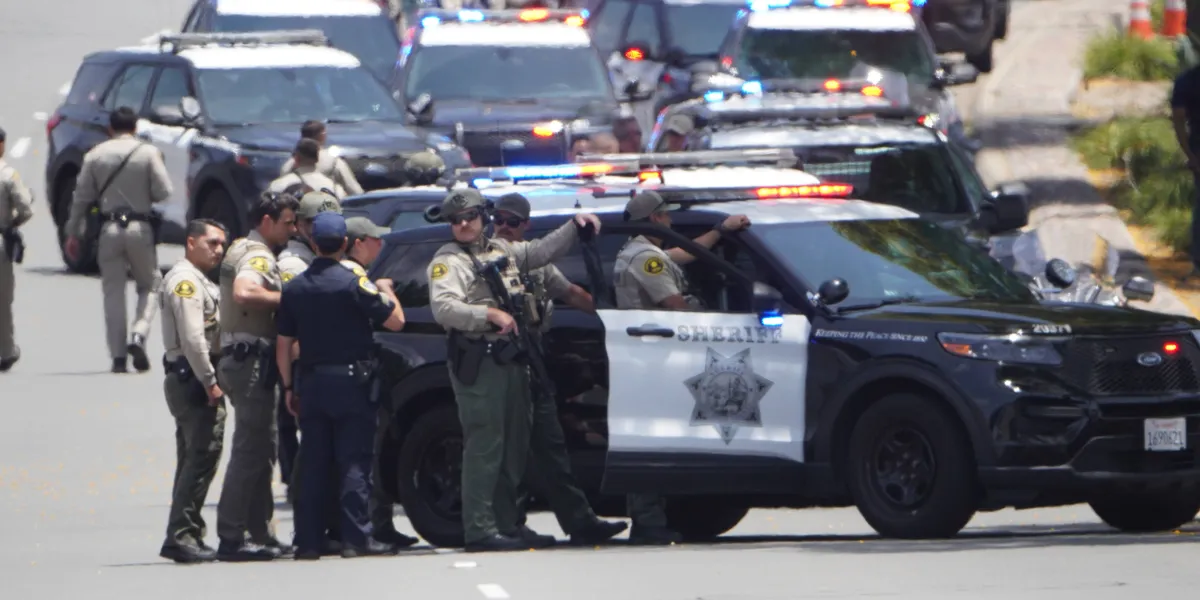
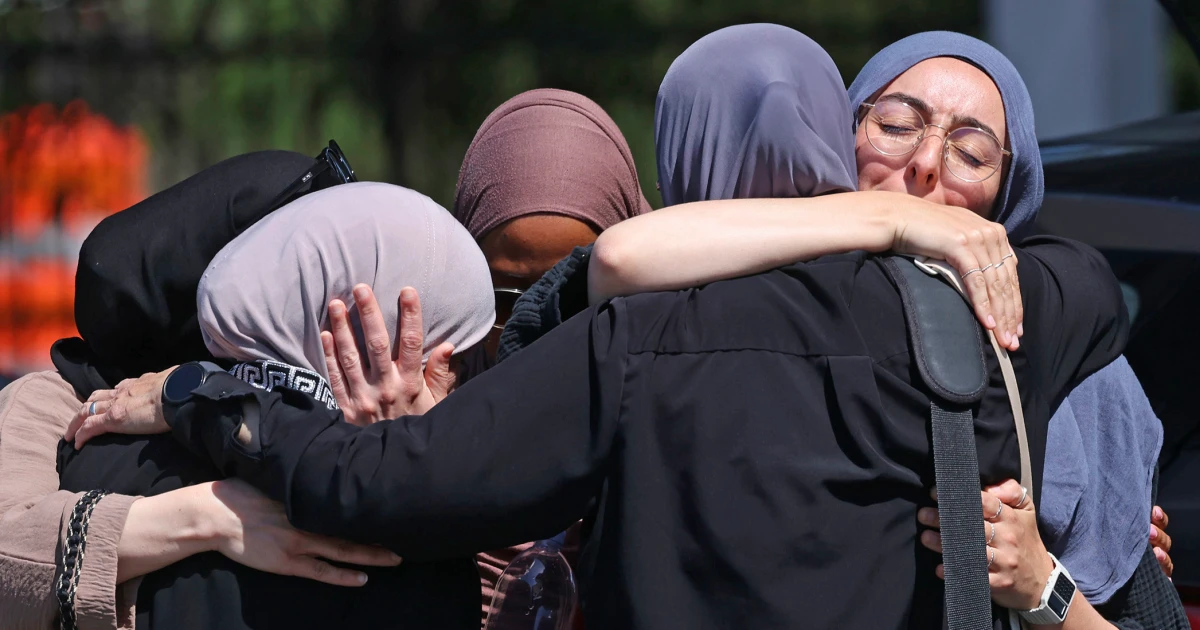
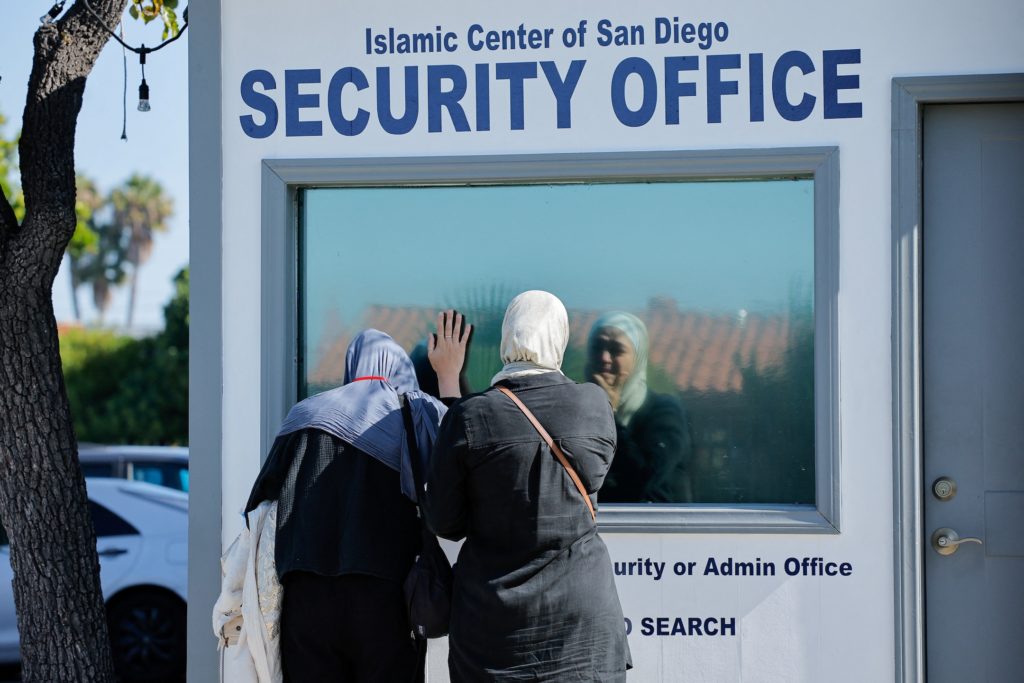
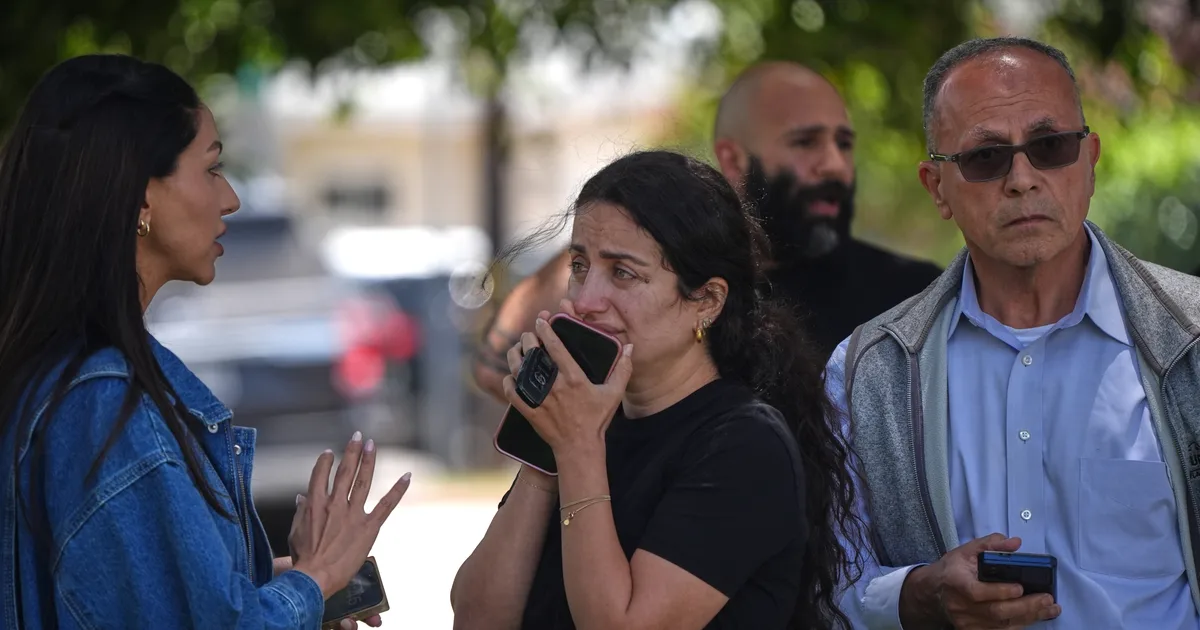
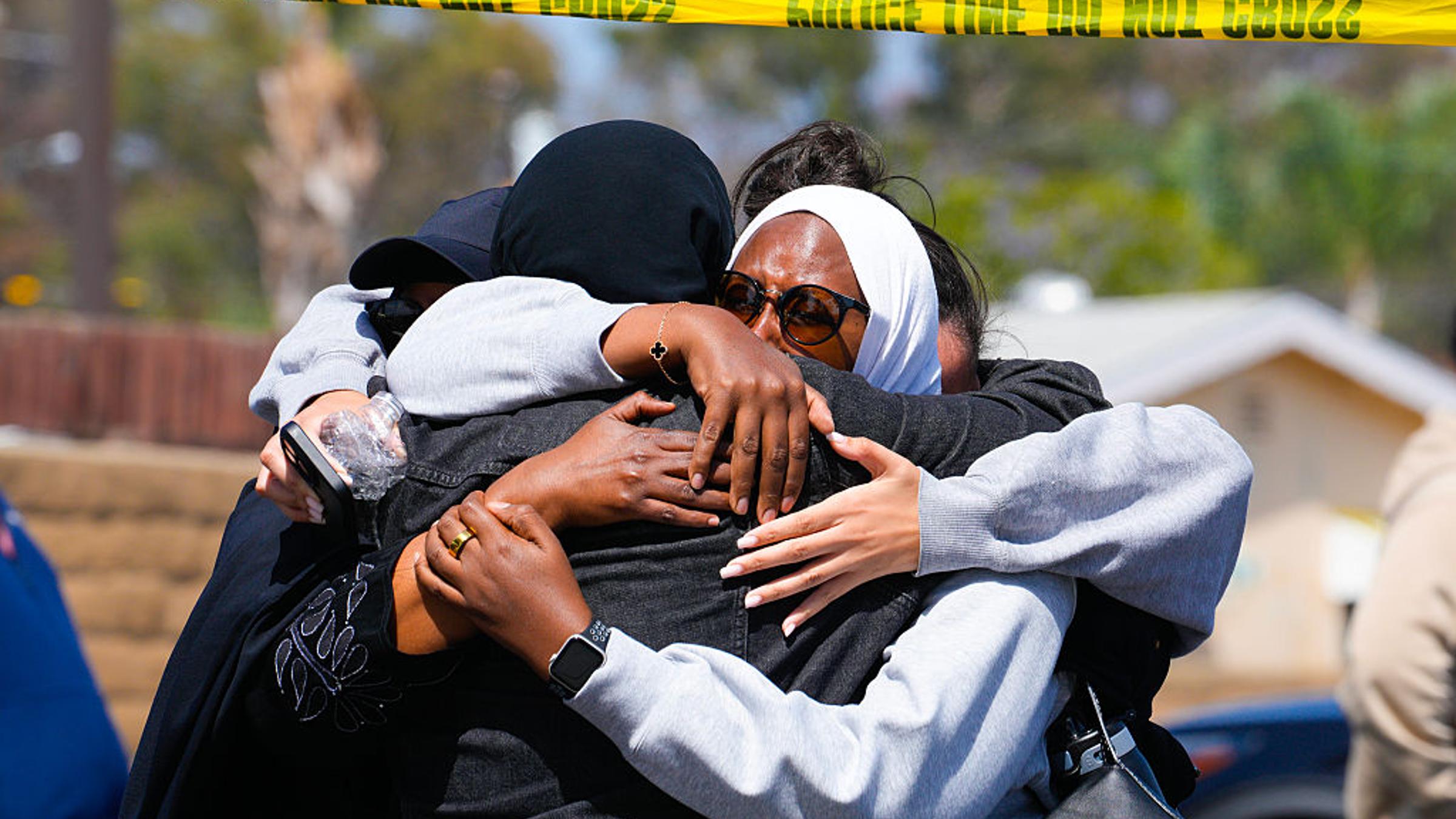
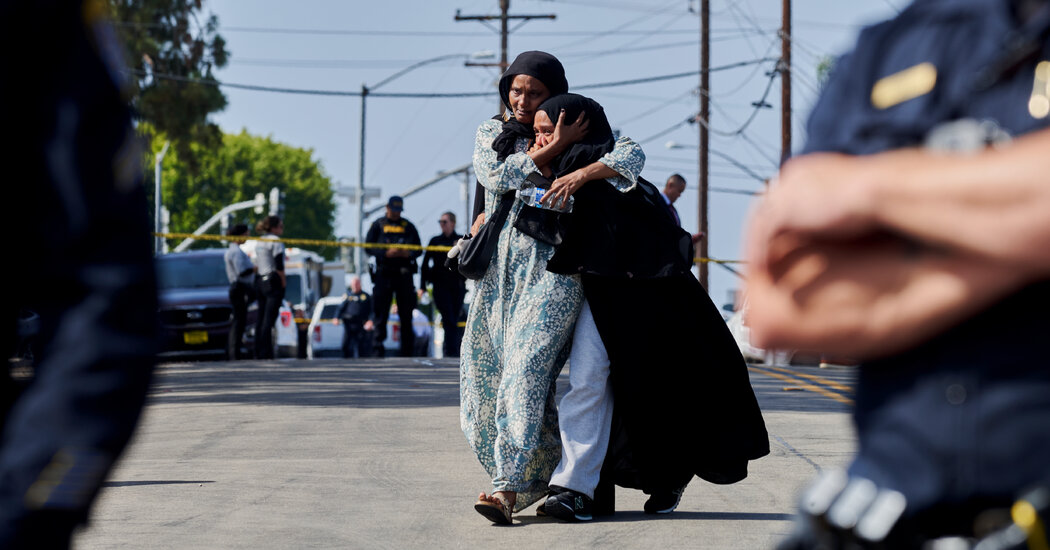
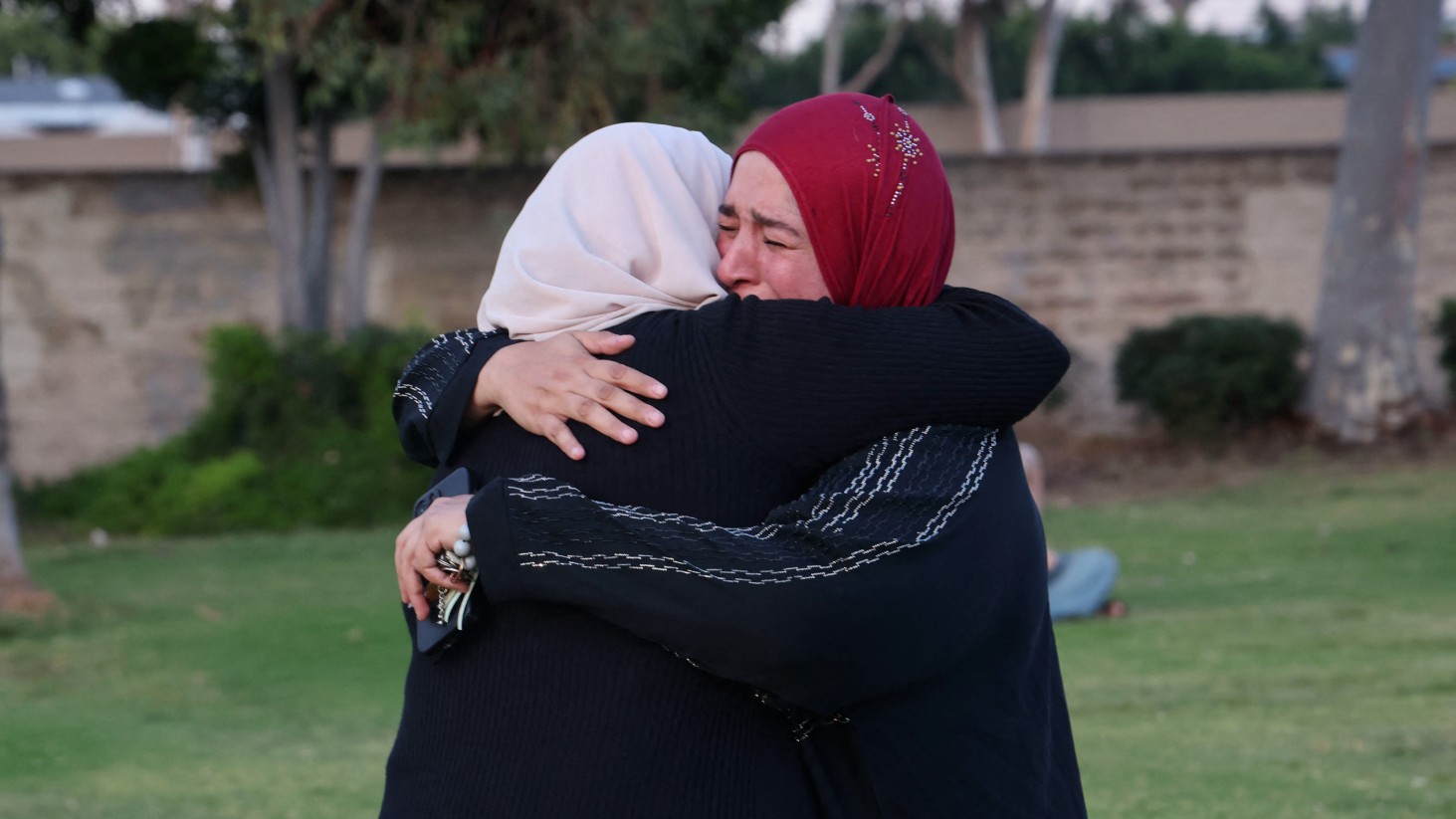
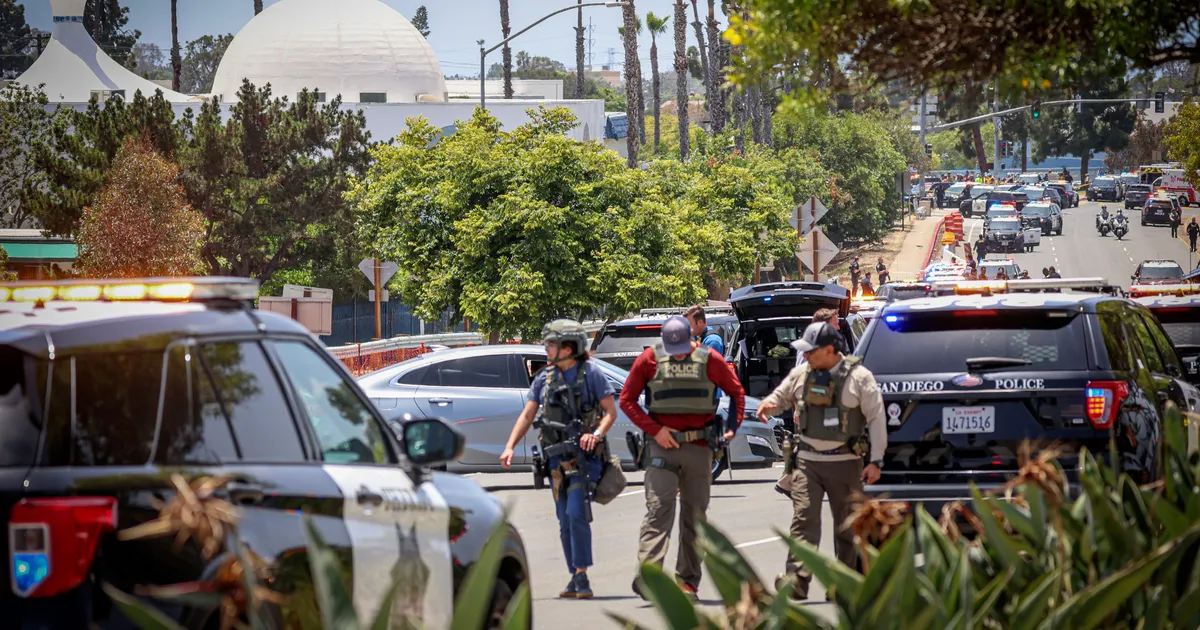
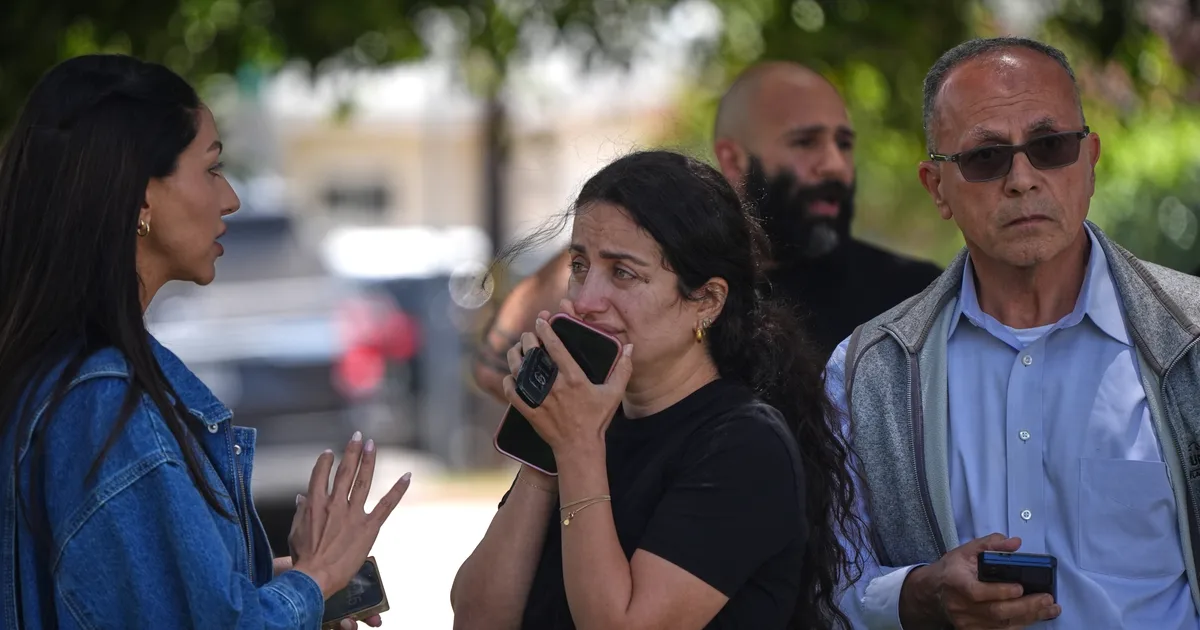
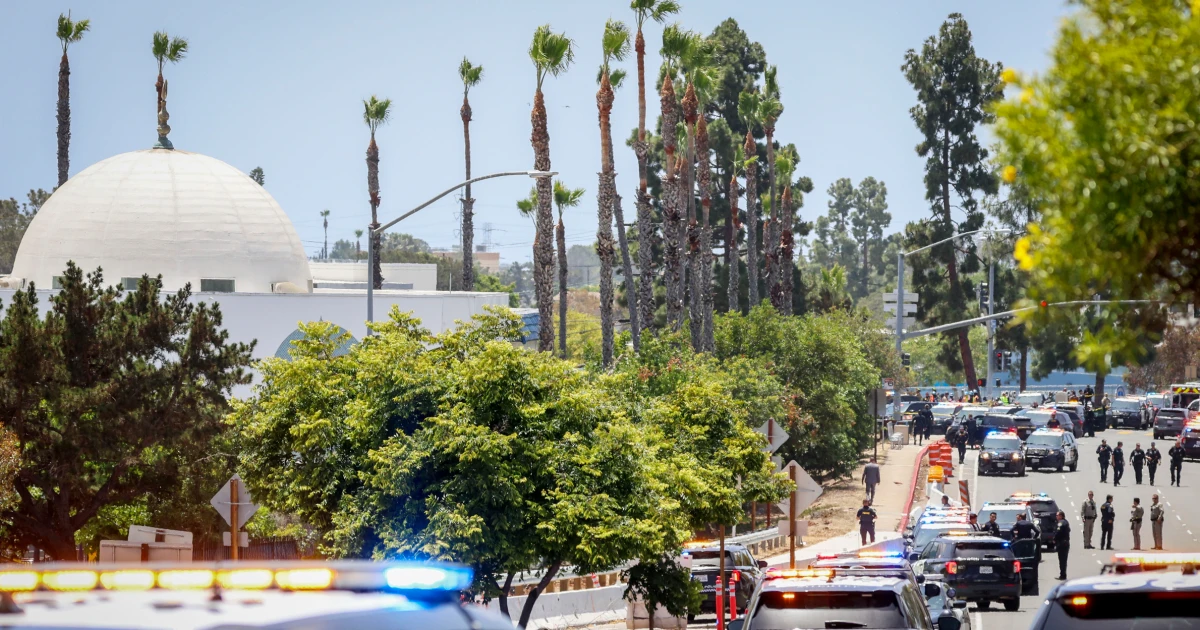
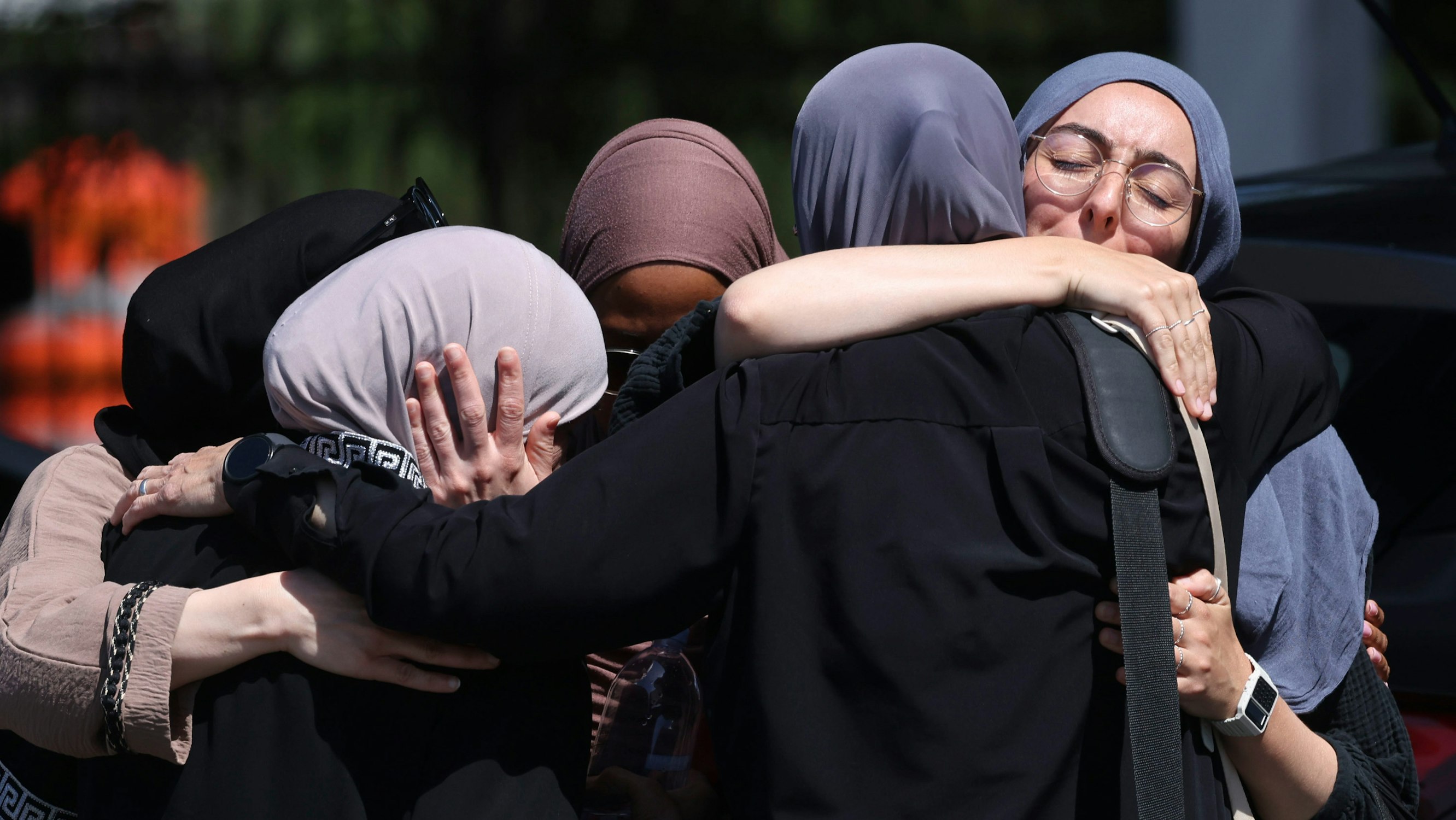
Yesterday, two gunmen opened fire at the Islamic Center of San Diego—the largest mosque in San Diego County. A security guard at the mosque and two staff members of the Islamic school on its grounds are dead. Police say the bravery of the guard, Amin Abdullah, a father of eight, kept the toll from being higher. The full picture is still unfolding in what police are investigating as a hate crime.But some things we can say clearly. This attack did not happen in a vacuum. It follows a long and painful line of violent acts in the United States targeting Muslim communities and other racial and ethnic minorities—in houses of worship, in public spaces, and in everyday life. That context is undeniable, and it demands a response.That response starts with solidarity.There is a persistent and dangerous myth that what happens to one community stays contained to that community. That violence or bigotry against a minority group—Muslims, Jews, people of color, immigrants—can be walled off from the concerns of the broader population. But the truth is that when a mosque is attacked, or a synagogue is targeted, or any group of people is made to feel that their safety is conditional and their belonging is negotiable, the damage radiates outward. The fear and anguish felt by children and parents after yesterday’s shooting echoes the deep sorrow of families who endured the attack against Temple Israel, a synagogue in West Bloomfield, Michigan, two months ago. These attacks fray the social fabric that protects all of us. Ultimately, our shared safety, and our country, are weakened.